
Probiotics are often promoted as a natural solution for gut health, but many people experience unexpected discomfort when they first start taking them. Bloating, gas, fatigue, and digestive upset can appear within days of beginning a probiotic supplement. This reaction leaves many wondering if something is wrong or if they should stop taking them altogether.

When you introduce new bacterial strains into your gut, your existing microbiome undergoes a shift that can temporarily produce increased gas, changes in bowel movements, and other uncomfortable symptoms as different bacterial populations compete and adjust. This adjustment period happens because probiotics actively alter the balance of microorganisms in your digestive system. The severity and duration of these effects depend on multiple factors including the specific strains you’re taking, your starting gut health, and underlying conditions you may not know you have.
Understanding why these reactions occur helps you distinguish between normal adjustment symptoms and signs of a genuine problem. This article examines the biological mechanisms behind probiotic discomfort, identifies which symptoms warrant concern, and provides practical strategies to minimize side effects while still gaining the benefits. You’ll learn how individual factors like SIBO, histamine sensitivity, and gut permeability influence your response, along with specific steps to make the transition smoother.
This article is for informational purposes only and does not constitute medical advice. Consult with a qualified healthcare provider before starting any new supplement regimen, especially if you have existing health conditions or compromised immune function.
Why Probiotics Sometimes Cause Discomfort Initially
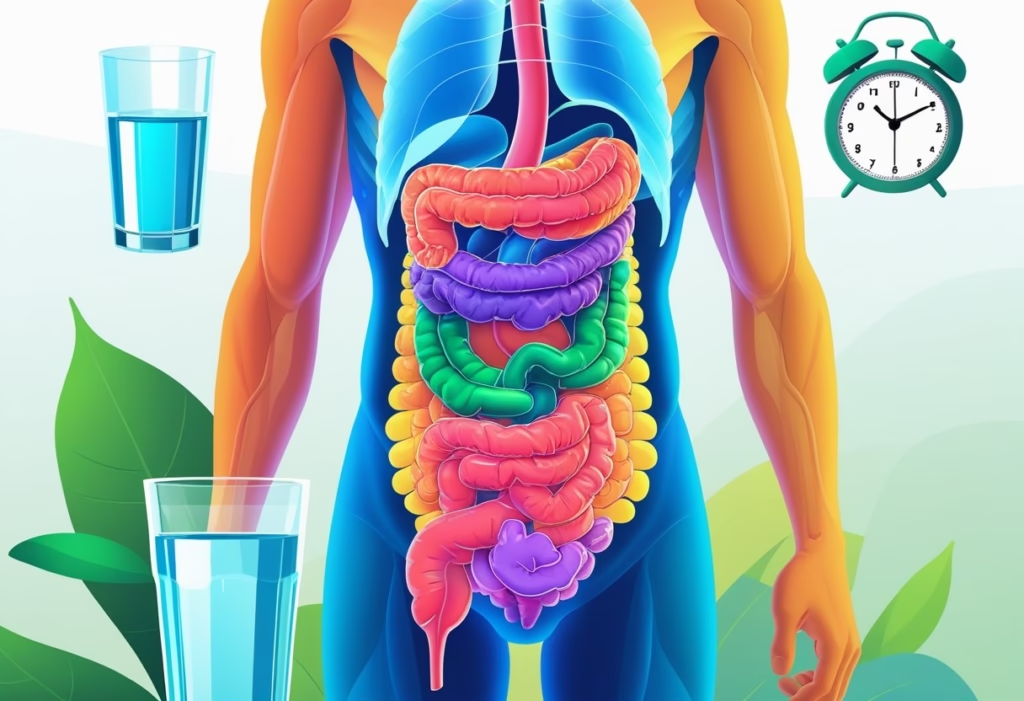
Starting probiotics can trigger temporary digestive symptoms as your gut adjusts to new bacterial strains. These reactions stem from shifts in your existing microbiome balance and increased fermentation activity, not from the probiotics being harmful.
Microbiome Rebalancing and Gut Adaptation
When you introduce new bacterial strains, your existing gut bacteria must compete for resources and space. This competition creates a temporary disruption in your digestive system’s ecosystem.
Your gut microbiome contains trillions of bacteria that maintain a delicate balance. New probiotic strains entering this environment can shift bacterial populations, causing existing microbes to die off while new ones establish themselves. This die-off releases endotoxins and other metabolic byproducts that your body must process and eliminate.
The adjustment process varies based on your starting gut health. If you have an imbalanced microbiome or underlying digestive issues, you may experience more pronounced symptoms. Your gut’s bacterial composition also affects how quickly new strains colonize.
Factors that influence adjustment intensity:
- Current gut microbiome diversity
- Probiotic strain type and dosage
- Presence of underlying gut conditions
- Diet and lifestyle habits
Common Initial Side Effects: Bloating, Gas, and More
Bloating and gas are the most frequently reported probiotic side effects. These occur because probiotics increase fermentation in your gut, producing carbon dioxide and hydrogen as byproducts. The gas accumulates in your intestines, causing distension and discomfort.
Digestive discomfort manifests as cramping, stomach pain, or general unease. This happens when probiotic bacteria break down food particles differently than your existing microbiome, altering digestive patterns.
Changes in bowel movements include temporary diarrhea or constipation. Some people experience looser stools as probiotics increase intestinal motility, while others notice slower transit times.
Less common symptoms include headaches, brain fog, and fatigue. These typically occur in people with histamine intolerance, as certain Lactobacillus strains produce histamine during metabolism.
When symptoms indicate a problem:
- Severe or worsening abdominal pain
- Blood in stool
- Persistent diarrhea lasting beyond two weeks
- Signs of allergic reaction (rash, difficulty breathing)
Contact a healthcare provider if you experience these symptoms. Immunocompromised individuals should consult a doctor before starting probiotics.
Adjustment Period: How Long Side Effects Last
Most probiotic side effects resolve within 7-14 days as your gut microbiome stabilizes. Your body needs this time to process bacterial die-off, adjust to new fermentation patterns, and establish equilibrium.
Some people notice improvement within 3-5 days, while others require three weeks. The timeline depends on your starting gut health, probiotic dosage, and individual tolerance.
What typically helps reduce discomfort:
- Starting with a lower dose and increasing gradually
- Taking probiotics with food to buffer digestive impact
- Staying hydrated to support toxin elimination
- Choosing spore-based or soil-based probiotics that survive stomach acid better
What rarely helps:
- Switching probiotic brands every few days (this restarts the adjustment cycle)
- Taking probiotics on an empty stomach initially
- Doubling your dose to “speed up” adaptation
If digestive symptoms persist beyond three weeks or worsen over time, stop taking the probiotic. You may have an underlying condition like SIBO (small intestinal bacterial overgrowth), FODMAP intolerance, or histamine sensitivity that requires different treatment.
Medical Disclaimer: This information is for educational purposes and does not replace professional medical advice. Consult a healthcare provider before starting any supplement regimen, especially if you have existing health conditions or take medications.
Key Factors That Influence Negative Reactions
The severity and type of initial reactions to probiotics depend on three main variables: the specific bacterial strains you consume, whether you take supplements or eat fermented foods, and the concentration and formulation of the product you choose.
Role of Specific Probiotic Strains
Different probiotic strains interact with your gut in distinct ways, which explains why one product might cause discomfort while another works well. Lactobacillus casei, Lactobacillus bulgaricus, and Lactobacillus reuteri produce histamine during their metabolic processes. If your body has low levels of diamine oxidase (DAO), the enzyme that breaks down histamine, these strains can trigger headaches, fatigue, dizziness, and nasal congestion.
Bifidobacterium infantis and Bifidobacterium longum do not produce histamine and may actually help degrade it. This difference matters significantly if you experience symptoms like brain fog or skin reactions after starting probiotics.
Some strains ferment carbohydrates more aggressively than others, producing excess gas in your digestive tract. If you have FODMAP sensitivity or SIBO, strains that increase fermentation will worsen bloating and abdominal pain. Spore-based options like Bacillus coagulans and Bacillus subtilis survive stomach acid better and typically cause fewer digestive side effects during the adjustment period.
Common mistake: Starting with multi-strain formulas containing 10-15 different bacteria types makes it impossible to identify which strain causes problems.
Probiotic Supplements Versus Fermented Foods
Probiotic supplements deliver concentrated doses of specific strains, while fermented foods provide live cultures in a whole-food matrix with nutrients and enzymes. This difference affects how your gut responds during the initial period.
Supplements often contain 10-50 billion CFU per capsule, flooding your system with bacteria rapidly. Fermented foods like yogurt, kefir, sauerkraut, and kimchi deliver smaller, more gradual amounts of probiotics alongside prebiotics and digestive enzymes that support bacterial integration.
The liquid matrix in kefir and kombucha helps beneficial bacteria colonize more gradually compared to powders or capsules. However, fermented foods vary widely in live culture content depending on pasteurization and storage conditions. Store-bought sauerkraut heated during processing contains zero viable probiotics.
What usually helps: Starting with small amounts of fresh, unpasteurized fermented foods (1-2 tablespoons daily) before trying high-CFU supplements reduces initial discomfort for most people.
What rarely helps: Taking high-dose supplements on an empty stomach intensifies side effects because stomach acid kills more bacteria, releasing cellular contents that trigger immune responses.
Dosage, CFU, and Formulation Considerations
CFU count (colony-forming units) indicates how many viable bacteria each dose contains, but higher numbers don’t guarantee better results or fewer side effects. Products ranging from 1-100 billion CFU can all cause initial reactions depending on your current gut state.
Starting with 1-5 billion CFU and increasing gradually over 2-3 weeks allows your microbiome to adjust without overwhelming your system. Jumping straight to 50 billion CFU commonly triggers bloating, gas, and changes in bowel movements that discourage people from continuing.
Formulation matters beyond CFU count. Synbiotics combine probiotics with prebiotics like inulin or oligosaccharides that feed beneficial bacteria. While this enhances effectiveness long-term, prebiotics ferment in your gut and produce gas during the adjustment phase. If you already experience significant bloating, starting with probiotics alone (without added prebiotics) reduces initial discomfort.
Third-party testing verifies that products contain the strains and CFU listed on labels. Without this verification, you may consume ineffective doses or completely different bacteria than expected.
| Formulation Type | Typical Response | Best For |
|---|---|---|
| High-CFU capsules (50+ billion) | Stronger initial symptoms | People who have taken probiotics before |
| Low-dose capsules (1-10 billion) | Milder adjustment period | First-time users |
| Spore-based probiotics | Fewer digestive symptoms | Sensitive digestive systems |
| Synbiotics with prebiotics | More gas initially | After adjusting to probiotics alone |
Taking probiotics with food buffers stomach acid and slows bacterial release, reducing die-off symptoms and digestive discomfort. The specific meal timing matters less than consistency.
This information is for educational purposes and should not replace medical advice. Consult a healthcare provider before starting probiotics if you have SIBO, immune system disorders, or persistent digestive symptoms.
Gut Conditions and Individual Sensitivities
Certain pre-existing conditions can trigger adverse reactions to probiotics, particularly when bacterial imbalances already exist or when your body struggles to process specific compounds produced by probiotic strains.
Small Intestinal Bacterial Overgrowth (SIBO)
SIBO occurs when bacteria that normally live in your large intestine migrate into your small intestine, where they ferment food and produce excessive gas. When you have SIBO, adding more bacteria through probiotics can worsen your symptoms.
The symptoms of SIBO include severe bloating within 30-60 minutes after eating, abdominal pain, diarrhea or constipation, and extreme gas production. Your small intestine lacks the capacity to handle high bacterial loads, so probiotics can intensify fermentation.
Studies show that approximately 60-80% of people with unexplained gastrointestinal symptoms have SIBO. If probiotics consistently make you feel worse rather than better after 2-3 weeks, testing for SIBO through a breath test may be necessary.
What makes symptoms worse: High-dose probiotics, prebiotics, and strains containing Lactobacillus or Bifidobacterium species can feed the overgrowth. Taking probiotics with meals amplifies fermentation.
What usually helps: Treating the underlying SIBO first with antibiotics or herbal antimicrobials, then reintroducing probiotics at very low doses. Soil-based organisms like Bacillus species often work better than traditional strains.
Histamine Intolerance and Biogenic Amines
Some probiotic strains produce histamine and other biogenic amines like tyramine, phenylethylamine, and tryptamine during fermentation. If your body can’t break down these compounds efficiently, they accumulate and trigger symptoms.
Histamine intolerance develops when your diamine oxidase (DAO) enzyme is insufficient or impaired. DAO normally degrades histamine in your digestive tract, but genetics, medications, gut inflammation, or alcohol consumption can reduce its activity.
Common histamine-producing probiotic strains include:
- Lactobacillus casei
- Lactobacillus reuteri
- Lactobacillus bulgaricus
- Streptococcus thermophilus
Symptoms appear within hours of taking probiotics: flushing, headaches, hives, nasal congestion, heart palpitations, anxiety, digestive upset, or brain fog. These reactions mimic allergic responses but don’t involve IgE antibodies.
What makes symptoms worse: Fermented foods combined with probiotic supplements, alcohol, aged cheeses, and DAO-blocking medications like NSAIDs or certain antidepressants.
What usually helps: Choosing histamine-neutral or histamine-degrading strains like Bifidobacterium infantis, Lactobacillus plantarum, or Bifidobacterium longum. Supporting DAO production with quercetin, vitamin C, and vitamin B6 may improve tolerance.
Food Allergies and Allergic Reactions
Probiotic supplements often contain hidden allergens in their formulations. If you have food allergies, inactive ingredients may trigger genuine allergic reactions rather than adjustment symptoms.
Common allergens in probiotics include dairy proteins (from growth media), soy lecithin (in capsules), corn-derived prebiotics, and trace amounts of gluten. Manufacturing processes don’t always remove these completely, even when labels claim “dairy-free” or “allergen-free.”
True allergic reactions develop rapidly—usually within minutes to 2 hours—and involve symptoms like throat swelling, difficulty breathing, severe hives, or anaphylaxis. This differs from delayed digestive discomfort, which represents microbial adjustment.
When to see a doctor immediately: Any breathing difficulties, facial swelling, rapid heartbeat, severe rash, or dizziness after taking probiotics requires emergency care.
Reading certificates of analysis and contacting manufacturers about cross-contamination helps identify safe products. Single-strain probiotics generally contain fewer additives than multi-strain formulas.
Compromised Immune System and Recent Illness
People with weakened immune systems face higher risks of probiotic-related infections, though these remain rare. Your immune system normally prevents bacteria from crossing the intestinal barrier into your bloodstream.
Immunocompromised conditions include HIV/AIDS, active cancer treatment, organ transplantation, congenital immune disorders, and recent surgery. In these situations, even beneficial bacteria can potentially cause bacteremia or fungemia.
High-risk scenarios:
- Central venous catheters combined with probiotic use
- Damaged intestinal lining from chemotherapy or radiation
- Within 2 weeks post-surgery, especially abdominal procedures
- Severe acute pancreatitis
Medical literature documents rare cases of Lactobacillus or Saccharomyces bloodstream infections in critically ill patients taking probiotics. The absolute risk remains very low—less than 1 in 1 million—but consequences can be serious.
Medical disclaimer: This information is educational and not medical advice. Consult your healthcare provider before starting probiotics if you have any underlying health conditions, take immunosuppressive medications, or recently underwent surgery.
Symptoms Encountered With Probiotics
When you introduce probiotics, your gut bacteria shift in composition and activity, which can trigger a range of physical responses. These symptoms typically emerge within the first few days and stem from increased fermentation, immune activation, or strain-specific reactions rather than product quality issues.
Digestive Symptoms: Gas, Bloating, Constipation, Diarrhea
Gas and bloating occur because probiotic bacteria ferment undigested carbohydrates in your intestines, producing gases like hydrogen and methane. This fermentation increases when you take high-dose probiotics or consume them alongside high-FODMAP foods. You’ll typically notice these symptoms within 2-4 hours after taking your probiotic.
Constipation develops when certain Bifidobacterium strains slow intestinal transit time or when you’re not drinking enough water to support increased bacterial activity. Your gut needs additional fluid to process the metabolic byproducts bacteria create.
Diarrhea happens when probiotics alter water absorption in your colon or when specific strains like Saccharomyces boulardii accelerate gut motility. This response usually indicates you’re taking too high a dose too quickly. Starting with less than 10 billion CFUs and increasing gradually over two weeks typically prevents this reaction.
When to see a doctor: Diarrhea lasting beyond one week, blood in stool, severe abdominal pain, or constipation exceeding four days requires medical evaluation. These may indicate underlying conditions like SIBO rather than normal adjustment.
Systemic Symptoms: Headaches, Migraines, Brain Fog, Thirst
Headaches and migraines often result from histamine accumulation when you take histamine-producing strains like Lactobacillus casei or Lactobacillus reuteri. Your body releases histamine as bacteria metabolize amino acids, and if you lack sufficient diamine oxidase enzyme to break it down, histamine levels rise quickly. These headaches feel different from tension headaches—they’re often accompanied by facial flushing or nasal congestion.
Brain fog manifests as difficulty concentrating, slower thinking, or mental fatigue. This happens through two mechanisms: histamine crossing the blood-brain barrier or bacterial endotoxins triggering inflammatory cytokines. You’re more susceptible if you have existing histamine intolerance or leaky gut.
Increased thirst occurs because bacterial fermentation produces metabolic waste products your kidneys must filter. Your body requires more water to process these compounds and maintain proper electrolyte balance.
What helps: Switching to Bifidobacterium strains, taking DAO enzyme supplements with probiotics, and avoiding fermented foods during the adjustment period. What rarely helps: drinking coffee or taking antihistamines, which can disrupt gut healing.
Less Common Reactions: Skin Issues and Immune Flare-Ups
Skin reactions include rashes, itching, or acne flare-ups triggered by either histamine release or die-off reactions (Herxheimer response). When probiotics displace harmful bacteria, those bacteria release toxins as they die, temporarily overwhelming your detoxification pathways. Your skin attempts to eliminate these toxins, causing breakouts or inflammation.
Immune system responses can manifest as mild flu-like symptoms, temporary fatigue, or swollen lymph nodes. This occurs because probiotics stimulate immune cells in your gut-associated lymphoid tissue, increasing cytokine production. While probiotics provide immune support long-term, the initial activation can feel uncomfortable.
These reactions typically resolve within 5-7 days. Taking probiotics with food and starting with spore-based varieties like Bacillus coagulans reduces immune activation intensity.
Medical disclaimer: This information does not replace professional medical advice. Consult your healthcare provider before starting probiotics if you have compromised immunity, serious illness, or persistent symptoms.
How to Reduce Discomfort When Starting Probiotics
Starting with the right product and adjusting your dosage can prevent most initial probiotic side effects. Knowing when symptoms indicate a problem rather than normal adjustment helps you use probiotics safely.
Choosing the Right Strain and Product
Different probiotic strains affect your body in different ways, which is why selecting the right one matters for minimizing discomfort. Lactobacillus rhamnosus and Bifidobacterium longum tend to cause fewer initial side effects than multi-strain formulas with 10+ species. If you’re prone to bloating, avoid products containing Lactobacillus bulgaricus or Lactobacillus acidophilus as your first choice, since these produce more gas during fermentation.
Saccharomyces boulardii, a probiotic yeast, rarely causes the gas and bloating associated with bacterial strains because it doesn’t ferment carbohydrates the same way. This makes it a better starting option if you have severe digestive sensitivity.
Single-strain products let you identify which specific organism your body tolerates well. Bifidobacterium infantis and Lactobacillus reuteri are particularly gentle for beginners because they colonize quickly without dramatic shifts in gut pH. Check for products with delayed-release capsules that survive stomach acid, as lower-quality probiotics die before reaching your intestines and waste through your system causing unnecessary irritation.
Avoid products with added prebiotics like inulin or FOS when you’re just starting. These fibers feed bacteria and amplify gas production during your adjustment period.
Tailoring Dose and Timing for Best Results
Starting with 5-10 billion CFU (colony-forming units) instead of the standard 25-50 billion reduces the shock to your microbiome. Your gut bacteria shifts more gradually at lower doses, producing less gas and fewer digestive symptoms. Increase by 5 billion CFU every 5-7 days only after symptoms resolve.
Take probiotics with food rather than on an empty stomach. Food buffers stomach acid and slows transit time, which allows beneficial bacteria to survive and colonize more effectively. This approach reduces nausea because the probiotic doesn’t hit your intestines all at once.
Taking probiotics at night helps some people because digestive symptoms occur during sleep when you’re less aware of them. Others find morning doses work better because any discomfort passes by evening.
If you experience worsening symptoms, drop back to your previous dose for another week. The common mistake is pushing through increasing discomfort, which often means you’re overwhelming your system rather than allowing adaptation.
When to Stop or Seek Medical Advice
Stop taking probiotics immediately if you develop severe abdominal pain, bloody stools, or high fever above 101°F. These symptoms indicate a potential infection rather than normal adjustment, especially if you have a weakened immune system.
Persistent nausea lasting more than two weeks, even at low doses, suggests the strain doesn’t suit your particular gut environment. Vomiting, severe diarrhea that causes dehydration, or symptoms that worsen after three weeks requires medical evaluation.
You should not take probiotics without medical supervision if you have: a compromised immune system, are undergoing chemotherapy, have short bowel syndrome, or use a central venous catheter. Probiotic bacteria can enter the bloodstream in these situations and cause serious infections.
Mild gas and bloating that improves week by week is normal. Symptoms that remain at the same intensity or get progressively worse indicate a problem. Contact your doctor if you notice brain fog, severe fatigue, or new skin rashes, as these may signal histamine intolerance triggered by certain Lactobacillus strains like Lactobacillus casei or Lactobacillus helveticus.
This information is for educational purposes and does not replace medical advice from your healthcare provider.
Understanding the Benefits and Finding Balance
Despite initial discomfort, probiotics support long-term microbiome diversity, strengthen the gut-brain connection, and work synergistically with prebiotics to produce beneficial compounds that regulate digestion, inflammation, and mental clarity.
Long-Term Gut Health and Microbiome Harmony
Your gut microbiota contains trillions of bacteria that compete for space and resources in your digestive tract. When you introduce probiotics, they work to crowd out harmful bacteria and establish a more balanced ecosystem. This process takes weeks to months, which explains why immediate discomfort doesn’t indicate failure.
Research shows that consistent probiotic use increases microbiome diversity, a key marker of digestive resilience. More bacterial species means better protection against pathogens and improved nutrient absorption. However, if you have SIBO (Small Intestinal Bacterial Overgrowth), adding bacteria to an already overpopulated small intestine worsens symptoms like bloating and gas.
What usually helps: Starting with low doses (5-10 billion CFUs) and gradually increasing allows your system to adjust. Taking probiotics with food reduces stomach acid exposure and improves bacterial survival.
What rarely helps: Switching brands every few days or taking extremely high doses initially. Your microbiome needs consistent exposure to specific strains to establish colonies.
See a doctor if symptoms persist beyond three weeks or you experience severe abdominal pain, bloody stools, or high fever.
Gut-Brain Axis and Whole-Body Effects
Your gut and brain communicate constantly through the vagal nerve, neurotransmitters, and immune signals. Approximately 90% of your body’s serotonin is produced in the gut, making microbiome balance directly relevant to mood regulation, anxiety levels, and cognitive function.
Probiotics influence this gut-brain axis by reducing inflammatory signals that can trigger brain fog, fatigue, and mood changes. Certain strains like Lactobacillus helveticus and Bifidobacterium longum have demonstrated anxiety-reducing effects in clinical trials. These benefits emerge after 4-8 weeks of consistent use as bacterial colonies stabilize.
Initial worsening of brain fog or fatigue often relates to die-off reactions (Herxheimer response) or histamine production from specific strains. Lactobacillus casei and Lactobacillus bulgaricus are higher histamine producers that may cause headaches or mental cloudiness in sensitive individuals.
Common mistake: Expecting immediate mental clarity improvements. The gut-brain axis responds to sustained microbiome changes, not single doses.
Prebiotics, SCFAs, and Supporting Digestive Wellness
Prebiotics are non-digestible fibers that feed beneficial bacteria, enabling them to produce short-chain fatty acids (SCFAs) like butyrate, propionate, and acetate. These SCFAs serve as primary fuel for your intestinal cells and help repair leaky gut by strengthening tight junctions between cells in your intestinal lining.
Key prebiotic sources:
- Inulin (chicory root, Jerusalem artichokes)
- FOS (asparagus, onions, garlic)
- Resistant starch (cooked and cooled potatoes, green bananas)
SCFAs also reduce inflammation throughout your body and regulate appetite hormones. However, if you have FODMAP intolerance or existing bacterial overgrowth, prebiotics ferment too quickly and create excessive gas and cramping.
What usually helps: Introducing prebiotics slowly (2-3 grams daily) alongside probiotics creates a synbiotic effect. Taking them separately by 2-3 hours can reduce initial fermentation symptoms.
What makes symptoms worse: High-dose prebiotic supplements (10+ grams) without gradual adjustment. Your bacteria need time to adapt their enzyme production.
Medical disclaimer: This information is educational and does not replace professional medical advice. Consult your healthcare provider before starting probiotic supplementation, especially if you have compromised immunity or serious digestive conditions.