
Flatulence is a natural bodily function, but excessive or particularly odorous gas can cause significant social anxiety and embarrassment for many people. While most experience occasional concerns about gas, those with conditions like irritable bowel syndrome, lactose intolerance, or other digestive disorders face this challenge daily.
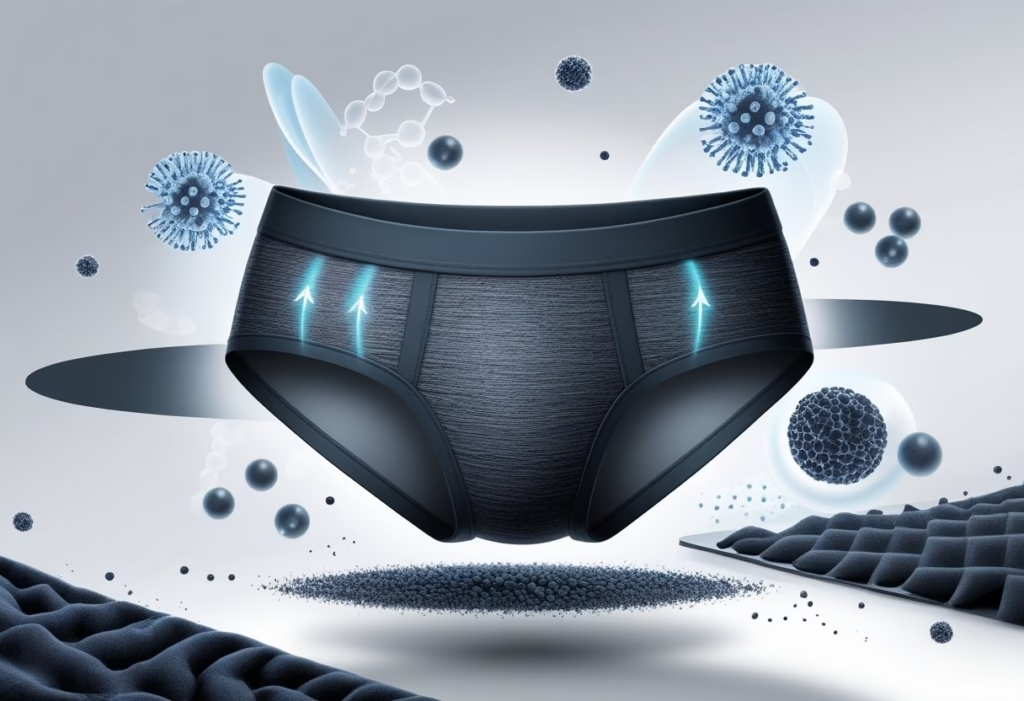
Activated carbon underwear uses specially treated fabric with microscopic pores that trap and neutralize odor-causing gas molecules before they escape into the air. The technology relies on adsorption, where gas particles bind to the carbon’s porous surface rather than passing through. This approach addresses the symptom rather than the cause, making it useful when dietary changes or medical treatments haven’t fully resolved odor issues.
Understanding how this technology works helps determine whether it’s worth trying for your situation. The science behind activated carbon extends beyond underwear into water filtration and air purification, but its application in garments requires specific design considerations. This article examines the material properties that make odor control possible, evaluates effectiveness based on user experiences, and clarifies when this solution makes sense versus when medical evaluation is warranted.
What Is Activated Carbon Underwear?
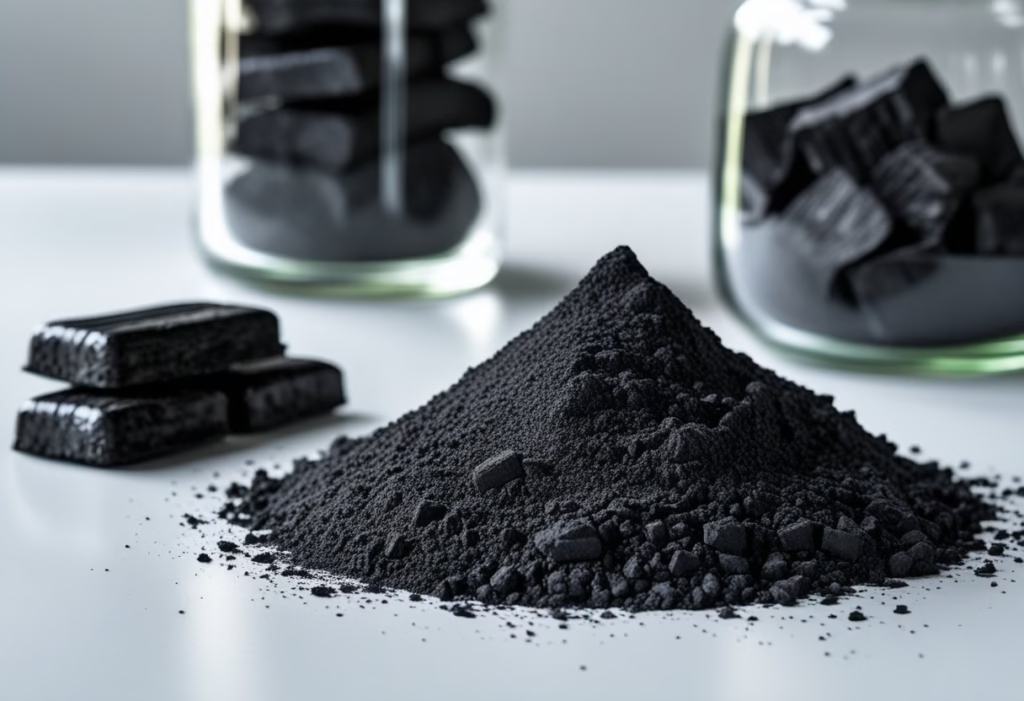
Activated carbon underwear is a specialized garment designed to trap and neutralize flatulence odors before they escape into the air. The technology relies on activated carbon‘s porous structure, which physically captures odor-causing gas molecules as they pass through the fabric.
Defining Activated Carbon Underwear
Activated carbon underwear contains layers of activated carbon cloth woven into or attached to the fabric, typically positioned in the back panel where flatulence gases exit the body. The activated carbon material features millions of microscopic pores that create an extensive surface area capable of adsorbing odor molecules.
When you pass gas, the sulfur-containing compounds responsible for the smell move through the carbon layer. These molecules become trapped in the pores through a process called adsorption, where molecules adhere to the carbon’s surface rather than passing through it. The carbon doesn’t mask odors with fragrances—it physically captures and holds the odor molecules.
The effectiveness depends on the amount and quality of activated carbon cloth used. Products like Shreddies use patented carbon panels strategically placed to intercept gases. The carbon remains effective through multiple wearings and reactivates when washed, though the material’s adsorption capacity gradually decreases over time with repeated use.
This technology originated from medical applications for patients with gastrointestinal conditions causing excessive or particularly odorous flatulence.
The Purpose of Odor Control in Clothing
Flatulence odor control addresses a real medical and social concern for people with conditions affecting digestive function. Irritable bowel syndrome, inflammatory bowel disease, lactose intolerance, and certain food sensitivities can increase both the frequency and odor intensity of flatulence.
The primary sulfur compounds causing flatulence odor include hydrogen sulfide, methanethiol, and dimethyl sulfide. These molecules form when gut bacteria break down proteins and certain carbohydrates in your colon. Standard underwear fabrics allow these gases to pass through freely.
Activated carbon underwear provides immediate odor neutralization at the source rather than relying on air fresheners or dietary restrictions alone. You still experience normal flatulence—the underwear simply prevents others from detecting it.
What makes symptoms worse: High-sulfur foods (eggs, meat, cruciferous vegetables), artificial sweeteners, and rapid eating that introduces excess air.
When to see a doctor: If you experience sudden changes in flatulence odor accompanied by pain, blood in stool, unexplained weight loss, or persistent diarrhea.
Key Brands and Innovations
Shreddies pioneered the commercial activated carbon underwear market, developing a patented design with a replaceable carbon panel. Their products use Zorflex activated carbon cloth, a medical-grade material originally developed for wound care applications.
Other brands include tootles, which spins activated carbon directly into bamboo cotton fabric rather than using separate panels. This approach distributes the carbon throughout the garment for broader coverage but may use less total carbon material.
Key innovations in the category include:
- Carbon panel placement: Back panels versus full-seat coverage
- Fabric integration: Removable panels versus permanently embedded carbon
- Reactivation methods: Washing versus air-drying to restore effectiveness
- Carbon sources: Coconut shell-based versus coal-based activated carbon
The technology extends beyond underwear to pajamas and seat cushions. Carbon underwear typically costs $25-65 per garment, reflecting the specialized materials and construction required.
Medical Disclaimer: This information is for educational purposes only and does not replace professional medical advice. Consult your healthcare provider regarding persistent digestive symptoms or concerns about flatulence.
The Science Behind Odor Neutralization
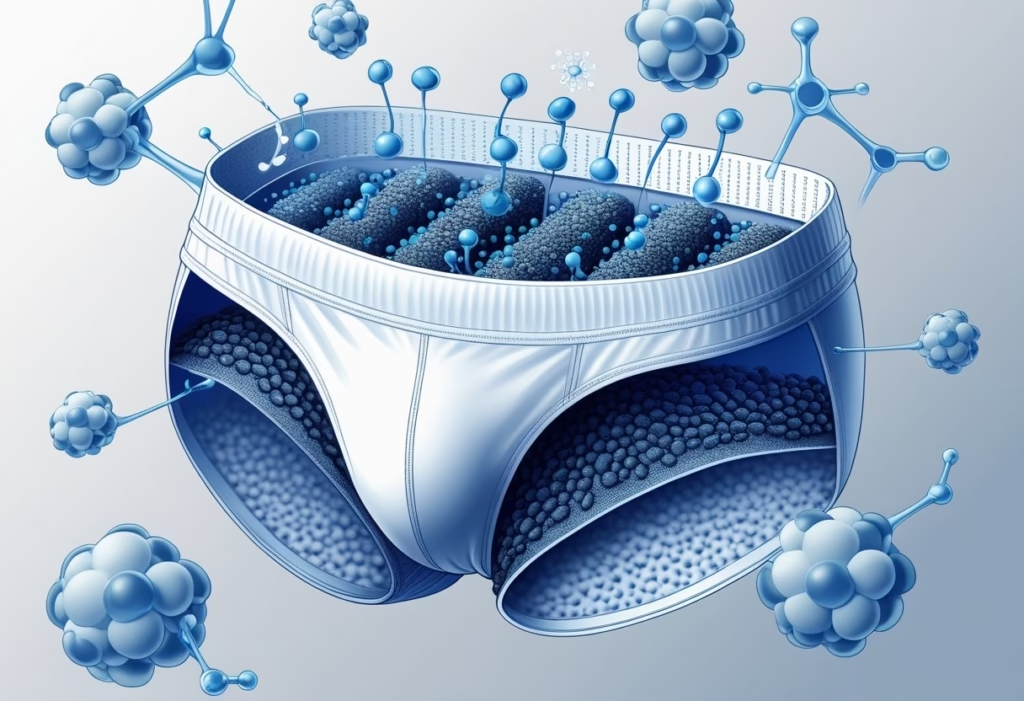
Activated carbon works through adsorption, a process where odor molecules physically bind to the carbon’s surface rather than being absorbed into it. The material’s extensive surface area and porous structure create millions of microscopic spaces that trap volatile organic compounds responsible for flatulence odors.
How Activated Carbon Adsorbs Odors
Activated carbon functions through a physical process called adsorption, which differs from absorption. When gas molecules from flatulence pass through the carbon material, they become trapped in microscopic pores on the carbon’s surface through weak intermolecular forces called Van der Waals forces.
The carbon doesn’t chemically react with odor molecules. Instead, it provides binding sites where these molecules temporarily stick until the carbon is washed or heated, which releases the trapped compounds and reactivates the material.
This process happens instantly when odor molecules contact the carbon surface. The effectiveness depends on contact time and the amount of activated carbon present in your underwear. More carbon material means more binding sites and better odor control.
A common mistake is expecting 100% odor elimination in all situations. While activated carbon captures most flatulence odors, extremely large volumes of gas or severely compromised digestive conditions may overwhelm the carbon’s capacity.
Surface Area and Porosity Explained
One gram of activated carbon contains between 500 to 3,000 square meters of internal surface area. This extreme surface area comes from millions of microscopic pores created during the activation process, which uses steam or chemicals to create the porous structure.
The pores exist in three sizes: micropores (less than 2 nanometers), mesopores (2-50 nanometers), and macropores (greater than 50 nanometers). Micropores provide the most surface area and are most effective at trapping small odor molecules from flatulence.
Your underwear’s carbon cloth maintains this porous structure through repeated washing cycles. The reactivation happens when water and heat from washing remove trapped molecules, freeing up binding sites for future use. This explains why properly maintained carbon underwear can last for months or years.
Odor Molecules and Volatile Organic Compounds (VOCs)
Flatulence contains several volatile organic compounds that create unpleasant smells. The primary culprits include hydrogen sulfide (rotten egg smell), methanethiol, dimethyl sulfide, and various short-chain fatty acids. These molecules range from 0.3 to 1.2 nanometers in size.
Hydrogen sulfide is the most notorious offender, detectable by your nose at concentrations as low as 0.5 parts per billion. Skatole and indole, produced when bacteria break down protein in your colon, contribute to the characteristic fecal odor component.
The carbon’s micropores effectively trap these small VOC molecules because their size matches the pore dimensions. Larger mesopores serve as channels that allow gas to reach the micropores quickly. This size-matching principle explains why activated carbon works better for flatulence odors than simple fabric barriers or perfumes, which only mask smells temporarily.
Digestive conditions like IBS, lactose intolerance, or bacterial overgrowth increase VOC production, making symptoms worse. If you’re experiencing excessive flatulence with severe odor that affects your daily life, consult a gastroenterologist to identify underlying causes.
Activated Carbon Technology in Underwear Design
Activated carbon underwear relies on two critical elements: the specific type of carbon material selected and how manufacturers bond that material to fabric fibers. The carbon’s pore structure determines odor absorption capacity, while integration methods affect durability and comfort.
Types of Activated Carbon Materials
Activated carbon cloth represents the most advanced material for odor-filtering underwear. This textile was originally developed for chemical warfare suits used by emergency services to protect against toxic gases. The cloth contains millions of microscopic pores that trap and neutralize odor molecules on contact.
Activated charcoal powder serves as an alternative approach in some designs. Manufacturers apply nano-grade carbonized plant powder to fabric surfaces through specialized engineering processes. This method allows the carbon particles to infuse with polyester yarn when exposed to heat, creating a permanent bond.
Some underwear designs use activated carbon in different physical forms:
- Woven activated carbon fabric – carbon fibers integrated throughout the textile
- Carbon filter inserts – removable panels placed in specific garment areas
- Surface-treated fabrics – regular materials coated with carbon particles
The cloth version typically offers superior performance because gas molecules pass directly through the porous carbon structure rather than relying on surface contact alone.
Activation Process and Fabric Integration
The activation process creates the extensive pore network that gives activated carbon its filtering ability. Raw carbon materials undergo heating to temperatures between 600-900°C in controlled atmospheres. This removes impurities and creates millions of tiny pores, with surface areas reaching up to 3,000 square meters per gram.
Integration into underwear fabric happens through two primary methods. The first spins activated carbon directly into bamboo-cotton or synthetic fiber blends during manufacturing. This creates a durable, washable fabric where carbon remains permanently embedded in the textile structure.
The second method treats finished fabrics with carbon particles. While this approach costs less, the carbon coating may degrade faster with repeated washing. Medical-grade underwear typically uses the integrated fiber approach to maintain consistent filtering performance over the garment’s lifespan.
Effectiveness and Benefits of Activated Carbon Underwear
Activated carbon underwear delivers measurable odor control through specialized filtration while maintaining comfort and durability through repeated washing. The garments address flatulence-related concerns without requiring dietary modifications or medications.
Real-World Odor Control Performance
Research published in The American Journal of Gastroenterology identified activated carbon underwear as the most effective method for removing flatulence odors. The carbon fibers trap odor-causing molecules at the source rather than masking them with fragrances.
The effectiveness depends on proper carbon placement and fabric thickness. Garments with carbon panels positioned at critical areas provide superior odor neutralization compared to those with minimal carbon content. Studies from De Montfort University demonstrated that properly designed activated carbon cloth can filter significant amounts of hydrogen sulfide and other odor compounds.
Your results may vary based on factors like diet and digestive health. High-sulfur foods (eggs, meat, cruciferous vegetables) produce more pungent odors that challenge even quality carbon filters. The technology works best for typical flatulence rather than severe gastrointestinal conditions.
If you experience persistent, excessive flatulence with pain or digestive changes, consult a healthcare provider to rule out underlying conditions like IBS, lactose intolerance, or SIBO.
Washability and Reusability
Activated carbon fibers maintain effectiveness through multiple wash cycles when cared for properly. Unlike standard fabrics requiring frequent washing for freshness, the carbon material continues neutralizing odors even after repeated laundering.
Proper care guidelines:
- Wash in cold water to preserve carbon integrity
- Air dry instead of machine drying
- Avoid fabric softeners that coat and reduce carbon effectiveness
- Skip bleach which degrades activated carbon
The longevity varies by brand quality and washing frequency. Premium garments retain odor-control properties for 6-12 months of regular use, making them cost-effective compared to disposable solutions.
A common mistake is over-washing, which isn’t necessary due to the carbon’s natural odor-fighting properties. Washing every 2-3 wears typically suffices unless visible soiling occurs.
Comfort and Discreet Design
Modern activated carbon underwear resembles regular undergarments in appearance and feel. The carbon fibers integrate into fabric layers without creating bulk or stiffness that would reveal their specialized function.
Manufacturers design these garments for all-day wear with breathable materials surrounding the carbon panels. You can wear them under any clothing without detection, providing discreet odor control during work, social events, or physical activities.
The fit and comfort level matters for consistent use. Poorly fitted garments reduce carbon-to-skin proximity, decreasing effectiveness. Quality brands offer various styles and sizes to ensure proper positioning of carbon filters.
Some users initially notice a slight texture difference from standard underwear, but most adapt within days. The trade-off between minor texture changes and confidence in odor control proves worthwhile for those managing flatulence concerns.
Applications and User Scenarios
Activated carbon underwear serves specific populations dealing with gas-related concerns, from those managing chronic digestive conditions to professionals navigating social situations where flatulence odors create anxiety.
Managing Flatulence for Digestive Disorders
If you have irritable bowel syndrome (IBS), Crohn’s disease, ulcerative colitis, or lactose intolerance, excessive gas production is often unavoidable despite dietary modifications. These conditions cause bacterial fermentation in your intestines, producing hydrogen sulfide and other malodorous compounds that standard treatments may not fully address.
Carbon underwear provides odor control when your condition causes frequent flatulence that you cannot predict or prevent. The activated carbon cloth intercepts gases as they exit your body, neutralizing them before others can detect them. This matters because digestive disorders often resist complete symptom elimination through diet alone.
You might find this approach most helpful during flare-ups when gas production increases temporarily. However, carbon filters do not reduce gas volume or address underlying inflammation. If you experience worsening symptoms, blood in stool, or significant weight loss, you should consult a gastroenterologist rather than relying solely on odor management.
Use in Social and Professional Settings
Professional environments like meetings, shared offices, or client presentations create situations where flatulence odors cause legitimate concern. You may avoid social gatherings, feel anxious during long conferences, or limit your diet severely before important events.
Activated carbon underwear from companies like Shreddies addresses these scenarios by providing consistent odor neutralization throughout your day. The flatulence filter works passively without requiring you to excuse yourself or take medication. This reliability helps you focus on work or social interactions rather than monitoring your body.
The garments look identical to regular underwear, so you maintain privacy about your digestive concerns. You can wear them under professional attire without visible lines or bulkiness.
Travel and Special Use Cases
Air travel presents particular challenges because cabin pressure changes often increase intestinal gas production while confining you in close quarters with strangers. Long flights, bus trips, or car journeys limit your ability to move away from others when needed.
Carbon underwear offers a practical solution for these confined situations. You gain peace of mind during extended travel without relying on airports or rest stops for frequent breaks. The garments remain effective for the duration of your journey, though effectiveness decreases as the carbon becomes saturated.
You should also consider these garments for medical procedures requiring sedation, post-surgical recovery periods when gas increases, or situations where dietary control proves insufficient despite your best efforts.
Sustainability and Broader Uses of Activated Carbon
Activated carbon production from biomass waste reduces environmental impact while enabling applications across water treatment, air purification, and filtration systems that extend far beyond odor-control garments.
Environmental Impact of Activated Carbon Underwear
The manufacturing process for activated carbon used in underwear typically sources material from coconut shells, bamboo, or wood waste. These biomass-derived options create a smaller carbon footprint compared to coal-based activated carbon because they utilize agricultural and industrial byproducts that would otherwise decompose or require disposal.
Physical activation involves heating these materials to 800-1100°C with steam or carbon dioxide, creating the porous structure without harsh chemicals. Chemical activation uses compounds like phosphoric acid or zinc chloride at lower temperatures (400-700°C), which can be more energy-efficient but requires proper waste management of the activating agents.
The sustainability advantage diminishes when you consider the full lifecycle. Most activated carbon underwear becomes non-recyclable textile waste after 6-12 months of use because the carbon particles are embedded in synthetic fabrics. The fabric itself often contains polyester or nylon blended with cotton, making separation and recycling impractical with current technology.
Applications in Filtration and Purification
Activated carbon’s effectiveness in underwear stems from the same adsorption properties used in industrial filtration systems. The material contains millions of microscopic pores that trap molecules—typically 500-3000 square meters of surface area per gram.
Water purification systems use activated carbon filters to remove chlorine, volatile organic compounds, and taste/odor compounds from drinking water. Municipal water treatment facilities often employ granular activated carbon in large filter beds, while home systems use smaller cartridges that require replacement every 2-6 months depending on water quality and usage volume.
Air purification applications include HVAC systems, industrial emissions control, and household air filters. The carbon captures gaseous pollutants, smoke particles, and volatile compounds through the same adsorption mechanism that neutralizes body odors in garments. Medical-grade activated carbon filters in respirators and gas masks demonstrate the material’s reliability for protecting against airborne contaminants.