
Intestinal odor can be one of the most isolating and embarrassing digestive symptoms you experience. Unlike visible conditions, excessive gas odor or foul-smelling bowel movements often go undiscussed even with healthcare providers, leaving you to suffer in silence while wondering if something is seriously wrong with your gut.

The reality is that persistent intestinal odor often stems from treatable underlying conditions like small intestinal bacterial overgrowth (SIBO), dysbiosis, or specific food intolerances that disrupt your digestive processes and create sulfur compounds or other odorous byproducts. Understanding the root cause of your symptoms rather than simply masking odor is the key to lasting improvement. Many people find that once they identify what’s actually happening in their gut, targeted dietary changes and gut health restoration strategies can dramatically reduce both gas and stool odor within weeks.
This article shares real approaches that have helped people identify their triggers, address underlying gut imbalances, and regain confidence in social situations. You’ll learn about the connection between gut bacteria and odor production, which testing methods provide useful information, and what typically works versus what wastes your time and money. This information is for educational purposes and should not replace personalized medical advice from your healthcare provider.
Understanding Intestinal Odor and Its Root Causes
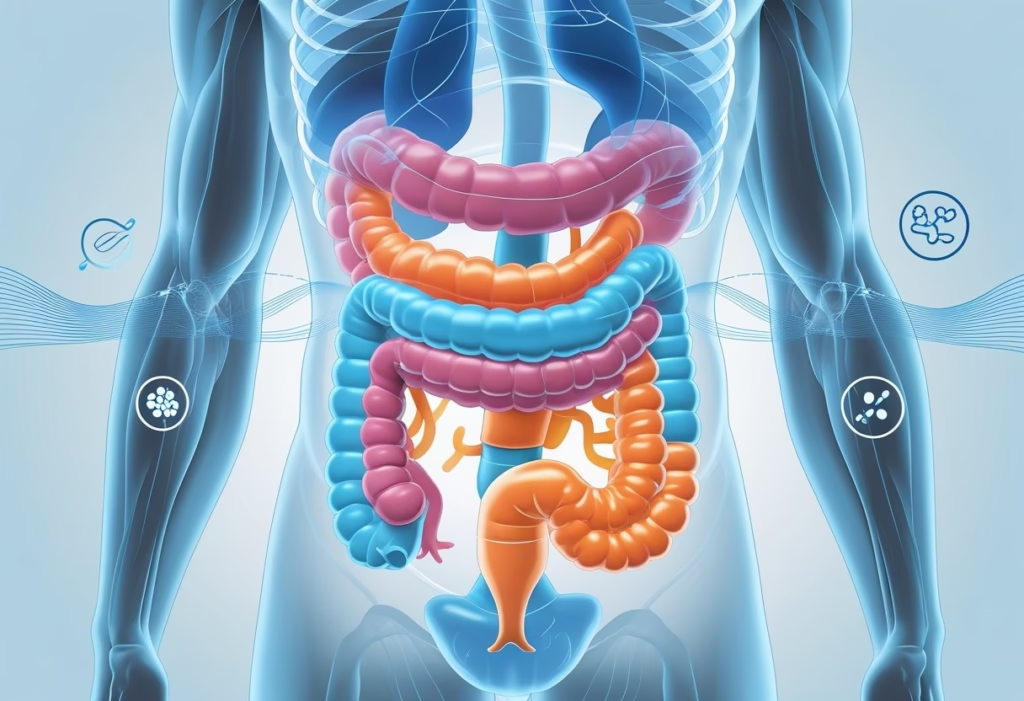
Intestinal odor stems from specific digestive processes gone awry, often signaling underlying gut imbalances or bacterial overgrowth. The smell intensity and frequency typically correlate with the severity of digestive dysfunction and can indicate whether treatment is working.
Common Symptoms and Early Warning Signs
You’ll likely notice intestinal odor manifests through flatulence and bowel movements rather than traditional body odor from sweat glands. The gas may smell particularly sulfurous or rotten, often accompanied by bloating and abdominal discomfort that worsens after eating certain foods.
Many people report increased urgency before bowel movements, with the resulting odor being strong enough to cause embarrassment in shared bathrooms. Changes in intestinal odor can reveal early signs of IBD flares before other symptoms become severe.
The timing matters. If you notice worse odor after dairy, high-fat meals, or cruciferous vegetables, this points to specific digestive challenges. Odor that appears suddenly or intensifies over weeks warrants medical attention, especially when paired with diarrhea, constipation, or unexplained weight loss.
Disorders Linked to Intestinal Odor
Several digestive conditions directly cause increased intestinal odor through inflammation and impaired digestion. People with inflammatory bowel disease experience higher rates of intestinal malodor, particularly during active disease phases.
Small intestinal bacterial overgrowth occurs when bacteria colonize the wrong part of your digestive tract. Excessive bacteria in the small intestine creates extreme amounts of rotten-smelling gas and can even affect breath odor through absorbed compounds entering the bloodstream.
Malabsorption disorders prevent your body from properly breaking down nutrients, leaving undigested food particles to ferment in the colon. This fermentation produces particularly foul-smelling gases and stools. Conditions affecting pancreatic function, bile production, or intestinal lining integrity all contribute to this problem.
The Role of Gut Microbiome Dysbiosis
Your gut microbiome balance directly determines odor production through bacterial metabolism of food particles. Dysbiosis occurs when harmful bacteria outnumber beneficial strains, shifting fermentation patterns toward more odorous compounds.
Research suggests excess sulfur plays a role in the digestive systems of people with ulcerative colitis, contributing to hydrogen sulfide gas production. Your body normally breaks down these sulfur gases, but inflammation disrupts this process.
Beneficial bacteria like Lactobacillus and Bifidobacterium produce less odorous byproducts during digestion. When opportunistic bacteria dominate, they generate putrefaction compounds that smell significantly worse. Antibiotic use, chronic stress, and poor diet all disturb this bacterial balance, often worsening odor within days.
Medical Disclaimer: This information is for educational purposes and should not replace professional medical advice. Consult a gastroenterologist for persistent or worsening digestive symptoms.
Personal Success Stories: My Journey to Reducing Intestinal Odor

Real people have successfully reduced intestinal odor by addressing underlying gut conditions through targeted treatments, dietary changes, and lifestyle modifications. These journeys highlight specific strategies that worked when conventional approaches failed.
Dealing With Irritable Bowel Syndrome and SIBO
Many people discover their intestinal odor stems from irritable bowel syndrome combined with small intestinal bacterial overgrowth. When bacteria ferment undigested food in your small intestine, they produce hydrogen sulfide and other sulfur compounds that create the characteristic rotten egg smell.
One common mistake is treating IBS symptoms without testing for SIBO. The overgrowth causes excessive gas production that not only creates bloating but also distinctive odors your body can’t fully process.
What typically helps:
- Antibiotic treatment (rifaximin) combined with dietary changes
- Low-FODMAP diet to reduce fermentable substrates
- Prokinetic agents to improve intestinal motility
- Digestive enzymes with meals to enhance breakdown
What rarely helps:
- Probiotics alone without addressing overgrowth
- Simply avoiding “gassy” foods without systematic elimination
- Over-the-counter gas relief products
You should see a gastroenterologist if you experience persistent bloating, constipation, or diarrhea alongside odor issues. Breath testing can confirm SIBO and guide treatment. The key is addressing why bacteria overgrew in the first place—often slow motility or structural issues that prevent proper cleansing between meals.
Battling Candida Overgrowth and Gut Dysbiosis
Candida overgrowth and broader gut dysbiosis frequently contribute to intestinal odor through fermentation of sugars and production of volatile organic compounds. When your gut microbiome loses balance, opportunistic organisms like Candida albicans proliferate and create waste products that smell distinctly yeasty or sweet-sour.
The biggest mistake people make is assuming all gut issues are bacterial when fungal overgrowth requires different treatment approaches. Antibiotics actually worsen candida by killing competing bacteria.
Effective strategies include:
| Treatment Approach | Why It Works |
|---|---|
| Antifungal protocols | Directly targets yeast overgrowth |
| Sugar elimination | Removes primary fuel source |
| Biofilm disruptors | Breaks down protective layers |
| Spore-based probiotics | Repopulates beneficial bacteria |
Your symptoms often worsen when you consume sugar, refined carbohydrates, or alcohol because these feed candida directly. You may also notice brain fog, fatigue, and white coating on your tongue alongside digestive odor.
Consider consulting a functional medicine practitioner if standard treatments fail. They can order comprehensive stool testing to identify specific organisms and sensitivity patterns. Recovery typically takes 2-3 months of consistent dietary restriction and targeted supplementation.
Managing Inflammatory Bowel Disease and Ulcerative Colitis
People with inflammatory bowel disease including Crohn’s disease and ulcerative colitis often struggle with intestinal odor due to inflammation, malabsorption, and altered gut flora. The damaged intestinal lining can’t properly digest nutrients, leading to bacterial fermentation and production of foul-smelling compounds.
Flare-ups make symptoms worse because inflammation increases gut permeability and disrupts normal digestive enzyme production. Blood and mucus in stool also contribute to odor changes that become more noticeable during active disease.
Management approaches that help:
- Anti-inflammatory medications to achieve remission
- Elemental or low-residue diets during flares
- Pancreatic enzyme supplementation for malabsorption
- Targeted probiotic strains (VSL#3, Saccharomyces boulardii)
You need immediate medical attention if you experience severe abdominal pain, bloody diarrhea more than six times daily, or fever above 101°F. These indicate serious flares requiring intervention.
The challenge with IBD is that treatments causing remission don’t always resolve odor immediately. Your gut needs time to heal and restore normal bacterial populations. Most people notice odor improvement 4-8 weeks after achieving clinical remission, though some residual issues persist until complete mucosal healing occurs.
Medical Disclaimer: This information is for educational purposes only and does not constitute medical advice. Always consult qualified healthcare providers for diagnosis and treatment of digestive conditions.
Identifying Food Triggers and Implementing Dietary Strategies
Tracking what you eat and systematically testing foods reveals which items intensify intestinal odor, while structured approaches like elimination diets and low-FODMAP protocols provide frameworks for pinpointing specific intolerances that contribute to malabsorption and bacterial overgrowth.
Using Food and Symptom Diaries
A detailed food and symptom diary captures patterns between what you consume and when odor worsens. Record every food, beverage, portion size, and timing alongside symptom severity on a 1-10 scale for at least two weeks.
Track symptoms 2-48 hours after eating since delayed reactions from food intolerances differ from immediate allergic responses. Note odor intensity, bloating, gas volume, bowel movement characteristics, and any abdominal discomfort.
Common patterns emerge when you review entries weekly. You might notice cruciferous vegetables like broccoli and cauliflower consistently correlate with worse symptoms 6-12 hours later due to sulfur compounds and raffinose that gut bacteria ferment. Onions often trigger similar reactions because of fructans that feed problematic bacteria.
What to track daily:
- Exact foods and amounts
- Meal timing
- Symptom onset and duration
- Stress levels and sleep quality
- Medication or supplement use
The diary reveals whether red meat causes issues through slower transit time and increased putrefaction, or if dairy products indicate lactose intolerance leading to fermentation.
Applying the Elimination Diet Approach
An elimination diet systematically removes and reintroduces specific foods to identify triggers causing intestinal odor through malabsorption or bacterial fermentation. Remove common culprits for 3-4 weeks: dairy, gluten, soy, eggs, corn, and processed foods.
During elimination, symptoms should improve as inflammatory foods clear your system. If odor persists unchanged, the triggers likely aren’t in the eliminated group or you may have SIBO or another condition requiring medical evaluation.
Reintroduce one food every 3 days in moderate portions while monitoring symptoms closely. If gluten causes bloating and odor within 24 hours, you’ve identified either gluten sensitivity or potential celiac disease. Celiac disease requires medical diagnosis through blood tests and endoscopy before eliminating gluten completely.
Common elimination mistakes:
- Removing too many foods simultaneously, risking nutritional deficiencies
- Reintroducing foods too quickly, making it impossible to identify specific triggers
- Not waiting for symptoms to fully resolve before reintroduction
- Eating hidden ingredients in processed foods
Work with a registered dietitian if you need to eliminate multiple food groups. Unsupervised restrictive diets can lead to deficiencies in calcium, iron, B vitamins, and fiber that worsen gut health long-term.
Exploring Low-FODMAP and Specialized Diets
The low-FODMAP diet targets fermentable carbohydrates that gut bacteria convert into gas and odorous compounds. FODMAPs include fructose, lactose, fructans, galactans, and polyols found in wheat, onions, garlic, legumes, and certain fruits.
This protocol involves three phases: strict low-FODMAP elimination for 2-6 weeks, systematic reintroduction to test tolerance levels, and personalization based on your specific triggers. Most people tolerate some FODMAPs in limited amounts rather than needing permanent elimination.
| FODMAP Type | Common Sources | Why It Causes Odor |
|---|---|---|
| Fructans | Wheat, onions, garlic | Rapidly fermented by colonic bacteria |
| Lactose | Milk, soft cheese, ice cream | Undigested lactose feeds bacteria when lactase is insufficient |
| Galactans | Beans, lentils, chickpeas | Resistant to human digestion, fermented in colon |
| Polyols | Cauliflower, mushrooms, sugar alcohols | Poorly absorbed, increase bacterial fermentation |
Specialized diets like the SIBO diet restrict fermentable carbohydrates and fiber temporarily while treating bacterial overgrowth. The paleo diet eliminates grains, legumes, and dairy, which helps some people but lacks scientific evidence specifically for intestinal odor.
Research shows low-FODMAP reduces symptoms in 70% of IBS patients, but this doesn’t mean FODMAPs are inherently bad. The goal is identifying your threshold, not permanent restriction. Some people discover they tolerate sourdough bread but not regular wheat, or small amounts of garlic oil but not whole garlic cloves.
Medical disclaimer: Consult a gastroenterologist before starting elimination protocols if you experience unexplained weight loss, blood in stool, severe abdominal pain, or symptoms lasting beyond 8 weeks. These may indicate conditions like celiac disease, inflammatory bowel disease, or malabsorption disorders requiring medical diagnosis and treatment rather than dietary modification alone.
Restoring Gut Health: Evidence-Based Treatments and Supplements
Targeted supplementation and dietary interventions can address the underlying imbalances that contribute to intestinal odor, particularly when bacterial overgrowth, impaired digestion, or intestinal permeability are factors. Specific probiotics strains, digestive support nutrients, and antimicrobial compounds work through different mechanisms to restore normal gut function.
The Power of Probiotics and Fermented Foods
Probiotics can reduce intestinal odor by displacing odor-producing bacteria and improving digestion. The strains Lactobacillus plantarum and Bifidobacterium longum have shown effectiveness in clinical studies for reducing gas production and normalizing bowel movements.
Multi-strain formulas containing 10-50 billion CFUs often work better than single-strain products because different bacteria colonize different parts of your digestive tract. Taking probiotics with food improves their survival through stomach acid.
Fermented foods provide both probiotics and enzymes that support digestion. Kimchi contains Lactobacillus species that produce compounds inhibiting putrefactive bacteria. Kombucha provides organic acids that can shift gut pH to favor beneficial bacteria over gas-producing strains.
A common mistake is expecting immediate results—meaningful changes to your microbiome typically require 4-8 weeks of consistent use. Some people experience temporary bloating when starting probiotics, which usually resolves within a week as your gut adjusts.
You should avoid probiotic supplements if you have SIBO or experience worsening symptoms, as adding bacteria when overgrowth already exists can worsen odor and bloating.
Digestive Enzymes and Gut-Healing Nutrients
Digestive enzymes reduce intestinal odor by breaking down proteins, fats, and carbohydrates before bacteria can ferment them into foul-smelling compounds. Broad-spectrum enzymes containing protease, lipase, and amylase taken with meals can significantly decrease gas and odor in people with insufficient enzyme production.
Specific nutrients repair intestinal barrier function, which prevents bacterial toxins from accumulating. L-glutamine serves as primary fuel for intestinal cells and has demonstrated effectiveness at 5-15 grams daily for healing intestinal permeability. Zinc carnosine protects and repairs the gut lining through direct contact with damaged tissue.
Other gut-healing nutrients include vitamin D for immune regulation and omega-3 fatty acids for reducing intestinal inflammation.
What rarely helps: generic “gut health” supplements without specific active ingredients at therapeutic doses. Many products contain insufficient amounts to produce clinical effects.
Integrative Approaches: Herbal and Pharmaceutical Options
Antimicrobial herbs target specific organisms that produce malodorous compounds. Oregano oil contains carvacrol, which demonstrates broad-spectrum activity against gas-producing bacteria and yeast without harming beneficial flora when used short-term. Caprylic acid specifically targets Candida overgrowth, which can contribute to both odor and digestive symptoms.
Mastic gum has unique properties—it inhibits Helicobacter pylori and supports the stomach lining, addressing upper digestive issues that can contribute to odor. Curcumin reduces intestinal inflammation and may help rebalance gut bacteria composition.
Rifaximin, a non-absorbed antibiotic, effectively treats SIBO and can dramatically reduce odor in diagnosed cases. Unlike broad-spectrum antibiotics that worsen gut health, rifaximin specifically targets small intestinal bacteria.
Antifungals like nystatin or fluconazole address confirmed yeast overgrowth contributing to symptoms. Activated charcoal provides temporary relief by binding odor-causing compounds, but doesn’t address root causes and can interfere with nutrient absorption and medications.
See a doctor if symptoms persist despite 8-12 weeks of treatment, if you experience blood in stool, unexplained weight loss, or severe abdominal pain. These require proper diagnosis through evidence-based gut healing protocols rather than self-treatment.
Medical Disclaimer: This information is educational and not a substitute for professional medical advice. Consult a healthcare provider before starting supplements, especially if you have existing conditions or take medications.
Testing, Diagnosis, and Professional Guidance
Persistent intestinal odor requires proper medical evaluation to identify the underlying cause, whether bacterial overgrowth, infection, or digestive dysfunction. Accurate testing combined with medical supervision ensures you address root causes rather than just masking symptoms.
When To See a Specialist
You should consult a gastroenterologist if intestinal odor persists beyond two weeks despite dietary changes, or if you experience accompanying symptoms like chronic diarrhea, severe bloating, unexplained weight loss, or blood in your stool. These signs often indicate conditions that require professional diagnosis.
Many people make the mistake of self-treating for months with probiotics or restrictive diets without knowing what they’re actually addressing. This delay can allow underlying conditions to worsen. If you have sulfur-smelling gas (rotten egg odor), bowel urgency after meals, or severe constipation with bloating, these patterns suggest specific bacterial imbalances that need targeted treatment.
Specialists can differentiate between conditions that cause similar symptoms. For example, hydrogen sulfide overproduction presents differently than methane-dominant overgrowth, yet both can cause intestinal odor. Without proper testing, you might follow the wrong treatment protocol entirely.
Key Diagnostic Tools: Breath and Laboratory Tests
The lactulose breath test or glucose breath test measures hydrogen and methane gases produced by bacteria in your small intestine. You drink a sugar solution and provide breath samples every 15-20 minutes for up to three hours. Elevated hydrogen or methane levels indicate small intestinal bacterial overgrowth (SIBO).
However, standard breath tests miss hydrogen sulfide-producing bacteria. The Trio-Smart test is currently the only breath test that measures hydrogen sulfide gas directly, though it’s primarily available in the United States. If your breath test shows flat results (no significant rise in any gas), hydrogen sulfide overgrowth becomes a stronger possibility.
Comprehensive stool testing identifies specific bacterial strains and pathogens. Tests like GI-MAP can detect E. coli, Helicobacter pylori, Klebsiella, Citrobacter, and other bacteria associated with excess gas production and intestinal odor. These tests also assess digestive markers that reveal how well you’re breaking down proteins and fats.
A colonoscopy may be recommended if you have warning signs like rectal bleeding, significant weight loss, or a family history of inflammatory bowel disease. This procedure examines your intestinal lining directly and can identify inflammation, ulcers, or structural abnormalities that contribute to odor and other symptoms.
Blood tests check for celiac disease, inflammatory markers, and nutrient deficiencies that affect digestive function. Low stomach acid, poor enzyme production, and damaged intestinal lining all contribute to bacterial overgrowth and malodorous gas.
The Importance of Medical Supervision
Self-diagnosis and treatment frequently backfire because multiple conditions cause similar symptoms. What appears to be simple gas might actually be inflammatory bowel disease, parasitic infection, or small intestinal fungal overgrowth (SIFO). Each requires different treatment approaches.
Medical supervision prevents dangerous complications from unsupervised protocols. Herbal antimicrobials and antibiotics can cause die-off reactions that temporarily worsen symptoms. Your doctor monitors your response and adjusts treatment timing and dosing accordingly. They also ensure you’re not restricting your diet so severely that you develop nutritional deficiencies.
Working with a qualified practitioner helps you avoid the common mistake of staying on overly restrictive diets long-term. Low-sulfur diets, for example, should typically last no longer than two weeks because many sulfur-rich foods provide essential nutrients. Your practitioner guides you through strategic elimination and proper reintroduction.
Medical Disclaimer: This information is for educational purposes and does not replace professional medical advice. Always consult qualified healthcare providers for testing, diagnosis, and treatment of digestive conditions.
Lifestyle Modifications That Support Lasting Results
Addressing intestinal odor requires more than dietary changes alone. Managing stress reduces gut inflammation, while quality sleep supports the intestinal barrier’s tight junctions, and appropriate physical activity aids weight management without worsening symptoms.
Stress Management and Mind-Body Practices
Chronic stress directly compromises your intestinal barrier by weakening tight junctions, the cellular structures that prevent undigested food particles and bacteria from leaking into your bloodstream. When stressed, your body releases cortisol and adrenaline, which redirect blood flow away from your digestive system and increase gut permeability.
This inflammatory response often manifests as increased gas production and odor. You may notice that your symptoms worsen during high-stress periods at work or during personal challenges.
Effective stress management techniques include:
- Diaphragmatic breathing for 5-10 minutes daily, which activates your vagus nerve and reduces gut inflammation
- Progressive muscle relaxation before meals to improve digestive function
- Mindfulness meditation for 10-15 minutes, which has been shown to reduce inflammatory markers in the gut
Brain fog frequently accompanies intestinal issues because inflammatory cytokines from your gut can cross the blood-brain barrier. Many people report that their mental clarity improves within 2-3 weeks of consistent stress management practice.
Common mistake: Starting intense meditation practices when you’re already overwhelmed. Begin with just 3-5 minutes of focused breathing after waking up.
See a doctor if stress management doesn’t reduce symptoms after 6-8 weeks, as this may indicate an underlying condition requiring medical treatment.
Optimizing Sleep and Routine
Your gut lining regenerates primarily during deep sleep stages, with tight junction proteins being repaired and replaced during this time. Poor sleep disrupts this repair process and increases intestinal permeability by up to 30%, leading to increased bacterial byproducts entering your bloodstream.
Sleep deprivation also alters your gut microbiome composition within 48 hours. Beneficial bacteria decline while odor-producing species like Desulfovibrio increase, creating more hydrogen sulfide gas.
You should maintain a consistent sleep schedule, going to bed and waking at the same time daily. Your circadian rhythm directly influences gut motility and digestive enzyme secretion.
Sleep hygiene practices that specifically help gut healing:
- Finish eating 3-4 hours before bed to allow complete stomach emptying
- Keep your bedroom temperature between 65-68°F, which supports deep sleep stages
- Avoid blue light exposure 90 minutes before bed, as it suppresses melatonin production
What rarely helps: Taking melatonin supplements without addressing the root sleep hygiene issues. While melatonin does support gut barrier function, it’s most effective when combined with proper sleep practices.
What makes symptoms worse: Eating late at night forces your digestive system to work during its natural rest period, increasing fermentation and morning odor.
Physical Activity and Weight Management
Moderate physical activity improves gut motility and reduces transit time, which decreases the fermentation period that produces odorous compounds. Exercise also increases blood flow to your intestinal lining, supporting the delivery of nutrients needed for gut healing.
However, excessive exercise creates a problem. High-intensity workouts lasting over 90 minutes redirect blood away from your digestive tract, sometimes causing temporary increases in gut permeability known as “exercise-induced gut barrier dysfunction.”
Optimal exercise approach for intestinal health:
| Activity Type | Frequency | Duration | Benefit |
|---|---|---|---|
| Walking | Daily | 20-30 minutes | Improves motility without stress |
| Strength training | 2-3x weekly | 30-45 minutes | Reduces inflammation |
| Yoga | 3-4x weekly | 20-30 minutes | Combines movement with stress reduction |
Weight loss, when needed, should occur gradually at 1-2 pounds per week. Rapid weight loss releases stored toxins from fat cells faster than your liver can process them, potentially worsening symptoms temporarily.
Common mistake: Doing fasted cardio or intense workouts while trying to heal your gut. This creates additional metabolic stress that competes with gut healing for resources.
The concept of “detox” through extreme exercise is misleading. Your body naturally eliminates waste through your liver, kidneys, and intestines. Supporting these organs through moderate activity and adequate hydration is more effective than punishing workout routines.
When to see a doctor: If exercise consistently worsens your symptoms or you experience blood in your stool after physical activity, you may have an underlying inflammatory condition requiring medical evaluation.
Medical Disclaimer: This information is for educational purposes and does not replace professional medical advice. Individual responses to lifestyle modifications vary, and you should consult a healthcare provider before making significant changes, especially if you have existing health conditions.
Maintaining Improvements and Sharing Experiences
Sustaining progress requires consistent habits that protect gut flora balance, while connecting with others creates accountability and helps you refine strategies that work for your specific digestive patterns.
Building a Support Network
Finding people who understand intestinal issues reduces isolation and provides practical solutions you won’t find in general health advice. Sharing experiences with others facing similar challenges reduces feelings of isolation and creates opportunities to learn what actually works in real-world situations.
Look for communities focused on your specific condition rather than general wellness groups. Online forums dedicated to SIBO, IBS, or inflammatory bowel conditions offer targeted advice about managing odor symptoms. These groups share information about which fermented foods help versus which ones trigger symptoms, how different prebiotics affect gas production, and which supplements provide noticeable improvements.
What makes support networks effective:
- Members who track symptoms systematically rather than guessing
- Discussions about specific strains of probiotics and their effects
- Honest conversations about setbacks and what triggered them
- Sharing test results and treatment responses
Local support groups provide face-to-face connections, though they’re harder to find. Many gastroenterology practices maintain patient networks or can refer you to disease-specific organizations. The mistake people make is joining groups that focus on complaining rather than problem-solving. Effective networks discuss concrete interventions and their outcomes.
Tracking Progress for Long-Term Success
Systematic tracking reveals patterns your memory won’t catch, showing which foods or stress levels correlate with symptom flares before they become severe.
Keep a daily log that records meals, bowel movements, stress levels, and odor intensity on a 1-10 scale. This data shows whether improvements come from dietary changes or other factors like sleep quality or exercise frequency. Many people think they’re tracking consistently but actually record information sporadically, which makes pattern recognition impossible.
Essential tracking categories:
| Category | What to Record | Why It Matters |
|---|---|---|
| Food intake | Specific ingredients and portions | Identifies trigger foods versus safe options |
| Bowel patterns | Frequency, consistency, urgency | Shows how gut motility affects odor |
| Supplement timing | Product names, doses, when taken | Determines if benefits justify costs |
| Environmental factors | Sleep hours, stress events, exercise | Reveals non-dietary influences on symptoms |
Review your data weekly rather than daily to see meaningful trends. A single bad day doesn’t indicate failure, but three consecutive weeks of increased symptoms after adding a “healthy” food suggests that food doesn’t work for your gut. This is how you heal your gut through evidence rather than guesswork.
The common mistake is abandoning tracking once symptoms improve. Your gut flora composition shifts based on diet, medication, and stress, so what worked six months ago might need adjustment. Continued tracking catches early warning signs before full symptom relapses occur.
Encouraging Others: Sharing Your Experience
Your specific journey provides more value than generic advice because it includes the trial-and-error process others are currently experiencing.
When you share your experience, focus on what failed before you found what worked. This honesty helps others avoid wasting time on interventions that sound promising but rarely deliver results. Describe the timeline of improvement—whether you noticed changes within days or needed months—because unrealistic expectations cause people to abandon effective treatments too early.
What to include when sharing:
- Specific products or protocols you tried
- How long each intervention took to show results
- Side effects or unexpected reactions you experienced
- Cost considerations for expensive treatments
Describe your symptoms in detail rather than using vague terms. “Sulfur-smelling gas that worsened 2-3 hours after eating” gives more useful information than “bad intestinal odor.” This specificity helps others determine if their situation resembles yours.
Avoid presenting your solution as universal. What balanced your gut flora might disrupt someone else’s because individual microbiome composition varies significantly. Frame your story as “what worked for me” rather than “what everyone should do.”
The practical benefit of sharing is that explaining your process to others forces you to articulate why certain strategies worked, which strengthens your own understanding. Teaching reinforces the habits that nourish and maintain gut health long-term.
Medical Disclaimer: This information is for educational purposes and does not replace professional medical advice. Persistent intestinal odor can indicate underlying conditions requiring diagnosis and treatment by a qualified healthcare provider.