
Bloating affects roughly 14% of people in the United States, creating uncomfortable abdominal swelling that can disrupt your daily life. The causes range from food intolerances and gas buildup to imbalanced gut bacteria and constipation. While over-the-counter remedies exist, many people prefer natural approaches that work with their body’s digestive processes rather than masking symptoms.
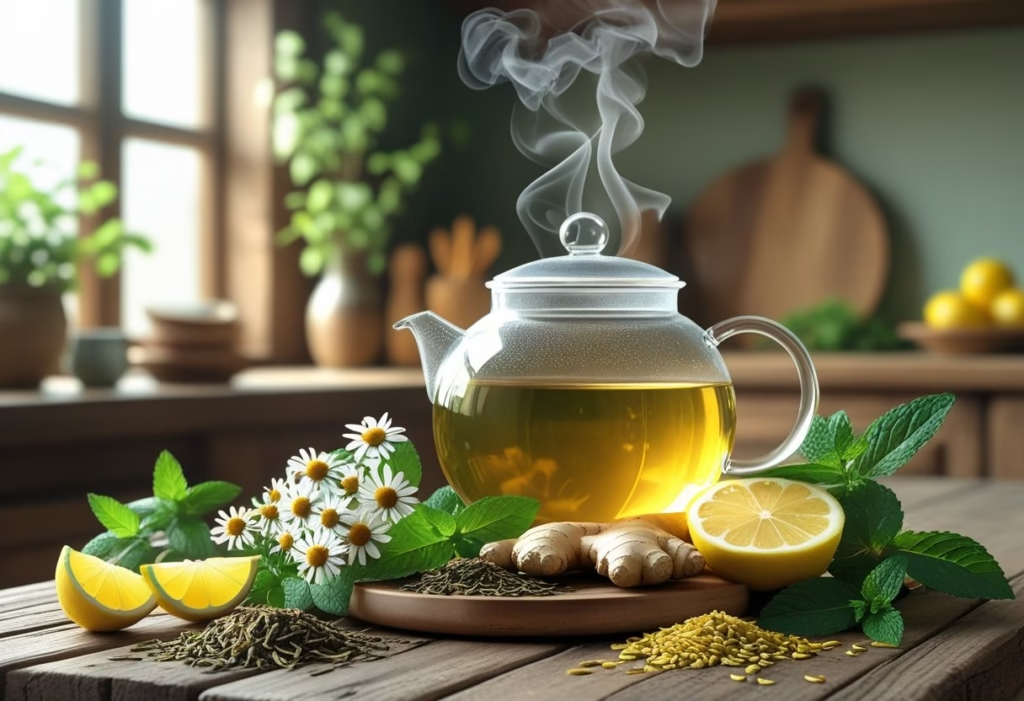
Certain herbal teas can reduce bloating by relaxing intestinal muscles, stimulating digestive juices, and addressing the underlying causes of gas and discomfort. Peppermint tea relaxes the smooth muscles in your digestive tract, while ginger helps move food through your intestines more efficiently. Fennel and chamomile work by reducing inflammation and addressing bacterial imbalances that contribute to bloating. The effectiveness of these teas depends on what’s causing your bloating in the first place.
This article explains which herbal teas target specific digestive issues, why they work at a physiological level, and how to brew them properly for maximum relief. You’ll learn which teas rarely help despite popular claims, common mistakes that reduce their effectiveness, and when persistent bloating signals a need for medical attention. This information is for educational purposes and should not replace professional medical advice, diagnosis, or treatment.
Understanding Stomach Bloating and Digestive Discomfort

Bloating affects approximately 14% of people in the United States and stems from specific physiological causes that herbal teas can address through bioactive compounds that reduce gas, relax digestive muscles, and support bacterial balance.
Common Causes of Bloating
Your stomach bloats when excess gas accumulates in your digestive tract or when food moves too slowly through your intestines. The most frequent culprits include swallowing air while eating too quickly, consuming gas-producing foods like beans and cruciferous vegetables, and food intolerances—particularly lactose and gluten.
Digestive system issues that worsen bloating:
- Imbalanced gut bacteria or small intestinal bacterial overgrowth (SIBO)
- Constipation preventing gas from moving through your system
- Helicobacter pylori infections causing stomach ulcers
- Menstrual cycle hormonal changes affecting digestion
Your symptoms typically worsen after large meals, carbonated beverages, or high-sodium foods that cause water retention. Many people make the mistake of restricting all fiber when bloated, but this actually slows digestion further. Instead, you should gradually increase soluble fiber while staying hydrated.
When to see a doctor: Seek medical attention if bloating persists for more than two weeks, occurs with severe pain, includes unexplained weight loss, or accompanies changes in bowel habits or blood in stool.
How Herbal Teas Relieve Bloating
Herbal teas target bloating through multiple mechanisms that address root causes rather than masking symptoms. The warmth of tea itself stimulates digestive muscle contractions, helping move gas through your intestinal tract more efficiently.
Certain herbs contain carminative properties that prevent gas formation and help expel existing gas. Peppermint and fennel work this way by relaxing the smooth muscles in your digestive tract. Other herbs like ginger accelerate gastric emptying, reducing the time food sits in your stomach fermenting and producing gas.
Bitter herbs such as gentian and wormwood stimulate your body to release digestive enzymes and bile. This enhanced breakdown of food prevents the bacterial fermentation that creates bloating. However, bitter teas rarely help if you already have excess stomach acid or ulcers—they can make these conditions worse.
What usually helps vs. what rarely helps:
- Usually effective: Warm tea between meals, consistent daily consumption
- Rarely effective: Drinking large amounts with meals, expecting immediate results from one cup
Key Bioactive Compounds in Herbal Teas
The effectiveness of herbal teas for digestive health depends on specific compounds that interact with your digestive system. Menthol in peppermint relaxes the lower esophageal sphincter and intestinal muscles while providing antimicrobial effects against problematic gut bacteria.
Primary active compounds:
| Compound | Source | Mechanism |
|---|---|---|
| Menthol | Peppermint | Relaxes smooth muscle, reduces spasms |
| Gingerol | Ginger | Accelerates gastric emptying, anti-inflammatory |
| Anethole | Fennel | Reduces gas formation, antispasmodic |
| Apigenin | Chamomile | Anti-inflammatory, muscle relaxant |
| Rosmarinic acid | Lemon balm | Reduces inflammation, calms digestion |
Bitter compounds called secoiridoids in gentian root trigger your vagus nerve to signal digestive juice production. This preparation phase helps your body process food more completely, reducing the undigested material that gut bacteria ferment into gas.
Medical disclaimer: This information is for educational purposes and does not replace professional medical advice. Consult your healthcare provider before using herbal teas if you’re pregnant, breastfeeding, taking medications, or have existing digestive conditions.
Top Herbal Teas for Bloating Relief

Certain herbal teas contain active compounds that directly address the root causes of bloating by relaxing intestinal muscles, reducing gas production, or stimulating digestive enzymes. These four teas stand out for their specific mechanisms and consistent results in reducing abdominal discomfort.
Ginger Tea: Powerful Digestive Aid
Ginger tea works because gingerol, its primary active compound, accelerates gastric emptying and reduces the time food sits in your stomach fermenting and producing gas. When your stomach empties faster, you’re less likely to experience that uncomfortable fullness that leads to bloating.
Studies show ginger supplements significantly reduce dyspepsia symptoms including excessive fullness, stomach pain, and heartburn. The tea helps move food through your intestinal tract more efficiently, which prevents the bacterial fermentation that creates gas.
You’ll get the best results by steeping fresh ginger root for 5-10 minutes rather than using tea bags. Use a 1-inch piece of peeled, sliced ginger per cup of boiling water.
Common mistake: Drinking ginger tea on a completely empty stomach can cause mild nausea in sensitive individuals. Have it 30 minutes before meals or with a small snack instead.
What rarely helps is using old, dried-out ginger that’s lost its potency. Fresh ginger contains significantly more gingerol.
Peppermint Tea: Natural Antispasmodic
Peppermint tea contains menthol and peppermint oil compounds that act as natural antispasmodics, meaning they relax the smooth muscles lining your digestive tract. This relaxation allows trapped gas to pass more easily and reduces cramping sensations.
The antimicrobial properties in peppermint oil may also address bloating caused by bacterial overgrowth or gut pathogens. If your bloating comes with cramping or spasms, peppermint tea is your best choice.
Steep peppermint tea for 7-10 minutes to extract the beneficial oils. The stronger the brew, the more effective it typically is for bloating relief.
Important consideration: If you have GERD or acid reflux, peppermint can worsen symptoms by relaxing the lower esophageal sphincter. In this case, chamomile or fennel would be better options for you.
Chamomile Tea: Gentle Stomach Soother
Chamomile tea works differently than ginger or peppermint by calming inflammation and reducing gut sensitivity rather than speeding digestion. This makes it particularly effective when bloating is accompanied by discomfort or irritation.
Research suggests chamomile may prevent Helicobacter pylori infections that cause stomach ulcers associated with bloating. It’s also a key ingredient in Iberogast, a digestive supplement shown to decrease abdominal pain.
The mild nature of chamomile tea makes it safe to drink 2-3 cups daily without side effects for most people. It works best when you drink it consistently rather than only when symptoms appear.
What makes symptoms worse: Using chamomile tea that’s been steeped too long can make it bitter and less palatable, reducing how much you actually drink. Steep for just 5 minutes.
Fennel Tea: Gas and Bloating Reliever
Fennel tea made from fennel seeds (Foeniculum vulgare) contains anethole, a compound that reduces gas formation and helps expel trapped gas from your digestive system. This licorice-flavored tea specifically targets flatulence and the stretched, tight feeling from gas buildup.
Recent studies show fennel was as effective as dimethicone (a common anti-gas medication) in reducing flatulence. The seeds also have carminative properties that prevent gas formation in the first place.
Crush 1-2 teaspoons of fennel seeds before steeping to release more anethole. Let it steep for 10 minutes in covered water to prevent the volatile oils from evaporating.
When to see a doctor: If you’re drinking fennel tea regularly but still experience severe bloating with weight loss, blood in stool, or persistent pain, consult a healthcare provider. These symptoms may indicate conditions requiring medical treatment beyond herbal remedies.
Medical Disclaimer: The information provided is for educational purposes only and should not replace professional medical advice. Consult your healthcare provider before using herbal teas if you’re pregnant, breastfeeding, taking medications, or have underlying health conditions.
Additional Herbal Teas for Digestive Support
Beyond the more common options, several lesser-known herbal teas target specific digestive issues through different mechanisms. These teas work by releasing digestive juices, soothing inflamed tissues, or supporting the organs involved in digestion.
Lemon Balm Tea: Calming Digestive Tension
Lemon balm (Melissa officinalis) contains compounds that relax smooth muscle tissue in your digestive tract. When you experience bloating from stress or tension, your intestinal muscles can contract irregularly, trapping gas and slowing movement. This herb addresses that specific problem.
The tea has a mild lemony flavor with subtle mint notes, making it easier to drink regularly than more bitter options. You’ll find lemon balm in Iberogast, a clinically studied digestive supplement, though the individual herb hasn’t been tested alone in human trials for bloating.
What makes it work: The rosmarinic acid and other compounds in lemon balm have antispasmodic effects. This means they stop your gut muscles from cramping unnecessarily.
A common mistake is brewing the tea too weakly. You need at least 1-2 teaspoons of dried leaves per cup and a 10-minute steep time to extract enough active compounds. If you notice no effect after a few days of proper brewing, the issue may not be muscle-related tension.
Licorice Root Tea: Gut Healing Properties
Licorice root contains glycyrrhizin and flavonoids that coat your stomach lining and reduce inflammation. This makes it particularly helpful if your bloating comes with heartburn, stomach pain, or a history of ulcers.
The tea has a naturally sweet taste, but you should not use it long-term without medical guidance. Glycyrrhizin can raise blood pressure and lower potassium levels when consumed regularly for weeks or months.
Deglycyrrhizinated licorice (DGL) supplements remove the problematic compound while keeping the gut-healing properties. However, traditional licorice root tea contains the full compound profile. If you have high blood pressure, heart disease, or kidney problems, skip this option entirely.
What usually helps: Short-term use (1-2 weeks) for acute digestive discomfort. What rarely helps: Daily consumption for general prevention, which can cause more problems than it solves.
Dandelion Tea: Digestive Detoxifier
Dandelion root tea stimulates bile production in your liver. Bile breaks down fats during digestion, and insufficient bile can lead to bloating after fatty meals. If you feel particularly uncomfortable after eating cheese, fried foods, or rich sauces, this may be your issue.
The tea tastes earthy and slightly bitter. You can use either dandelion root tea (stronger effect) or leaf tea (milder). The root version specifically targets bile flow, while the leaves have a gentle diuretic effect that can reduce water retention.
When to use it: After heavy meals or when you feel sluggish digestion. Drink it 30 minutes before eating fatty foods to prepare your digestive system.
When to avoid it: If you have gallstones or bile duct obstruction, dandelion can worsen pain by increasing bile flow against a blockage. See a doctor if you have sharp upper right abdominal pain that worsens after eating.
Wormwood Tea and Digestive Bitters
Wormwood (Artemisia absinthium) is one of the most bitter herbs available. That extreme bitterness is exactly what triggers your digestive system to release stomach acid, bile, and pancreatic enzymes. These secretions are essential for breaking down food properly.
Digestive bitters containing wormwood work through taste receptors on your tongue that signal your gut to prepare for digestion. The effect happens within minutes of tasting the bitter compounds. Swallowing a capsule won’t produce the same result because the tongue contact is necessary.
The tea is intensely bitter and difficult to drink straight. Start with a very weak brew (1/4 teaspoon per cup) and increase gradually. Some people mix it with lemon balm tea to make it more palatable.
Important safety note: Do not use wormwood during pregnancy, as animal studies suggest potential risks. The herb also contains thujone, which can be toxic in very high doses. Stick to moderate amounts (one cup daily maximum) and avoid long-term continuous use beyond 3-4 weeks.
This approach rarely helps if you already produce adequate digestive secretions. It’s most effective for people with low stomach acid or sluggish digestion confirmed by a healthcare provider.
How to Select and Brew Herbal Teas for Maximum Stomach Relief
Proper brewing techniques and quality ingredients determine whether your tea provides genuine relief or merely tastes pleasant. Water temperature, steeping duration, and tea quality affect how much of the active compounds reach your digestive system.
Best Practices for Brewing Herbal Teas
Water temperature matters more than most people realize. Boiling water can destroy delicate volatile oils in peppermint and chamomile that actually calm stomach spasms. Heat your water to 200-208°F (just below boiling) for most herbal teas, then let it cool for 30 seconds after boiling.
Steep your tea for 5-10 minutes to extract beneficial compounds like gingerols and menthol. Shorter steeping times produce weaker concentrations that may not affect your digestion. Covering your cup while steeping prevents essential oils from evaporating.
Common mistakes that reduce effectiveness:
- Using old tea bags stored in humid conditions (compounds degrade within 6-12 months)
- Steeping for only 2-3 minutes (insufficient extraction)
- Adding milk or cream to peppermint or ginger tea (fats can slow gastric emptying and worsen bloating)
Drink your tea 20-30 minutes before meals for gas prevention or immediately after eating for bloating relief. The warmth itself stimulates digestive enzymes and relaxes intestinal muscles.
Choosing Quality Teas and Reputable Brands
Organic certification ensures your tea contains no pesticide residues that can irritate sensitive digestive systems. Look for USDA Organic or EU Organic seals on packaging.
Traditional Medicinals produces pharmaceutical-grade herbal teas with standardized active ingredient levels. Their Gas Relief and Ginger Aid formulas contain verified amounts of carminative compounds. Other reputable brands include Pukka, Yogi Tea, and Gaia Herbs, which third-party test for contaminants.
Quality indicators to check:
- Whole leaves or large pieces (not dust or fannings)
- Harvest date within the past year
- Airtight, opaque packaging
- Specific botanical names listed (e.g., Mentha × piperita rather than just “mint”)
Loose-leaf teas generally contain higher concentrations of active compounds than tea bags. The larger surface area in loose tea releases more beneficial oils during steeping.
Blending Teas for Personalized Relief
Combining teas targets multiple digestive issues simultaneously. Peppermint relaxes intestinal muscles while ginger stimulates motility, making this pairing effective for both cramping and slow digestion.
Start with a 1:1 ratio when blending two teas, then adjust based on your symptoms. If nausea dominates, increase the ginger proportion. For sharp cramps, add more peppermint or chamomile.
Effective combinations for specific symptoms:
| Symptom | Tea Blend | Ratio |
|---|---|---|
| Gas and cramping | Peppermint + Fennel | 2:1 |
| Nausea and bloating | Ginger + Chamomile | 1:1 |
| Indigestion and heartburn | Chamomile + Licorice root | 3:1 |
Avoid combining more than three herbs initially. Complex blends make it difficult to identify which ingredient helps or causes reactions. Add one new tea every 3-4 days to monitor your response.
Medical disclaimer: These recommendations do not replace professional medical advice. Consult your healthcare provider if stomach symptoms persist beyond two weeks, include severe pain, bloody stools, unintended weight loss, or difficulty swallowing.
Incorporating Herbal Teas Into Your Digestive Wellness Routine
The timing of your tea consumption matters more than most people realize, and pairing herbal teas with specific lifestyle habits can significantly improve their effectiveness. Understanding proper dosages and potential interactions ensures you get relief without unwanted side effects.
Optimal Timing and Frequency
Drinking herbal teas 30 minutes before meals works best for bloating prevention because compounds like gingerol in ginger tea stimulate digestive enzyme production when your stomach is relatively empty. After heavy meals, wait 15-20 minutes before drinking peppermint or ginger tea to avoid diluting stomach acid too quickly, which can actually worsen bloating.
For chronic digestive issues, consistency matters more than quantity. Two to three cups daily provides therapeutic benefits without overstimulating your digestive system. Morning consumption of gentiana lutea (gentian root) tea on an empty stomach maximizes its bitter compounds’ ability to trigger bile production, while tulsi tea works better in the evening since it won’t interfere with sleep like green tea would.
A common mistake is drinking tea too hot, which can irritate your esophagus and stomach lining. Let your tea cool to warm (not hot) temperature, around 140-160°F. Cinnamon tea consumed before bed may help relieve constipation by morning, as cinnamon’s compounds stimulate intestinal motility during your body’s natural digestive reset overnight.
If you’re taking ginger supplements or formulas like Iberogast (which contains angelica archangelica and other herbs), space them at least two hours apart from herbal teas to prevent compound interactions that might cause nausea or excessive stomach acid.
Complementary Lifestyle Tips
Herbal teas work significantly better when you’re not gulping them while stressed or distracted. Cortisol directly slows gastric emptying, which is why drinking your tea during a five-minute break—sitting down, breathing slowly—enhances its anti-bloating effects compared to sipping while working.
Avoid combining herbal teas with carbonated water or drinking them through straws, as both introduce excess air into your digestive tract. This contradicts the tea’s purpose and can make bloating worse within 20-30 minutes.
What usually helps: Pairing your tea with a short 10-minute walk after meals increases its effectiveness. Movement helps tea compounds distribute through your digestive system while promoting natural peristalsis. Drinking room-temperature water between tea servings prevents dehydration, which commonly causes the constipation that herbal teas aim to relieve.
What rarely helps: Adding dairy milk to digestive teas often backfires for the 65% of adults with some degree of lactose intolerance. The lactose can trigger the exact bloating you’re trying to prevent. Honey works better as a mild sweetener that won’t disrupt digestion.
Temperature consistency matters too. Alternating between hot tea and cold beverages shocks your digestive system and can trigger cramping in sensitive individuals.
Precautions and Safety Considerations
Medical disclaimer: This information is educational and not a substitute for professional medical advice. Consult your healthcare provider before using herbal teas if you have medical conditions or take medications.
Some herbal teas protect against ulcers, but others worsen them. Licorice root and chamomile create a protective mucous layer, while high doses of green tea (more than 5 cups daily) can increase stomach acid enough to irritate existing ulcers. If you have active ulcers, avoid peppermint tea entirely—it relaxes the lower esophageal sphincter and allows acid reflux.
When to see a doctor: Persistent bloating lasting more than two weeks despite tea consumption, blood in stool, unintended weight loss, or severe abdominal pain require medical evaluation. These symptoms can indicate conditions like SIBO, IBS, or inflammatory bowel disease that need proper diagnosis.
Pregnant women should avoid angelica archangelica and high doses of ginger (more than 1 gram daily), as both can stimulate uterine contractions. People on blood thinners must limit green tea and ginger tea to one cup daily since their anticoagulant properties can enhance medication effects dangerously.
Common medication interactions:
| Herbal Tea | Interacts With | Why It Matters |
|---|---|---|
| Green tea | Iron supplements, blood thinners | Blocks iron absorption; increases bleeding risk |
| Ginger tea | Diabetes medications | May lower blood sugar too much |
| Licorice root | Blood pressure medications | Can raise blood pressure significantly |
| Peppermint tea | Acid reflux medications | May counteract their protective effects |
Starting with half the recommended dose helps you identify sensitivities before they become problems. Some people experience headaches from fennel tea or diarrhea from senna-containing blends when they start with full-strength servings.