Probiotics are widely promoted for gut health, but they don’t work well for everyone. While many people experience benefits, others develop uncomfortable symptoms or see no improvement at all. If you notice persistent digestive discomfort, headaches, brain fog, or worsening symptoms after starting probiotics, these may be signs that your current probiotic isn’t right for you.

Your body’s response to probiotics depends on multiple factors, including your existing gut bacteria composition, the specific strains you’re taking, and any underlying health conditions. Some people are sensitive to certain bacterial strains or compounds produced during fermentation, which can trigger negative reactions instead of improvements. The absence of benefits after several weeks can also indicate a poor match between the probiotic and your individual needs.
Understanding when probiotics aren’t working—or when they’re causing harm—helps you make informed decisions about your gut health approach. This article examines the warning signs that suggest probiotics may not be suitable for you, explains why these reactions occur, and outlines what steps to take if you’re experiencing negative effects.
Identifying Negative Responses to Probiotics
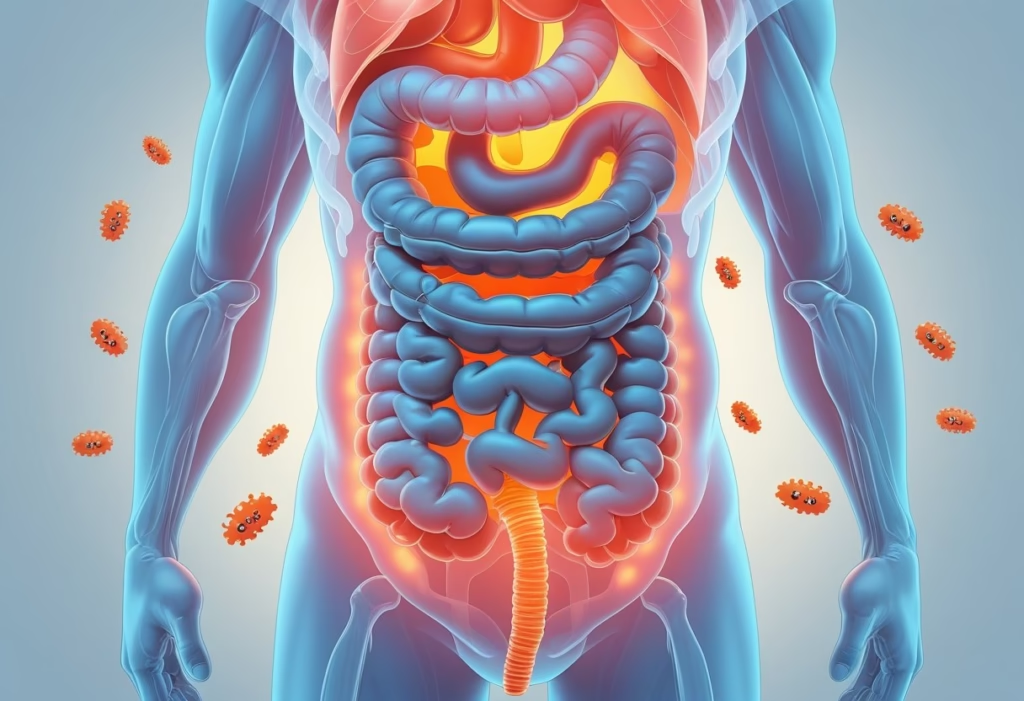
Probiotics can trigger adverse reactions that signal they’re causing harm rather than benefit. These negative responses typically manifest as digestive symptoms that either persist beyond the initial adjustment period or worsen over time.
Persistent or Worsening Digestive Issues
Your body typically needs 1-2 weeks to adjust to probiotics, but symptoms that continue past 4 weeks indicate a problem. If you started probiotics to address specific digestive issues and notice no improvement or a decline in your condition, the bacterial strains may be incompatible with your gut microbiome.
Some individuals with irritable bowel syndrome or SIBO (small intestinal bacterial overgrowth) experience heightened symptoms when taking probiotics. The additional bacteria can exacerbate existing imbalances rather than correct them. Research indicates that certain probiotic strains may increase bacterial overgrowth in the small intestine, particularly in people with compromised gut motility.
When digestive problems intensify after starting probiotics, this represents your body’s clear signal of incompatibility. The specific strains, dosage, or formulation may not align with your individual microbiome needs.
Increased Bloating and Gas
Bloating and gas that extends beyond an initial 1-2 week period suggests your gut is reacting poorly to the probiotics. While mild gas is common during the first few days as your microbiome adjusts, ongoing or severe symptoms point to fermentation issues in your digestive tract.
The bacteria in probiotics produce gases as they metabolize carbohydrates and other compounds. If these gases accumulate excessively, you’ll experience uncomfortable distention and pressure in your abdomen. This occurs when the probiotic strains promote fermentation patterns that your system cannot efficiently process or eliminate.
People with conditions like SIBO or fructose malabsorption are particularly susceptible to these reactions. The additional bacterial load from supplements can overwhelm an already compromised system, leading to excessive gas production that causes significant discomfort.
Irregular Bowel Movements
Probiotics should gradually improve bowel movements and stool consistency, not disrupt them. If you develop diarrhea or constipation after starting supplementation, or if existing irregularities worsen, the probiotics are likely causing harm.
Diarrhea from probiotics typically results from an inflammatory response or an overgrowth of specific bacterial strains that accelerate gut motility. Your intestines may be reacting to the introduced bacteria as foreign substances, triggering increased fluid secretion and rapid transit times.
Constipation can occur when probiotics alter the balance of your gut microbiome in ways that slow digestive movement. Certain strains affect neurotransmitter production and gut muscle contractions, potentially reducing motility rather than enhancing it. Changes in stool consistency—whether consistently loose or hard—indicate that the probiotics are negatively impacting your digestive function.
Abdominal Pain and Discomfort
Abdominal pain that develops or intensifies after starting probiotics requires immediate attention. This symptom suggests inflammation, bacterial imbalance, or an adverse immune response in your digestive tract.
Sharp, cramping, or persistent pain indicates that the introduced bacteria are causing irritation to your intestinal lining. This can happen when probiotic strains trigger an immune reaction or when they produce metabolic byproducts that inflame sensitive tissues. The pain may localize to specific areas or present as generalized discomfort throughout your abdomen.
If you have underlying conditions like inflammatory bowel disease or a compromised immune system, probiotics can provoke more severe reactions. The pain may accompany other symptoms like nausea, fever, or changes in appetite. Any significant or ongoing abdominal pain warrants discontinuation of the supplement and consultation with a healthcare provider to rule out serious complications.
Non-Digestive Signs Probiotics Are Not a Fit
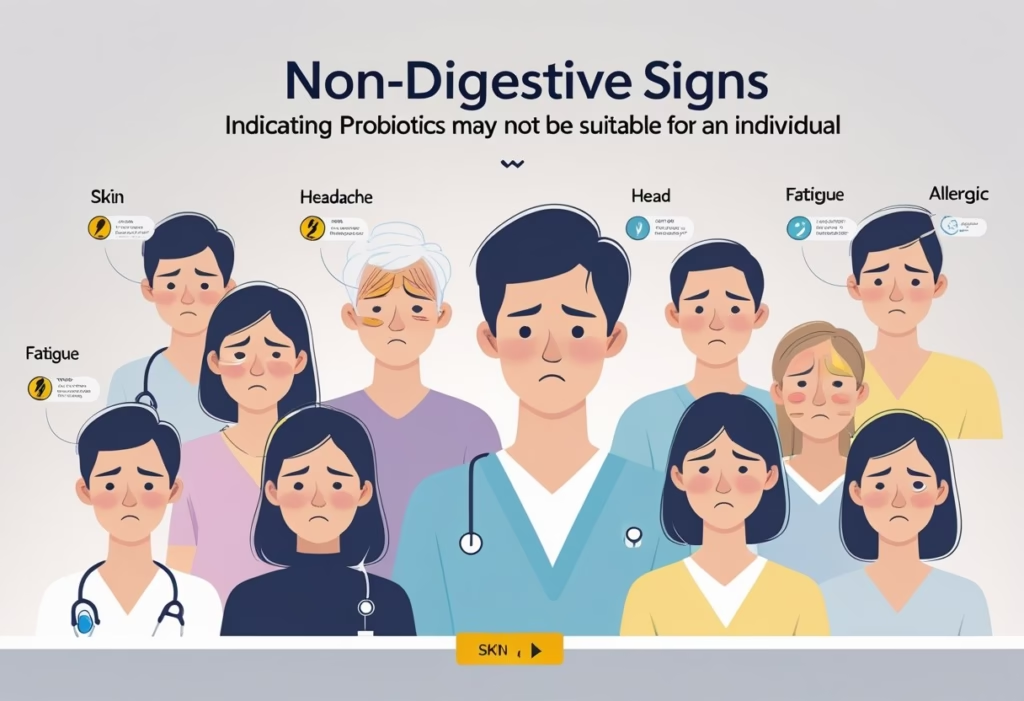
While probiotics influence gut health, they also affect systems throughout your body through pathways like the gut-brain axis and gut-skin axis. Negative changes in mood, skin condition, sleep patterns, or energy levels may indicate your current probiotic isn’t suitable for you.
Mood Changes and Mental Health Concerns
The gut-brain axis creates direct communication between your digestive system and brain through neural pathways, immune signaling, and bacterial metabolites. When you introduce the wrong probiotic strains, this connection can work against you rather than for you.
You might notice increased anxiety, heightened irritability, or mood swings that weren’t present before starting supplementation. Some people report feeling unusually low or experiencing symptoms resembling depression within days or weeks of beginning a new probiotic. These aren’t just coincidental mood fluctuations.
Research shows that specific bacterial strains influence neurotransmitter production, including serotonin and GABA. If a probiotic creates an unfavorable shift in your gut bacteria composition, it can disrupt the balance of these mood-regulating chemicals. Brain fog or reduced mental clarity alongside mood changes strengthens the likelihood that your probiotic isn’t right for you.
Stop taking the supplement if you experience persistent negative mental health changes. While some adjustment symptoms are normal in the first few days, mood deterioration lasting beyond two weeks requires attention.
Skin Reactions
The gut-skin axis explains why digestive bacteria influence skin health through immune responses and inflammatory pathways. When probiotics don’t suit your system, your skin often signals the problem before other symptoms appear.
Watch for new or worsening acne, particularly if you don’t typically experience breakouts. Some people develop rashes, hives, or eczema flare-ups shortly after starting probiotics. Increased skin sensitivity, redness, or inflammation that coincides with supplementation suggests an adverse reaction.
These skin changes occur because unsuitable probiotic strains can trigger inflammatory responses or produce metabolites that don’t agree with your body chemistry. If you have histamine sensitivity, certain bacterial strains like Lactobacillus casei or Lactobacillus reuteri may worsen skin conditions by increasing histamine production. Your skin might appear duller or more congested rather than showing the improved skin health some probiotics promise.
Document when skin changes begin and whether they improve after stopping supplementation. True probiotic-related skin reactions should resolve within one to three weeks of discontinuation.
Sleep Disturbances
Quality sleep depends partly on gut bacteria producing sleep-regulating compounds and neurotransmitters. The wrong probiotic can interfere with these processes rather than support them.
You might experience difficulty falling asleep, frequent nighttime waking, or unusually restless sleep after starting supplementation. Some people report vivid dreams or nightmares connected to probiotic use. Instead of improved sleep, you may feel less rested despite spending adequate time in bed.
Certain probiotic strains affect melatonin production and circadian rhythm regulation through the gut-brain axis. If your supplement contains strains that overstimulate neurotransmitter activity or create inflammatory responses, sleep quality suffers. Timing matters too—taking probiotics close to bedtime may worsen sleep issues for some individuals.
Track your sleep patterns for at least two weeks after starting probiotics. Consistent sleep disturbances that began with supplementation and persist beyond an initial adjustment period indicate incompatibility.
Unusual Fatigue or Energy Shifts
While some people experience increased energy from the right probiotics, unsuitable strains can cause the opposite effect. Your body expends resources managing bacteria that don’t integrate well with your existing microbiome.
Persistent tiredness despite adequate rest suggests your system is struggling with the probiotic. You might feel physically drained, experience afternoon energy crashes, or notice reduced stamina for normal activities. This fatigue differs from typical tiredness—it often feels systemic and unrefreshing.
The metabolic activity of incompatible bacterial strains can trigger low-grade inflammation or immune activation, both of which drain energy reserves. Some probiotics may also interfere with nutrient absorption if they disrupt your existing gut balance rather than support it. Paradoxically, a probiotic meant to boost your vitality instead leaves you feeling depleted.
Energy problems should improve within three to four weeks if they’re part of normal adjustment. Fatigue extending beyond this timeframe or worsening over time indicates the probiotic isn’t appropriate for your needs.
Potential Risks and Contraindications
Probiotics carry specific risks for individuals with certain medical conditions, weakened immunity, or susceptibility to infections and allergic responses. Understanding these contraindications helps you determine whether probiotic supplements might cause harm rather than benefit.
Pre-Existing Health Conditions
Certain digestive conditions make probiotic use potentially dangerous. If you have severe acute pancreatitis, research shows that probiotics can significantly increase mortality rates compared to placebo. The mechanism involves bacterial translocation, where probiotic strains cross compromised intestinal barriers and enter the bloodstream.
Individuals with short bowel syndrome or structural heart abnormalities face elevated infection risks. Your gut microbiota balance is already disrupted in short bowel syndrome, and introducing additional bacteria through supplements can overwhelm your system’s regulatory capacity.
Those with small intestinal bacterial overgrowth (SIBO) may experience worsening symptoms. Adding more bacteria to an already overpopulated small intestine intensifies bloating, gas, and abdominal discomfort. Your microbiota composition matters more than simply adding more microorganisms.
If you’re hospitalized or critically ill, probiotic supplements should be avoided unless specifically prescribed. The stress on your body during severe illness compromises normal protective barriers.
Weakened Immune System
Your immune system normally controls where bacteria reside in your body. When immunity is compromised, this control diminishes. Probiotic bacteria that would typically remain in your gut can migrate to other tissues and organs.
People undergoing chemotherapy, taking immunosuppressive medications, or living with HIV/AIDS should exercise extreme caution. The same bacterial strains marketed as beneficial can become opportunistic pathogens when your immune defenses are down.
Transplant recipients taking anti-rejection drugs face particular vulnerability. Your medication deliberately suppresses immune responses, creating an environment where even “friendly” bacteria from probiotic supplements can establish infections in unexpected locations.
Risk of Infection
Probiotics can cause bloodstream infections (bacteremia) in vulnerable populations. Premature infants, patients with central venous catheters, and those with damaged intestinal linings face the highest risk. The bacteria from supplements can enter circulation through compromised barriers.
Lactobacillus and Bifidobacterium species, common in probiotic products, have been isolated from patients with endocarditis and bacteremia. While rare in healthy individuals, these infections occur more frequently when gut permeability increases or immune surveillance fails.
If you have an indwelling medical device like a heart valve replacement or joint prosthesis, bacteria can colonize these foreign materials. Your body struggles to clear infections from artificial surfaces, making prevention critical.
Allergic Reactions
Probiotic supplements often contain ingredients beyond the bacterial strains themselves. You might react to dairy proteins, soy, gluten, or other carriers used in manufacturing. Check labels carefully if you have known food allergies.
Some individuals experience histamine intolerance reactions because certain probiotic strains produce histamine during fermentation. This manifests as headaches, skin flushing, digestive upset, or respiratory symptoms shortly after taking supplements.
While probiotics are sometimes recommended for bacterial vaginosis and vaginal infections, they can occasionally trigger vaginal irritation or allergic responses. The delivery method and specific strains matter considerably for safety in these applications.
Factors Influencing Probiotic Compatibility
Probiotic effectiveness depends on the unique composition of your existing gut microbiome, the specific strains and dosages you consume, your daily habits, and any medications you take. These variables explain why probiotics work well for some people but produce no benefits or adverse effects in others.
Individual Microbiome Differences
Your gut microbiome contains trillions of microorganisms in ratios unique to you. This existing microbial community determines how incoming probiotic bacteria will behave once they reach your digestive system.
When you introduce probiotics, they must compete with your established gut bacteria for nutrients and attachment sites along the intestinal wall. If your microbiome already contains abundant beneficial bacteria similar to the probiotic strains you’re taking, you may notice minimal changes. Conversely, if your gut environment lacks specific bacterial families, the same probiotic might colonize more effectively.
Your microbiome composition also affects which metabolites probiotics produce. Research shows that identical probiotic strains can generate different byproducts depending on what other bacteria are present. This explains why one person experiences relief from bloating while another develops increased gas from the same product.
Factors like your birth method, childhood exposures, geographic location, and medical history have shaped your gut microbiome since infancy. This personalized bacterial fingerprint means a probiotic supplement that resolves digestive issues for your friend might be incompatible with your system.
Probiotic Strains and CFU Count
Different probiotic strains serve distinct functions in your body. Lactobacillus rhamnosus GG has been studied for antibiotic-associated diarrhea, while Bifidobacterium longum shows promise for anxiety-related symptoms. Taking the wrong strain for your specific health concern produces no meaningful results.
The CFU count, or colony forming units, indicates how many live microorganisms each dose contains. Most clinical studies use probiotics with 1 billion to 10 billion CFU per serving. Products with insufficient CFU counts won’t deliver enough bacteria to influence your gut microbiome.
A multi-strain probiotic contains several bacterial species, which can be beneficial when you need broad-spectrum support. However, some strains may compete with each other or work against your goals. Single-strain probiotics offer more targeted effects but address fewer concerns.
The viability of probiotic bacteria matters just as much as the listed CFU count. Poor manufacturing, improper storage, or delayed shipping can kill these live organisms before they reach you. Third-party testing verifies that products actually contain the strains and quantities stated on the label.
Diet and Lifestyle
Your probiotic regimen depends heavily on what you eat daily. Probiotics feed on prebiotics—types of fiber found in foods like onions, garlic, bananas, and whole grains. Without adequate prebiotic fiber, beneficial bacteria struggle to survive and multiply in your gut.
A diet high in processed foods, added sugars, and artificial sweeteners can prevent probiotics from establishing themselves. These substances often promote the growth of harmful bacteria that outcompete the beneficial strains you’re introducing. Your dietary choices essentially determine the terrain where probiotics must function.
Stress, sleep quality, and physical activity also influence gut microbiome composition. Chronic stress alters gut motility and immune function, creating an environment where probiotics may not thrive. Poor sleep disrupts the circadian rhythms that regulate bacterial populations throughout your digestive tract.
Hydration affects how well probiotics move through your system and interact with intestinal cells. Dehydration can concentrate digestive contents, potentially overwhelming sensitive bacterial strains before they reach the colon where they’re most beneficial.
Antibiotic Use and Interactions
Antibiotics kill bacteria indiscriminately, eliminating both harmful pathogens and beneficial probiotic strains. If you take probiotics during or immediately after antibiotic treatment, the medication may destroy them before they can colonize your gut. Timing matters significantly—spacing probiotics several hours apart from antibiotics increases survival rates.
Some antibiotics cause more severe microbiome disruption than others. Broad-spectrum antibiotics affect a wider range of bacterial species, making recovery more difficult. The duration and frequency of antibiotic courses also determine how thoroughly your gut microbiome is depleted.
Certain medications beyond antibiotics interact with probiotic effectiveness. Immunosuppressants may prevent your body from properly regulating gut bacteria. Proton pump inhibitors reduce stomach acid, which can allow probiotics to survive passage through the stomach but may also permit harmful bacteria to thrive.
Taking probiotics specifically to prevent antibiotic-associated diarrhea requires careful strain selection. Saccharomyces boulardii, a probiotic yeast, resists antibiotic destruction because these medications target bacteria rather than fungi. This makes it particularly useful during active antibiotic treatment.
What to Do If Probiotics Aren’t Right for You
When probiotics cause persistent discomfort or fail to improve your symptoms after several weeks, you have several evidence-based options to support your digestive health. Professional guidance can help identify underlying issues, while dietary adjustments and body awareness provide alternative pathways to gut wellness.
Consulting a Healthcare Professional
If you’ve taken probiotics consistently for 8-12 weeks without improvement or experienced worsening symptoms, schedule an appointment with a gastroenterologist or registered dietitian. These specialists can order comprehensive stool testing to identify specific bacterial imbalances, inflammation markers, or underlying conditions like small intestinal bacterial overgrowth (SIBO) that may explain why standard probiotics aren’t helping.
Your healthcare provider might recommend trying different strains tailored to your specific condition. For example, certain digestive disorders respond better to particular bacterial strains that general-purpose supplements don’t include.
Blood tests can reveal nutrient deficiencies or food sensitivities that contribute to gut dysfunction independent of your microbiome composition. Sometimes what appears to be a probiotic issue actually stems from lactose intolerance, celiac disease, or inflammatory bowel conditions that require different treatment approaches. A medical professional can also assess whether medications you’re taking might interfere with probiotic effectiveness or whether you need to address other health factors first.
Alternative Approaches to Gut Health
Prebiotics offer a different strategy by feeding the beneficial bacteria already living in your gut rather than introducing new strains. Your existing microbiome may respond better to this nourishment approach than to external bacterial supplementation.
Include these prebiotic foods in your daily diet:
- Asparagus contains inulin that feeds Bifidobacteria
- Garlic and leeks provide fructooligosaccharides for gut bacteria
- Whole grains like oats and barley supply resistant starch
- Onions, bananas, and Jerusalem artichokes add diverse prebiotic fibers
Fermented foods naturally contain live cultures without the concentrated doses found in supplements. Yogurt with live active cultures, kimchi, sauerkraut, kefir, and kombucha introduce bacteria gradually alongside enzymes and other compounds that support digestion. This whole-food approach often proves gentler for people who react poorly to isolated probiotic strains.
Research shows that combining prebiotic and fermented foods creates a synergistic effect that supports microbial diversity better than either approach alone.
Listening to Your Body for Guidance
Track your symptoms daily in a journal to identify patterns between what you eat and how you feel. Note bloating intensity, bowel movement frequency, energy levels, and mood changes. This concrete data helps you and your healthcare provider make informed decisions about your gut health strategy.
Your body provides clear signals about what works. Increased energy, reduced digestive discomfort, and stable mood suggest your current approach supports your gut health. Persistent symptoms like excessive gas, cramping, diarrhea, or constipation indicate the need for a different strategy.
Listen to your body rather than forcing a protocol that causes distress. Some people naturally maintain healthy gut function through diet alone without needing supplemental probiotics. Others discover their gut issues stem from stress, sleep deprivation, or medication side effects rather than bacterial imbalances. Give dietary changes at least 4-6 weeks before evaluating effectiveness, as gut flora shifts gradually.