
The ketogenic diet can make your gas worse, primarily due to shifts in gut bacteria, increased consumption of certain high-fat and cruciferous foods, and changes in how your digestive system processes nutrients during the adaptation period. This uncomfortable side effect catches many people off guard when they start eating low-carb. Your digestive system undergoes significant changes when switching from a carbohydrate-based metabolism to one that relies on fat for fuel, and these changes often manifest as increased gas, bloating, and abdominal discomfort.
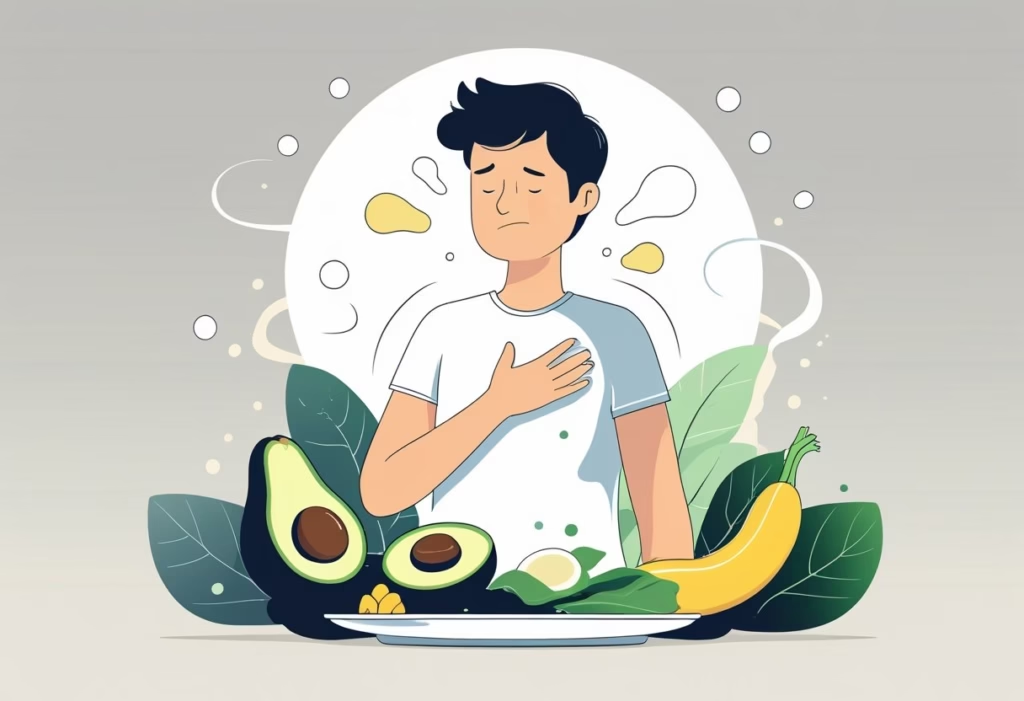
The good news is that keto-related gas is usually manageable and often temporary. Understanding the specific mechanisms behind your symptoms makes a real difference in finding relief. The causes range from how your body digests fat to the types of vegetables you’re eating, the artificial sweeteners in your protein bars, and even the speed at which you transitioned to the diet. Each factor affects your digestive system differently, and identifying your particular triggers is key to reducing discomfort.
This article examines the biological reasons behind keto-induced gas, explores which foods and ingredients tend to cause the most problems, and provides targeted strategies based on what actually works. You’ll learn when digestive issues signal a need for dietary adjustments versus when they might indicate an underlying condition requiring medical attention. The goal is to help you navigate the keto diet while minimizing digestive discomfort and maximizing your chances of long-term success.
Understanding Gas and Bloating on Keto
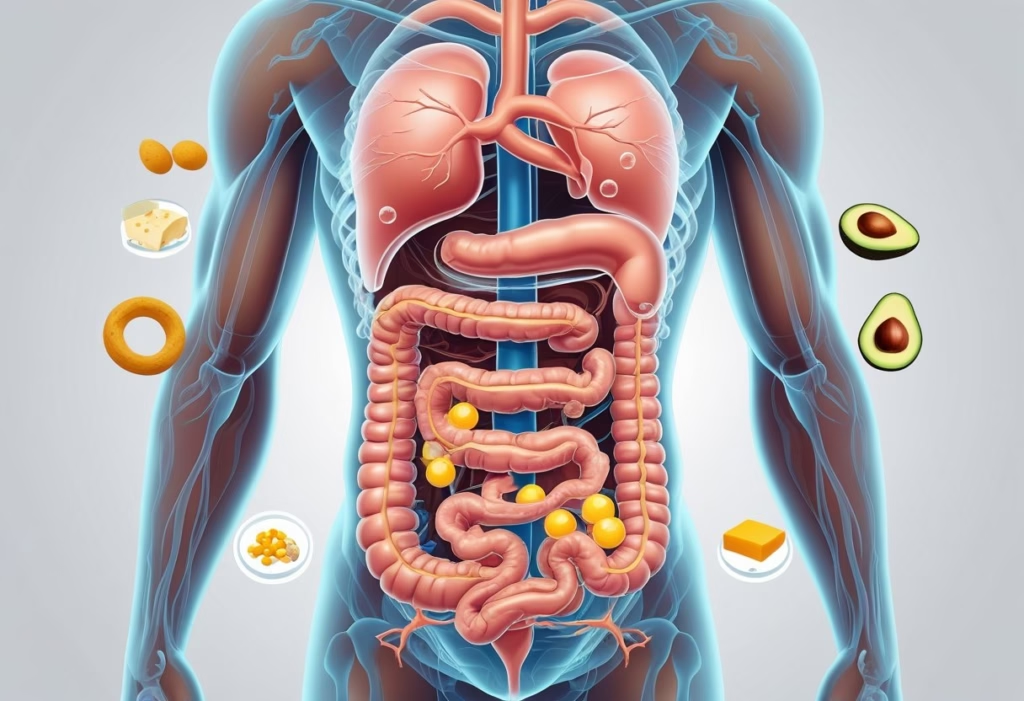
When you transition to a ketogenic diet, your digestive system undergoes significant changes that frequently trigger gas and bloating during the first few weeks. These symptoms stem from alterations in how your body processes food, shifts in your gut bacteria composition, and the sudden increase in dietary fat your system must handle.
How the Ketogenic Diet Alters Digestion
Your digestive system adapts to whatever fuel source you regularly consume. When you switch to a high-fat diet, your gallbladder and pancreas must ramp up bile and lipase production to break down the increased fat intake. This adjustment period often causes temporary digestive distress.
The ketogenic diet triggers a diuretic effect as your body depletes glycogen stores. Each gram of glycogen binds to approximately 3 grams of water, so you lose significant water weight initially. This dehydration slows intestinal motility and contributes to constipation, which then causes gas buildup and bloating.
Common digestive mistakes on keto include:
- Eating 70-80% of calories from fat immediately instead of gradually increasing
- Consuming excessive amounts of cheese and other dairy products
- Relying heavily on sugar alcohols in keto-branded products
- Reducing fiber intake below 14 grams per 1,000 calories consumed
Fat digestion requires more time than carbohydrate digestion. If you’re not producing adequate bile or digestive enzymes yet, undigested fats can reach your colon where bacteria ferment them, producing hydrogen and methane gases that cause bloating and flatulence.
The Microbiome Shift During Keto Adaptation
Your gut contains trillions of bacteria that have evolved to digest your typical diet. When you drastically reduce carbohydrates, the bacterial species that thrive on fiber and starches die off while fat-metabolizing species multiply. This transition creates temporary imbalances.
The microbiome shift typically occurs within 24-48 hours of changing your diet, but full adaptation takes 3-4 weeks. During this period, bacterial die-off releases endotoxins that trigger inflammation and gas production. You may notice changes in stool consistency, increased flatulence, and abdominal cramping.
Many people eliminate whole grains, legumes, and starchy vegetables that contain prebiotics. These compounds feed beneficial bacteria like Bifidobacterium and Lactobacillus. Without adequate prebiotics from low-carb vegetables, your gut bacteria diversity decreases, which correlates with increased digestive symptoms.
What usually helps: Consuming fermented foods like sauerkraut, kimchi, and full-fat Greek yogurt (if tolerated) provides probiotics that ease the transition.
What rarely helps: Taking random probiotic supplements without knowing which bacterial strains you need.
Comparison: Gas on Keto Versus Other Diets
Gas patterns differ significantly between dietary approaches. High-carb diets rich in beans, whole grains, and cruciferous vegetables produce gas from bacterial fermentation of complex carbohydrates and fiber. This gas typically contains more hydrogen and carbon dioxide.
Keto gas often smells worse because it results from protein and fat fermentation rather than carbohydrate fermentation. When protein reaches the colon undigested, bacteria produce sulfur compounds like hydrogen sulfide and methanethiol, creating a distinctly unpleasant odor.
| Diet Type | Primary Gas Source | Typical Duration | Gas Characteristics |
|---|---|---|---|
| Ketogenic diet | Fat malabsorption, protein fermentation | 2-4 weeks during adaptation | Sulfurous odor, moderate volume |
| High-fiber diet | Carbohydrate fermentation | Ongoing but manageable | Less odor, higher volume |
| Standard American diet | Processed foods, dairy, gluten | Variable | Mixed characteristics |
People switching from standard diets to keto often experience worse initial symptoms than those transitioning from low-carb diets. The dramatic reduction in fiber combined with fat increase creates a perfect storm for digestive discomfort.
When to see a doctor: Seek medical attention if you experience severe abdominal pain, bloody stools, unintentional weight loss beyond expected keto results, or gas and bloating persisting beyond 6 weeks. These symptoms may indicate gallbladder dysfunction, small intestinal bacterial overgrowth (SIBO), or pancreatic insufficiency requiring medical evaluation.
Medical Disclaimer: This information is for educational purposes and does not constitute medical advice. Consult your healthcare provider before making significant dietary changes, especially if you have pre-existing digestive conditions, gallbladder disease, or pancreatic disorders.
Primary Causes of Increased Gas on the Keto Diet

Gas production typically increases when your digestive system encounters sudden dietary changes, particularly shifts in fiber intake, fat consumption, and sweetener choices that your gut bacteria must adapt to process.
Sudden Uptick in Dietary Fiber
When you start keto, you might dramatically increase your consumption of non-starchy vegetables to replace carbohydrate-heavy foods. Your digestive system needs time to produce adequate enzymes to break down these plant fibers.
Vegetables like broccoli, cauliflower, and Brussels sprouts contain complex carbohydrates that your gut bacteria ferment, producing gas as a byproduct. This fermentation process intensifies when your microbiome hasn’t adapted to processing large quantities of these foods.
The timeline matters: Most people experience peak gas symptoms within the first 1-2 weeks of dramatically increasing vegetable intake. Your body typically adjusts within 3-4 weeks as enzyme production increases.
You’re more likely to experience severe bloating if you jump from eating 1-2 cups of vegetables daily to the recommended 7-10 cups immediately. The fiber shock overwhelms your digestive capacity.
Gut Microbiome Adjustments
Your gut bacteria population changes substantially when you switch from a high-carb to high-fat diet. The bacterial strains that thrived on glucose must die off while fat-metabolizing bacteria proliferate.
This transition period creates an imbalanced microbiome that produces excess gas. Different bacterial species generate varying amounts of hydrogen, methane, and hydrogen sulfide gases during their metabolic processes.
What makes it worse: Taking antibiotics or having pre-existing gut health issues before starting keto extends this adjustment period. Some people experience microbiome-related gas for 4-6 weeks instead of the typical 2-3 weeks.
The die-off of sugar-loving bacteria releases endotoxins that can temporarily increase inflammation and digestive discomfort. This phenomenon, sometimes called “keto flu,” includes gas and bloating among other symptoms.
Sugar Alcohol Consumption
Many keto dieters consume products containing erythritol, xylitol, or sorbitol to satisfy sweet cravings without breaking ketosis. These compounds pass through your small intestine largely undigested.
When sugar alcohols reach your colon, bacteria ferment them aggressively, producing significant gas. Erythritol causes the least digestive distress because 90% absorbs before reaching the colon, while sorbitol and xylitol commonly trigger symptoms at doses above 10-15 grams.
Individual tolerance varies substantially. Some people experience severe bloating from just 5 grams of xylitol, while others tolerate 20 grams of erythritol without issues.
Better alternatives: Monk fruit and stevia don’t ferment in your gut because they’re absorbed or pass through without bacterial interaction. Switching to these sweeteners eliminates this gas source entirely.
Insufficient Bile and Digestive Enzymes
Your liver and gallbladder must dramatically increase bile production to emulsify the high fat content of keto meals. If bile output doesn’t match your fat intake, undigested fats reach your colon where bacteria break them down, creating foul-smelling gas.
Signs of insufficient bile: Pale or floating stools, right-sided abdominal discomfort after fatty meals, and persistent bloating despite other dietary adjustments indicate inadequate bile flow.
Your pancreas must also upregulate lipase and protease enzyme production to handle increased fat and protein. This adaptation takes 2-4 weeks in most people but can take longer if you have existing pancreatic insufficiency or low stomach acid.
People without gallbladders or with chronic digestive conditions face more severe challenges. They often need supplemental ox bile or digestive enzymes to prevent gas and bloating from fat malabsorption.
When to consult a doctor: Persistent symptoms beyond 6 weeks, especially with changes in stool color or consistency, warrant medical evaluation to rule out gallbladder dysfunction or pancreatic issues.
Sugar Alcohols and Artificial Sweeteners: Triggers for Digestive Issues
Many keto dieters replace sugar with sweeteners that their digestive system can’t fully process, leading to fermentation in the gut and increased gas production. The type and amount of sweetener you consume directly determines whether you’ll experience mild discomfort or spend hours dealing with bloating and cramping.
Common Keto Sweeteners and Their Effects
Sugar alcohols are the most prevalent sweeteners in keto products, but they vary significantly in how your body handles them. Erythritol absorbs at about 90% in your small intestine, which means only a small amount reaches your colon to cause fermentation. Most people tolerate up to 50 grams daily without issues.
Xylitol absorbs at roughly 50%, making it more likely to trigger symptoms than erythritol. You’ll find it in sugar-free gum and mints, where even small amounts (10-15 grams) can cause gas for sensitive individuals.
Sorbitol and maltitol are notorious for digestive problems because they’re only 25-50% absorbed. Products sweetened with these trigger gas, bloating, and diarrhea at doses as low as 10 grams. Check protein bars and “keto-friendly” chocolates carefully—maltitol is a common ingredient that manufacturers use because it’s cheap, not because it’s gentle on your gut.
Monk fruit and stevia are different from sugar alcohols. They’re non-nutritive sweeteners that don’t ferment in your colon, so they rarely cause gas on their own. However, many commercial blends combine these with erythritol or other bulking agents.
How Sugar Alcohols Cause Gas and Bloating
When you eat sugar alcohols, your small intestine only partially absorbs them. The unabsorbed portion travels to your colon, where gut bacteria ferment it as their food source. This fermentation produces hydrogen, methane, and carbon dioxide gases that accumulate in your intestines.
The more poorly absorbed the sugar alcohol, the more gas your gut bacteria produce. Sorbitol and maltitol create significantly more fermentation than erythritol because larger amounts reach your colon intact.
Your symptoms worsen when you consume multiple products containing sugar alcohols throughout the day. A protein bar at breakfast, sugar-free candy at lunch, and a keto dessert at dinner can easily put you over your tolerance threshold even if each item alone wouldn’t cause problems. This stacking effect is one of the most common mistakes people make.
Water intake matters because sugar alcohols draw fluid into your intestines through osmosis. If you’re dehydrated, this effect intensifies, leading to cramping and loose stools alongside gas. Drinking adequate water helps, but it won’t eliminate symptoms if you’ve exceeded your tolerance level.
Choosing Better Alternatives for Digestive Comfort
Erythritol remains your safest sugar alcohol option if you want to minimize gas and bloating. Start with small amounts (10-15 grams) and increase gradually over several weeks to assess your personal tolerance. Some people handle 50 grams daily without issues, while others experience symptoms at 20 grams.
Monk fruit and stevia blends without added sugar alcohols work well for sweetening beverages and recipes where you don’t need bulk. Pure versions of these sweeteners contain zero fermentable compounds, making them ideal if you’re particularly sensitive.
Avoid products listing maltitol, sorbitol, or mannitol in the first few ingredients. These sugar alcohols cause the most severe digestive issues and provide no advantage over better-tolerated options. Many “keto-friendly” products use them solely to cut costs.
Read labels on every packaged keto product you buy. Manufacturers often combine multiple sugar alcohols in a single item, and the cumulative effect triggers symptoms even if individual amounts seem small. Track your daily intake across all foods to identify your personal threshold.
If you’re experiencing persistent gas despite limiting sugar alcohols to small amounts of erythritol, the sweeteners might not be your primary issue. Consider consulting a gastroenterologist to rule out conditions like small intestinal bacterial overgrowth (SIBO) or irritable bowel syndrome (IBS), which keto dietary changes can sometimes unmask rather than cause.
Medical Disclaimer: This information is for educational purposes and should not replace professional medical advice. Consult your healthcare provider before making significant dietary changes or if you experience severe or persistent digestive symptoms.
Strategies to Minimize Keto-Related Gas and Bloating
Managing gas and bloating on keto requires addressing specific triggers like rapid dietary changes, insufficient digestive support, and electrolyte imbalances. These adjustments target the underlying causes rather than just masking symptoms.
Gradual Introduction of Fiber and Vegetables
Suddenly increasing non-starchy vegetables like broccoli, cauliflower, and Brussels sprouts overwhelms your digestive system because these foods contain fermentable fibers that gut bacteria break down into gas. Your microbiome needs time to adjust to processing higher amounts of these compounds.
Start with well-cooked, easier-to-digest vegetables like zucchini and spinach. Add one new fibrous vegetable every 3-4 days while monitoring symptoms. This approach gives your gut bacteria time to adapt without causing excessive fermentation.
Many people make the mistake of eliminating all dietary fiber when they experience gas, but this worsens constipation and creates a different set of problems. Instead, identify which specific vegetables trigger your symptoms. Cruciferous vegetables cause more gas than leafy greens for most people because they contain sulfur compounds and complex carbohydrates that are harder to break down.
Cooking methods matter significantly. Steaming and roasting vegetables breaks down some of the tough fiber structures before they reach your gut, reducing gas production. Raw vegetables require more digestive work and typically produce more gas during the adaptation phase.
Supporting Digestive Health With Enzymes and Bile
The shift to high-fat intake on keto demands more bile and digestive enzymes than your body may initially produce. Insufficient bile leads to fat malabsorption, which causes bloating, gas, and loose stools because undigested fats reach your colon where bacteria ferment them.
Digestive enzymes containing lipase help break down fats before they cause problems. Taking these supplements with meals that contain significant fat can reduce the digestive burden, especially during your first 4-6 weeks on keto when your body is still upregulating bile production.
Bile flow support may include ox bile supplements or foods that stimulate bile production like bitter greens and lemon juice. If you’ve had your gallbladder removed, you’re more likely to need ongoing bile supplementation because your body can’t store and release bile efficiently.
Watch for warning signs that indicate insufficient bile: pale or floating stools, persistent nausea after fatty meals, or pain in your upper right abdomen. These symptoms warrant a conversation with your doctor rather than continued self-treatment.
The Role of Hydration and Electrolyte Balance
Dehydration during the initial keto transition slows digestion and concentrates waste products in your intestines, creating gas and bloating. When you cut carbohydrates, your body releases stored glycogen along with significant water, requiring you to consciously increase fluid intake beyond your normal thirst signals.
Electrolyte imbalances contribute to the keto flu, which includes digestive symptoms alongside headaches and fatigue. Sodium, potassium, and magnesium all play roles in muscle contractions throughout your digestive tract. Without adequate levels, your gut motility slows and food sits longer in your intestines where it ferments and produces gas.
Aim for 4-5 grams of sodium daily during the first two weeks, which is substantially more than standard dietary recommendations. Add mineral-rich foods like avocados (potassium) and pumpkin seeds (magnesium), or use targeted supplements if dietary sources aren’t sufficient.
Plain water alone won’t solve electrolyte deficiencies and may even dilute your existing electrolytes further. Adding a pinch of sea salt to water or drinking bone broth provides both hydration and minerals. Most people notice reduced bloating within 24-48 hours of correcting electrolyte imbalances.
This information is for educational purposes and does not replace medical advice. Consult a healthcare provider if digestive symptoms persist beyond 3-4 weeks or worsen over time.
Role of Fermented Foods and Probiotics in Digestive Comfort
Fermented foods introduce live bacteria and specific metabolites that can directly influence gas production on keto by supporting microbial diversity and reducing problematic fermentation patterns in your gut. The beneficial bacteria in these foods can help your digestive system adapt to keto’s high-fat, low-carb profile.
Benefits of Sauerkraut, Kimchi, and Kefir
Sauerkraut contains Lactobacillus plantarum strains that produce lactic acid, which lowers intestinal pH and inhibits gas-producing bacteria like Clostridium species. Studies show these bacteria can survive gastric transit and temporarily colonize your gut for 1-2 weeks, reducing bloating during the keto adaptation period.
Kimchi provides multiple Lactobacillus and Leuconostoc species that generate enzymes breaking down complex proteins and fibers you might be consuming more of on keto. The garlic and ginger in kimchi also contain prebiotics that feed beneficial bacteria rather than gas-producing ones.
Kefir delivers 30-50 different bacterial strains compared to yogurt’s 2-3 strains. Lactobacillus kefiri specifically produces bacteriocins that suppress pathogenic bacteria responsible for excessive gas. Kefir’s lactose content is 99% reduced during fermentation, making it suitable even if dairy typically causes you gas.
The key is consuming these foods raw and unpasteurized, as heat kills the beneficial bacteria. Start with 1-2 tablespoons daily to avoid overwhelming your system.
Probiotics for a Healthy Microbiome
Probiotic supplements provide concentrated doses of specific bacterial strains when fermented foods aren’t sufficient. Lactobacillus acidophilus and Bifidobacterium lactis have shown effectiveness in reducing hydrogen and methane gas production in clinical trials.
Your gut microbiome shifts significantly within 24-48 hours of starting keto, which explains why gas often appears suddenly. Probiotics containing Lactobacillus rhamnosus GG can stabilize this transition by competing with proteolytic bacteria that ferment undigested fats into gas-producing compounds.
What usually helps:
- Multi-strain probiotics with 10-50 billion CFU
- Taking probiotics with meals containing fat for better survival
- Refrigerated probiotics (higher viable bacteria count)
What rarely helps:
- Single-strain probiotics under 1 billion CFU
- Probiotics taken on an empty stomach
- Heat-treated “probiotic” products
Look for strains specifically studied for gas reduction: Bifidobacterium infantis, Lactobacillus plantarum, and Saccharomyces boulardii. The latter is a beneficial yeast that doesn’t contribute to bacterial overgrowth.
How Fermented Foods Can Reduce Gas on Keto
Fermented foods work through three mechanisms on keto. First, they produce short-chain fatty acids (SCFAs) like butyrate during fermentation, which your colon cells use for energy instead of producing gas. Second, the organic acids in fermented foods lower intestinal pH from around 6.5 to 5.5, creating an environment where gas-producing bacteria struggle to thrive.
Kombucha introduces acetic acid bacteria that convert alcohol to acetate, though its sugar content (2-6g per serving) requires careful tracking on keto. The fermentation process also generates gluconic acid, which enhances mineral absorption and reduces the fermentation of undigested food particles.
Common mistakes include eating fermented vegetables that still contain high amounts of fiber oligosaccharides your gut can’t break down. Fermenting reduces these compounds by 40-60%, but eating a full cup of sauerkraut when you’re not adapted will cause gas regardless of the probiotics present.
When fermented foods make gas worse rather than better, you may have small intestinal bacterial overgrowth (SIBO), where bacteria have colonized your small intestine. See a doctor if you experience worsening gas, pain, or diarrhea after consistently consuming fermented foods for 2-3 weeks.
Medical Disclaimer: This information is for educational purposes and does not replace medical advice from a qualified healthcare provider. Consult your doctor before making significant dietary changes, especially if you have digestive disorders.
Other Factors Influencing Digestive Comfort on Keto
Beyond fiber and sugar alcohols, several specific dietary components and sensitivities can significantly impact how your digestive system responds to keto. Certain foods trigger reactions in some people but not others, while natural remedies may provide targeted relief for gas and bloating.
Identifying and Managing Food Sensitivities
Food sensitivities differ from allergies because they trigger delayed responses rather than immediate reactions. On keto, you might consume more of certain foods than before, which can unmask sensitivities you didn’t know existed.
Common keto foods that trigger sensitivities:
- Dairy products (casein and lactose)
- Eggs (particularly egg whites)
- Nuts and seeds
- Nightshade vegetables
- Cruciferous vegetables
The increased concentration of these foods in your diet makes reactions more noticeable. If you experience gas within 2-24 hours after eating specific foods, accompanied by bloating or abdominal discomfort, you may have a sensitivity.
What makes symptoms worse: Eating large quantities of trigger foods repeatedly, combining multiple problematic foods in one meal, or eating them when stressed.
What usually helps: Keep a detailed food diary for two weeks, noting symptoms and timing. Eliminate suspected foods for 3-4 weeks, then reintroduce them one at a time. This process identifies specific triggers more accurately than guessing.
The Impact of Eggs, Dairy, and Fats
Eggs and dairy appear frequently in keto meals, but both can cause digestive issues in sensitive individuals. Eggs contain proteins that some people struggle to digest, while dairy contains lactose and casein, two compounds that commonly trigger gas and bloating.
High-fat intake itself changes digestion. Your gallbladder must produce more bile to break down dietary fats. If bile production lags behind fat consumption, undigested fats reach your colon where bacteria ferment them, producing gas.
You might notice pale, greasy stools or upper right abdominal discomfort after fatty meals if bile production is insufficient. This commonly occurs when transitioning from a low-fat diet to keto.
Hard cheeses typically cause fewer problems than soft cheeses or milk because they contain less lactose. Greek yogurt and aged cheeses like parmesan are better tolerated than cream cheese or cottage cheese.
When to see a doctor: If you experience severe pain after fatty meals, yellowing of skin or eyes, or persistent greasy stools lasting more than three weeks.
Natural Remedies Like Ginger for Relief
Ginger contains gingerol and shogaol, compounds that stimulate digestive enzymes and accelerate stomach emptying. Research published in the World Journal of Gastroenterology demonstrates ginger’s effectiveness in reducing bloating and digestive discomfort.
Fresh ginger works better than dried or powdered forms. Steep 1-2 teaspoons of grated fresh ginger in hot water for 10 minutes, then drink 20-30 minutes before meals.
Other evidence-based remedies:
- Peppermint tea relaxes intestinal muscles and reduces gas retention
- Chamomile decreases inflammation in the digestive tract
- Fennel seeds contain compounds that prevent gas formation
What rarely helps: Generic digestive enzyme supplements without specific protease, lipase, and amylase. Over-the-counter products marketed as “detox” or “cleanse” often worsen symptoms.
Medical disclaimer: These natural remedies provide symptom relief but don’t replace medical evaluation. Persistent digestive issues lasting beyond four weeks warrant consultation with a gastroenterologist to rule out underlying conditions like gallbladder disease or inflammatory bowel disorders.