
Your digestive system depends on water for nearly every function, yet many people overlook this simple connection when experiencing gut issues like bloating, constipation, or irregular bowel movements. Water enables your body to break down food effectively, transport nutrients across your intestinal lining, and move waste through your colon efficiently. When you don’t drink enough, even mild dehydration can slow gastric emptying, harden stools, and create an environment where beneficial gut bacteria struggle to thrive.

Understanding how hydration affects your digestive health goes beyond the generic advice to drink eight glasses daily. The timing of your water intake, the types of fluids you consume, and your individual needs based on diet and activity level all play distinct roles in maintaining gut function. Common mistakes like drinking too much water during meals or relying solely on caffeinated beverages can actually interfere with digestion rather than support it.
This article examines the specific mechanisms through which water influences your gut, explains why certain hydration strategies work better than others, and identifies when digestive symptoms require professional evaluation rather than just increased fluid intake. You’ll learn practical approaches to optimize your hydration for better digestive wellness without falling for oversimplified solutions. This information is for educational purposes and should not replace medical advice from a qualified healthcare provider.
Understanding the Connection Between Hydration and Gut Health

Water influences digestive processes from the moment food enters your mouth until waste leaves your body, affecting everything from stomach acid balance to the consistency of your stool. When you don’t drink enough water, your colon extracts more fluid from waste material, which directly causes harder stools and slows the entire digestive process.
Importance of Water in the Digestive System
Your digestive system relies on water to produce saliva, gastric juices, and bile—all essential fluids that break down food. Without adequate hydration, your body produces less saliva, which means food arrives in your stomach less prepared for digestion.
The stomach needs water to maintain the right concentration of hydric acid. When you’re dehydrated, your stomach acid becomes too concentrated, which can lead to heartburn and acid reflux symptoms. This is why water’s role in biological functions extends beyond simple thirst relief.
Your pancreas and intestinal lining also secrete digestive enzymes that require water to function properly. A 2016 study found that higher water intake correlated with reduced constipation in healthy adults, demonstrating the direct impact of hydration on digestive outcomes.
A common mistake is drinking large amounts of water only during meals, which can dilute digestive enzymes. Instead, drink water consistently throughout the day.
How Hydration Supports Gut Function
Your gut microbiome—the trillions of bacteria in your intestines—thrives in a water-rich environment. These bacteria need moisture to move, reproduce, and perform their functions of breaking down fiber and producing beneficial compounds like short-chain fatty acids.
Dehydration changes the mucus layer that lines your intestinal walls. This mucus barrier protects your gut lining and provides a habitat for beneficial bacteria. When you’re dehydrated, this layer becomes thinner and less effective, potentially allowing harmful substances to contact your intestinal cells.
Research suggests that adequate hydration positively influences microbiome diversity, though the exact mechanisms require more study. What’s clear is that dehydration creates an environment where harmful bacteria can potentially outnumber beneficial ones.
What usually helps: Drinking 8-10 glasses of water daily, eating water-rich foods like cucumbers and melons, monitoring urine color (pale yellow indicates good hydration).
What rarely helps: Waiting until you feel thirsty, as thirst signals dehydration has already begun.
Hydration and Digestive System Function
Water facilitates peristalsis, the wave-like muscle contractions that move food through your digestive tract. A 2019 study revealed that even mild dehydration delayed gastric emptying—the process of moving food from your stomach to your small intestine.
When dehydrated, your colon absorbs more water from waste material to compensate for the body’s fluid deficit. This absorption makes stools harder and more difficult to pass, leading to constipation and straining.
Hydration directly facilitates nutrient transport across your intestinal lining, according to 2018 research. Without sufficient water, even a nutrient-rich diet may not deliver optimal benefits because your body cannot efficiently absorb vitamins and minerals.
What makes symptoms worse: Consuming alcohol and caffeine, which have diuretic effects; eating high-sodium processed foods that increase water retention needs; ignoring early signs of dehydration like dark urine or dry mouth.
When to see a doctor: If you experience persistent constipation, bloating, or acid reflux despite maintaining proper hydration for two weeks, consult a gastroenterology specialist to rule out underlying conditions.
Medical Disclaimer: This information is for educational purposes only and does not constitute medical advice. Consult with a qualified healthcare provider before making changes to your hydration or digestive health regimen.
Water Intake and Digestive Processes
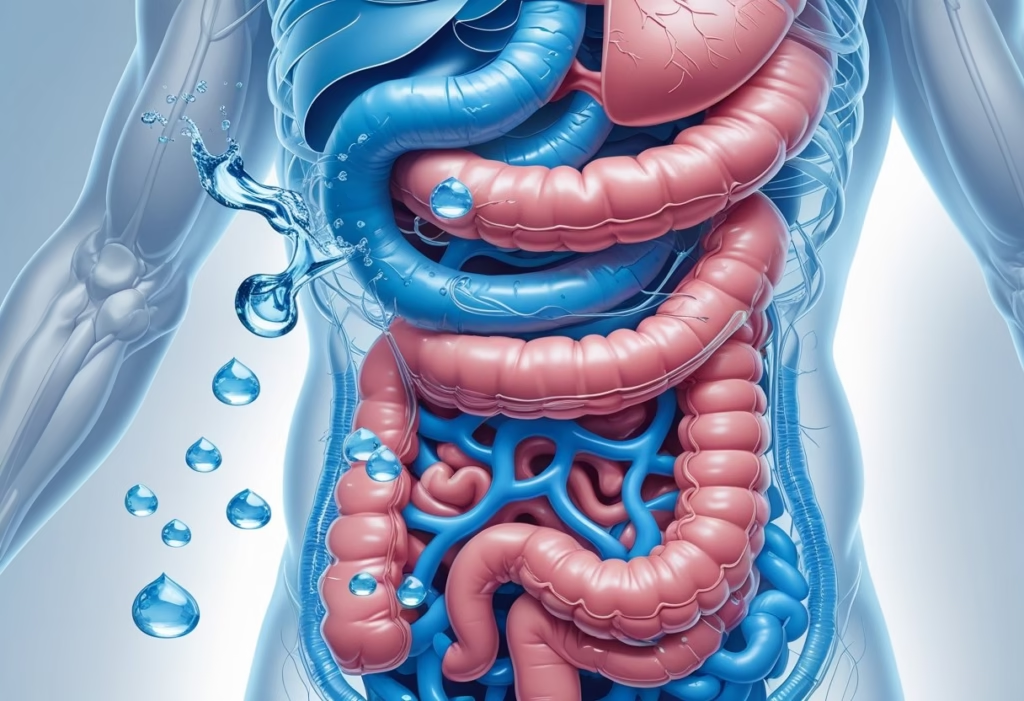
Water participates in every stage of digestion, from the moment food enters your mouth until waste leaves your body. Without adequate fluid levels, your digestive system cannot effectively break down food, extract nutrients, or eliminate waste products.
Water’s Role in Digestion
Your saliva is approximately 98% water, which means hydration and digestion begin working together before you even swallow. When you’re dehydrated, your body produces less saliva, making it harder to chew and swallow food properly.
Water acts as a lubricant throughout your digestive tract, allowing food to move smoothly from your esophagus through your stomach and intestines. This prevents the uncomfortable sensation of food feeling “stuck” and reduces your risk of developing acid reflux.
Your stomach requires water to produce digestive enzymes and gastric acid that break down proteins and other nutrients. When you don’t drink enough water, your stomach lining can become irritated because these digestive fluids become too concentrated.
Common mistake: Drinking large amounts of water during meals can dilute your stomach acid temporarily, but this rarely causes problems for most people. The bigger issue is chronic dehydration between meals, which impairs your body’s ability to produce adequate digestive secretions.
Hydration and Nutrient Absorption
Your small intestine requires water to absorb vitamins, minerals, and other nutrients from digested food. Water assists in the breakdown of macronutrients and helps them pass through your intestinal walls into your bloodstream.
Without sufficient hydration, the mucus lining in your intestines becomes too thick, creating a barrier that blocks nutrients from reaching your bloodstream. This can lead to deficiencies even when you’re eating a nutritious diet.
Fat-soluble vitamins (A, D, E, and K) require adequate hydration to form the micelles needed for absorption. Water-soluble vitamins (B-complex and C) dissolve directly in water for transport across intestinal cells.
What makes this worse: Drinking only when you feel thirsty means you’re already mildly dehydrated. Relying on caffeinated or alcoholic beverages increases fluid loss through urination, further compromising nutrient absorption.
Facilitating Nutrient Transport
Once nutrients enter your bloodstream, water serves as the primary transport medium carrying them to cells throughout your body. Your blood plasma is about 90% water, making adequate water intake essential for delivering the benefits of drinking water and nutrients to tissues.
Dehydration reduces blood volume, which slows the delivery of glucose, amino acids, and fatty acids to your muscles, organs, and brain. This explains why you might feel tired or mentally foggy even after eating a substantial meal when you’re not drinking enough fluids.
Water also transports nutrients from your liver, where many are processed and stored, to other parts of your body as needed. Your kidneys require sufficient water to filter waste products while retaining essential nutrients that might otherwise be lost in urine.
When to see a doctor: If you’re drinking adequate water (eight to ten cups daily) but still experiencing persistent fatigue, unexplained weight loss, or signs of nutrient deficiencies like hair loss or brittle nails, consult a gastroenterologist to rule out absorption disorders like celiac disease or inflammatory bowel disease.
Hydration for Regularity and Waste Elimination
Water intake directly affects how quickly waste moves through your colon and whether your stools remain soft enough to pass comfortably. When your body lacks adequate fluids, it pulls water from stool in the colon, creating the hard, difficult-to-pass formations that define constipation.
Preventing Constipation with Proper Hydration
Your colon absorbs water from digested food as it forms stool. When you’re dehydrated, your colon extracts more water than normal, leaving behind dry, compacted waste that’s difficult to eliminate.
Proper hydration prevents constipation by maintaining adequate moisture in your intestinal contents. This happens because water acts as a natural stool softener, keeping waste pliable as it moves through your digestive tract.
Common mistakes that worsen dehydration-related constipation:
- Drinking only when thirsty (mild dehydration has already begun)
- Consuming excessive caffeine or alcohol without compensating with extra water
- Relying on fiber supplements without increasing fluid intake (fiber without water can worsen constipation)
- Assuming clear urine means you’re drinking too much water
Most people need 64-80 ounces daily, but you require more during physical activity or in warm weather. Dark yellow urine signals insufficient hydration, while pale straw color indicates proper fluid levels.
Maintaining Regular Bowel Movements
Hydration supports regular bowel movements by maintaining the volume and consistency of intestinal contents, which triggers the natural contractions that move waste through your system.
Your intestines require adequate fluid to produce the mucus that lubricates your digestive tract. Without this lubrication, stool movement slows significantly. Water also helps maintain blood volume, which supports the muscular contractions of your intestinal walls.
What usually helps establish regularity:
- Drinking water upon waking (stimulates morning bowel activity)
- Consuming fluids throughout the day rather than large amounts at once
- Including water-rich foods like cucumbers, watermelon, and soups
What rarely helps:
- Drinking excessive amounts right before bed (disrupts sleep without digestive benefit)
- Relying solely on beverages high in sugar or artificial sweeteners
You should see a doctor if you experience fewer than three bowel movements weekly for more than three weeks, or if increasing water intake for two weeks produces no improvement.
Hydration and Stool Consistency
Stool consistency directly reflects your hydration status. The Bristol Stool Chart classifies ideal stools as smooth, soft, and easy to pass—characteristics that require adequate water content.
Hard stools (types 1-2 on the Bristol Scale) result when your colon has absorbed too much water. This happens when transit time is slow or when insufficient fluids are available. The longer stool remains in your colon, the more water gets extracted.
Factors that affect stool consistency beyond water intake:
- Fiber type and amount (soluble fiber holds water in stool)
- Medications like opioids, antacids with aluminum, or iron supplements
- Medical conditions affecting gut motility
Water aids in waste elimination by keeping digestive contents moving at a pace that prevents excessive water absorption. Loose or watery stools indicate either insufficient water absorption or rapid transit time, while pencil-thin stools may signal a structural issue requiring medical evaluation.
Medical Disclaimer: This information is for educational purposes and does not replace professional medical advice. Persistent changes in bowel habits warrant evaluation by a healthcare provider to rule out underlying conditions.
Supporting the Gut Microbiome Through Hydration
Water intake directly affects the composition and function of microorganisms living in your digestive tract. Adequate hydration maintains the environment these bacteria need to survive, supports the protective lining of your intestines, and influences which bacterial strains dominate your gut ecosystem.
Beneficial Bacteria and Microbiome Diversity
Your gut houses trillions of microorganisms, and water availability determines which ones thrive. Probiotic strains like Lactobacillus and Bifidobacterium require adequate moisture to attach to intestinal walls and multiply effectively.
When you drink enough water, you create conditions that favor beneficial bacteria over harmful ones. Dehydration shifts the balance toward opportunistic pathogens because these organisms often tolerate dry conditions better than helpful strains.
Hydration influences bacterial diversity by affecting short-chain fatty acid production, particularly butyrate, which feeds colon cells and reduces inflammation. A dry gut environment decreases microbial activity and limits the variety of bacterial species present.
Common mistake: Drinking coffee or tea throughout the day while assuming you’re hydrated. Caffeinated beverages act as mild diuretics and don’t support microbial health the way plain water does.
Hydration’s Impact on Gut Bacteria
Water serves as the medium for bacterial metabolism and communication. Without sufficient hydration, beneficial bacteria cannot produce the metabolites your body needs for immune function and nutrient absorption.
Your water intake affects how prebiotics reach the colon. Fiber from foods like garlic, onions, and bananas needs water to move through your system and reach the bacteria that ferment it into beneficial compounds.
Research shows that supporting the gut microbiome requires consistent hydration for intestinal secretions, motility, and waste removal. Studies indicate that even mild dehydration reduces bacterial diversity, which weakens your gut’s resilience to stress, antibiotics, and dietary changes.
What usually helps: Drinking 8-10 glasses of water daily alongside fiber-rich foods. What rarely helps: Drinking large amounts only at meals while ignoring hydration between eating periods.
Gut Permeability and Mucosal Barrier
The intestinal lining contains a mucus layer that prevents harmful substances from entering your bloodstream. This barrier depends on adequate hydration to maintain its thickness and protective function.
When you’re dehydrated, the mucosal barrier becomes thinner and more permeable. This condition, often called “leaky gut,” allows bacteria, toxins, and undigested food particles to cross into your bloodstream, triggering inflammation and immune responses.
Water maintains the mucus layer by supporting goblet cells that produce protective secretions. Without enough fluid, these cells cannot function properly, leaving gaps in your intestinal defense system.
Signs your gut barrier may be compromised: persistent bloating, food sensitivities that develop suddenly, brain fog after meals, or skin issues like eczema that worsen with certain foods.
When to see a doctor: If you experience chronic diarrhea, blood in stool, unexplained weight loss, or severe abdominal pain alongside digestive symptoms. These indicate conditions beyond simple dehydration that require medical evaluation.
Medical disclaimer: This information is for educational purposes and does not replace professional medical advice. Consult a healthcare provider for personalized recommendations regarding gut health concerns.
Hydrating Foods and Beverages for Digestive Wellness
Specific foods and drinks can significantly boost your hydration levels while simultaneously supporting digestive function through their water content, fiber, and beneficial compounds.
Water-Rich Fruits and Vegetables
Watermelon stands out as one of the most hydrating foods you can consume, containing approximately 92% water by weight. This fruit also provides L-citrulline, an amino acid that may help improve blood flow to digestive organs. When you eat watermelon, you’re getting both hydration and natural sugars that support beneficial gut bacteria.
Cucumbers offer similar benefits with a 95% water content, making them excellent for preventing the hard, dry stools that result from dehydration. They contain compounds called cucurbitacins that research suggests may help reduce inflammation in the digestive tract.
Oranges provide around 86% water while delivering soluble fiber that slows digestion and helps maintain steady hydration in your intestines. The pectin in oranges acts as a prebiotic, feeding beneficial gut bacteria.
Leafy greens like romaine lettuce and celery contain 94-95% water and deliver magnesium, which helps draw water into your intestines to prevent constipation. A common mistake is relying solely on drinking water while ignoring hydrating foods that support digestive health, which provide both fluid and the fiber necessary for proper gut motility.
Hydrating Beverages for Gut Health
Plain water remains the most effective choice for maintaining digestive hydration, but other hydrating beverages can support gut wellness when chosen carefully. Herbal teas like ginger or peppermint provide fluid while offering compounds that may ease bloating and nausea.
Kefir and other fermented drinks deliver probiotics alongside hydration, though they work best when consumed consistently rather than occasionally. These drinks help maintain the water-rich environment your gut microbiome needs to function properly.
Beverages to limit or avoid:
- Caffeinated drinks (act as mild diuretics)
- Alcohol (directly dehydrates intestinal tissue)
- High-sugar drinks (can worsen diarrhea through osmotic effects)
- Carbonated beverages (may increase bloating in sensitive individuals)
If you experience persistent digestive symptoms despite adequate hydration from food and beverages, consult a gastroenterologist to rule out conditions like inflammatory bowel disease or motility disorders.
Choosing and Timing Fluid Intake
Drinking large amounts of water with meals can dilute digestive enzymes, potentially slowing the breakdown of food. You’ll support digestion better by consuming most of your fluids between meals, aiming for consistent intake throughout the day rather than drinking several glasses at once.
Your body can only absorb about 200-300 milliliters of fluid every 15 minutes, so spacing your water consumption helps maintain steady hydration in your digestive tract. Drinking a glass of water 30 minutes before meals often helps more than drinking during eating, as it prepares your stomach for digestion without interfering with enzyme concentration.
What usually helps: Sipping room-temperature water throughout the day, eating water-rich fruits and vegetables with each meal, and drinking herbal tea between meals.
What rarely helps: Forcing yourself to drink excessive amounts at once, replacing all beverages with only water (moderate variety is fine), or avoiding fluids with meals entirely (small amounts are beneficial).
This information is for educational purposes and does not replace medical advice. Consult a healthcare provider for persistent digestive concerns.
Smart Hydration Habits for Optimal Gut Health
Maintaining proper fluid balance requires more than drinking water when thirsty. Specific strategies help you optimize hydration for digestive function, including tracking hydration markers and understanding which beverages support or hinder gut health.
Hydration Tips for Everyday Life
You need approximately 3.7 liters daily if you’re male and 2.7 liters if you’re female, but these numbers shift based on activity level, climate, and individual health conditions. Instead of forcing yourself to drink large amounts at once, distribute your fluid intake throughout the day to support steady digestive function and nutrient absorption.
Common mistakes include drinking most of your water after 6 PM, which disrupts sleep with bathroom trips, or waiting until you feel thirsty, which means you’re already mildly dehydrated. Your body loses water through breathing, sweating, and digestion continuously, so consistent sipping prevents the digestive slowdown that occurs when your intestines lack fluid to move waste efficiently.
Water-rich foods add significant hydration without requiring you to drink more. Cucumbers, watermelon, oranges, and berries contribute to your daily fluid needs while providing fiber that feeds beneficial gut bacteria. Eating soup or broth-based meals counts toward hydration and delivers electrolytes that help your body retain water more effectively than plain water alone.
Monitoring Urine Color and Signs of Dehydration
Your urine color reveals your hydration status more accurately than thirst signals. Pale straw or transparent yellow indicates adequate hydration, while darker yellow or amber suggests you need more fluids. Clear urine might mean you’re overhydrating, which can dilute electrolytes and disrupt digestive processes.
Beyond urine color, watch for signs of dehydration that directly impact gut function:
- Constipation or hard stools (your colon absorbs water from waste when you’re dehydrated)
- Decreased urination (fewer than four times daily)
- Dry mouth and lips
- Headaches (often mistaken for hunger)
- Dark circles under eyes
- Dizziness when standing
What makes dehydration worse: caffeinated drinks without water compensation, high-sodium processed foods, alcohol consumption, and exercising in heat without replacing lost fluids. Even mild dehydration reduces saliva production, which begins carbohydrate digestion, and decreases stomach acid balance, potentially causing reflux or indigestion.
When to see a doctor: If you experience persistent constipation despite increased water intake, blood in stool, severe abdominal pain, or signs of severe dehydration (extreme thirst, no urination for 12+ hours, rapid heartbeat), seek medical attention immediately.
Limiting Dehydrating Beverages
Coffee and tea trigger fluid loss because caffeine acts as a mild diuretic, increasing urine production. You don’t need to eliminate these drinks, but you should drink one glass of water for every cup of coffee or caffeinated tea. Research shows moderate caffeine intake (up to 400mg daily, or about four cups of coffee) doesn’t significantly dehydrate you if you’re a regular consumer, but it still affects gut motility.
Alcohol severely disrupts gut hydration by suppressing antidiuretic hormone, which signals your kidneys to retain water. A single alcoholic drink can produce up to four times that volume in urine. Alcohol also damages the intestinal barrier, allowing bacteria and toxins to leak into your bloodstream—a condition worsened by dehydration that reduces your gut’s protective mucus layer.
What usually helps: alternating each alcoholic drink with a full glass of water, choosing drinks with lower alcohol content, and avoiding mixing alcohol with caffeinated beverages. Sports drinks help after intense exercise or alcohol consumption because they replace electrolytes, but their high sugar content can feed harmful gut bacteria if consumed regularly.
What rarely helps: drinking large amounts of water only in the morning or evening, relying on juice as hydration (excess sugar can cause diarrhea), or assuming all fluids hydrate equally. Sugary sodas and energy drinks actually increase dehydration because processing their high sugar content requires additional water from your digestive system.
This information is for educational purposes only and does not constitute medical advice. Consult a healthcare provider for personalized recommendations regarding your hydration needs and digestive health.
Special Considerations for Hydration and Digestion
Hydration needs vary significantly based on physical activity levels, meal timing, and individual physiological factors. Exercise increases fluid requirements to replace sweat losses and support increased blood flow to muscles, while the timing of water consumption around meals can influence how quickly your stomach empties and processes food.
Hydration During Exercise
Physical activity increases your body’s water requirements due to fluid losses through sweat and increased respiration. During exercise, you lose not just water but also electrolytes like sodium and potassium, which are essential for digestive processes and gut motility.
For moderate exercise lasting less than 60 minutes, water is typically sufficient to stay hydrated during exercise. However, intense or prolonged activity requires electrolyte replacement to prevent digestive issues. When you become dehydrated during exercise, blood flow diverts away from your digestive system to support working muscles and regulate body temperature, which can slow digestion and cause cramping.
Common mistakes include:
- Drinking too much water too quickly before exercise, causing bloating and nausea
- Waiting until you feel thirsty, which indicates you’re already mildly dehydrated
- Consuming only plain water during extended exercise without replacing electrolytes
For activities lasting longer than an hour, sports drinks or electrolyte solutions help maintain digestive function and prevent the cramping that occurs when sodium levels drop too low.
Water with Meals and Gastric Emptying
The question of whether to drink water with meals remains debated, but research shows moderate water consumption during eating does not significantly impair digestion for most people. Gastric emptying refers to the rate at which your stomach moves food into the small intestine, and this process is influenced by both the volume and composition of what you consume.
Drinking reasonable amounts of water during meals can actually aid digestion by helping break down food particles and supporting the production of digestive enzymes. The concern about diluting stomach acid is largely unfounded for healthy individuals, as your stomach quickly adjusts acid production to maintain proper pH levels.
However, excessive fluid intake during meals may contribute to delayed gastric emptying in some individuals. If you experience bloating, feeling overly full, or nausea after meals, consider these adjustments:
- Limit fluids to 4-8 ounces during meals
- Sip water slowly rather than gulping large amounts
- Drink the majority of your fluids between meals instead
People with gastroparesis or other conditions affecting gastric emptying should consult their healthcare provider about optimal fluid timing, as they may need to avoid water with meals entirely to prevent worsening symptoms.
Factors Affecting Individual Hydration Needs
Your hydration requirements depend on multiple variables beyond the standard recommendation of eight glasses per day. Individual physiology and environmental conditions significantly influence how much water you need to support proper digestion.
Key factors that increase hydration needs:
- Climate and temperature: Hot, humid weather increases sweat losses and fluid requirements
- Altitude: Higher elevations increase respiratory water losses
- Diet composition: High-protein or high-fiber diets require more water for proper digestion
- Medications: Diuretics, laxatives, and some blood pressure medications increase fluid losses
- Medical conditions: Diabetes, kidney disease, and digestive disorders alter hydration needs
Age also affects hydration status, as older adults often have a diminished thirst response and may not drink enough to stay hydrated. Pregnant and breastfeeding women require additional fluids to support increased blood volume and milk production.
Monitor your urine color as a practical indicator—pale yellow suggests adequate hydration, while dark yellow or amber indicates you need more fluids. See a doctor if you experience persistent digestive symptoms like chronic constipation, severe bloating, or changes in bowel habits despite adequate hydration, as these may signal underlying conditions requiring medical evaluation.
Medical Disclaimer: This information is for educational purposes only and does not constitute medical advice. Consult a healthcare provider for personalized recommendations regarding your hydration needs and digestive health.