
Many people experience anxiety without realizing their digestive system might be contributing to their symptoms. Research indicates that nearly two-thirds of individuals with anxiety also experience digestive issues like nausea, bloating, or irregular bowel movements. This isn’t coincidental—it reflects a biological reality.
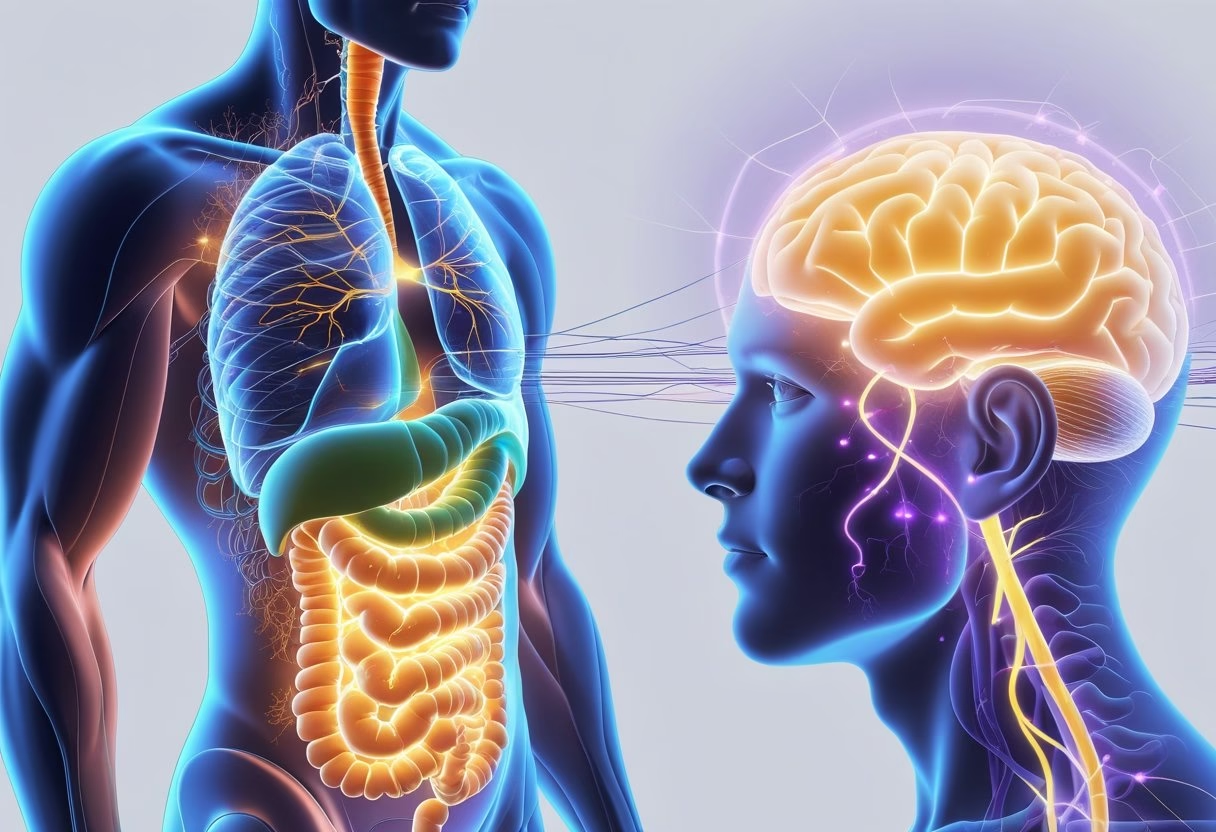
Your gut and brain communicate constantly through a complex network called the gut-brain axis, where the trillions of bacteria in your digestive system can directly influence your mood, stress response, and anxiety levels. When your gut microbiome becomes imbalanced or your intestinal lining becomes compromised, it can trigger inflammation that affects brain function and neurotransmitter production. This explains why digestive problems and anxiety often appear together, and why addressing one can help improve the other.
This article examines the biological mechanisms connecting your gut to anxiety, including how microbiome imbalances affect neurotransmitter production and why inflammation in your digestive tract can worsen mental health symptoms. You’ll learn to recognize when gut issues may be contributing to your anxiety and discover evidence-based approaches to support both digestive and mental wellness. This information is for educational purposes and should not replace professional medical advice—consult your healthcare provider for personalized guidance.
The Gut-Brain Connection: Foundations of Anxiety
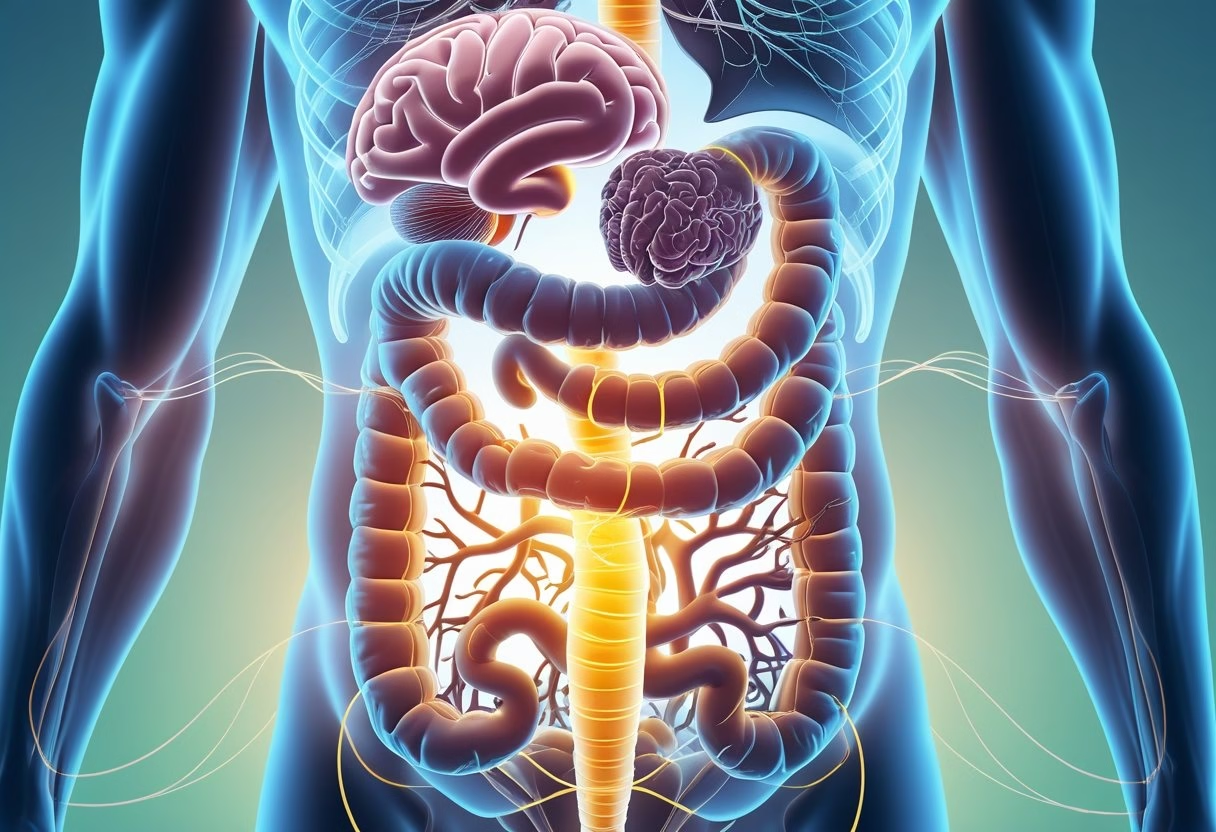
The gut and brain communicate through multiple pathways that directly influence anxiety symptoms, involving specialized nervous systems, chemical messengers, and a major nerve that acts as a biological highway between your digestive tract and brain.
Understanding the Gut-Brain Axis
The gut-brain axis is a bidirectional communication network linking your digestive system with your central nervous system. This connection operates through three main pathways: neural signals via nerves, hormonal messages through your bloodstream, and immune system responses that affect both regions.
Your gut microbiome produces neurotransmitters like serotonin, dopamine, and GABA—the same chemicals your brain uses to regulate mood and anxiety. Research from Stanford Medicine shows that reduced serotonin levels in the gut can impair vagus nerve activity and lead to cognitive symptoms similar to anxiety. About 90% of your body’s serotonin is produced in the GI tract, not your brain.
When your gut bacteria are imbalanced, they can trigger inflammatory responses that send distress signals to your brain. Studies using fecal transplants in rats demonstrated that transferring gut bacteria from humans with depression increased anxiety-like behaviors in the animals, proving the direct influence of gut microbiome composition on mental states.
Roles of the Central and Enteric Nervous Systems
Your central nervous system processes thoughts and emotions, while your enteric nervous system—often called your “second brain”—operates independently within your GI tract. This enteric system contains over 100 million neurons lining your digestive tract from esophagus to anus, more than any other structure outside your brain.
Unlike other peripheral nerves that simply relay messages, your enteric nervous system includes multiple neuron types that communicate with each other, enabling your gut to function autonomously. Researchers have removed animal guts and kept them functioning in controlled fluids, where they continue contracting and moving contents without brain input.
Key differences between these systems:
| System | Location | Function in Anxiety |
|---|---|---|
| Central Nervous System | Brain and spinal cord | Processes emotional responses and stress signals |
| Enteric Nervous System | GI tract lining | Generates gut-based signals that influence mood and stress responses |
This dual-system structure explains why anxiety often manifests as digestive symptoms—your gut isn’t just reacting to stress signals from your brain; it’s generating its own responses that feed back into your anxiety state.
The Vagus Nerve and Bidirectional Communication
The vagus nerve serves as the primary communication highway between your gut and brain, transmitting signals in both directions. This nerve connects directly from your brainstem through your chest and into your abdomen, carrying information about gut conditions upward and stress responses downward.
When you experience psychological stress, your brain sends signals through the vagus nerve that can alter gut bacteria populations, increase inflammation, and change digestive motility. People who have had their vagus nerve surgically severed show significantly lower rates of Parkinson’s disease, suggesting this nerve can also transmit disease-causing proteins from the gut to the brain.
Research on long COVID patients revealed that reduced vagus nerve activity corresponded with memory problems and brain fog. Treatment with medications that boost serotonin levels restored both vagus nerve function and cognitive abilities in animal models. This demonstrates why “gut feelings” during anxiety are actual physiological phenomena—your vagus nerve is actively transmitting distress signals between your digestive system and brain.
The vagus nerve’s bidirectional nature means that improving gut health can reduce anxiety signals traveling upward, while managing stress can prevent harmful signals from disrupting your digestive function downward.
How Gut Microbiome Imbalances Influence Anxiety
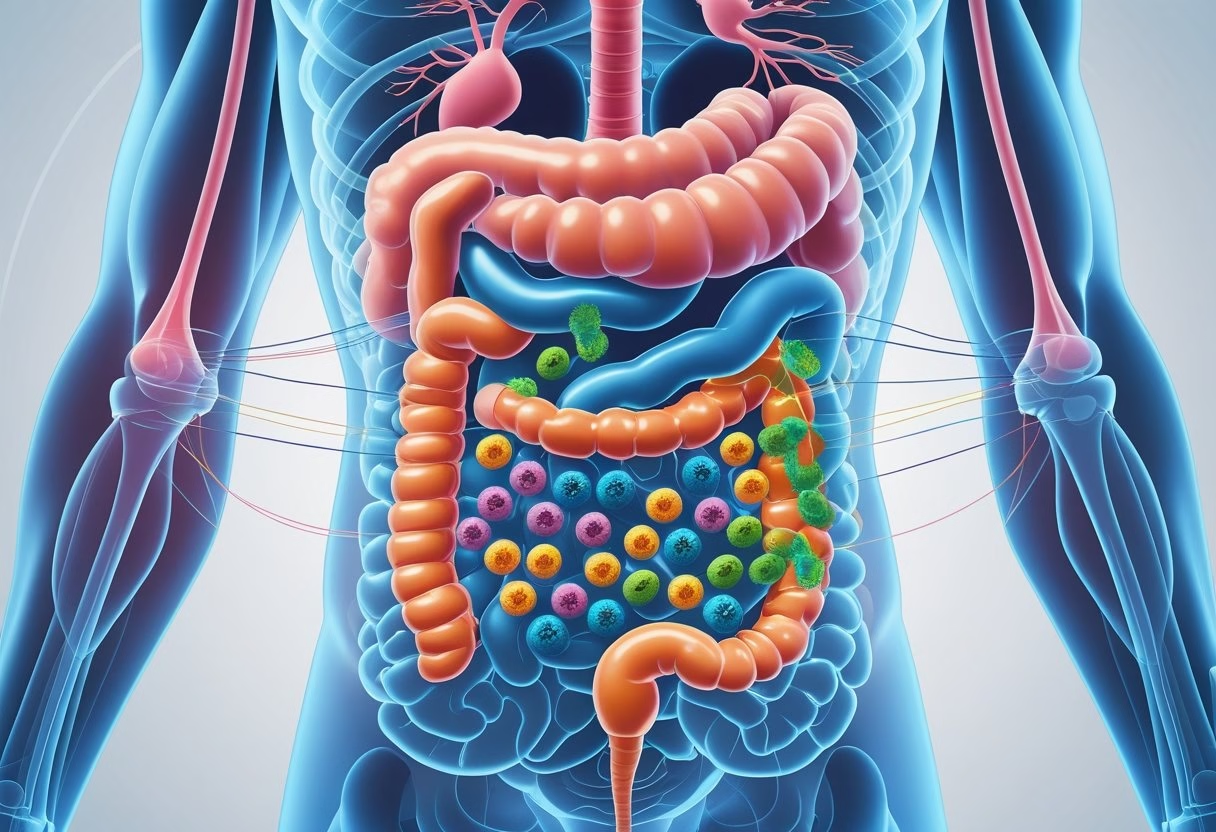
When your gut microbiome falls out of balance, it disrupts the communication pathways between your digestive system and brain, leading to changes in neurotransmitter production, increased inflammatory responses, and altered stress regulation that can manifest as anxiety symptoms.
Gut Microbiota and Microbial Diversity
Your gut microbiota consists of trillions of microorganisms living in your digestive tract. A healthy microbiome contains hundreds of different bacterial species working together to regulate digestion, immune function, and brain signaling.
Microbial diversity refers to the variety and abundance of these bacterial species. Higher diversity typically correlates with better mental health outcomes, while reduced diversity has been linked to increased anxiety symptoms. Research shows that people with anxiety disorders often have fewer bacterial species compared to those without anxiety.
Your gut flora produces neurotransmitters that directly affect mood. Approximately 90% of your body’s serotonin is produced in the gut, not the brain. When microbial diversity decreases, this production becomes less efficient.
The vagus nerve serves as the primary communication highway between your gut microbiota and brain. A diverse microbiome sends stabilizing signals through this nerve, while a depleted one may send stress signals that trigger anxious thoughts.
Dysbiosis and Microbiome Imbalance
Dysbiosis occurs when harmful bacteria outnumber beneficial bacteria in your gut. This microbiome imbalance disrupts normal gut function and creates a cascade of problems affecting your mental state.
Common causes of gut dysbiosis include:
- Antibiotic use (even a single course can disrupt balance for months)
- High-sugar and processed food diets
- Chronic stress
- Insufficient sleep
- Excessive alcohol consumption
Gut dysbiosis changes how your body processes stress hormones. When your microbiome is imbalanced, your cortisol levels may remain elevated longer after stressful events, making you feel persistently on edge.
A major mistake people make is assuming probiotics alone will fix dysbiosis. While beneficial bacteria supplements can help, they rarely work without dietary changes that starve harmful bacteria and feed beneficial ones.
You should see a doctor if anxiety symptoms worsen suddenly alongside digestive issues like chronic diarrhea, severe bloating, or unexplained weight loss. These combinations may indicate significant dysbiosis requiring medical intervention.
The Role of Beneficial and Harmful Gut Bacteria
Beneficial bacteria like Lactobacillus and Bifidobacterium species produce gamma-aminobutyric acid (GABA), a neurotransmitter that calms your nervous system. When these populations decline, your natural anxiety regulation diminishes.
Harmful bacteria produce different metabolites. Elevated levels of Escherichia-Shigella have been found in people with anxiety disorders. These bacteria generate lipopolysaccharides (LPS), toxins that trigger inflammatory responses affecting brain function.
The ratio matters more than absolute numbers. Even if you have some beneficial bacteria, an overgrowth of harmful species will dominate the signaling to your brain. This explains why two people with similar probiotic intake can have vastly different anxiety levels.
What usually helps:
- Fermented foods containing live cultures (yogurt, kefir, sauerkraut, kimchi)
- Prebiotic fiber that feeds beneficial bacteria
- Reducing refined sugar that feeds harmful bacteria
What rarely helps:
- Random probiotic supplements without targeted strains
- Ignoring diet while taking supplements
- Expecting results within days (microbiome changes take weeks)
Leaky Gut and Inflammation in Mental Health
Leaky gut syndrome, or increased intestinal permeability, occurs when the tight junctions between your intestinal cells loosen. This allows bacteria, toxins, and undigested food particles to escape into your bloodstream.
Your immune system identifies these leaked substances as threats and launches inflammatory responses. This inflammation doesn’t stay localized—it travels throughout your body, including to your brain, where it disrupts neurotransmitter production and increases anxiety sensitivity.
Chronic inflammation from leaky gut affects the hypothalamic-pituitary-adrenal (HPA) axis, your body’s stress response system. When this axis becomes dysregulated, you experience heightened anxiety responses to normal stressors that previously wouldn’t have bothered you.
Studies show that inflammatory markers like C-reactive protein and pro-inflammatory cytokines are elevated in many people with anxiety disorders. These markers directly correlate with leaky gut severity.
Factors that worsen leaky gut include:
- NSAIDs (ibuprofen, aspirin) taken regularly
- Alcohol consumption
- Chronic stress
- Gluten sensitivity in susceptible individuals
The connection between inflammation and anxiety creates a vicious cycle. Anxiety increases stress hormones that damage your gut lining, which increases inflammation, which worsens anxiety. Breaking this cycle requires addressing both gut health and stress management simultaneously.
Medical Disclaimer: This information is for educational purposes only and does not constitute medical advice. Consult with a qualified healthcare provider before making changes to your diet or treatment plan, especially if you have diagnosed anxiety disorders or digestive conditions.
Biochemical Links: Neurotransmitters, Hormones, and Mood Regulation
The gut produces approximately 95% of your body’s serotonin and manufactures other neurotransmitters that directly influence anxiety levels. Your intestinal bacteria also create metabolites like short-chain fatty acids that cross the blood-brain barrier and affect how your brain processes stress and fear.
Serotonin Production in the Gut
Your intestinal cells and gut bacteria work together to produce the majority of your body’s serotonin, though this gut-derived serotonin functions differently than brain serotonin. The serotonin made in your gut primarily regulates intestinal movements and activates nerve endings connected to your central nervous system rather than directly entering your brain.
When your gut microbiome becomes disrupted, serotonin synthesis can become impaired. This affects not only digestive function but also sends altered signals through the vagus nerve to brain regions that process anxiety. Studies show that people with anxiety disorders often have elevated plasma serotonin levels alongside low serotonergic activity in the brain, suggesting communication problems between gut and brain serotonin systems.
What makes this worse: Antibiotic use, chronic stress, and low-fiber diets reduce beneficial bacteria that support serotonin production. Eating adequate tryptophan (the serotonin precursor) helps, but only when your gut bacteria are healthy enough to facilitate proper synthesis.
Other Key Neurotransmitters Linked to Anxiety
Your gut bacteria produce gamma-aminobutyric acid (GABA), the primary inhibitory neurotransmitter that calms nervous system activity. Certain Lactobacillus and Bifidobacterium strains manufacture GABA directly in your intestines.
The gut also generates dopamine, norepinephrine, and acetylcholine. These neurotransmitters influence local gut function and stimulate afferent nerve pathways that communicate with anxiety-processing brain regions. Research demonstrates that specific bacterial strains affect brain expression of genes involved in neurotransmitter metabolism.
Your HPA axis (hypothalamic-pituitary-adrenal axis) responds to signals from your gut. Germ-free mice studies show that absence of gut bacteria causes exaggerated stress responses and elevated cortisol release. When your microbiome is balanced, it helps regulate how intensely your HPA axis reacts to stressors.
When to see a doctor: If anxiety symptoms persist despite lifestyle changes, or if you experience new digestive symptoms alongside worsening anxiety, consult a healthcare provider to rule out underlying conditions.
Short-Chain Fatty Acids and Brain Health
When gut bacteria ferment dietary fiber, they produce short-chain fatty acids including butyrate, propionate, and acetate. These molecules cross your blood-brain barrier and influence microglial cells that regulate brain inflammation and neuronal function.
Butyrate specifically supports the integrity of your intestinal barrier by nourishing colonocytes. A stronger gut barrier prevents bacterial lipopolysaccharide (LPS) from entering your bloodstream, which matters because circulating LPS triggers inflammatory responses linked to depression and anxiety. People with major depression show higher anti-LPS antibody levels than healthy controls.
SCFAs also stimulate the release of gut peptides that affect gut-brain hormonal communication and regulate sympathetic nervous system activity. Low SCFA production, typically from insufficient fiber intake, weakens these protective mechanisms.
What usually helps: Consuming 25-35 grams of diverse fiber daily from vegetables, legumes, and whole grains supports SCFA production. Resistant starch from cooled potatoes or rice provides additional substrate for butyrate-producing bacteria.
What rarely helps: Taking SCFA supplements orally provides minimal benefit because they absorb in your upper intestine before reaching colon bacteria. The bacteria themselves must produce SCFAs from fiber for optimal effect.
Medical Disclaimer: This information is for educational purposes and does not constitute medical advice. Consult qualified healthcare professionals for diagnosis and treatment of anxiety disorders or digestive conditions.
Physical and Psychological Manifestations of Gut-Related Anxiety
When anxiety and gut dysfunction intersect, they create a cycle of physical discomfort and emotional distress that reinforces itself. Your gut symptoms can trigger psychological distress, while your mental state directly influences digestive function through neural and hormonal pathways.
Digestive Symptoms Tied to Anxiety
Your digestive system responds to anxiety through the release of stress hormones like cortisol and corticotropin-releasing factor (CRF). These chemicals alter gut motility, increase intestinal permeability, and change the balance of stomach acid production.
Common physical symptoms include:
- Abdominal cramping and pain that worsens during stressful periods
- Nausea or feeling of queasiness without clear cause
- Appetite changes ranging from complete loss of hunger to stress eating
- Bloating and gas due to altered digestion patterns
- Urgent bowel movements or sudden need to use the bathroom
The mechanism involves your enteric nervous system, which contains more neurons than your spinal cord. When you experience anxiety, your body diverts blood flow away from digestion toward muscles. This slows digestive processes and causes incomplete breakdown of food.
A common mistake is assuming these symptoms indicate food allergies or intolerances. While dietary factors matter, the primary driver is often your stress response disrupting normal digestive function. Eating quickly while anxious makes symptoms worse because you swallow more air and don’t chew food thoroughly.
Irritable Bowel Syndrome and Anxiety Disorders
Studies show that 50-90% of people with IBS also meet criteria for an anxiety disorder, depression, or both. This isn’t coincidental—IBS and anxiety share overlapping biological mechanisms.
Your gut’s hypersensitivity in IBS means normal digestive processes register as painful. Anxiety amplifies this sensitivity by lowering your pain threshold. The anticipatory anxiety about symptoms often triggers the symptoms themselves, creating a self-fulfilling pattern.
Constipation-predominant IBS correlates with worry and rumination, while diarrhea-predominant IBS links more strongly with panic and acute anxiety episodes. Social anxiety disorder frequently coexists with IBS because the unpredictability of bowel symptoms creates fear of social situations.
What makes symptoms worse:
- High-FODMAP foods (fermentable carbohydrates that increase gas)
- Caffeine and alcohol during stress periods
- Skipping meals or irregular eating patterns
- Catastrophizing about symptoms
What usually helps: Cognitive behavioral therapy specifically designed for IBS reduces both digestive symptoms and anxiety. Gut-directed relaxation techniques and paced breathing can stop the stress-symptom cycle. Low-dose antidepressants work for IBS not just by addressing mood but by modulating pain signals in the gut.
What rarely helps alone: Restrictive elimination diets without addressing anxiety, constantly switching probiotics, or focusing solely on physical treatments while ignoring psychological factors.
When to see a doctor: If you experience unintended weight loss, blood in stool, severe pain that wakes you at night, or symptoms that started after age 50. These suggest conditions beyond anxiety-related digestive issues.
Impact on Stress Response and Emotional Well-Being
Your gut microbiota directly influences neurotransmitter production. Approximately 90% of serotonin is produced in your gut, not your brain. When gut bacteria become imbalanced through chronic stress, this reduces serotonin availability and affects mood regulation.
The hypothalamic-pituitary-adrenal (HPA) axis connects your brain’s stress response to gut function. Chronic activation of this system from ongoing digestive distress keeps cortisol elevated. High cortisol damages the intestinal barrier, allowing bacterial components into your bloodstream. This triggers inflammation that research links directly to depression and anxiety disorders.
Gut inflammation activates your immune system in ways that change brain chemistry. Inflammatory molecules called cytokines signal your brain to induce “sickness behavior”—fatigue, social withdrawal, and low motivation that mimic depression symptoms.
The bidirectional nature matters: Your emotional well-being affects which gut bacteria thrive, and those bacteria influence your capacity to handle stress. People with diverse, balanced gut microbiomes show better stress resilience and emotional regulation.
Common mistakes in treatment: Treating gut symptoms and mental health symptoms as separate issues rather than interconnected. Many people try probiotics expecting immediate mood improvements, but changes take 4-8 weeks minimum.
Mast cell activation in your gut during stress releases histamine and other compounds that directly stimulate anxiety. This explains why your anxiety can spike seemingly without psychological triggers—your gut may be initiating the response.
Medical Disclaimer: This information is for educational purposes and does not replace professional medical advice. Consult qualified healthcare providers for diagnosis and treatment of digestive or mental health conditions.
Optimizing Gut Health to Alleviate Anxiety
Targeted interventions that restore gut microbiome balance can reduce anxiety symptoms by modulating neurotransmitter production and inflammatory responses. Specific probiotics, dietary fibers, and omega-3 fatty acids have demonstrated measurable effects on the gut-brain axis.
Probiotics, Psychobiotics, and Gut Health Supplements
Psychobiotics are specific probiotic strains that produce neurological benefits when consumed in adequate amounts. Research shows that Lactobacillus rhamnosus and Bifidobacterium longum can reduce anxiety symptoms by influencing GABA receptors and cortisol levels.
Standard probiotic supplements often fail because they contain strains that don’t survive stomach acid or don’t colonize your gut effectively. You need products with at least 10 billion CFUs and strains specifically studied for mental health benefits.
Multi-strain formulas typically outperform single-strain options. Look for products containing Lactobacillus helveticus and Bifidobacterium bifidum, which clinical trials have linked to reduced anxiety scores.
Common mistakes include:
- Taking probiotics with hot beverages (heat kills beneficial bacteria)
- Expecting results within days (noticeable changes typically require 4-8 weeks)
- Choosing supplements based solely on CFU count rather than strain specificity
Probiotic supplements work best when combined with prebiotics, which feed beneficial bacteria. This combination approach addresses both colonization and maintenance of healthy gut flora.
The Role of Fermented Foods and Prebiotic-Rich Diets
Fermented foods deliver live cultures alongside bioactive compounds that probiotic supplements lack. Yogurt with live cultures, kimchi, sauerkraut, kefir, kombucha, tempeh, and miso contain diverse bacterial strains and metabolites that support gut-brain communication.
Kimchi and sauerkraut provide both probiotics and fiber, creating an optimal environment for beneficial bacteria. Kefir contains up to 60 different bacterial strains compared to yogurt’s typical 2-3 strains, making it particularly effective for microbiome diversity.
You should consume fermented foods unpasteurized when possible, as heat treatment kills beneficial bacteria. Start with small portions (1-2 tablespoons) if you’re not accustomed to fermented foods, as rapid introduction can cause temporary digestive discomfort.
Prebiotic foods feed the probiotics already in your gut. Asparagus, onions, garlic, and legumes contain inulin and other fibers that selectively nourish anxiety-reducing bacterial strains. These foods often show benefits even without probiotic supplementation because they strengthen your existing microbiome.
Dietary Recommendations: Fiber, Omega-3s, and Whole Grains
A fiber-rich diet fundamentally changes gut microbiome composition within 24-48 hours. You need 25-35 grams of fiber daily, but most people consume less than 15 grams. Whole grains like oats provide both soluble and insoluble fiber that produce short-chain fatty acids, which directly reduce neuroinflammation.
Oats specifically contain beta-glucan, a prebiotic fiber that increases Bifidobacterium populations linked to lower anxiety levels. Legumes provide resistant starch that reaches your colon intact, where it ferments into butyrate—a compound that strengthens the intestinal barrier and reduces systemic inflammation.
Omega-3 fatty acids modify gut bacterial composition while simultaneously reducing brain inflammation. Salmon and other fatty fish contain EPA and DHA forms that your body uses immediately, unlike plant-based omega-3s that require conversion.
The Mediterranean diet combines these elements effectively: whole grains, legumes, prebiotic vegetables, fermented foods, and omega-3-rich fish. Studies show this dietary pattern reduces anxiety symptoms more consistently than isolated supplements.
What rarely helps: eliminating entire food groups without medical reason, extreme low-carb diets (which starve beneficial bacteria), or focusing solely on “gut cleansing” products that disrupt rather than restore balance.
Medical Disclaimer: Consult a healthcare provider before starting supplements, especially if you take immunosuppressants or have compromised immune function. See a doctor if anxiety symptoms worsen despite dietary changes or if you experience severe digestive symptoms alongside mental health concerns.
Lifestyle Strategies for Supporting Gut and Mental Wellness
Managing anxiety through gut health requires specific daily practices that influence how your nervous system responds to stress and how your microbiome functions. Research shows that stress management techniques directly affect gut bacteria composition, while dietary choices can either fuel or suppress anxiety symptoms.
Stress Management and Relaxation Techniques
Chronic stress triggers the release of cortisol, which alters gut permeability and reduces beneficial bacteria populations. This creates a cycle where stress worsens gut health, and poor gut health amplifies your stress response.
Progressive muscle relaxation works by systematically tensing and releasing muscle groups, which signals your parasympathetic nervous system to activate. Studies show this technique lowers cortisol levels within 15-20 minutes of practice. Start with your feet and move upward, holding tension for 5 seconds before releasing.
Breathing exercises offer immediate anxiety relief because they directly influence your vagus nerve, the main communication pathway between your gut and brain. Box breathing (inhale for 4 counts, hold for 4, exhale for 4, hold for 4) reduces heart rate and promotes gut motility.
A common mistake is practicing these techniques only during panic. Your nervous system needs consistent training to shift its baseline response. Daily 10-minute sessions produce measurable changes in gut microbiome diversity within 8 weeks, according to research published in Psychosomatic Medicine.
The Role of Mindfulness, Meditation, and CBT
Mindfulness and meditation reduce anxiety by decreasing inflammatory markers that disrupt gut-brain communication. A 2022 study in Frontiers in Neuroscience found that 8 weeks of daily meditation increased populations of Lactobacillus and Bifidobacterium, bacteria strains that produce GABA, your brain’s primary calming neurotransmitter.
Cognitive behavioral therapy (CBT) addresses anxiety by changing thought patterns that trigger physical stress responses. When you reframe catastrophic thinking, your body produces less cortisol, which preserves gut barrier integrity. CBT also helps identify behavioral patterns that worsen gut symptoms, like eating quickly when stressed or skipping meals.
Research demonstrates that combining CBT with gut-focused interventions produces better outcomes than either approach alone. The therapy helps you recognize when anxiety is creating digestive symptoms versus when gut dysfunction is triggering anxiety.
What rarely helps: meditation apps used sporadically or only during crises. Your gut microbiome responds to consistent practice, not occasional interventions.
Limiting Processed, Sugary Foods, Alcohol, and Caffeine
Processed foods containing emulsifiers and artificial sweeteners directly damage your gut lining and reduce microbial diversity. These additives increase intestinal permeability, allowing inflammatory compounds to enter your bloodstream and reach your brain.
Sugary foods cause rapid blood glucose spikes followed by crashes that mimic anxiety symptoms: shakiness, racing heart, difficulty concentrating. Your gut bacteria also ferment excess sugar into compounds that can worsen mood instability.
Alcohol disrupts your gut barrier within hours of consumption and kills beneficial bacteria strains. Even moderate drinking (3-4 drinks per week) reduces Faecalibacterium prausnitzii, a bacteria that produces butyrate, a compound essential for gut-brain health.
Caffeine increases cortisol and stomach acid production, which can trigger anxiety in sensitive individuals. If you experience jitters or digestive upset after coffee, your gut-brain axis may be hypersensitive to stimulants.
Common mistake: replacing these items with artificial alternatives. Diet sodas and sugar-free processed foods often contain compounds equally harmful to gut health. Focus on whole foods like vegetables, legumes, nuts, and fermented foods instead.
When to see a doctor: if eliminating these substances doesn’t improve symptoms within 4-6 weeks, or if you experience severe digestive pain, blood in stool, or unintended weight loss.
Emerging Approaches to Gut Health Interventions
Fecal microbiota transplant (FMT) involves transferring gut bacteria from healthy donors to recipients with severely disrupted microbiomes. While primarily used for C. difficile infections, preliminary research suggests potential for treatment-resistant anxiety disorders. A 2023 pilot study showed 40% of participants experienced significant anxiety reduction after FMT, though this remains experimental.
Psychobiotic supplements containing specific strains like Lactobacillus rhamnosus and Bifidobacterium longum show promise in clinical trials. These strains produce neurotransmitter precursors and reduce inflammatory cytokines that interfere with brain function.
Personalized microbiome testing allows you to identify specific bacterial imbalances and target interventions accordingly. However, the science is still developing, and many commercial tests lack clinical validation.
What usually helps: working with a gastroenterologist or functional medicine practitioner who can interpret test results and recommend evidence-based interventions tailored to your symptoms.
Medical Disclaimer: This information is for educational purposes and does not replace professional medical advice. Consult your healthcare provider before starting new treatments, especially if you take medications or have diagnosed conditions.