
You’ve swapped processed snacks for whole foods, loaded your plate with vegetables, and committed to eating clean. Yet your stomach still feels tight, uncomfortable, and distended by the afternoon. This frustrating reality affects countless people who assume bloating only comes from junk food or overeating.
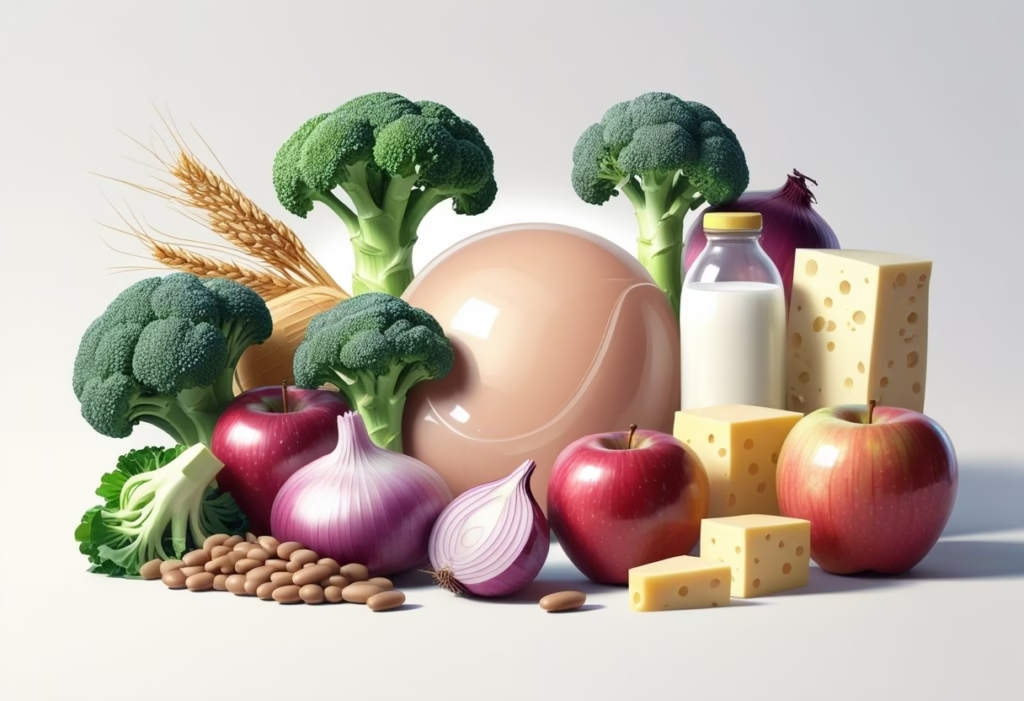
The truth is that many nutritious foods contain naturally occurring compounds like raffinose, fructans, and sugar alcohols that trigger gas production and water retention in your digestive tract, even when you’re making perfectly healthy choices. Your body’s response to these compounds depends on your unique gut bacteria composition, enzyme production, and underlying digestive function. What feels fine for someone else might ferment excessively in your colon or trigger inflammation in your gut lining.
Understanding which specific ingredients and foods cause your bloating requires looking beyond calorie counts and nutrition labels. This means examining the hidden additives in “health” products, recognizing your personal intolerances, and identifying whether underlying conditions like IBS or SIBO are amplifying your symptoms. Medical disclaimer: This information is for educational purposes only and does not replace professional medical advice, diagnosis, or treatment.
Why ‘Healthy’ Foods Can Cause Hidden Bloating
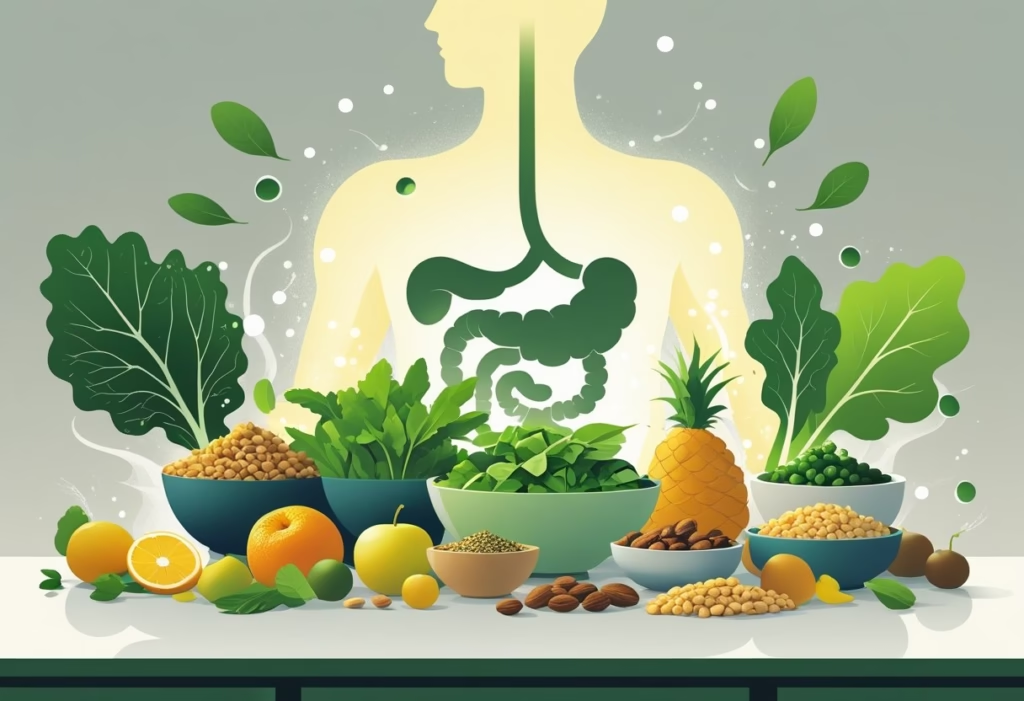
Many nutritious foods trigger bloating through specific biological mechanisms related to fermentation, bacterial balance, and individual digestive capacity. What works perfectly for one person’s gut can cause significant discomfort for another, making personalized nutrition essential.
The Science of Bloating and Gas Formation
When you eat carbohydrates your body cannot fully digest, they travel to your colon where gut bacteria ferment them. This fermentation process produces hydrogen, methane, and carbon dioxide gases as natural byproducts. The volume of gas produced depends on the type of carbohydrate, the bacterial species present, and how quickly fermentation occurs.
Short-chain carbohydrates known as FODMAPs (Fermentable Oligosaccharides, Disaccharides, Monosaccharides, and Polyols) are particularly problematic. Foods like onions, garlic, apples, and cauliflower contain high levels of these compounds. Your small intestine lacks the enzymes needed to break them down, so they move into your colon intact.
Fiber-rich foods also contribute to gas production, especially when increased too rapidly. Your gut bacteria need time to adapt to higher fiber loads. A sudden jump from 15 grams to 40 grams daily can overwhelm your system, causing excessive gas and bloating within hours of eating.
The speed of fermentation matters significantly. Foods that ferment quickly produce gas faster than your body can absorb or expel it, leading to visible distension and discomfort. This explains why symptoms often appear 2-4 hours after meals rather than immediately.
Gut Microbiome Imbalance and Dysbiosis
Dysbiosis occurs when harmful bacteria outnumber beneficial species in your digestive tract. This imbalance changes how your gut processes food, often resulting in persistent bloating even from typically well-tolerated items. Small Intestinal Bacterial Overgrowth (SIBO) represents a specific type of dysbiosis where bacteria colonize your small intestine, fermenting food before proper digestion occurs.
Common causes of gut microbiome imbalance include:
- Recent antibiotic use that eliminates both harmful and beneficial bacteria
- Chronic stress that suppresses beneficial bacterial growth
- Low stomach acid that allows pathogens to survive digestion
- Inadequate digestive enzymes that leave food particles partially undigested
When dysbiosis exists, adding probiotic-rich fermented foods can worsen symptoms initially. Kombucha, sauerkraut, and kefir introduce new bacterial strains while your existing imbalance remains unresolved. Research published in Clinical and Translational Gastroenterology found that 34% of patients with SIBO experienced worsening gas and bloating when consuming probiotic foods before treating the underlying condition.
Your gut lining integrity also affects how you respond to healthy foods. Increased intestinal permeability allows larger food particles to trigger immune responses, causing inflammation and bloating separate from fermentation processes.
Personalized Nutrition and Individual Triggers
Your specific digestive capacity determines which healthy foods cause problems. Enzyme production varies significantly between individuals. Some people produce insufficient lactase for dairy digestion or lack adequate amylase for starch breakdown, even when consuming nutritious whole grains or yogurt.
Histamine intolerance affects roughly 1% of the population but often goes undiagnosed. Fermented foods, aged cheeses, spinach, and avocados contain high histamine levels. If your body cannot break down histamine efficiently due to DAO enzyme deficiency, these foods trigger digestive inflammation and bloating.
Genetic variations also influence food responses. The FUT2 gene determines whether you secrete certain antigens that feed beneficial bacteria. Non-secretors may struggle with specific prebiotic foods that secretors tolerate easily.
When to consult a healthcare provider:
- Bloating persists despite eliminating common triggers for 3-4 weeks
- You experience unexplained weight loss alongside digestive symptoms
- Bloating accompanies severe abdominal pain or changes in bowel habits
- Symptoms progressively worsen over several months
Medical Disclaimer: This information is for educational purposes and does not replace professional medical advice. Persistent digestive symptoms require proper evaluation by a qualified healthcare provider to rule out conditions like celiac disease, inflammatory bowel disease, or other gastrointestinal disorders.
Major Culprits: Common Healthy Foods That Trigger Bloating
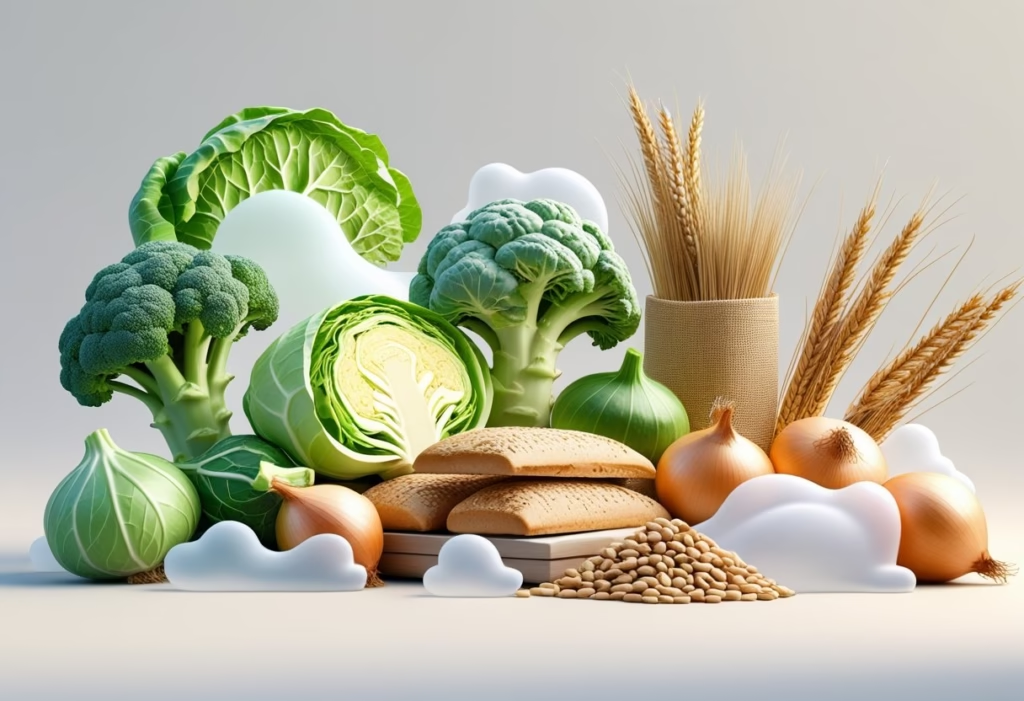
Certain nutrient-dense foods contain specific carbohydrates and sugar compounds that your small intestine cannot fully digest, leading to bacterial fermentation in your colon. This fermentation process produces hydrogen, methane, and carbon dioxide gases that stretch your intestinal walls and create the uncomfortable sensation of bloating.
Cruciferous Vegetables and Raffinose
Broccoli, cauliflower, Brussels sprouts, cabbage, and kale contain raffinose, a trisaccharide that humans lack the enzyme to break down in the small intestine. When raffinose reaches your colon undigested, bacteria ferment it and produce gas as a byproduct.
The raw form of these vegetables causes more bloating than cooked versions. Heat breaks down some of the raffinose and softens the fibrous cell walls, making them easier to digest.
You might notice symptoms appearing 2-6 hours after eating cruciferous vegetables. The severity depends on your gut bacteria composition and how much you consume at once.
What makes symptoms worse:
- Eating these vegetables raw in large salads
- Combining multiple cruciferous vegetables in one meal
- Eating them late at night when digestion naturally slows
Steaming or roasting reduces gas production by approximately 30-50% compared to raw consumption. Start with small portions (half a cup) and gradually increase to build tolerance.
Legumes, Beans, and Oligosaccharides
Beans, lentils, chickpeas, and peas contain oligosaccharides, specifically galacto-oligosaccharides (GOS), which are high-FODMAP carbohydrates. Your digestive enzymes cannot break these down, so they travel intact to your large intestine where bacteria rapidly ferment them.
Black beans, kidney beans, and soybeans typically cause more bloating than lentils or split peas. This happens because larger beans contain higher concentrations of oligosaccharides and resistant starches.
Many people make the mistake of not soaking dried beans before cooking. Soaking for 8-12 hours and discarding the water removes 25-30% of the gas-causing compounds.
Canned beans rinsed thoroughly under running water reduce oligosaccharide content by about 40%. Adding digestive enzymes like alpha-galactosidase before eating legumes can help break down oligosaccharides before they reach your colon.
If you experience sharp cramping pain rather than just bloating, this may indicate SIBO (small intestinal bacterial overgrowth) and requires medical evaluation.
Whole Grains and Fructans
Wheat, barley, and rye contain fructans, a type of fermentable carbohydrate that acts as food for gut bacteria. While beneficial for gut health in moderation, fructans trigger significant bloating in people with IBS or fructan sensitivity.
The problem intensifies when you consume multiple sources of fructans in one day. A wheat-based breakfast cereal, sandwich for lunch, and pasta for dinner creates a cumulative effect.
Lower-fructan alternatives:
- Rice (white or brown) contains minimal fructans
- Oats in portions under 1/2 cup are generally well-tolerated
- Quinoa is naturally low in fructans and easier to digest
Whole grain bread causes more bloating than sourdough bread because the fermentation process partially breaks down fructans. The longer fermentation time (12-24 hours) in traditional sourdough reduces fructan content by up to 70%.
You might tolerate small amounts of whole grains but experience bloating when portion sizes exceed your individual threshold. This threshold varies from 20-100 grams per meal depending on your gut sensitivity.
Fruits High in Sorbitol and Polyols
Apples, pears, peaches, plums, and cherries contain sorbitol and other sugar alcohols (polyols) that your small intestine absorbs poorly. About 50% of sorbitol passes through unabsorbed and draws water into your intestines while feeding gas-producing bacteria.
Stone fruits like cherries and apricots contain both sorbitol and fructose in ratios that make absorption particularly difficult. When you eat these on an empty stomach, symptoms appear faster and feel more intense.
Bananas in their ripe yellow stage are low in FODMAPs and rarely cause bloating. However, unripe green bananas contain resistant starch that ferments in your colon.
High-sorbitol fruits to limit: apples, pears, peaches, plums, prunes, watermelon, blackberries
The “sugar-free” versions of foods often contain mannitol, xylitol, or sorbitol as artificial sweeteners. These sugar alcohols cause bloating at much lower doses than natural fruit sources because they’re concentrated.
If you experience bloating accompanied by diarrhea after eating these fruits, you likely have poor polyol absorption. Stick to low-FODMAP fruits like strawberries, oranges, or cantaloupe in 1-cup portions.
Medical Disclaimer: This information is for educational purposes and does not replace professional medical advice. Persistent bloating lasting more than two weeks, bloating with unexplained weight loss, or severe abdominal pain requires evaluation by a healthcare provider to rule out conditions like celiac disease, inflammatory bowel disease, or SIBO.
Hidden Additives and Sweeteners in ‘Healthy’ Products
Many products marketed as healthy contain fiber additives and alternative sweeteners that can trigger bloating through bacterial fermentation in your gut. These ingredients often appear in protein bars, low-calorie drinks, and “gut-friendly” snacks without obvious warning signs on the label.
Inulin and Chicory Root Fiber
Inulin shows up in health bars, protein drinks, and kombucha under the name “chicory root fiber.” It’s a prebiotic that manufacturers add to boost fiber content without affecting taste. A single health bar can contain 5-10 grams of inulin, which is a concentrated dose compared to the small amounts found naturally in onions or garlic.
When inulin reaches your gut, bacteria ferment it rapidly in the small intestine or colon. This fermentation produces hydrogen and methane gas. If you have an imbalanced microbiome or conditions like SIBO (small intestinal bacterial overgrowth), even 2-3 grams can cause significant bloating within 30-60 minutes of eating.
The issue isn’t that inulin is inherently bad. Some people tolerate it well in small amounts. But the doses in processed health foods are much higher than what you’d get from whole foods, and sensitivity varies widely between individuals.
Common products with added inulin:
- Quest bars
- Kind bars
- Poppi soda
- Bulletproof collagen bars
- Fiber One products
Sugar Alcohols: Sorbitol, Xylitol, and Mannitol
Sugar alcohols are sweeteners that end in “-ol” on ingredient labels. They’re in keto ice cream, sugar-free gum, protein bars, and low-carb snacks. Your body doesn’t fully absorb these compounds, which is why they’re marketed as low-calorie alternatives to sugar.
Sorbitol pulls water into your intestines through osmosis while also feeding gut bacteria. This dual action causes both gas from fermentation and loose stools from the water retention. Stone fruits like plums and prunes contain natural sorbitol, which is why prunes work as a laxative.
Xylitol and mannitol work similarly. A single serving of sugar-free candy can contain 10-15 grams of these sweeteners. Most people start experiencing bloating and gas at doses above 10 grams, though some react to as little as 5 grams.
The symptoms typically appear 2-6 hours after eating, depending on how quickly the sugar alcohols reach your colon. You might notice rumbling, distension, cramping, or urgent bowel movements.
Artificial Sweeteners and Low-Calorie Snacks
Artificial sweeteners like sucralose, aspartame, and acesulfame-K don’t get fully absorbed in your small intestine. Recent research shows they can alter your gut microbiome composition, potentially leading to bloating in sensitive individuals. The effect isn’t immediate like with sugar alcohols, but develops with regular consumption over days or weeks.
Stevia and monk fruit are natural alternatives, but they’re often mixed with sugar alcohols or inulin to improve texture. A “zero sugar” protein bar might contain stevia for sweetness plus erythritol and chicory root fiber as bulking agents. You end up getting multiple bloating triggers in one product.
What makes symptoms worse: Combining multiple types of these sweeteners in one day, eating them on an empty stomach, or consuming them when you’re already dealing with digestive issues.
Medical note: If you experience severe abdominal pain, bloody stools, or unexplained weight loss alongside bloating, consult a gastroenterologist. These symptoms warrant evaluation beyond simple food sensitivity.
Food Intolerances and Sensitivities: Underlying Triggers
Many people experience bloating from foods their bodies can’t fully process, whether due to missing enzymes like lactase or difficulty breaking down certain carbohydrates. These reactions differ from allergies and often develop gradually, making them harder to identify without careful attention to patterns.
Lactose Intolerance and Dairy
Lactose intolerance occurs when your small intestine doesn’t produce enough lactase, the enzyme needed to break down lactose (milk sugar). Without sufficient lactase, undigested lactose travels to your colon where bacteria ferment it, producing gas, bloating, cramping, and diarrhea within 30 minutes to 2 hours after eating dairy.
This condition affects roughly 65% of adults worldwide, with higher rates among people of East Asian, West African, Arab, Jewish, Greek, and Italian descent. Interestingly, many people can tolerate small amounts of dairy or aged cheeses (which contain less lactose) without symptoms.
Common mistakes: Assuming all dairy affects you equally. Hard cheeses like cheddar and parmesan contain minimal lactose, while milk, ice cream, and soft cheeses trigger stronger reactions.
What makes it worse: Drinking milk on an empty stomach or consuming large portions of dairy in one sitting. Stress can also reduce lactase production temporarily.
What helps: Lactase enzyme supplements taken before dairy consumption, choosing lactose-free dairy products, or switching to naturally lactose-free alternatives like almond or oat milk. Greek yogurt with live cultures may be better tolerated because beneficial bacteria help digest lactose.
FODMAPs and Food Tolerance
FODMAPs (Fermentable Oligosaccharides, Disaccharides, Monosaccharides, and Polyols) are short-chain carbohydrates that many people struggle to absorb. When these compounds reach your colon undigested, gut bacteria rapidly ferment them, creating gas and drawing water into your intestines.
High-FODMAP foods include wheat, onions, garlic, apples, pears, beans, lentils, milk, and artificial sweeteners like sorbitol. Even nutritious foods like cauliflower, mushrooms, and cashews can trigger significant bloating in sensitive individuals.
Why this matters: FODMAP intolerance isn’t about one specific food but rather a category of carbohydrates. You might tolerate small amounts but experience severe bloating when combining multiple high-FODMAP foods in one meal.
What rarely helps: Cutting out FODMAPs permanently. Research shows this can harm your microbiome diversity over time. The goal is identifying your threshold and gradually reintroducing tolerated amounts.
What usually helps: Following a structured low-FODMAP elimination diet for 2-6 weeks under guidance from a registered dietitian, then systematically reintroducing foods to determine your personal tolerance levels. Studies show this approach reduces symptoms in 70% of IBS patients.
When to see a doctor: If bloating comes with unexplained weight loss, blood in stool, severe pain, or if symptoms persist despite dietary changes.
Individual Food Sensitivities
Food sensitivities involve delayed immune responses (IgG antibodies) rather than the immediate IgE reactions seen in true food allergies. These reactions can appear 2-72 hours after eating, making them difficult to connect to specific foods without tracking.
Unlike food intolerances related to enzyme deficiencies, food sensitivities trigger low-grade inflammation that may manifest as bloating, brain fog, joint pain, skin issues, or fatigue. Common culprits include eggs, soy, corn, gluten, and nightshades.
Why this happens: Increased intestinal permeability (“leaky gut”) allows partially digested food proteins to enter your bloodstream, where your immune system flags them as threats. Chronic stress, medications, alcohol, and processed foods can compromise your gut barrier.
Common mistakes: Relying solely on IgG food sensitivity tests. These tests show exposure, not necessarily intolerance, and can lead to unnecessarily restrictive diets. Elimination and reintroduction remains the gold standard.
What makes symptoms worse: Eating the same foods repeatedly, even healthy ones. Consuming trigger foods when stressed or during illness when your gut barrier is more permeable.
What helps: A 3-4 week elimination period removing suspected triggers, keeping a detailed food and symptom journal, then reintroducing foods one at a time every 3-4 days while monitoring reactions. Supporting gut healing with bone broth, omega-3 fatty acids, and reducing inflammatory foods often improves tolerance over time.
Medical disclaimer: This information is educational and not a substitute for professional medical advice. Consult a healthcare provider before making significant dietary changes, especially if you have existing health conditions.
Digestive Health Conditions That Exacerbate Bloating
Even nutrient-dense foods can trigger significant bloating when underlying digestive conditions disrupt normal gut function. These conditions alter how your body breaks down food, manages bacteria, and maintains intestinal barrier integrity.
IBS and Small Intestinal Bacterial Overgrowth (SIBO)
IBS affects gut motility and visceral sensitivity, making you more prone to abdominal distension even from small amounts of fermentable carbohydrates. The condition creates a hypersensitive gut-brain connection where normal gas production feels excessive.
SIBO occurs when bacteria colonize the small intestine instead of staying in the colon. These displaced bacteria ferment foods early in digestion, producing hydrogen or methane gas that causes rapid bloating within 30-90 minutes of eating. Fiber-rich foods and FODMAPs particularly worsen symptoms because they provide fuel for bacterial overgrowth.
Common mistake: Increasing fiber intake to “improve gut health” often backfires with SIBO, feeding the bacterial overgrowth and intensifying symptoms.
What makes it worse: Grazing throughout the day prevents the migrating motor complex from clearing bacteria. Proton pump inhibitors reduce stomach acid, allowing more bacteria to survive passage into the small intestine.
When to see a doctor: If bloating consistently occurs within two hours of eating, worsens throughout the day, or comes with changes in bowel habits. Breath testing can diagnose SIBO by measuring hydrogen and methane levels after consuming a sugar solution.
Leaky Gut and Gut Inflammation
Intestinal permeability, commonly called leaky gut, occurs when tight junctions between intestinal cells become compromised. This allows partially digested food particles and bacterial components to cross into your bloodstream, triggering immune responses that manifest as bloating and systemic inflammation.
Chronic gut inflammation damages the intestinal lining and slows digestive motility. Your gut becomes less efficient at processing foods it once handled easily. Even anti-inflammatory foods like tomatoes or nuts may trigger reactions when your gut barrier is compromised.
What worsens inflammation: NSAIDs, excessive alcohol, chronic stress, and high-sugar diets all damage intestinal tight junctions. Continuing to eat foods you’re reacting to perpetuates the inflammatory cycle.
What usually helps: Removing trigger foods temporarily while supporting gut barrier repair with specific nutrients. L-glutamine, zinc, and omega-3 fatty acids have research supporting their role in intestinal healing.
What rarely helps: Generic “gut health” supplements without addressing underlying triggers or inflammatory sources.
Digestive Enzyme Insufficiency
Your pancreas produces enzymes to break down proteins, fats, and carbohydrates. When production falls short, undigested food moves into your colon where bacteria ferment it, creating gas and bloating.
Low stomach acid (hypochlorhydria) compounds the problem by failing to signal adequate enzyme release. This creates a cascade where proteins aren’t properly broken down, triggering both bloating and potential nutrient deficiencies. You might notice undigested food in stools or bloating that persists for hours after meals.
Common signs: Bloating worse with high-protein or high-fat meals, feeling overly full long after eating, or experiencing indigestion from foods you previously tolerated.
When to consider testing: Persistent bloating with fatty stools, unexplained weight loss, or symptoms that don’t improve with dietary changes warrant evaluation for pancreatic insufficiency.
Medical disclaimer: This information is for educational purposes and should not replace professional medical advice. Consult a qualified healthcare provider for diagnosis and treatment of digestive conditions.
Practical Strategies for Reducing Bloating on a Healthy Diet
Managing bloating while maintaining nutrient intake requires specific adjustments to how you prepare foods, which carbohydrates you temporarily limit, and how you support your digestive system‘s bacterial balance and enzyme production.
Dietary Adjustments and Cooking Methods
Cooking methods significantly affect how your gut processes healthy foods. Raw vegetables contain intact cell walls that require more bacterial fermentation in your colon, producing excess gas. Steaming or roasting vegetables like carrots, broccoli, and Brussels sprouts breaks down these cell structures before they reach your digestive system, reducing fermentation and subsequent bloating by approximately 30-40%.
Soaking legumes for 12-24 hours and discarding the water removes oligosaccharides that cause gas. Adding kombu seaweed during cooking further breaks down complex sugars. For whole grains, choosing white rice over brown rice temporarily can help identify if bran fiber triggers your symptoms.
Eggs rarely cause bloating in most people because they contain minimal fermentable carbohydrates and digest efficiently in the small intestine. They’re useful as a protein source when testing which foods trigger your symptoms.
Eating smaller portions every 3-4 hours prevents the pooling of food in your stomach that stretches the digestive tract. Large meals, even healthy ones, force your diaphragm downward and create visible distension regardless of food type.
Transitioning to a Low-FODMAP Diet
A low-FODMAP diet eliminates specific fermentable carbohydrates for 2-6 weeks, then systematically reintroduces them to identify personal triggers. This approach works because FODMAPs draw water into your intestines and undergo rapid bacterial fermentation, producing hydrogen and methane gases.
The elimination phase removes high-FODMAP foods from all categories:
- Dairy: regular milk, soft cheeses, yogurt with added inulin
- Fruits: apples, pears, mangoes, watermelon, dried fruits
- Vegetables: onions, garlic, cauliflower, mushrooms
- Grains: wheat, rye, barley in large amounts
- Legumes: chickpeas, lentils, kidney beans
- Sweeteners: honey, agave, sorbitol, xylitol
Carrots, zucchini, bell peppers, and potatoes remain acceptable during elimination because they contain minimal FODMAPs.
Studies show 75% of IBS patients experience significant bloating reduction on this diet, but it requires medical supervision. Working with a registered dietitian prevents nutritional deficiencies, particularly calcium and B vitamins if eliminating multiple food groups. Self-directed FODMAP diets often fail because people eliminate foods unnecessarily or reintroduce them incorrectly.
Supporting Digestive Health with Probiotics and Enzymes
Probiotics introduce beneficial bacteria that compete with gas-producing strains in your colon. Research indicates specific strains matter: Bifidobacterium lactis HN019 and Lactobacillus plantarum 299v reduce bloating in clinical trials, while generic probiotic blends show inconsistent results.
Fermented foods containing live cultures—sauerkraut, kimchi, unsweetened kefir—provide these bacteria naturally. Starting with 1-2 tablespoons daily prevents the temporary gas increase that occurs when introducing new bacterial strains too quickly.
Digestive enzymes target specific nutrient categories your body struggles to break down. Alpha-galactosidase (found in products like Beano) breaks down oligosaccharides in beans and cruciferous vegetables before they reach your colon. Lactase supplements enable dairy consumption for those with lactase deficiency. Proteases, lipases, and amylases support protein, fat, and carbohydrate digestion respectively.
Taking enzymes 5-10 minutes before meals produces better results than taking them afterward because they need time to mix with food in your stomach. However, they treat symptoms rather than underlying causes. If you require enzymes consistently, consult a gastroenterologist to rule out pancreatic insufficiency or other digestive disorders.
Medical disclaimer: This information is for educational purposes and does not replace professional medical advice. Persistent bloating lasting over two weeks, especially with pain, weight changes, or bowel habit alterations, requires medical evaluation to exclude conditions like celiac disease, inflammatory bowel disease, or small intestinal bacterial overgrowth (SIBO).