
Digestive issues often come with an embarrassing side effect that many people hesitate to discuss: unpleasant odors from gas or bowel movements. These odors occur when bacteria in your gut break down certain foods, producing sulfur compounds and other gases that create distinctive smells. Certain essential oils may help address digestive odors through two pathways: supporting better digestion to reduce the root cause of problematic gas, and providing aromatic compounds that can mask or neutralize unpleasant smells when they occur.

The connection between essential oils and digestive health goes beyond simply covering up odors. Several digestive-friendly essential oils contain compounds that may help reduce gas formation, ease bloating, and support the digestive process itself. When your digestion functions more smoothly, you naturally produce less of the fermentation byproducts that cause strong odors.
This article explores how specific essential oils work for both masking odors and potentially easing the digestive issues that create them in the first place. You’ll learn which oils show the most promise based on their traditional uses and properties, how to use them safely and effectively, and when digestive symptoms warrant a conversation with your healthcare provider rather than self-treatment. This information is for educational purposes and should not replace professional medical advice, diagnosis, or treatment.
How Essential Oils Can Address Digestive Odors
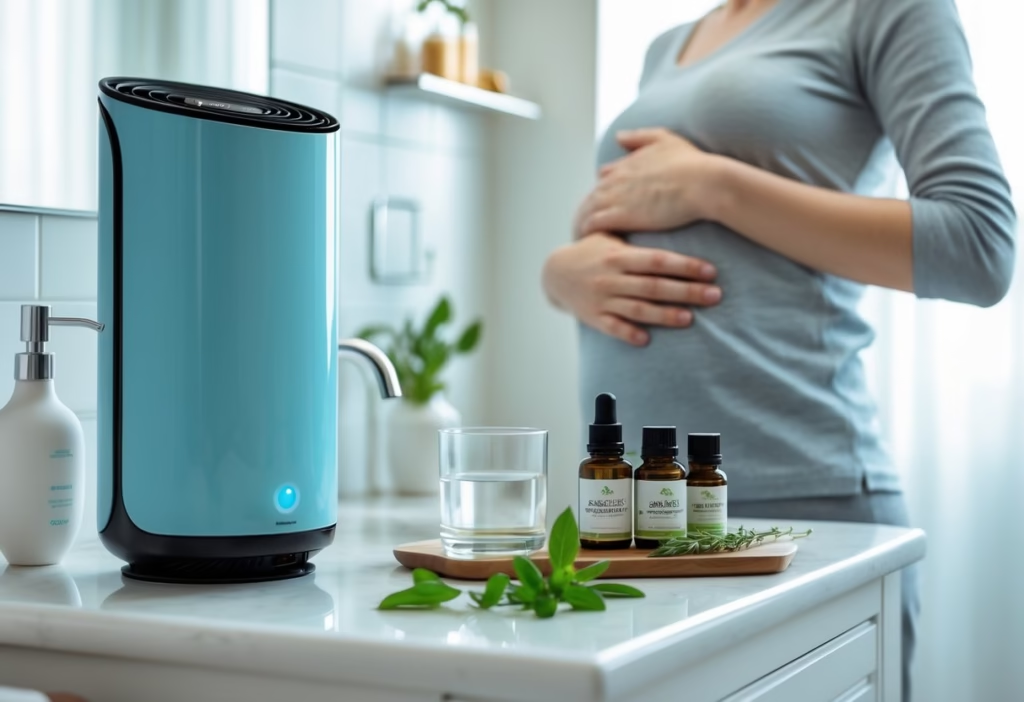
Digestive odors stem from bacterial activity in your gut, and certain essential oils contain compounds that can neutralize these smells while potentially reducing the bacteria responsible for producing them.
Understanding Digestive Odors
Digestive odors originate when bacteria in your colon break down undigested food, particularly proteins and sulfur-containing compounds. This fermentation process produces gases like hydrogen sulfide, ammonia, and methyl mercaptan, which create the characteristic unpleasant smell.
Your diet significantly impacts odor intensity. Foods high in sulfur—such as eggs, meat, garlic, and cruciferous vegetables—make symptoms worse because they provide more raw material for bacterial fermentation. When your digestive system doesn’t fully break down proteins in the small intestine, these compounds reach your colon where bacteria convert them into odorous gases.
Certain conditions intensify this problem. Lactose intolerance, small intestinal bacterial overgrowth (SIBO), and inflammatory bowel conditions create environments where bacterial fermentation increases. Poor transit time also plays a role: when food moves too slowly through your digestive tract, bacteria have more time to produce gases.
You should see a doctor if digestive odors occur with persistent diarrhea, blood in stool, unexplained weight loss, or severe abdominal pain, as these may indicate underlying conditions requiring medical treatment.
Odor-Causing Bacteria and the Digestive System
Your gut contains trillions of bacteria, and while many support healthy digestion, certain species produce more odorous compounds during their metabolic processes. Bacteria like Escherichia coli, Clostridium, and Bacteroides generate hydrogen sulfide and other sulfur-containing gases when they metabolize amino acids containing sulfur.
Imbalanced gut flora worsens odor production. When beneficial bacteria decline and putrefactive bacteria increase, fermentation shifts toward producing more volatile compounds. This imbalance often results from antibiotic use, stress, processed diets low in fiber, or conditions affecting digestive function.
Common triggers that disrupt bacterial balance:
- Antibiotics – kill beneficial bacteria along with harmful ones
- High-sugar diets – feed problematic bacterial strains
- Chronic stress – alters gut motility and bacterial composition
- Inadequate fiber – reduces beneficial bacteria that produce short-chain fatty acids
The location of bacterial overgrowth matters. SIBO occurs when bacteria colonize the small intestine inappropriately, leading to premature fermentation of food and excessive gas production with particularly strong odors.
Antimicrobial and Deodorizing Properties
Essential oils possess antimicrobial compounds that can influence bacterial populations in your digestive system. Peppermint oil contains menthol and menthone, which inhibit certain bacterial strains while potentially supporting beneficial flora. The active compound menthol also provides direct deodorizing effects by masking unpleasant smells.
Ginger oil’s antimicrobial activity comes from gingerol and shogaol, compounds that reduce pathogenic bacteria while supporting digestive motility. Better motility means less time for bacterial fermentation, which typically helps reduce odor production.
Essential oils with documented antimicrobial activity:
| Oil | Active Compounds | Bacterial Effect |
|---|---|---|
| Peppermint | Menthol, menthone | Inhibits gas-producing strains |
| Ginger | Gingerol, shogaol | Reduces pathogenic bacteria |
| Fennel | Anethole, fenchone | Carminative and antimicrobial |
| Chamomile | Bisabolol, chamazulene | Anti-inflammatory and antimicrobial |
What usually helps: Using enteric-coated capsules allows oils to reach your intestines intact rather than breaking down in your stomach. Taking them with meals improves tolerance and effectiveness.
What rarely helps: Applying oils topically to your abdomen won’t directly affect internal bacterial populations, though aromatherapy may reduce stress that exacerbates digestive issues.
Medical Disclaimer: Essential oils should complement, not replace, medical treatment for digestive conditions. Always consult your healthcare provider before using essential oils internally, especially if you have existing digestive disorders, take medications, or are pregnant or nursing.
Top Essential Oils for Masking or Easing Digestive Odors

Certain essential oils contain compounds that can address digestive discomfort while helping to neutralize unpleasant odors through both aromatic masking and potential digestive support. The most effective options include peppermint for its antispasmodic properties, citrus oils for their odor-neutralizing abilities, ginger for nausea relief, and fennel or anise for reducing gas production.
Peppermint Oil Benefits and Applications
Peppermint oil contains menthol, which relaxes the smooth muscles in your digestive tract and can reduce spasms that contribute to gas and bloating. This relaxation effect may help decrease the fermentation processes that produce foul-smelling compounds.
You can apply diluted peppermint oil topically to your abdomen or inhale it directly. For topical use, mix 2-3 drops with a carrier oil like coconut or jojoba oil before massaging onto your stomach in circular motions.
Common mistake: Applying undiluted peppermint oil directly to skin causes burning and irritation. Always dilute first.
Research shows peppermint oil can reduce symptoms of irritable bowel syndrome, which often includes excessive gas. However, peppermint can worsen acid reflux in some people by relaxing the lower esophageal sphincter. If you experience heartburn after using peppermint, discontinue use and consider other options.
Lemon and Citrus Oils for Odor Elimination
Lemon oil and other citrus oils like orange essential oil work differently than peppermint—they primarily mask odors rather than address the underlying digestive issues. The limonene in citrus oils binds to odor molecules and helps neutralize them in the air.
For bathroom odor control, add 5-10 drops of lemon essential oil to a spray bottle with water and a small amount of witch hazel as an emulsifier. Spray this mixture in the air after bathroom use.
Orange essential oil provides similar benefits with a sweeter aroma that many find more pleasant than lemon. You can also add a few drops to your toilet bowl before use to help mask odors.
What rarely helps: Simply placing citrus oils in a diffuser far from the source of odors. Direct application near the problem area works better.
Keep in mind that citrus oils are photosensitive, so avoid applying them to exposed skin before sun exposure.
Ginger Oil for Digestive Comfort
Ginger oil targets the root causes of digestive odors by reducing nausea, speeding gastric emptying, and decreasing bacterial overgrowth in the gut. When food moves through your digestive system more efficiently, there’s less time for fermentation and production of smelly gases.
The active compounds gingerol and shogaol in ginger oil have anti-inflammatory properties that calm intestinal irritation. This makes ginger particularly useful for easing common digestive issues like indigestion and bloating.
Apply diluted ginger oil to your abdomen or add 1-2 drops to warm tea (ensure it’s food-grade oil). Some people find inhaling ginger oil helps with nausea-related digestive problems.
When to see a doctor: If you experience persistent digestive odors accompanied by severe abdominal pain, blood in stool, unexplained weight loss, or symptoms lasting more than two weeks, consult a healthcare provider.
Fennel and Anise Essential Oils for Gas and Bloating
Fennel essential oil and anise essential oil contain similar compounds—primarily anethole—that have carminative effects, meaning they help expel gas from your intestinal tract. This directly reduces the source of odors rather than just masking them.
Fennel oil relaxes the smooth muscles in your intestines, allowing trapped gas to pass more easily. This is why fennel seeds have been used traditionally after meals in many cultures.
Application methods:
- Dilute 2 drops in carrier oil and massage onto your lower abdomen
- Add 1 drop to warm water or herbal tea (food-grade only)
- Inhale directly from the bottle for quick relief
Anise essential oil works similarly but has a stronger licorice-like scent that some people find overpowering. Start with fennel if you’re sensitive to strong aromas.
What makes symptoms worse: Swallowing air while eating quickly, consuming carbonated beverages, or eating gas-producing foods like beans and cruciferous vegetables alongside using these oils diminishes their effectiveness.
Medical disclaimer: Essential oils are not regulated by the FDA and should not replace medical treatment. Pregnant women, nursing mothers, and individuals with chronic health conditions should consult a healthcare provider before using essential oils internally or topically.
Additional Effective Essential Oils and Synergistic Blends
Several lesser-known essential oils provide targeted digestive benefits through antispasmodic and carminative properties, while combining oils creates enhanced therapeutic effects that address both physical symptoms and the emotional stress that can worsen digestive issues.
Cardamom and Chamomile Essential Oils
Cardamom essential oil contains compounds like 1,8-cineole and alpha-terpineol that help reduce gas formation and ease intestinal spasms. You can apply 2-3 drops diluted in a carrier oil to your abdomen in clockwise circular motions, which follows the direction of your colon.
Chamomile oil, particularly Roman chamomile, works differently by calming smooth muscle contractions in your digestive tract. This makes it effective when bloating and odor stem from stress-related digestive upset rather than food choices alone. Roman chamomile has a gentler profile than German chamomile for digestive applications.
A common mistake is using these oils undiluted, which can irritate your skin and paradoxically worsen digestive discomfort through stress responses. Always dilute to 2-3% for adults.
When cardamom oil helps most:
- After meals high in fiber or legumes
- When you experience upper abdominal bloating
- For belching with odor
When chamomile oil helps most:
- During anxiety-related digestive issues
- For cramping with gas
- When stress triggers symptoms
Lavender and Marjoram Oils for Relaxation and Odor Relief
Lavender oil addresses digestive odors indirectly by reducing the stress response that disrupts normal gut motility. When you’re anxious, your digestive system slows down or speeds up unpredictably, creating fermentation that produces foul-smelling gases. Lavender’s linalool content calms your nervous system.
Marjoram essential oil contains terpinen-4-ol, which has antispasmodic effects on intestinal muscles. This helps move trapped gas through your system more efficiently rather than allowing it to accumulate and intensify in odor.
These oils work synergistically because lavender addresses the stress component while marjoram targets the physical tension. You’ll notice better results when combining them than using either alone, demonstrating aromatherapy synergy principles.
Apply a blend of 2 drops lavender and 1 drop marjoram in 1 teaspoon carrier oil to your lower abdomen before bed if nighttime digestive discomfort disrupts your sleep.
Essential Oil Blends for Digestive Support
Creating essential oil blends for digestive support requires understanding which oils address different aspects of odor production. A basic three-oil blend combines peppermint (for gas), fennel (for bloating), and ginger (for nausea), diluted to 2% in a carrier oil.
Understanding essential oil chemistry helps you avoid counterproductive combinations. Don’t mix stimulating oils like rosemary with relaxing oils like chamomile for digestive issues, as they send conflicting signals to your nervous system.
Effective blend ratios:
- For gas and odor: 3 drops peppermint, 2 drops cardamom, 1 drop fennel in 2 tablespoons carrier
- For stress-related symptoms: 2 drops lavender, 2 drops Roman chamomile, 1 drop marjoram in 2 tablespoons carrier
What rarely helps is adding more oils to create complex blends beyond 3-4 oils. This dilutes the therapeutic concentration of each component and makes it harder to identify which oil causes irritation if you react negatively.
See a doctor if digestive odors accompany severe pain, blood in stool, unexplained weight loss, or persistent symptoms lasting beyond two weeks, as these indicate conditions requiring medical diagnosis rather than aromatherapy support.
Medical Disclaimer: Essential oils are complementary approaches and should not replace medical evaluation for persistent digestive symptoms. Consult your healthcare provider before using essential oils if you’re pregnant, nursing, or taking medications.
Safe and Effective Methods for Using Essential Oils
Essential oils require proper dilution and application methods to work safely, with most topical uses needing a 1-3% dilution ratio in carrier oils and diffusion requiring adequate ventilation to prevent respiratory irritation.
Diffusing and Inhalation Techniques
Using a diffuser allows you to disperse essential oils into the air where they can help mask digestive odors in bathrooms or living spaces. Add 3-5 drops of your chosen oil to a diffuser and run it in well-ventilated areas for 30-60 minutes at a time.
Waterless diffusers work better than water-based models if you have respiratory sensitivities or a compromised immune system. Water-based diffusers can harbor bacteria that gets dispersed with the essential oil vapor.
Common mistakes to avoid:
- Running diffusers continuously for hours, which can irritate your lungs and heart
- Using them in small, unventilated spaces where oils concentrate
- Diffusing around children under 2.5 years old with peppermint oil, which can cause breathing difficulties
For direct inhalation, place 1-2 drops on a cotton ball or tissue and hold it near your nose. You can also use the steam method by adding drops to hot water, covering your head with a towel, and breathing the vapor with closed eyes. This technique works well before situations where you anticipate digestive discomfort.
Topical Application and Dilution Guidelines
Diluting essential oils properly prevents skin irritation and chemical burns that occur when you apply concentrated oils directly. For abdominal massage to ease digestive discomfort, use a 2% dilution ratio: 12 drops of essential oil per ounce (30 ml) of carrier oil.
Dilution guidelines by area:
- Face and sensitive skin: 1% (6 drops per ounce)
- Body and limbs: 2-3% (12-18 drops per ounce)
- Small targeted areas: 3-5% (18-30 drops per ounce)
Mix the essential oil thoroughly with your carrier oil before applying. Test a small amount on your inner forearm and wait 24 hours to check for reactions like redness, itching, or burning.
Apply diluted peppermint or ginger oil to your lower abdomen using gentle clockwise circular motions, which follows your digestive tract’s natural direction. This application method may help with bloating that contributes to gas and odor issues. Avoid broken skin, mucous membranes, and areas near your eyes.
Carrier Oils and Hydrosols
Carrier oils dilute essential oils and help them absorb into your skin without evaporating immediately. Jojoba oil works exceptionally well because it resembles your skin’s natural sebum and doesn’t go rancid quickly. Other effective options include fractionated coconut oil, sweet almond oil, and grapeseed oil.
Choose unscented carrier oils so they don’t interfere with your essential oil’s aroma or therapeutic properties. Cold-pressed and organic varieties contain fewer additives and solvents that might irritate sensitive skin.
| Carrier Oil | Best For | Shelf Life |
|---|---|---|
| Jojoba oil | All skin types, long-term storage | 2-3 years |
| Fractionated coconut oil | Light absorption, non-greasy | 1-2 years |
| Sweet almond oil | Dry skin, massage | 6-12 months |
| Grapeseed oil | Oily skin, quick absorption | 6 months |
Hydrosols (floral waters) provide a gentler alternative for those with extremely sensitive skin. These aromatic waters contain trace amounts of essential oils left over from steam distillation. You can spray peppermint or fennel hydrosol directly on your skin or add it to bathwater without further dilution.
Precautions on Ingesting Essential Oils
Ingesting essential oils is unsafe without direct supervision from a qualified healthcare provider or certified aromatherapist. The high concentration makes them toxic when swallowed, potentially causing liver damage, seizures, and severe gastrointestinal burns.
The FDA doesn’t regulate essential oils for internal use, meaning bottles may contain unlisted ingredients or contaminants. What seems like a natural solution for digestive issues can actually worsen your symptoms or create new health problems.
Some people mistakenly believe that taking peppermint or ginger oil internally will help digestion more effectively than external use. This rarely helps and often causes harm. Your digestive system’s mucous membranes are highly sensitive to concentrated essential oils.
When to see a doctor:
- If you accidentally ingest essential oils, contact poison control immediately
- If topical application causes persistent burning, swelling, or blistering
- If respiratory symptoms like wheezing or difficulty breathing develop during diffusion
- If digestive odors persist despite dietary changes and proper hygiene
Medical disclaimer: This information is for educational purposes and doesn’t replace medical advice. Consult your healthcare provider before using essential oils if you’re pregnant, nursing, taking medications, or have existing health conditions.
Supporting Digestive Wellness Beyond Essential Oils
While essential oils can help mask odors, addressing the underlying causes of digestive issues requires lifestyle modifications that support your gut microbiome and improve nutrient absorption. Combining dietary changes, enzyme support, stress reduction, and microbiome health creates a comprehensive approach to digestive wellness.
Mindful Eating and Balanced Diet
Your eating habits directly affect how well your digestive system breaks down food and produces gas. When you eat too quickly, you swallow excess air, which contributes to bloating and flatulence. Chewing each bite 20-30 times allows salivary enzymes to begin breaking down carbohydrates before they reach your stomach.
A balanced diet rich in fiber helps move food through your digestive tract at the right pace. However, adding too much fiber too quickly causes increased gas production as your gut bacteria adjust. Start with 5 grams of additional fiber per day and increase gradually over several weeks.
Common mistakes that worsen digestive odors:
- Drinking carbonated beverages with meals
- Eating large portions late at night
- Consuming high-sulfur foods (eggs, meat, cruciferous vegetables) without digestive support
- Skipping meals then overeating
Foods that rarely help include those marketed as “gut-friendly” but loaded with sugar alcohols like sorbitol and xylitol, which ferment in your colon and create foul-smelling gas.
Digestive Enzymes and Nutrient Absorption
Your pancreas produces digestive enzymes that break down proteins, fats, and carbohydrates. When enzyme production decreases with age or due to certain conditions, undigested food particles reach your colon where bacteria ferment them, creating hydrogen sulfide and other odorous compounds.
Supplemental digestive enzymes containing protease, lipase, and amylase taken with meals can reduce this fermentation. Look for products with at least 20,000 USP units of protease and 10,000 USP units of lipase per capsule.
What usually helps:
- Taking enzymes at the start of meals
- Choosing broad-spectrum enzyme formulas
- Pairing enzymes with probiotic-rich foods
What rarely helps:
- Taking enzymes hours after eating
- Using single-enzyme supplements for mixed meals
Malabsorption issues like lactose intolerance or pancreatic insufficiency produce particularly strong-smelling gas. If you experience chronic diarrhea, unexplained weight loss, or oily stools along with odor issues, consult a gastroenterologist for testing.
Stress Management and Deep Breathing
Your gut-brain connection means that stress directly impacts your digestive health through the vagus nerve. When you’re anxious, your body diverts blood away from your digestive system, slowing motility and allowing food to sit longer in your intestines where it ferments.
Deep breathing exercises activate your parasympathetic nervous system, which promotes healthy digestion. Practice diaphragmatic breathing for 5 minutes before meals: inhale slowly through your nose for 4 counts, hold for 4 counts, then exhale through your mouth for 6 counts.
Chronic stress also increases intestinal permeability and alters your gut microbiome composition, favoring bacteria that produce more gas. Studies show that people with irritable bowel syndrome who practice daily relaxation techniques experience 30-40% fewer symptoms.
Gut Microbiome and Overall Gut Health
Your gut microbiome contains trillions of bacteria that influence how efficiently you digest food and how much gas you produce. An imbalanced microbiome with too many pathogenic bacteria creates excessive amounts of hydrogen, methane, and hydrogen sulfide during fermentation.
Supporting your gut health requires feeding beneficial bacteria with prebiotic fibers like inulin, resistant starch, and partially hydrolyzed guar gum. These fibers nourish Bifidobacteria and Lactobacilli species that produce less gas than other bacterial strains.
Probiotic supplements containing Lactobacillus plantarum and Bifidobacterium lactis have shown effectiveness in reducing bloating and gas in clinical trials. Take 10-20 billion CFUs daily, preferably strains that have been studied for your specific symptoms.
When to see a doctor:
- Sudden changes in bowel habits lasting more than 2 weeks
- Blood in stool
- Unintentional weight loss
- Severe abdominal pain
- Odors accompanied by fever
Medical Disclaimer: This information is not intended to diagnose, treat, cure, or prevent any disease. Consult your healthcare provider before starting any new supplement regimen, especially if you have existing digestive conditions or take medications.