Antibiotics save lives by eliminating harmful bacteria, but they also wipe out beneficial gut bacteria that keep your digestive system functioning properly. After completing a course of antibiotics, your gut microbiome needs time and the right conditions to rebuild itself. What you eat during this recovery period can either support healing or set you back significantly.
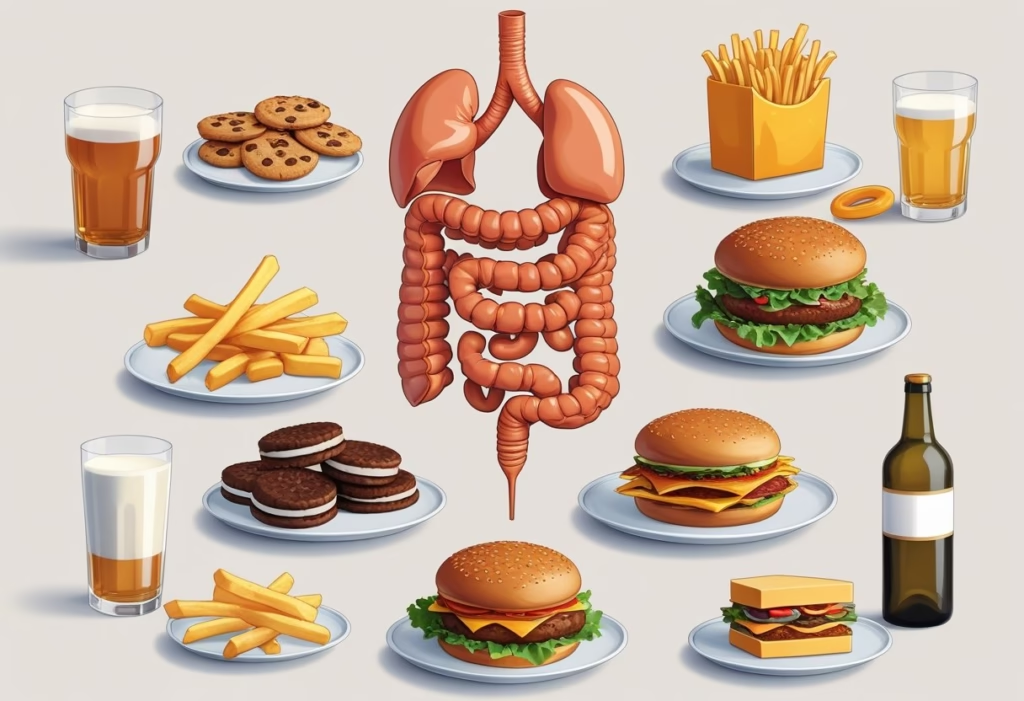
The worst foods to eat after antibiotics include processed sugars, artificial sweeteners, alcohol, fried foods, and highly processed items that feed harmful bacteria while starving the beneficial strains your gut needs to recover. These foods can prolong digestive symptoms like bloating, irregular bowel movements, and discomfort that many people experience after antibiotic treatment.
Understanding which foods to avoid and why they interfere with gut recovery helps you make better choices during this vulnerable period. Small dietary adjustments can mean the difference between weeks of digestive issues and a smoother return to normal gut function.
Why Gut Healing Is Crucial After Antibiotics
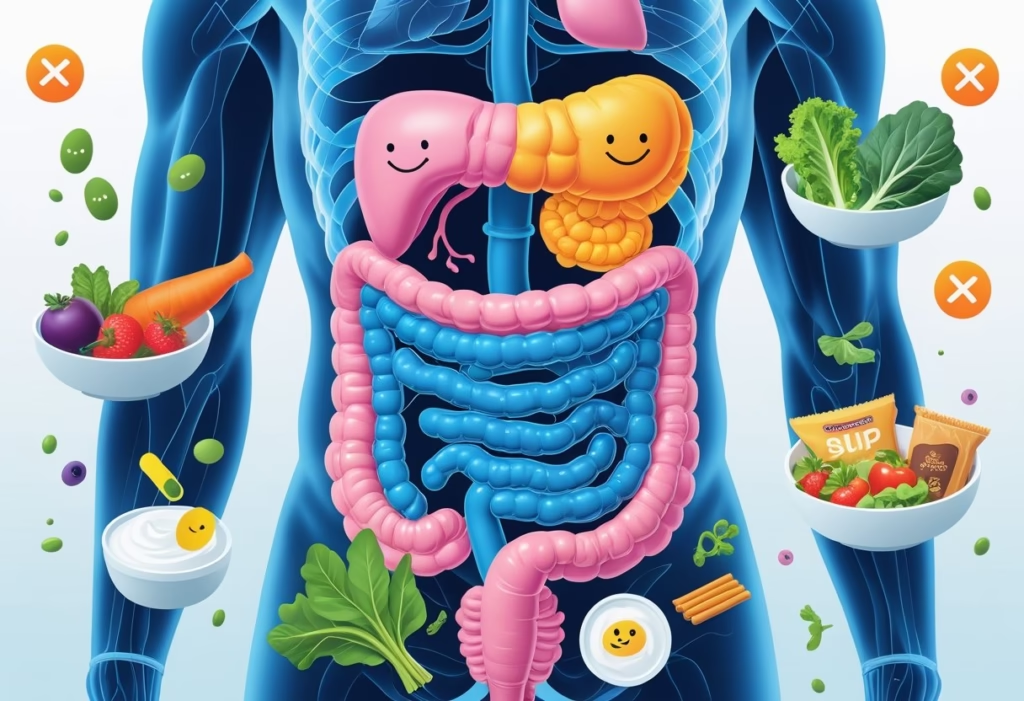
Antibiotics disrupt the delicate ecosystem of your gut microbiome, leading to both immediate and lasting health consequences. Understanding these effects helps explain why proper gut recovery matters for your overall wellbeing.
How Antibiotics Affect Gut Bacteria
Antibiotics eliminate both harmful and beneficial bacteria in your gut microbiome. Research shows that bacterial load can drop from 10 billion colony-forming units to just 100,000-1 million within 12 hours of starting antibiotic treatment.
Your gut typically houses 500-1,000 different bacterial species. Broad-spectrum antibiotics reduce this diversity significantly, sometimes by 25-50%. Certain families like Bacteroidetes may drop to less than 10% of their original levels within the first day of treatment.
The recovery pattern varies by antibiotic type and your individual factors. Bacterial numbers often bounce back within 2-3 days, even while you’re still taking the medication. However, composition changes persist much longer.
Some resistant bacteria like Bacteroides vulgatus can temporarily dominate your gut, rising from 4% to over 50% of total bacteria during treatment. This creates an imbalanced state where opportunistic species fill ecological niches left empty by eliminated bacteria.
Short- and Long-Term Consequences of Imbalanced Microbiome
Immediate disruption of your gut microbiome increases infection susceptibility. You become more vulnerable to pathogens like C. difficile because protective bacteria that normally prevent colonization are absent.
Your body experiences metabolic changes that affect weight regulation, insulin sensitivity, and inflammation levels. These shifts can contribute to adiposity and insulin resistance that persist months after antibiotics end.
Brain fog, fatigue, and irritability often emerge from gut-brain axis disruption. Your gut bacteria produce neurotransmitter precursors and communicate with your nervous system through the vagus nerve. When this communication breaks down, cognitive and mood symptoms follow.
Long-term consequences include sustained diversity loss. Some bacterial species may not return for months or years, especially if your diet lacks sufficient fiber. Cross-generational studies show that microbiome depletion can compound over time when beneficial bacteria aren’t restored.
Signs Your Gut Is Out of Balance
Digestive symptoms appear first and most obviously:
- Bloating or gas after meals
- Loose stools or diarrhea (3+ watery bowel movements daily)
- Constipation (fewer than 3 bowel movements weekly)
- Cramping or abdominal discomfort
Systemic symptoms indicate broader microbiome dysfunction:
- Brain fog or difficulty concentrating
- Persistent fatigue despite adequate sleep
- Mood changes like irritability or anxiety
- Food intolerances that weren’t present before
When to see a doctor: Contact your healthcare provider if you have severe diarrhea (more than 5-6 watery stools daily), blood in stool, fever above 101°F, or symptoms lasting beyond 2 weeks after finishing antibiotics. These may indicate C. difficile infection or other complications requiring immediate medical attention.
Skin issues like new acne or eczema flares can signal gut imbalance, as 70% of your immune system resides in your digestive tract. Frequent infections or prolonged illness recovery also suggest compromised gut health.
Medical disclaimer: This information is for educational purposes only and does not replace professional medical advice. Consult your healthcare provider for diagnosis and treatment of any health conditions.
Foods and Ingredients to Strictly Avoid After Antibiotics
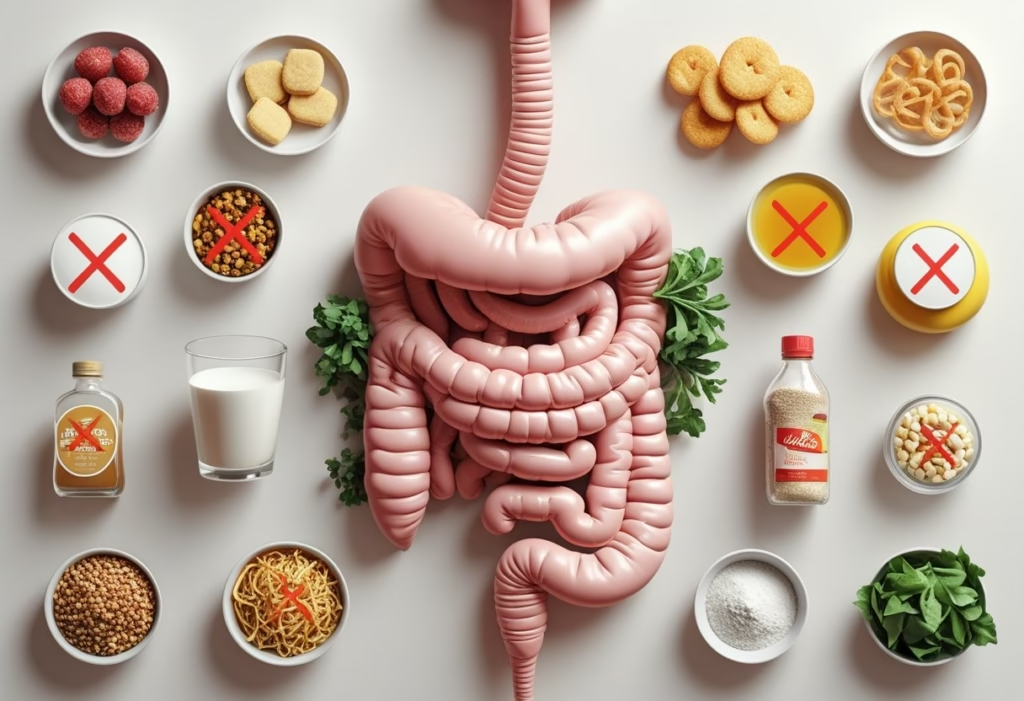
Certain foods actively disrupt the recovery of your gut bacteria after antibiotic treatment, either by feeding harmful microorganisms, damaging the intestinal lining, or preventing beneficial bacteria from recolonizing. These foods create conditions that worsen digestive issues and delay microbiome restoration.
Processed Foods and Additives
Processed foods contain emulsifiers like carboxymethylcellulose and polysorbate-80, which research published in Nature has shown directly damage the gut barrier and reduce microbial diversity. Your gut bacteria cannot properly recolonize when exposed to these chemical additives.
Foods with artificial preservatives such as sodium benzoate and sulfites inhibit bacterial growth indiscriminately, affecting both harmful and beneficial strains. This prevents the restoration of healthy gut flora.
Common culprits include:
- Pre-packaged meals and frozen dinners
- Processed meats (hot dogs, deli meats, bacon)
- Instant noodles and boxed meal kits
- Shelf-stable baked goods
- Fast food items
The high sodium content in processed foods also creates an osmotic imbalance that worsens diarrhea, a common post-antibiotic symptom. Many people mistakenly eat convenient processed foods when feeling unwell, but this extends recovery time by weeks rather than days.
Excess Sugar and Artificial Sweeteners
High sugar intake feeds opportunistic yeast like Candida albicans, which overgrow when antibiotic treatment eliminates competing bacteria. Studies show that consuming more than 25 grams of added sugar daily after antibiotics increases the risk of fungal overgrowth by 40%.
Artificial sweeteners including aspartame, sucralose, and saccharin alter gut bacteria composition according to research in Cell Metabolism. These compounds reduce beneficial bacteria populations and impair glucose metabolism.
Sugar alcohols like sorbitol and xylitol cause osmotic diarrhea by drawing water into the intestines. Your already-disrupted gut cannot handle these poorly absorbed compounds.
Watch for hidden sugars in:
- Flavored yogurts (even “probiotic” versions)
- Sports drinks and vitamin waters
- Granola bars and protein bars
- Condiments and salad dressings
The combination of a weakened microbiome and excess sugar creates ideal conditions for small intestinal bacterial overgrowth (SIBO), which causes bloating, gas, and abdominal pain that persists for months.
Alcoholic and Carbonated Beverages
Alcohol disrupts gut barrier function and kills beneficial bacteria while promoting inflammation. Even moderate drinking (one drink daily) impairs microbiome recovery for 2-3 weeks after finishing antibiotics.
Your liver is already processing antibiotic metabolites, and adding alcohol increases the burden on this detoxification system. This combination can cause elevated liver enzymes and prolonged fatigue.
Carbonated beverages introduce excess gas into an already-sensitive digestive system, worsening bloating and cramping. The phosphoric acid in many sodas reduces calcium absorption and creates an acidic environment that beneficial bacteria struggle to tolerate.
Specific drinks to avoid:
- Beer (contains gluten and fermentable sugars)
- Wine (high in sulfites and histamines)
- Hard seltzers (artificial sweeteners and carbonation)
- Regular and diet sodas
- Energy drinks with carbonation
Many people think kombucha is beneficial post-antibiotics, but the alcohol content (0.5-2%) and carbonation often irritate the gut lining before it has healed. Wait at least two weeks after completing antibiotics before introducing fermented beverages.
Medical Disclaimer: This information is for educational purposes and does not replace professional medical advice. Consult your healthcare provider before making dietary changes after antibiotic treatment, especially if you experience severe abdominal pain, bloody stools, or fever above 101°F.
Foods That Can Trigger Digestive Issues During Gut Recovery
After antibiotics, your intestinal lining is vulnerable and your stomach acid production may be disrupted, making certain foods more likely to cause bloating, gas, diarrhea, or nausea. These problematic foods typically either irritate the gut wall directly, slow digestion, or feed harmful bacteria that may have overgrown during treatment.
Certain Dairy Products and Cheeses
Antibiotics can temporarily reduce lactase-producing bacteria in your gut, making you more sensitive to lactose even if you never had issues before. This explains why milk, soft cheeses, and ice cream suddenly cause bloating, gas, or diarrhea during recovery.
Hard aged cheeses like cheddar or parmesan contain minimal lactose and rarely cause problems. The issue is concentrated dairy products—especially milk, cream-based sauces, and soft cheeses like ricotta or cottage cheese. These require more digestive enzymes your depleted gut may not produce efficiently.
A common mistake is switching to low-fat dairy thinking it’s gentler. Fat content isn’t the problem; lactose is. If you experience cramping or loose stools within 30 minutes to 2 hours after dairy, that’s lactose intolerance.
Plain yogurt with live cultures is different. The beneficial bacteria pre-digest much of the lactose, and certain strains like Lactobacillus acidophilus actually help restore gut function. Choose unsweetened varieties since added sugars can worsen symptoms.
Foods High in Saturated Fat and Fried Foods
High-fat foods slow gastric emptying significantly, leaving food sitting in your stomach longer. This creates pressure that can cause nausea and allows bacteria more time to ferment the contents, producing uncomfortable gas and bloating.
Fried foods are particularly problematic because the high-heat cooking process creates compounds that irritate an already sensitive gut lining. French fries, fried chicken, doughnuts, and heavily processed snack foods delay digestion by 2-3 hours compared to their non-fried equivalents.
Your stomach acid and bile production may already be imbalanced after antibiotics. Fatty foods require substantial bile to digest, and insufficient bile leads to fat malabsorption—resulting in greasy, floating stools and cramping.
What rarely helps: Switching from one type of fried food to another. The cooking method is the issue, not the base ingredient. What usually helps: Baking, steaming, or grilling instead, and limiting saturated fat intake to under 10 grams per meal during recovery.
Spicy and Highly Acidic Foods
Capsaicin in hot peppers directly stimulates pain receptors in your digestive tract. When your gut barrier is compromised after antibiotics, these receptors become hypersensitive, causing burning sensations, cramping, or diarrhea at spice levels you normally tolerate.
Highly acidic foods like citrus fruits, tomato sauce, and vinegar-based dressings lower the pH in your stomach and intestines. While stomach acid itself is necessary for digestion, adding more acid through food can overwhelm your gut’s buffering capacity and cause reflux or nausea.
The timing matters. These foods cause the most problems when eaten on an empty stomach or first thing in the morning when your stomach acid is already concentrated.
When to see a doctor: If you experience severe burning pain in your upper abdomen, black stools, or vomiting after acidic foods, you may have developed gastritis or an ulcer—complications that sometimes follow antibiotic use.
Large Amounts of Caffeine or Chocolate
Caffeine stimulates gastric acid secretion and accelerates gut motility. This explains why coffee on an empty stomach causes nausea or sends you running to the bathroom. After antibiotics disrupt your gut balance, even moderate amounts—around 200mg or two cups of coffee—can trigger diarrhea or cramping.
Chocolate contains both caffeine and theobromine, compounds that relax the lower esophageal sphincter. This allows stomach acid to flow back up, causing heartburn. Dark chocolate has higher concentrations than milk chocolate.
Both substances also have a mild laxative effect by increasing intestinal contractions. This is why they’re particularly problematic if you’re already dealing with loose stools or urgency after antibiotics.
Common mistake: Assuming decaf coffee is safe. It still contains acids and oils that stimulate acid production. Herbal teas like chamomile or ginger are genuinely gentler alternatives during recovery.
Medical disclaimer: This information is for educational purposes and does not replace professional medical advice. If digestive symptoms persist beyond two weeks after finishing antibiotics or worsen over time, consult your healthcare provider to rule out conditions like C. difficile infection or antibiotic-associated colitis.
Common Food Triggers for Gut Symptoms Post-Antibiotics
After antibiotic treatment disrupts your gut microbiota, certain foods can intensify digestive symptoms like gas, bloating, and constipation. Understanding which foods commonly trigger reactions and why they affect a compromised gut helps you make informed dietary choices during recovery.
High-FODMAP Foods: When to Be Cautious
FODMAPs (Fermentable Oligosaccharides, Disaccharides, Monosaccharides, and Polyols) are short-chain carbohydrates that bacteria in your colon rapidly ferment. After antibiotics reduce beneficial bacteria that normally handle these compounds, undigested FODMAPs can cause excessive gas and bloating.
Common high-FODMAP foods that trigger symptoms:
- Fructans: onions, garlic, wheat, rye
- Galacto-oligosaccharides: beans, lentils, chickpeas
- Lactose: milk, soft cheeses, ice cream
- Polyols: apples, pears, cauliflower, mushrooms
Research shows that antibiotic-induced microbial changes reduce populations of Bifidobacterium and Lactobacillus species that help break down these carbohydrates. Without adequate levels of these bacteria, FODMAPs pass into your colon where remaining bacteria ferment them, producing hydrogen and methane gases.
You don’t need to avoid all high-FODMAP foods permanently. A temporary reduction (2-6 weeks) while your microbiota recovers often prevents symptoms. Reintroduce foods gradually to identify your specific triggers, as tolerance varies based on which bacterial populations antibiotics affected most.
Food Sensitivities and Personalized Triggers
Your individual reaction to foods post-antibiotics depends on your baseline microbiota composition, the specific antibiotic used, and treatment duration. What causes severe bloating in one person may not affect another.
Track these common triggers:
| Food Category | Why It May Cause Problems |
|---|---|
| Dairy products | Reduced lactase-producing bacteria leads to lactose intolerance |
| Raw vegetables | Cellulose requires specific bacteria to digest properly |
| Sugar alcohols (sorbitol, xylitol) | Ferment rapidly without adequate gut bacteria |
| Spicy foods | Can irritate an already sensitive intestinal lining |
Keep a detailed food and symptom diary for at least two weeks. Note what you eat, portion sizes, and symptoms that occur within 2-24 hours. This timeline matters because bacterial fermentation in your colon takes several hours.
Studies indicate that 40-60% of people report new food sensitivities after antibiotic courses. Most sensitivities resolve within 2-3 months as beneficial bacteria repopulate. See a gastroenterologist if symptoms persist beyond three months or worsen despite dietary modifications.
Link Between Certain Foods and Leaky Gut
Antibiotics increase intestinal permeability by disrupting the bacterial species that maintain tight junctions between intestinal cells. Certain foods can worsen this “leaky gut” condition during the vulnerable recovery period.
Foods that may compromise intestinal barrier function:
- Emulsifiers and processed foods: carrageenan, polysorbate-80, and carboxymethylcellulose in packaged foods directly damage the mucus layer
- Excessive alcohol: depletes protective mucin and increases permeability
- High-fat processed foods: promote inflammatory bacterial metabolites when beneficial bacteria are absent
Research demonstrates that antibiotics reduce Faecalibacterium prausnitzii and Roseburia species, which produce butyrate—a short-chain fatty acid that strengthens intestinal barrier integrity. Without adequate butyrate production, your gut lining becomes more susceptible to damage from inflammatory foods.
Focus on foods that support barrier repair: bone broth provides collagen and glutamine, while cooked vegetables offer easier-to-digest fiber that feeds remaining beneficial bacteria. Zinc-rich foods (pumpkin seeds, shellfish) also support tight junction proteins.
Medical Disclaimer: This information is for educational purposes and does not replace professional medical advice. Consult your healthcare provider before making significant dietary changes, especially if you experience severe or persistent digestive symptoms after antibiotic use.
Best Foods to Support Gut Healing and What to Replace
After antibiotics disrupt your gut bacteria, specific foods can actively rebuild your microbiome by feeding beneficial bacteria and reducing inflammation. The right replacements provide both the live bacteria your gut needs and the fuel those bacteria require to thrive.
Fermented Foods and Probiotic Options
Fermented foods deliver live beneficial bacteria directly to your digestive system, helping repopulate the strains antibiotics eliminated. Yogurt with live active cultures (look for Lactobacillus and Bifidobacterium strains on the label) provides 100 million to 1 billion CFUs per serving.
Kefir offers even more bacterial diversity than yogurt, typically containing 10-34 different strains. Sauerkraut and kimchi provide Lactobacillus plantarum, which research shows survives stomach acid better than many probiotic supplement strains.
Miso paste adds beneficial bacteria while also providing enzymes that support digestion. Start with 1-2 tablespoons daily in soups or dressings. Tempeh, kombucha, and traditional pickles (not vinegar-based) also qualify as probiotic foods.
Replace sweetened yogurt with plain varieties and add your own fruit. The added sugars in commercial yogurt can feed harmful bacteria you’re trying to eliminate. If dairy causes symptoms, coconut yogurt with live cultures works as an alternative.
Prebiotics and Resistant Starch
Prebiotics are specific plant fibers that feed beneficial gut bacteria, producing butyrate and other short-chain fatty acids that heal your intestinal lining. Without these fibers, even supplemented probiotics struggle to colonize effectively.
Garlic and onions contain inulin, a prebiotic that Bifidobacteria particularly thrive on. Cooked and cooled versions are often better tolerated than raw if you experience bloating. Leeks, asparagus, and Jerusalem artichokes provide similar benefits.
Resistant starch reaches your colon undigested, where bacteria ferment it into butyrate. Cooked and cooled potatoes, rice, and pasta develop resistant starch during cooling. Green bananas and plantains naturally contain high amounts.
Start with 5-10 grams of prebiotic fiber daily and increase gradually over 2-3 weeks. Rapid increases cause gas and bloating because your depleted bacterial population needs time to rebuild. If symptoms worsen significantly, reduce the amount and progress more slowly.
Replace low-fiber snacks with small portions of these prebiotic foods throughout the day rather than consuming large amounts at once.
Whole Grains and Plant-Based Fibers
Whole grains provide both soluble and insoluble fiber that supports bacterial diversity and regular bowel movements. Oats contain beta-glucan, which feeds beneficial bacteria while also reducing inflammation markers in the gut lining.
Brown rice, quinoa, and barley offer varied fiber types that support different bacterial species. Research indicates that people who eat 3+ servings of whole grains daily show significantly higher Bifidobacteria counts than those eating refined grains.
Beans, lentils, and chickpeas combine resistant starch with prebiotic fiber. A half-cup serving provides 6-8 grams of fiber plus proteins that beneficial bacteria use for growth.
Replace refined white bread, pasta, and rice with whole grain versions. This single swap typically adds 10-15 grams of fiber daily. If you experience constipation after antibiotics, the insoluble fiber in whole grains helps restore motility without the harsh effects of stimulant laxatives.
Nutrient-Dense Foods for Reducing Inflammation
Antibiotics can trigger intestinal inflammation that persists even after treatment ends. Specific nutrients actively reduce this inflammation while supporting the growth of protective bacteria strains.
Omega-3 fatty acids from salmon, sardines, and mackerel reduce inflammatory cytokines in the gut lining. Studies show 2-3 servings weekly increase Akkermansia muciniphila, a bacteria that strengthens the intestinal barrier.
Polyphenol-rich foods like blueberries, dark leafy greens, and green tea feed bacteria that produce anti-inflammatory compounds. Turmeric with black pepper enhances absorption of curcumin, which protects gut cells from oxidative damage.
Bone broth provides glutamine and glycine, amino acids that repair tight junctions between intestinal cells. These junctions often become compromised during antibiotic treatment, leading to increased permeability.
Replace inflammatory cooking oils (corn, soybean, safflower) with olive oil or avocado oil. This reduces omega-6 fatty acid intake that can worsen gut inflammation. Zinc from pumpkin seeds, oysters, and beef supports immune function in the gut lining, helping prevent opportunistic infections while healthy bacteria reestablish.
Medical Disclaimer: This information is educational and not a substitute for professional medical advice. Consult your healthcare provider before making significant dietary changes, especially if you have ongoing symptoms, chronic conditions, or are taking medications that may interact with these foods.
Lifestyle and Dietary Tips for a Healthier Gut After Antibiotics
Proper hydration and strategic meal timing can significantly reduce common post-antibiotic symptoms like nausea and fatigue, while specific dietary approaches help manage inflammation and support gut healing.
Hydration and Meal Timing
Water intake directly affects your gut’s ability to rebuild its protective mucus layer after antibiotics. Aim for 8-10 glasses daily, but avoid drinking large amounts with meals since this dilutes digestive enzymes when your gut is already compromised.
Spacing meals 3-4 hours apart gives your gut bacteria time to process food without constant interruption. This matters because antibiotics disrupt the bacterial populations that regulate your digestive rhythm, and frequent eating can worsen bloating and fatigue.
Common mistakes include:
- Drinking ice-cold water with meals, which slows digestion
- Eating late at night when gut repair processes peak
- Consuming large meals that strain weakened digestive capacity
Break your fast gently with room-temperature water 30 minutes before eating. This primes your digestive system without shocking it. Studies show that overnight fasting periods of 12-14 hours support beneficial bacteria regrowth, which antibiotics specifically target.
If you experience persistent nausea, sip water between meals rather than gulping it down. Your gut lining needs consistent moisture to heal, but overwhelming it triggers the nausea response.
Strategies to Manage Digestive Symptoms
Track your symptoms for 3-5 days to identify patterns. Note when fatigue worsens, whether nausea occurs before or after meals, and which foods trigger discomfort. This data reveals your specific triggers rather than relying on generic advice.
For nausea: Eat smaller portions every 2-3 hours instead of three large meals. Ginger tea (fresh, not powdered) reduces nausea by affecting serotonin receptors in your gut. Cold foods often sit better than hot foods because strong aromas can trigger nausea when your gut is inflamed.
For bloating and gas: Chew each bite 20-30 times. This sounds excessive, but antibiotics reduce digestive enzyme production, making mechanical breakdown critical. Avoid carbonated beverages entirely—they add gas when your compromised gut flora can’t process it efficiently.
To reduce inflammation: Cook all vegetables until soft. Raw vegetables contain insoluble fiber that irritates an inflamed gut lining. Bone broth provides amino acids like glutamine that directly repair intestinal cells damaged by antibiotics.
| Symptom | What Usually Helps | What Rarely Helps |
|---|---|---|
| Nausea | Ginger tea, cold bland foods, small frequent meals | Peppermint tea, spicy foods, probiotics on empty stomach |
| Fatigue | Earlier dinner (6-7 PM), protein at breakfast | Caffeine, skipping meals, intense exercise |
| Bloating | Cooked vegetables, mindful chewing | Digestive enzyme supplements, eating quickly |
See a doctor if you experience:
- Blood in stool or black, tarry stools
- Severe abdominal pain that worsens over 24 hours
- Fever above 101°F (38.3°C)
- Symptoms persisting beyond 2-3 weeks post-antibiotics
Gentle movement like 10-minute walks after meals reduces gas and supports motility when gut bacteria populations are rebuilding. However, intense exercise diverts blood from digestion and can worsen fatigue during the healing phase.
Medical Disclaimer: This information is for educational purposes and does not replace professional medical advice. Consult your healthcare provider before making significant dietary changes, especially if you have underlying health conditions or experience severe symptoms.