
You’ve switched to a healthier diet expecting to feel lighter and more energetic, but instead your stomach feels tight, uncomfortable, and maybe even more bloated than before. This frustrating experience is more common than you might think, and it doesn’t mean you’re doing something wrong. When you change your diet, bloating typically lasts anywhere from a few days to three weeks as your digestive system adjusts to new foods, different fiber levels, and shifts in your gut bacteria.
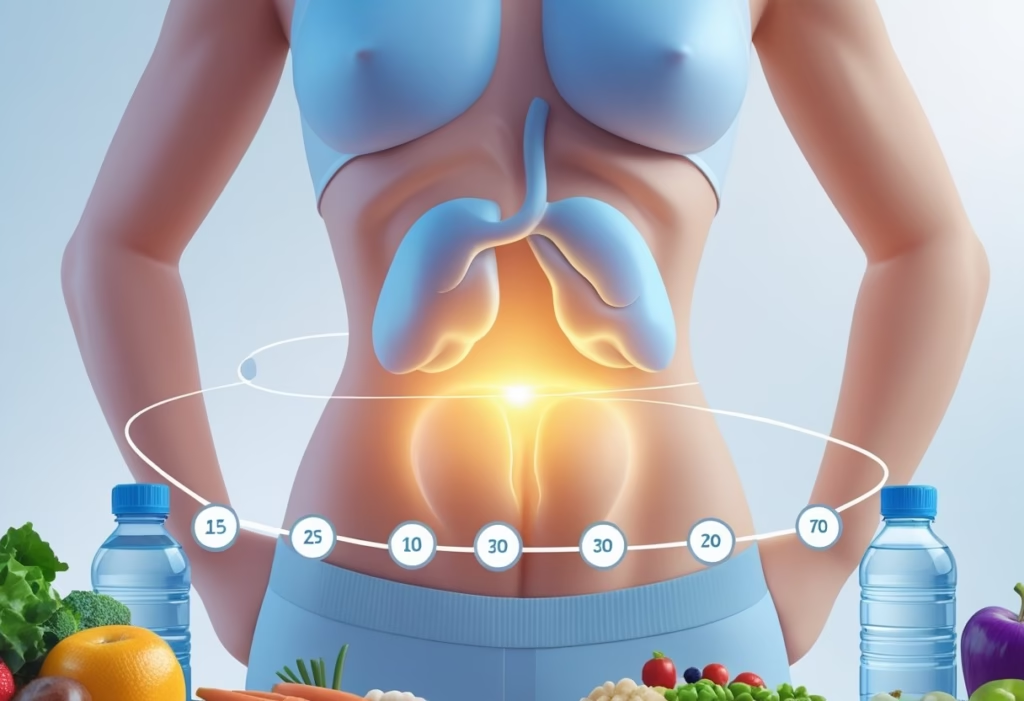
The discomfort you’re experiencing happens because your body needs time to adapt. Your gut bacteria must rebalance to process new nutrients, your digestive enzymes need to ramp up production, and your intestines have to adjust to different food volumes and compositions. Some people bounce back within a week, while others need longer depending on how drastic the dietary shift was and their individual gut health.
Understanding why this bloating occurs and what influences how long it lasts can help you manage the transition more comfortably. This article walks you through the adjustment period, explains the underlying causes of diet-related bloating, identifies specific triggers that might be prolonging your symptoms, and offers practical strategies to find relief without abandoning your new eating habits.
How Long Does Bloating Last After Changing Your Diet?

Diet-related bloating typically resolves within a few days to two weeks as your digestive system adjusts, though the exact timeline depends on the type of dietary change and your individual gut response.
Typical Duration of Diet-Related Bloating
When you change your diet, bloating usually appears within hours of eating and can persist for 3-7 days as your body adapts. If you’ve increased fiber intake significantly, the bloating often peaks around days 2-4 before gradually improving. Your gut bacteria need time to adjust to new food substrates, and your digestive enzymes may need to upregulate.
Post-meal bloating from dietary changes typically lasts 2-6 hours after eating. If you’ve switched to a high-fiber diet, you might experience fullness and gas that extends throughout the day initially. Plant-based diet transitions often cause bloating for 1-2 weeks as your microbiome shifts composition.
Common bloating timelines by diet type:
- High-fiber diet: 5-14 days of adjustment
- Low-FODMAP elimination: Initial improvement in 2-3 days, but reintroduction may cause temporary bloating lasting 6-24 hours per food
- Plant-based transition: 1-3 weeks for microbiome adaptation
- Increased protein intake: 3-7 days as digestive enzymes adjust
The bloating should follow a pattern of gradual improvement. If symptoms remain constant or worsen after two weeks, the issue likely isn’t simple adaptation.
Factors Affecting the Time Frame
The speed of dietary change matters significantly. Abrupt shifts cause more severe bloating than gradual transitions because your gut bacteria and enzyme production can’t keep pace. Adding 5-10g of fiber per week causes less disruption than jumping from 15g to 40g overnight.
Your baseline gut health determines adaptation speed. People with existing dysbiosis or slow gut motility experience longer adjustment periods. Previous antibiotic use can extend bloating duration to 3-4 weeks because beneficial bacteria populations rebuild slowly.
Factors that prolong diet-related bloating:
- Inadequate water intake with increased fiber
- Eating too quickly during diet changes
- Not chewing thoroughly
- Combining multiple dietary changes simultaneously
- Underlying SIBO or gut motility issues
- High stress levels affecting digestion
The specific foods you’ve added matter. Cruciferous vegetables, legumes, and sugar alcohols cause more fermentation than other high-fiber foods. Your body may adapt to oats within days but take weeks to tolerate large amounts of beans comfortably.
When to Be Concerned About Extended Symptoms
Bloating lasting beyond 3-4 weeks after dietary changes isn’t normal adaptation and requires investigation. Chronic bloating that persists despite reverting to your previous diet suggests the change revealed an underlying issue rather than caused temporary adjustment.
Red flags requiring medical attention:
- Bloating accompanied by unintended weight loss
- Severe abdominal pain rather than mild discomfort
- Bloating that worsens progressively after week 2
- Changes in bowel habits (sudden constipation or diarrhea)
- Visible abdominal distension that doesn’t resolve overnight
- Symptoms that interfere with daily activities
If you’ve eliminated a food group and bloating improved, then worsened again without dietary changes, this pattern suggests food intolerance or SIBO rather than simple adaptation. The same applies if bloating appears 6-48 hours after eating specific foods consistently.
Seek guidance from a gastroenterologist or registered dietitian if bloating persists beyond one month. Many people restrict their diets unnecessarily when the actual problem is gut motility, bacterial overgrowth, or inadequate digestive enzyme production. These conditions require specific treatment rather than further dietary restriction.
Medical disclaimer: This information is for educational purposes and doesn’t replace professional medical advice. Consult a healthcare provider for persistent or concerning digestive symptoms.
Why Bloating Occurs When Changing Your Diet
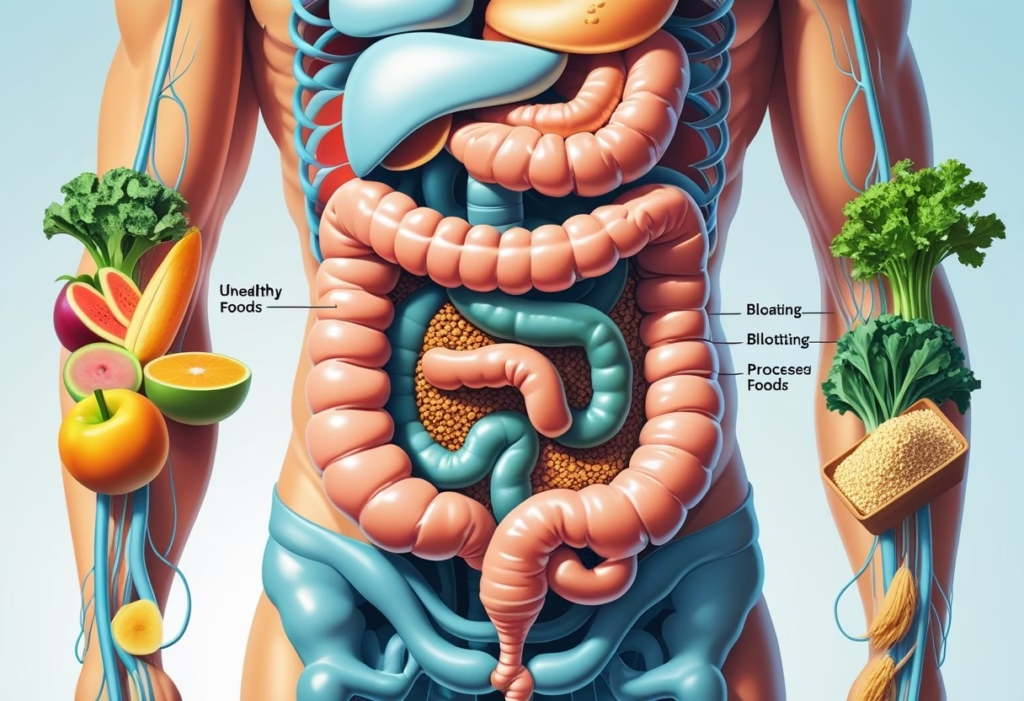
Dietary changes trigger bloating primarily through three mechanisms: your digestive system requires time to adjust to new food volumes and types, certain carbohydrates and fiber levels challenge your gut’s processing capacity, and your existing gut bacteria need weeks to adapt to their new fuel sources.
How Dietary Shifts Impact Digestion
Your digestive system operates on predictable patterns based on what you regularly consume. When you suddenly introduce different foods, your stomach and intestines must adjust their enzyme production and motility patterns to handle the new inputs.
Switching from a low-fiber to high-fiber diet creates the most common problem. Your intestines haven’t produced adequate levels of the specific enzymes needed to break down these complex carbohydrates efficiently. The undigested material then ferments in your colon, producing excess gas.
Calorie restriction also affects digestion directly. Eating too few calories slows gastric emptying and intestinal transit time, which means food sits longer in your system. This extended exposure allows more bacterial fermentation and gas production.
Changes in meal timing and portion sizes disrupt your established digestive rhythm. Your stomach produces acid and enzymes based on when it expects food, so irregular eating patterns can lead to incomplete digestion and bloating.
Role of Fiber, FODMAPs, and Sudden Changes
Fiber intake increases are the primary culprit behind diet-change bloating. Going from 10 grams to 30 grams of fiber daily within a few days overwhelms your system because your gut bacteria haven’t built up populations capable of processing that volume.
FODMAPs (fermentable oligosaccharides, disaccharides, monosaccharides, and polyols) present another challenge. These carbohydrates resist digestion in the small intestine and arrive intact in your colon, where bacteria ferment them rapidly.
Common high-FODMAP foods that cause problems:
- Wheat, onions, and garlic
- Legumes (beans, lentils, chickpeas)
- Apples, pears, and stone fruits
- Dairy products containing lactose
- Artificial sweeteners ending in “-ol”
The speed of dietary change matters significantly. Abrupt transitions don’t allow your digestive enzymes or gut bacteria adequate adaptation time. This creates a mismatch between what arrives in your gut and what your system can process, resulting in fermentation, gas, and fluid retention.
Gut Microbiome Adaptation
Your gut microbiome contains trillions of bacteria that specialize in digesting specific nutrients. When you change your diet, the bacterial populations must shift to match your new food intake. This transition period typically takes 2-4 weeks but can extend to several months.
Introducing new plant foods feeds different bacterial strains than a meat-heavy or processed-food diet. As beneficial fiber-fermenting bacteria multiply, they produce short-chain fatty acids and gases as metabolic byproducts. This bacterial population shift causes temporary bloating until the ecosystem stabilizes.
Dysbiosis, an imbalance in gut bacteria composition, amplifies bloating during dietary transitions. If you start with an unhealthy microbiome ratio, the adjustment period becomes longer and more uncomfortable. Prior antibiotic use, chronic stress, or a history of poor diet all contribute to dysbiosis.
Food intolerances often reveal themselves during diet changes. You may discover sensitivities to lactose, fructose, or other compounds that your gut bacteria cannot adequately process, leading to excessive gas production and persistent bloating beyond normal adaptation periods.
This information is for educational purposes and should not replace professional medical advice. Consult a healthcare provider if bloating persists beyond four weeks or occurs with severe pain, weight loss, or blood in stool.
Common Conditions and Food Triggers
Bloating after dietary changes often stems from specific food components your digestive system struggles to process, whether due to underlying conditions like IBS or celiac disease, or because certain carbohydrates ferment excessively in your gut.
Food Sensitivities and Intolerance
Food intolerance differs from food allergies because it involves your digestive system rather than your immune response. When you lack specific enzymes to break down certain foods, undigested particles move into your colon where bacteria ferment them and produce gas.
Lactose intolerance is one of the most common culprits, affecting roughly 68% of the global population. Your small intestine produces insufficient lactase enzyme to break down milk sugar, causing bloating within 30 minutes to 2 hours after consuming dairy products. The severity depends on how much lactose you consume and how little lactase you produce.
Unlike allergies that cause immediate reactions, food sensitivities build up gradually. You might tolerate small amounts of a trigger food but experience significant bloating when you exceed your threshold. This explains why you may feel fine one day but bloated the next after eating the same food.
Common intolerance symptoms beyond bloating:
- Excessive gas and cramping
- Diarrhea or loose stools
- Nausea without vomiting
- Fatigue after meals
FODMAPs and High-FODMAP Foods
FODMAPs are fermentable carbohydrates that draw water into your intestines and produce gas when gut bacteria break them down. The acronym stands for Fermentable Oligosaccharides, Disaccharides, Monosaccharides, and Polyols.
When you suddenly increase high-FODMAP foods in a new diet, your gut bacteria feast on these unabsorbed carbohydrates. This fermentation process generates hydrogen and methane gas within 2-4 hours of eating.
High-FODMAP foods that commonly trigger bloating:
| Category | Examples |
|---|---|
| Vegetables | Onions, garlic, cauliflower, mushrooms |
| Fruits | Apples, pears, watermelon, stone fruits |
| Legumes | Beans, lentils, chickpeas |
| Grains | Wheat, rye, barley |
| Sweeteners | Honey, high-fructose corn syrup, sugar alcohols |
Your small intestine absorbs FODMAPs poorly, so they travel to your colon mostly intact. People without digestive conditions can usually handle moderate amounts, but those with sensitive guts experience pronounced bloating.
Gastrointestinal Disorders Linked to Bloating
Irritable bowel syndrome affects how your gut muscles contract and how sensitive your intestinal nerves are to stretching. About 75% of IBS patients report bloating as their most bothersome symptom. Your gut may react strongly to normal amounts of gas that wouldn’t bother someone without IBS.
IBS-related bloating often worsens throughout the day and improves overnight when your digestive system rests. Stress and hormonal changes amplify symptoms because they affect gut motility and visceral sensitivity.
Celiac disease damages your small intestine’s lining when you eat gluten, impairing nutrient absorption and causing inflammation. Even trace amounts of wheat, barley, or rye trigger an autoimmune response. The resulting intestinal damage leads to malabsorption, bacterial overgrowth, and persistent bloating that doesn’t improve until you eliminate gluten completely.
You should see a doctor if you experience severe abdominal pain, unintentional weight loss, blood in stool, or bloating that persists beyond 2-3 weeks despite dietary modifications. These symptoms may indicate conditions requiring medical diagnosis rather than simple food triggers.
Medical Disclaimer: This information is for educational purposes and does not replace professional medical advice. Consult a healthcare provider for proper diagnosis and treatment of persistent digestive symptoms.
The Influence of Gut Health and Bacterial Imbalances
Your gut bacteria respond quickly to dietary changes, but imbalances can prolong bloating for weeks or even months. Understanding specific bacterial conditions helps explain why symptoms persist and when medical evaluation becomes necessary.
Gut Microbiome Shifts from Diet Change
When you change your diet, particularly when adding more fiber or switching to plant-based foods, your gut bacteria begin adapting within 24 hours. The types of bacteria that thrive depend on what you feed them—Bacteroides bacteria prefer high-fat Western diets, while Prevotella bacteria flourish on plant fibers.
This transition period typically causes bloating for 2-4 weeks as beneficial bacteria increase and others die off. The dying bacteria release gas and cellular debris, which triggers temporary digestive discomfort.
Your microbiome produces more short-chain fatty acids when processing plant fibers, which actually promotes gut healing. However, if you increase fiber intake too rapidly, gas-producing bacteria multiply faster than your digestive system can handle, extending bloating beyond the normal adjustment window.
Common mistakes that worsen symptoms:
- Adding 20+ grams of fiber daily all at once
- Eating large amounts of cruciferous vegetables without gradual introduction
- Switching between drastically different diets every few weeks
- Drinking insufficient water with high-fiber meals
Most people see improvement after 3-4 weeks if they increase fiber slowly and maintain consistency.
Small Intestinal Bacterial Overgrowth (SIBO)
SIBO occurs when bacteria that belong in your large intestine migrate upward into your small intestine. These bacteria ferment food before proper digestion occurs, creating excessive gas and bloating within 30-90 minutes after eating.
Unlike normal dietary adjustment bloating, SIBO symptoms don’t improve with time. Your bloating may worsen throughout the day and feel most severe after meals containing carbohydrates or fiber. Many people describe their abdomen as visibly distended, sometimes looking several months pregnant.
You should see a doctor if you experience:
- Bloating that persists beyond 6 weeks of dietary changes
- Weight loss without trying
- Severe abdominal pain or cramping
- Chronic diarrhea or constipation alternating
- Bloating that starts within an hour of eating and doesn’t resolve
SIBO requires specific testing through hydrogen breath tests. Treatment typically involves antibiotics (rifaximin is most common) or herbal antimicrobials, followed by dietary modifications. Without treatment, symptoms continue indefinitely regardless of diet quality.
Dysbiosis and Bacterial Overgrowth
Dysbiosis refers to an imbalance between beneficial and harmful bacteria throughout your digestive tract. This differs from SIBO because bacteria remain in appropriate locations but exist in wrong proportions.
Diet-induced dysbiosis happens when you consume excessive processed foods, sugar, or unhealthy fats. These foods promote inflammatory bacteria while starving beneficial strains. The resulting imbalance causes persistent bloating, irregular bowel movements, and sometimes mood changes or skin problems.
What usually helps:
- Fermented foods like sauerkraut, kimchi, or plain yogurt (start with 1-2 tablespoons daily)
- Probiotic supplements with guaranteed potency (look for 10+ billion CFUs with multiple strains)
- Consistent meal timing to regulate digestive rhythms
- Stress reduction during meals
What rarely helps:
- Probiotic supplements without dietary changes
- Eliminating all FODMAPs permanently
- Juice cleanses or detox protocols
- Taking digestive enzymes alone without addressing diet
Dysbiosis-related bloating typically improves within 4-8 weeks once you establish consistent eating patterns with whole foods. However, severe cases may require 3-6 months of dietary intervention plus targeted probiotics.
Medical Disclaimer: This information is for educational purposes only and does not replace professional medical advice. Consult a gastroenterologist or qualified healthcare provider for persistent digestive symptoms, especially if accompanied by pain, blood in stool, or unexplained weight changes.
Lifestyle, Habits, and Other Contributors
Beyond dietary changes themselves, daily habits and physiological responses directly affect how quickly bloating resolves. The way you eat, your activity level, and your nervous system all influence gas production and abdominal pressure.
Eating Pace, Swallowing Air, and Portion Size
When you eat too quickly, you swallow significantly more air than during slower-paced meals. This excess air gets trapped in your digestive system, contributing to that uncomfortable distended feeling. The aerophagia (swallowing air) also increases when you talk while eating, chew gum, or drink through straws.
Large portions compound this problem because your stomach stretches beyond its comfortable capacity. After changing your diet, especially if you’re adding more whole foods, oversized meals slow digestion considerably. Your body needs time to break down these foods, and overwhelming your system with volume extends bloating duration.
Common mistakes that worsen symptoms:
- Eating while distracted (watching TV, working)
- Not chewing food thoroughly
- Drinking large amounts of liquid during meals
- Consuming meals in under 10-15 minutes
Smaller, more frequent meals typically reduce bloating compared to three large daily portions. Chewing each bite 20-30 times gives your digestive enzymes a head start and minimizes swallowed air.
Fiber, Water Intake, and Physical Activity
If your diet change includes more fiber, inadequate water makes bloating worse and last longer. Fiber absorbs water in your intestines, but without enough fluid, it creates a traffic jam rather than smooth transit. This explains why people often feel more bloated initially when eating healthier high-fiber foods.
You need approximately 25-30 grams of water per gram of fiber consumed. Without this ratio, gas production increases as gut bacteria work harder to break down dry, slow-moving fiber.
Physical activity directly moves gas through your intestinal tract. Even a 10-minute walk after meals stimulates peristalsis (the wave-like muscle contractions that push food through your system). Sedentary behavior allows gas to accumulate, extending bloating from hours to potentially a full day.
What helps vs what rarely helps:
- Helps: Walking, yoga poses targeting digestion, consistent hydration throughout the day
- Rarely helps: Abdominal crunches, intense exercise immediately after eating, chugging water all at once
Stress, Rest and Digest, and Abdominal Pressure
Your nervous system has two modes: sympathetic (fight or flight) and parasympathetic (rest and digest). Chronic stress keeps you in sympathetic mode, which literally slows digestive function. Blood flow redirects away from your gut, enzymes decrease, and food sits longer—creating more gas and prolonged bloating.
The parasympathetic system, activated during relaxation, optimizes digestion. If you’re stressed while adjusting to a new diet, your body struggles to process even healthy foods efficiently. This increases abdominal pressure as gas accumulates with nowhere to go.
Poor sleep disrupts gut motility patterns and hormone regulation, both affecting how long bloating persists. Research shows that people sleeping less than 7 hours experience more frequent and severe digestive symptoms, including bloating that extends beyond typical 12-24 hour resolution times.
Breathing exercises and mindful eating activate your rest and digest response. Taking 5-10 deep breaths before meals signals your body to prioritize digestion, potentially cutting bloating duration significantly.
Medical disclaimer: Persistent bloating lasting more than a few weeks, especially with severe pain, unexplained weight loss, or blood in stools, requires medical evaluation to rule out conditions like IBS, celiac disease, or other gastrointestinal disorders.
Managing and Relieving Bloating After Dietary Changes
Transitioning your diet gradually, using targeted digestive aids, and recognizing when symptoms require medical attention can significantly reduce bloating discomfort and help your digestive system adapt to new eating patterns.
Gradual Diet Transitions and Elimination Diets
Your gut microbiome needs time to adjust when you introduce new foods, which is why sudden dietary shifts often trigger bloating. When increasing fiber intake, add 5 grams per day each week rather than jumping from 15 to 30 grams overnight. This gives your gut bacteria time to produce the enzymes needed to break down new food types.
An elimination diet systematically removes potential trigger foods for 2-4 weeks, then reintroduces them one at a time to identify specific culprits. Common triggers include lactose, fructose, sugar alcohols, and FODMAPs (fermentable carbohydrates found in wheat, onions, and legumes). Keep a detailed food diary noting portion sizes and symptom timing, since some people tolerate small amounts of trigger foods without issues.
A common mistake is eliminating too many foods at once, which makes it impossible to identify specific triggers. Remove one food group at a time and wait 3-5 days to assess changes. If you’re starting a high-protein or ketogenic diet, the temporary bloating typically resolves within 1-2 weeks as your digestive enzymes adjust to processing more protein and fat.
Digestive Aids and Medications
Digestive enzymes taken with meals help break down specific nutrients your body struggles to process. Lactase supplements work for lactose intolerance, while alpha-galactosidase helps digest beans and cruciferous vegetables. These work best when taken at the start of meals, not afterward.
Simethicone (found in Gas-X and Mylicon) breaks apart gas bubbles in your digestive tract, making them easier to pass. It provides relief within 30-60 minutes for gas-related bloating but doesn’t address bloating from water retention or slow digestion. Take 125-250mg after meals or at the first sign of bloating.
Peppermint oil capsules (enteric-coated to prevent heartburn) relax intestinal muscles and reduce cramping associated with bloating. Studies show 180-200mg taken 2-3 times daily can reduce IBS-related bloating by 40%. Probiotics containing Lactobacillus and Bifidobacterium strains may help after 4-8 weeks, though results vary significantly between individuals.
What rarely helps: activated charcoal has limited evidence for bloating relief and can interfere with medication absorption. Detox teas often work as laxatives, which can worsen bloating long-term.
When to Seek Professional Guidance
You should consult a healthcare provider if bloating persists beyond 2-3 weeks despite dietary changes, or if you experience severe abdominal pain, unintentional weight loss, blood in stool, or persistent vomiting. These symptoms may indicate celiac disease, inflammatory bowel disease, small intestinal bacterial overgrowth (SIBO), or gastroparesis.
Bloating that worsens throughout the day or causes visible abdominal distention (your waistband becomes noticeably tighter) warrants medical evaluation. A gastroenterologist can perform tests like hydrogen breath testing for SIBO or food intolerances, upper endoscopy for celiac disease, or gastric emptying studies.
If bloating coincides with starting a specific supplement or medication (including fiber supplements, iron pills, or certain antibiotics), discuss alternatives with your doctor rather than stopping medications independently. Women experiencing bloating alongside irregular periods or pelvic pain should see a gynecologist to rule out ovarian issues.
Medical Disclaimer: This information is for educational purposes and does not replace professional medical advice. Consult a healthcare provider for persistent or severe digestive symptoms.