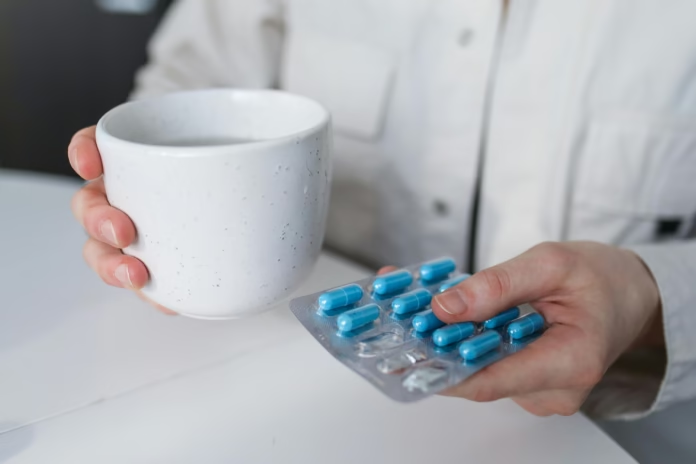
Antibiotics save lives by eliminating dangerous bacterial infections, but they don’t discriminate between harmful invaders and the beneficial bacteria that keep your digestive system running smoothly. After finishing a course of antibiotics, many people experience uncomfortable gut symptoms that can range from mild bloating to severe diarrhea. Your gut microbiome typically needs 14 to 30 days to recover after antibiotics, though some disruptions can last several months if left unaddressed.
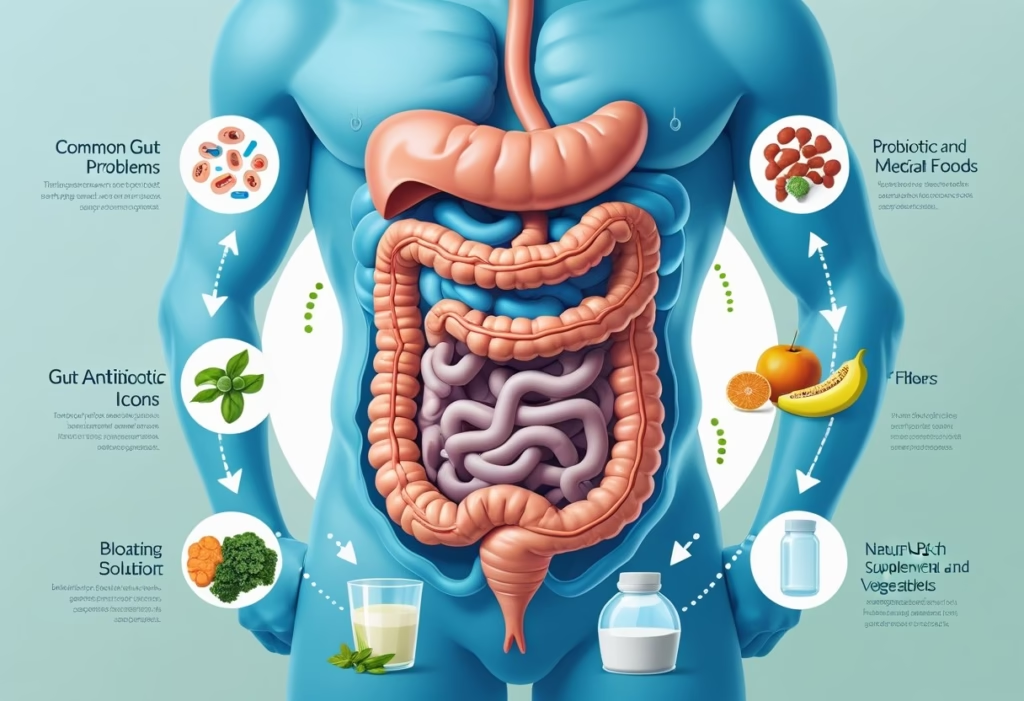
The connection between antibiotics and digestive problems isn’t just anecdotal. These medications disrupt the delicate ecosystem of microorganisms in your intestines, affecting everything from nutrient absorption to immune function. You might notice changes in your bowel movements, increased gas, or general abdominal discomfort that wasn’t present before treatment.
This article explains why specific gut problems occur after antibiotic use, which symptoms warrant medical attention, and evidence-based strategies to restore your digestive health. You’ll learn about the specific bacteria that matter most for recovery, dietary approaches that actually work, and common mistakes that can delay healing. This information is for educational purposes and should not replace professional medical advice from your healthcare provider.
How Antibiotics Affect the Gut
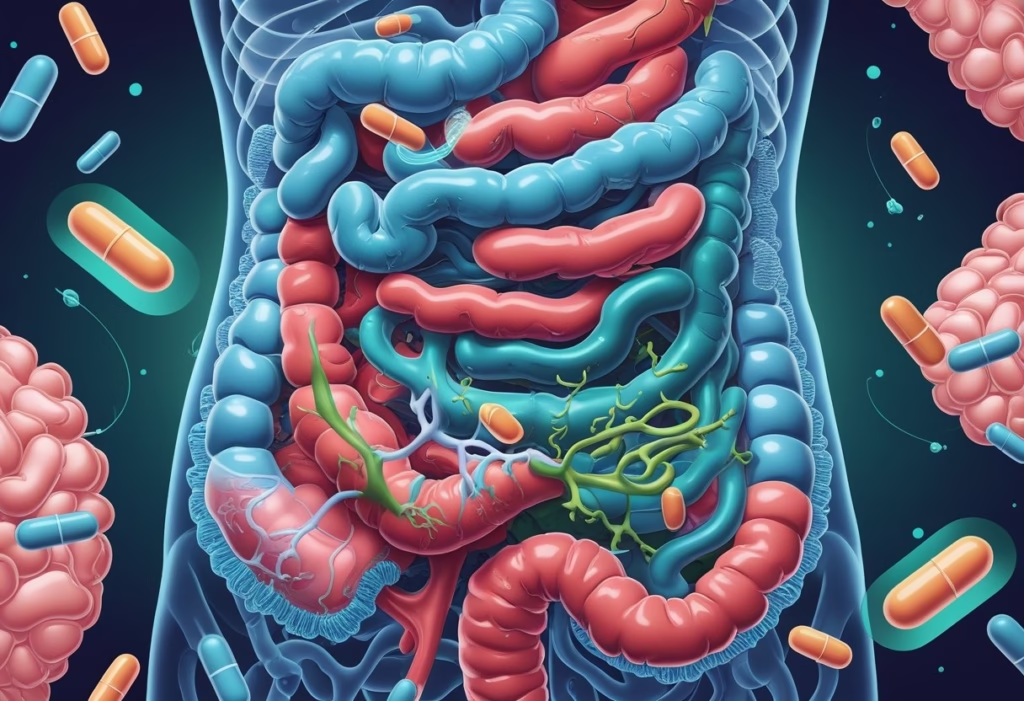
Antibiotics work by killing bacteria, but they cannot distinguish between harmful pathogens and the beneficial microbes in your digestive system. This indiscriminate action disrupts the delicate balance of your gut microbiome, leading to both immediate and lasting changes in your digestive health.
Disruption of the Gut Microbiome
When you take antibiotics, the medication travels through your digestive tract and eliminates bacteria regardless of whether they cause your infection. Your gut microbiome contains trillions of microorganisms that help digest food, produce vitamins, and regulate your immune system. Antibiotics damage this ecosystem by reducing bacterial populations and altering their normal proportions.
Broad-spectrum antibiotics cause the most disruption because they target a wide range of bacterial species. Common examples include amoxicillin, cephalosporins, and clindamycin. These medications can reduce your total bacterial count by 25-50% within days of starting treatment.
The damage varies based on which antibiotic you take. Clindamycin is particularly aggressive and frequently causes antibiotic-associated diarrhea. Amoxicillin affects fewer bacterial species but still disrupts your gut flora significantly. Proton pump inhibitors taken alongside antibiotics can worsen this disruption by changing stomach acid levels, which normally help regulate bacterial populations.
Reduced Microbial Diversity
Microbial diversity refers to the variety of bacterial species living in your gut. Healthy adults typically host 500-1000 different bacterial species. Antibiotics reduce this diversity, sometimes eliminating entire species from your digestive system.
Lower diversity means your gut becomes less resilient. You may lose beneficial bacteria that produce short-chain fatty acids, which reduce inflammation and strengthen your intestinal lining. Some species may never return after antibiotic treatment, especially if you take multiple courses within a short period.
Research shows that a single course of antibiotics can reduce gut microbiome diversity for months. Repeated antibiotic use causes cumulative damage, with each course making recovery slower. Children and elderly adults experience more severe diversity loss than healthy young adults.
Short and Long-Term Effects on Gut Health
Immediate effects typically appear within 2-3 days of starting antibiotics. You may experience diarrhea, bloating, gas, cramping, or nausea. These symptoms occur because antibiotics eliminate bacteria that help digest carbohydrates and fiber. Without these microbes, undigested food ferments in your colon, producing gas and loose stools.
Antibiotic-associated diarrhea affects 5-35% of people taking antibiotics, with the highest rates occurring with clindamycin and broad-spectrum cephalosporins. Most cases resolve within a few days after finishing the medication.
Long-term effects can persist for 6-12 months or longer. Your altered gut microbiome may increase your susceptibility to Clostridioides difficile (C. diff) infection, a serious condition causing severe diarrhea and colon inflammation. You may also develop food intolerances, persistent bloating, or irregular bowel movements.
See a doctor immediately if you experience:
- Severe diarrhea (more than 5 watery stools daily)
- Blood in your stool
- Fever above 101°F (38.3°C)
- Severe abdominal pain
- Signs of dehydration (dizziness, dark urine, extreme thirst)
Studies indicate that your gut microbiome composition may never fully return to its pre-antibiotic state. Some beneficial bacterial strains remain depleted even years after treatment, potentially affecting your immune function and increasing your risk of metabolic disorders.
Common Gut Problems After Antibiotics
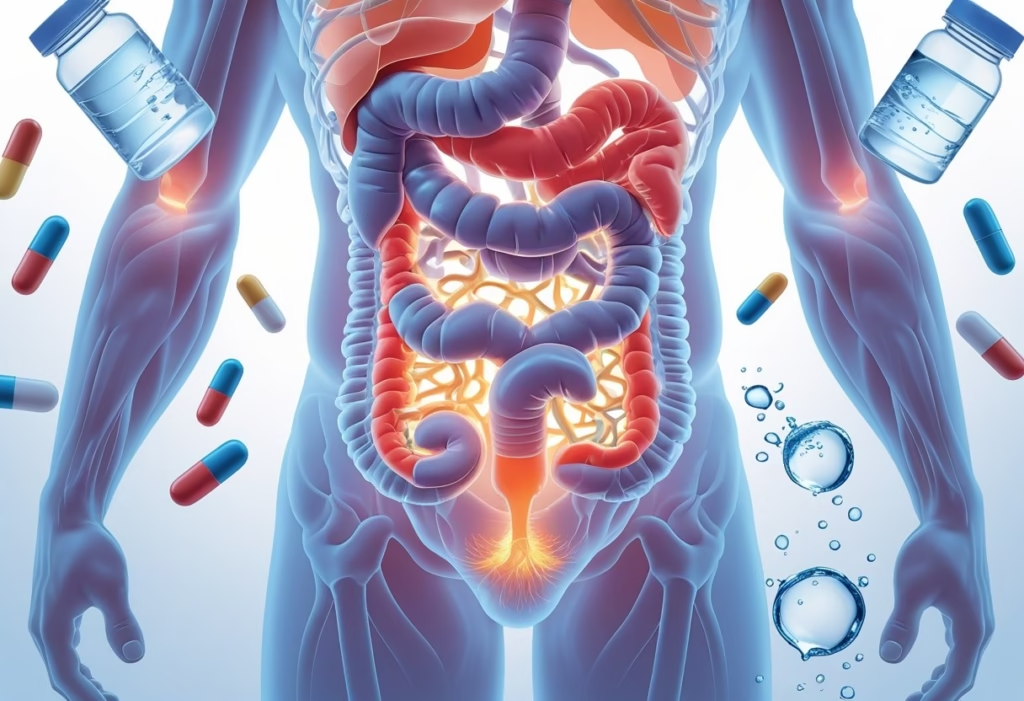
Antibiotics disrupt the balance of beneficial and harmful bacteria in your digestive system, which leads to several predictable problems ranging from diarrhea and constipation to serious infections like C. diff.
Antibiotic-Associated Diarrhea
Antibiotic-associated diarrhea affects roughly 5-35% of people taking antibiotics, depending on the specific medication. This happens because antibiotics kill beneficial bacteria that normally help digest food and maintain the intestinal lining’s integrity.
Why it develops: Your gut microbiota contains bacteria that ferment dietary fiber and produce short-chain fatty acids, which feed the cells lining your colon. When antibiotics eliminate these bacteria, your colon can’t absorb water properly, resulting in loose or watery stools.
The diarrhea typically starts within a few days of beginning antibiotics and can continue for several days after finishing the course. Broad-spectrum antibiotics like amoxicillin-clavulanate and clindamycin cause this problem more frequently than narrow-spectrum options.
What makes it worse: Taking antibiotics on an empty stomach, consuming high-sugar foods, or drinking alcohol while on antibiotics intensifies symptoms. Many people mistakenly stop their antibiotics early, which can lead to antibiotic resistance without actually resolving the diarrhea.
When to seek medical care: Contact your doctor if you experience more than six watery stools per day, blood in your stool, fever above 101°F (38.3°C), or severe abdominal cramping. These signs may indicate clostridium difficile infection rather than simple antibiotic-associated diarrhea.
Constipation and Bloating
While diarrhea gets more attention, constipation and bloating affect many people after antibiotic use. These symptoms stem from the same root cause: disrupted gut microbiota that can no longer efficiently process food.
Your beneficial bacteria produce enzymes that break down complex carbohydrates and fibers. When antibiotics reduce these bacterial populations, undigested food sits in your intestines longer, fermenting and producing excess gas.
Common patterns: You might notice increased bloating 30-60 minutes after meals, particularly after eating foods containing FODMAPs (fermentable carbohydrates found in wheat, onions, garlic, and legumes). The constipation often alternates with loose stools as your gut attempts to rebalance itself.
What rarely helps: Over-the-counter laxatives provide temporary relief but don’t address the underlying bacterial imbalance. Taking more fiber supplements when your gut bacteria can’t properly ferment fiber actually worsens bloating.
What usually helps: Gradual reintroduction of fermentable fibers as your gut bacteria recover works better than sudden dietary changes. Staying hydrated and engaging in light physical activity helps stimulate normal bowel movements without forcing the issue.
Infections Such as C. diff
Clostridium difficile (C. diff) represents the most serious complication of antibiotic use, causing approximately 500,000 infections annually in the United States. This bacterium exists harmlessly in many people’s colons, kept in check by beneficial bacteria.
When antibiotics eliminate competing bacteria, C. diff multiplies rapidly and produces toxins that damage your intestinal lining. The result is severe, watery diarrhea (often 10-15 times daily), intense abdominal pain, and fever.
High-risk scenarios: Clindamycin, fluoroquinolones, cephalosporins, and penicillins carry the highest C. diff risk. Your risk increases significantly if you’re over 65, currently hospitalized, have taken antibiotics recently, or have inflammatory bowel disease. Taking proton pump inhibitors (PPIs) for acid reflux also increases susceptibility because stomach acid normally kills C. diff spores.
Critical warning signs: Watery diarrhea more than three times daily, particularly if it has a distinctive foul odor, requires immediate medical evaluation. C. diff can progress to life-threatening complications including toxic megacolon and bowel perforation.
The infection often recurs even after treatment—approximately 20% of patients experience another episode within weeks. This happens because standard antibiotics used to treat C. diff (ironically) further disrupt gut health after antibiotics, allowing spores to reactivate.
Food Sensitivities and Intolerances
Temporary food sensitivities develop in many people after antibiotics, even if you’ve never had digestive issues with these foods before. This occurs because specific bacterial strains in your gut microbiota help digest components like lactose, fructose, and certain proteins.
Lactose intolerance: The bacteria Bifidobacterium and certain Lactobacillus species produce lactase enzyme that breaks down milk sugar. When antibiotics reduce these populations, you may temporarily struggle to digest dairy products, experiencing gas, cramping, and diarrhea within 30 minutes to 2 hours after consumption.
Why it feels different: Unlike lifelong lactose intolerance, antibiotic-induced sensitivity usually improves as your gut microbiota recovers over 2-6 weeks. However, some people develop prolonged sensitivities lasting several months, particularly after multiple antibiotic courses.
Fructose and complex carbohydrates: You might notice increased reactions to onions, garlic, apples, and wheat products. These foods require specific bacterial enzymes for proper digestion. Without adequate gut bacteria, they ferment in your intestines, producing uncomfortable gas and bloating.
The mistake many people make is eliminating entire food groups permanently when these sensitivities are often temporary. Gradual reintroduction of problematic foods as your gut bacteria recover typically succeeds better than long-term restrictive diets.
Medical disclaimer: This information is for educational purposes and doesn’t replace professional medical advice. Consult your healthcare provider for diagnosis and treatment of antibiotic-related complications.
Key Gut Bacteria and Their Role in Recovery
Certain bacterial species act as foundational players in gut health, and their depletion after antibiotics explains many of the digestive symptoms you might experience. Understanding which strains matter most and why they’re vulnerable helps you target your recovery efforts more effectively.
Bifidobacteria and Lactobacilli
These two bacterial groups are among the most important for maintaining digestive comfort and immune function. Bifidobacteria dominate the colon and help break down dietary fiber into short-chain fatty acids, which nourish your intestinal lining and regulate inflammation. Lactobacilli primarily inhabit your small intestine and produce lactic acid, creating an acidic environment that discourages harmful bacteria from taking hold.
When antibiotics reduce these populations, you lose key protective functions. Bifidobacteria help maintain the mucus barrier that protects your gut lining. Without adequate levels, you may experience increased intestinal permeability and inflammation. Lactobacilli support lactose digestion and compete with pathogens for attachment sites on your intestinal wall.
Studies show these bacteria can take weeks to months to recover naturally after antibiotic treatment. Some strains may not return to pre-antibiotic levels without intervention. This is why targeted probiotic supplementation with specific Bifidobacterium and Lactobacillus strains can accelerate recovery more reliably than waiting for spontaneous recolonization.
Loss of Beneficial Strains
Antibiotics don’t just reduce bacterial numbers—they can completely eliminate certain beneficial strains from your gut microbiota. Research shows that even a single course of antibiotics can cause lasting changes to your microbial composition, with some species failing to recover even months later.
Butyrate-producing bacteria are particularly vulnerable. These microbes produce butyrate, a fatty acid that serves as the primary fuel source for your colon cells and helps regulate immune responses. When you lose butyrate producers, you may notice increased gas, bloating, and irregular bowel movements.
The problem compounds over multiple antibiotic courses. Each round can deplete additional strains, progressively reducing your gut’s microbial diversity. Lower diversity correlates with increased susceptibility to infections, including Clostridioides difficile (C. diff), which thrives when beneficial bacteria are absent.
Common mistake: Assuming your gut will fully recover on its own. While some resilience exists, many beneficial strains require active support through targeted probiotics and prebiotic fiber to reestablish themselves.
Impacts on Microbial Balance
When beneficial bacteria decline, opportunistic species often expand to fill the ecological void. This shift, called dysbiosis, creates a cascade of digestive problems. Your remaining bacteria may produce more gas, process food less efficiently, and fail to protect against pathogens.
You might notice symptoms like persistent bloating, irregular stool consistency, or increased food sensitivities. These occur because your altered gut microbiota processes nutrients differently and produces different metabolic byproducts. Some people develop temporary lactose intolerance because Lactobacillus populations that help digest dairy are depleted.
The microbial imbalance also affects your immune system. About 70% of your immune cells reside in gut tissue, and they rely on signals from gut bacteria to function properly. Disrupted microbial balance can trigger low-grade inflammation throughout your digestive tract.
When to see a doctor: If you experience severe or bloody diarrhea, persistent abdominal pain, fever, or symptoms lasting beyond 2-3 weeks after finishing antibiotics, seek medical evaluation to rule out C. diff infection or other complications.
Dietary Strategies to Restore Gut Health
After antibiotics disrupt your gut microbiome, specific dietary choices can help rebuild beneficial bacteria populations. Prebiotic fibers feed healthy gut bacteria, fermented foods introduce live beneficial microbes, and a diverse whole foods diet provides the variety your microbiome needs to recover.
Prebiotic Foods and Prebiotic Fiber
Prebiotics are dietary fibers that your beneficial gut bacteria ferment and use as fuel. When you consume these fibers, you’re essentially feeding the helpful bacteria you want to multiply after antibiotic treatment.
Effective prebiotic sources include:
- Inulin-rich foods: Jerusalem artichokes, chicory root, garlic, onions, leeks
- Legumes: Lentils, chickpeas, black beans (also provide resistant starch)
- Whole grains: Oats, barley, rye
- Fruits and vegetables: Bananas (especially slightly green ones), asparagus, apples, artichokes
Start with small amounts, particularly if you’re experiencing bloating or gas after antibiotics. Adding too much prebiotic fiber too quickly can worsen symptoms like cramping and diarrhea because damaged gut bacteria may ferment these fibers excessively. Increase your intake gradually over 2-3 weeks.
Some people with irritable bowel symptoms after antibiotics may temporarily need to reduce high-FODMAP prebiotics (like garlic, onions, and wheat) until their gut stabilizes. However, this doesn’t mean avoiding all fiber—lower-FODMAP options like carrots, zucchini, and oats can still support recovery without triggering discomfort.
Choosing Fermented Foods
Fermented foods contain live beneficial bacteria that can help repopulate your gut after antibiotics reduce bacterial diversity. These foods work differently than prebiotic fiber because they introduce actual microorganisms rather than just feeding them.
Beneficial fermented options include:
- Sauerkraut and kimchi: Contain Lactobacillus strains that support digestion
- Kefir: Provides multiple probiotic strains plus easier-to-digest proteins
- Miso: Offers beneficial bacteria and enzymes
- Kombucha: Contains both probiotics and organic acids
- Apple cider vinegar (raw, with “the mother”): Provides acetic acid bacteria
Look for unpasteurized versions when possible, since pasteurization kills the beneficial bacteria. Start with 1-2 tablespoons of sauerkraut or a small glass of kefir daily, then increase as tolerated.
A common mistake is relying on sweetened commercial yogurt, which often contains minimal live cultures and excessive sugar that can feed harmful bacteria. Choose plain, full-fat options with “live active cultures” listed on the label.
Building a Diverse, Whole Foods Diet
Gut microbiome diversity typically correlates with better health outcomes, and diet diversity directly influences bacterial variety. After antibiotics reduce this diversity, eating a wide range of whole foods helps different bacterial species reestablish themselves.
Aim to consume 30 different plant foods per week—this includes fruits, vegetables, whole grains, legumes, nuts, seeds, and herbs. Each plant type provides different fibers and nutrients that support various bacterial strains. For example, berries feed different bacteria than leafy greens or root vegetables.
What helps recovery:
- Rotating protein sources (fish, poultry, eggs, legumes)
- Including healthy fats (olive oil, avocados, fatty fish)
- Eating seasonal, colorful produce
What usually makes symptoms worse:
- Processed foods high in additives and emulsifiers
- Excessive sugar and artificial sweeteners
- Ultra-processed snacks that lack fiber
Processed foods can delay gut recovery because they provide minimal nutrition for beneficial bacteria while potentially feeding opportunistic species. Focus on foods that existed 100 years ago—if your great-grandmother wouldn’t recognize it, your gut bacteria probably won’t either.
Probiotics and Other Restorative Approaches
Restoring gut balance after antibiotics requires strategic use of specific probiotic strains, not just any supplement off the shelf. Research shows that different strains produce vastly different outcomes, with some accelerating recovery while others can delay it.
Probiotic Supplements
Not all probiotic supplements help equally after antibiotic treatment. Studies on mice treated with broad-spectrum antibiotics found that Lactobacillus acidophilus actually increased harmful bacterial loads and impaired gut recovery, while Lactobacillus gasseri promoted restoration of protective bacteria within two weeks.
This happens because each probiotic strain interacts differently with your remaining gut bacteria. Some strains compete with beneficial bacteria trying to recolonize, while others produce antimicrobial compounds that suppress pathogens without hindering recovery.
Common mistakes include:
- Starting probiotics immediately without considering which strains match your situation
- Assuming expensive multi-strain formulas work better than targeted single strains
- Taking probiotics for only one week when research suggests 2-3 months provides better results
Multi-strain formulas containing Lactobacillus and Bifidobacterium species show moderate benefit for preventing antibiotic-associated diarrhea. However, timing matters. Taking probiotics during antibiotic treatment may offer some protection, but the antibiotic often kills these supplemental bacteria as well.
Saccharomyces boulardii and Other Targeted Strains
Saccharomyces boulardii stands apart because it’s a beneficial yeast, not a bacteria, so antibiotics don’t destroy it. Clinical evidence shows it reduces risk of Clostridioides difficile infection and antibiotic-associated diarrhea by 50-60%.
This yeast works by producing compounds that bind to toxins and supporting your immune response in gut tissue. It doesn’t permanently colonize your intestines but provides protection while passing through.
L. gasseri demonstrates another mechanism. Research found it doesn’t stay in your gut long-term but triggers growth of Muribaculaceae family bacteria, which then provide lasting protection against pathogens. This indirect effect persists weeks after the probiotic itself has cleared your system.
What rarely helps: Random probiotic strains marketed for general “digestive health” without evidence for post-antibiotic recovery.
When to see a doctor: If you develop severe diarrhea (more than 5 watery stools daily), fever above 101°F, or blood in stool while taking probiotics, as this may indicate C. difficile infection requiring prescription treatment.
Potential Role of FMT and Postbiotics
Fecal microbiota transplant (FMT) involves transferring stool from a healthy donor to restore gut bacteria diversity. It’s FDA-approved specifically for recurrent C. difficile infections unresponsive to antibiotics, with cure rates exceeding 80-90%.
FMT isn’t currently recommended for routine post-antibiotic recovery. The procedure carries risks including transmission of infections and potential long-term metabolic effects that remain under study. It’s reserved for severe cases where standard approaches fail.
Postbiotics—beneficial compounds produced by gut bacteria like short-chain fatty acids and bacteriocins—represent an emerging approach. Unlike live probiotics, these metabolic products don’t require viable bacteria to provide benefits. They may support gut barrier function and reduce inflammation during recovery.
Current evidence for postbiotics remains limited compared to established probiotic strains. They’re best viewed as a complementary strategy rather than a primary intervention.
Medical Disclaimer: This information is for educational purposes and doesn’t replace medical advice. Consult your healthcare provider before starting probiotic supplements, especially if you have weakened immunity or serious health conditions.
Long-Term Prevention and When to Seek Help
Protecting your gut from future antibiotic damage requires strategic use of these medications and awareness of warning signs that indicate more serious problems. Recognizing when digestive symptoms signal a chronic condition rather than temporary disruption can help you get appropriate treatment before complications develop.
Avoiding Antibiotic Overuse
You don’t need antibiotics for viral infections like colds, flu, or most cases of bronchitis. Taking them unnecessarily eliminates beneficial gut bacteria without providing any therapeutic benefit. Each course of antibiotics further reduces microbial diversity, and repeated exposure increases your risk of antibiotic resistance and conditions like inflammatory bowel disease.
When your doctor prescribes antibiotics, ask whether they’re truly necessary or if watchful waiting is appropriate. Request narrow-spectrum antibiotics when possible, as these target specific bacteria rather than wiping out broad categories of microbes. Broad-spectrum antibiotics like fluoroquinolones cause more extensive gut damage than targeted options.
Always complete your prescribed course even if you feel better. Stopping early allows resistant bacteria to survive and multiply, potentially requiring stronger antibiotics that cause even more gut disruption. If you experience severe digestive symptoms during treatment, contact your doctor rather than stopping the medication on your own.
Monitoring for Chronic Gut Issues
Temporary digestive problems should resolve within 2-4 weeks after finishing antibiotics. Symptoms lasting beyond this timeframe may indicate dysbiosis, small intestinal bacterial overgrowth, or post-infectious irritable bowel syndrome.
Watch for these persistent warning signs:
- Diarrhea continuing more than 2 weeks after treatment ends
- New food intolerances that don’t improve with time
- Chronic bloating unrelated to specific foods
- Alternating constipation and diarrhea
- Unexplained weight loss or nutrient deficiencies
Recurrent yeast infections or oral thrush following antibiotics suggest an overgrowth of Candida species due to depleted bacterial populations that normally keep fungi in check. Multiple courses of antibiotics increase your risk of developing inflammatory bowel disease, particularly in people with genetic predisposition.
Track your symptoms in a journal, noting their frequency, severity, and any patterns related to foods or stress. This information helps healthcare providers identify whether you’re experiencing normal recovery or developing a chronic condition requiring specific treatment.
When to Contact a Healthcare Professional
Seek immediate medical attention if you develop severe watery diarrhea, bloody stools, or fever above 101°F (38.3°C) during or after antibiotic treatment. These symptoms may indicate Clostridioides difficile infection, which requires prompt diagnosis and targeted antibiotic therapy. C. diff occurs when antibiotics eliminate protective bacteria, allowing this toxin-producing organism to multiply.
Contact your doctor within 24-48 hours if you experience:
- Persistent diarrhea with more than 6 loose stools daily
- Severe abdominal cramping that interferes with daily activities
- Signs of dehydration (dark urine, dizziness, dry mouth)
- Symptoms that worsen rather than improve after finishing antibiotics
Schedule a non-urgent appointment if digestive problems continue beyond 4 weeks or significantly impact your quality of life. Your doctor may order stool tests to check for infections, recommend specific probiotics, or refer you to a gastroenterologist for conditions like inflammatory bowel disease that require specialized treatment.
Medical Disclaimer: This information is for educational purposes and does not replace professional medical advice. Consult a healthcare provider for diagnosis and treatment of gut health concerns.