
Most people trying to improve their gut health focus on diet—adding probiotics, cutting out processed foods, or drinking kombucha. But research shows that sleep disruption can alter your gut bacteria composition within just a few days, while dietary changes often take weeks to show measurable effects. Poor sleep directly damages the intestinal barrier, disrupts the production of digestive hormones, and shifts the balance of gut bacteria toward inflammatory species—changes that can persist even when you eat perfectly. This happens because your digestive system operates on a circadian rhythm, and when that rhythm breaks down from insufficient or irregular sleep, the consequences cascade through your entire gut ecosystem.
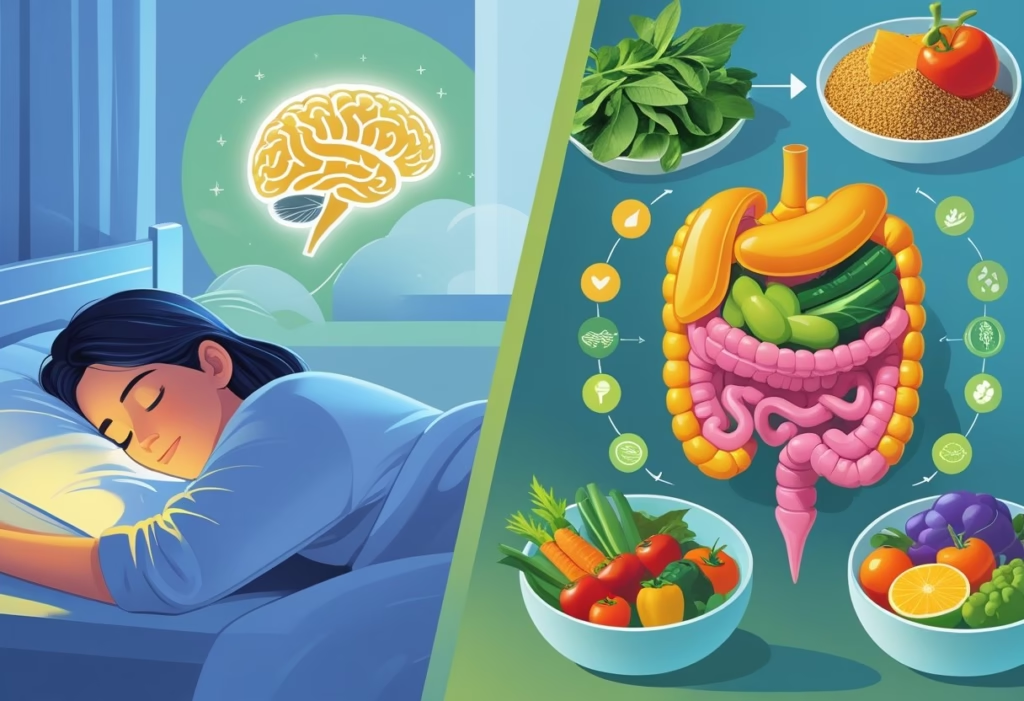
Your gut microbiome produces neurotransmitters and metabolites during specific times of the day, synchronized with your sleep-wake cycle. When you stay up late, skip sleep, or sleep poorly, you’re not just feeling tired—you’re actively disrupting the biological clock that governs when your gut bacteria are most active, when digestive enzymes are released, and when your intestinal lining repairs itself. This explains why shift workers and people with chronic insomnia often develop digestive problems that don’t respond well to dietary interventions alone.
Understanding how sleep affects your gut means recognizing that the relationship works both ways. While a damaged gut can make sleep worse, prioritizing sleep quality may be the most effective first step for people struggling with persistent digestive issues. The mechanisms involved go beyond what most people realize, and addressing them requires looking at sleep as a primary intervention rather than an afterthought.
The Unique Impact of Sleep on Gut Health
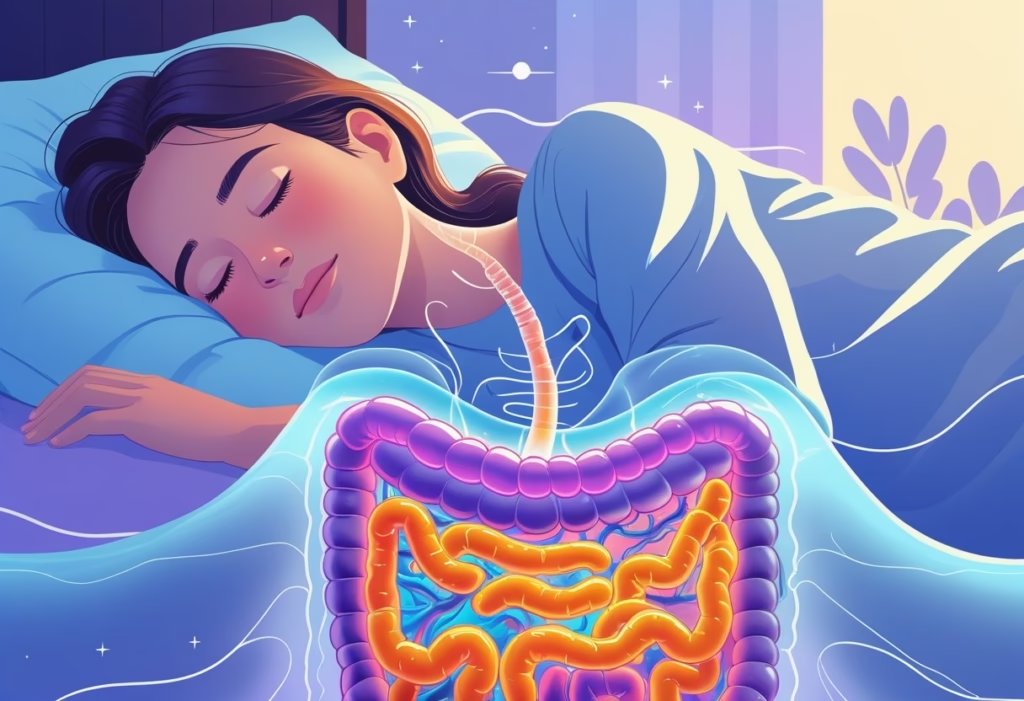
Sleep directly alters gut microbiota composition through mechanisms that diet alone cannot replicate, particularly through circadian rhythm regulation and inflammatory pathways that reset during rest periods.
Sleep’s Role in Gut Microbiome Balance
Your gut microbiome operates on a circadian rhythm, just like your sleep-wake cycle. When you sleep, your body initiates repair processes that specifically target the intestinal lining and regulate bacterial populations. During deep sleep stages, your gut bacteria shift their metabolic activities, producing short-chain fatty acids that strengthen the gut barrier.
Sleep deprivation disrupts this natural cycle within 24-48 hours. Studies show that even one night of poor sleep can reduce beneficial bacteria like Lactobacillus and Bifidobacterium while increasing inflammatory species. This happens because lack of sleep triggers cortisol release, which directly suppresses beneficial bacterial growth.
What makes this worse: Irregular sleep schedules confuse your gut’s circadian clock more than occasional late nights. Shift workers show 30-40% less microbial diversity compared to people with consistent sleep patterns.
What usually helps: Maintaining the same sleep and wake times stabilizes your gut’s bacterial rhythm. Most people notice digestive improvements within 5-7 days of consistent sleep schedules.
Sleep Quality and Microbial Diversity
Microbiome diversity—the variety of bacterial species in your gut—depends more on sleep quality than sleep duration. Research tracking sleep with monitoring devices found that people with fragmented sleep (frequent wake-ups) had lower microbial diversity than those sleeping fewer hours continuously.
Your gut produces approximately 90% of your body’s serotonin, which then influences melatonin production for sleep. This creates a feedback loop: poor sleep reduces microbial diversity, which decreases serotonin production, further disrupting sleep hormones.
Common mistake: Assuming supplements can compensate for poor sleep. Probiotic supplements show minimal impact when sleep quality remains poor because the gut environment stays inhospitable to beneficial bacteria.
When to see a doctor: If you experience persistent insomnia alongside digestive symptoms like bloating, irregular bowel movements, or abdominal pain lasting more than two weeks.
Sleep Deprivation Versus Dietary Influence
Sleep deprivation causes gut changes that healthy eating cannot prevent. One study found that sleep-deprived participants eating high-fiber diets still showed increased gut permeability (leaky gut) and reduced bacterial diversity. Their well-rested counterparts eating similar diets maintained healthier gut markers.
The mechanism involves inflammatory cytokines released during sleep deprivation that damage tight junctions between intestinal cells. Diet influences what bacteria you have, but sleep determines whether those bacteria can survive and function properly.
What rarely helps: Adding fermented foods or probiotics without addressing sleep problems. Your gut environment remains too inflammatory for these beneficial bacteria to colonize effectively.
What usually helps: Prioritizing 7-9 hours of sleep before making major dietary changes. Most people see better results from improved sleep than from dietary modifications alone when gut health is compromised.
This information is for educational purposes and does not replace medical advice. Consult a healthcare provider for persistent sleep or digestive issues.
Circadian Rhythms: Sleep, Gut, and the Biological Clock
Your internal 24-hour clock directly controls when specific bacteria flourish in your gut and when digestive enzymes are released. When you sleep at irregular times or stay awake through the night, you disrupt this bacterial timing system, which can trigger inflammation and digestive symptoms within days.
How the Circadian Rhythm Regulates Gut Health
Your gut microbiota operates on a strict schedule, with up to 60% of microbial composition fluctuating throughout each 24-hour period. This means about 20% of bacterial species in your intestines increase and decrease in predictable patterns based on your sleep-wake cycle and feeding times.
The master clock in your brain sends timing signals to your digestive system through hormones and nerve pathways along the gut-brain axis. These signals tell your gut when to produce digestive enzymes, when to increase intestinal permeability for nutrient absorption, and when to activate immune responses.
What happens during normal circadian rhythm:
- Morning: beneficial Bacteroidaceae populations peak to help digest your first meal
- Daytime: metabolic bacteria process nutrients and produce energy
- Evening: gut barrier strengthening occurs as you prepare for overnight fasting
- Night: tissue repair bacteria dominate while digestive activity slows
Light exposure plays a critical role because it resets your master clock each morning. When you see bright light early in the day, it synchronizes both your sleep schedule and your gut’s bacterial rhythms. Without this daily reset, your gut microbiota lose their timing cues.
Disrupted Sleep-Wake Cycles and Digestive Issues
Irregular sleep schedules cause your gut bacteria to lose their circadian rhythm, leading to an overgrowth of inflammatory species and a reduction in protective bacteria. Research shows that even one night of sleep loss increases circulating inflammatory markers like TNFα and C-reactive protein, which directly affect gut barrier function.
Common mistakes that worsen circadian disruption:
- Eating large meals late at night when digestive bacteria are in “rest mode”
- Using bright screens before bed, which delays your circadian clock by 2-3 hours
- Sleeping different hours on weekdays versus weekends (social jet lag)
- Working night shifts without maintaining a consistent sleep routine
When your sleep-wake cycle stays irregular for weeks, you may notice bloating that worsens throughout the day, constipation alternating with diarrhea, or increased food sensitivities. This happens because your gut lining becomes more permeable at the wrong times, allowing bacterial products into your bloodstream.
What usually helps: maintaining the same sleep and wake times within 30 minutes every day, including weekends, and exposing yourself to bright light within one hour of waking. What rarely helps: taking melatonin supplements without fixing your sleep schedule or light exposure patterns.
See a doctor if you experience persistent abdominal pain, unexplained weight loss, or blood in your stool alongside sleep disruption, as these may indicate conditions beyond circadian misalignment.
This information is for educational purposes and does not replace medical advice from a qualified healthcare provider.
Mechanisms Linking Sleep to Digestive Function
Sleep influences digestion through specific biological pathways involving neurotransmitter production, hormone regulation, and direct neural communication between your gut and brain. These mechanisms explain why poor sleep triggers digestive symptoms like bloating, irregular bowel movements, and stomach discomfort.
Sleep and Neurotransmitter Production
Your gut produces approximately 95% of your body’s serotonin during specific sleep stages, particularly during deep sleep cycles. This production happens when gut bacteria metabolize tryptophan from your diet into serotonin precursors. When you sleep fewer than 6 hours per night, this conversion process becomes inefficient, leading to reduced serotonin availability.
GABA (gamma-aminobutyric acid) production also depends on adequate sleep. Certain gut bacteria like Lactobacillus and Bifidobacterium secrete GABA, but only when your circadian rhythm remains stable. Sleep deprivation disrupts these bacterial populations within 48 hours.
A common mistake is assuming dietary changes alone can fix low serotonin levels. Without proper sleep, your gut bacteria cannot effectively convert tryptophan into usable neurotransmitters, regardless of diet quality. This explains why some people experience persistent digestive issues despite eating well but sleeping poorly.
What makes it worse: Irregular sleep schedules, even with adequate total hours, prevent your gut bacteria from establishing consistent neurotransmitter production rhythms.
Gut Hormones: Melatonin and Serotonin
Your digestive tract contains 400 times more melatonin than your pineal gland. This gut-produced melatonin regulates intestinal motility, controls stomach acid secretion, and maintains your intestinal barrier integrity. Sleep restriction reduces gut melatonin production by up to 50%, which directly causes slower digestion and increased intestinal permeability.
The relationship between sleep hormones and digestion is bidirectional. Poor sleep lowers melatonin, which then disrupts serotonin signaling in your gut. This creates a cycle: inadequate sleep reduces melatonin, reduced melatonin impairs digestion, and poor digestion further disrupts sleep quality.
Sleep timing matters more than most people realize. Eating within 3 hours of bedtime suppresses nighttime melatonin production because active digestion prevents the hormonal shift needed for restorative sleep. This is why late meals often cause morning digestive discomfort.
When to see a doctor: If you experience persistent digestive symptoms despite 7-8 hours of sleep for more than 2 weeks.
Gut-Brain Axis Communication
The vagus nerve connects your brain stem directly to your digestive system, transmitting signals in both directions. During deep sleep, vagal tone increases, which promotes digestive repair and optimal gut motility. Sleep deprivation reduces vagal activity by 30-40%, resulting in slower gastric emptying and reduced digestive enzyme secretion.
Your enteric nervous system relies on sleep-dependent vagal signaling to coordinate intestinal contractions. When vagal tone drops due to poor sleep, you experience irregular bowel movements, incomplete digestion, and increased visceral sensitivity. This explains why sleep-deprived individuals report more abdominal pain with normal digestive processes.
Studies show that even one night of poor sleep alters gut-brain signaling patterns for up to 72 hours. Your brain interprets normal digestive signals as uncomfortable, amplifying symptoms like bloating or cramping.
What usually helps: Maintaining consistent sleep-wake times strengthens vagal tone within 5-7 days, often improving digestive symptoms before dietary changes take effect.
Consequences of Poor Sleep on the Gut
Sleep deprivation triggers a cascade of changes in your gut environment, from bacterial imbalances to compromised intestinal barriers. These disruptions create measurable physical symptoms and increase your vulnerability to digestive disorders.
Sleep Deprivation and Gut Dysbiosis
Your gut microbiome composition shifts dramatically when you don’t get adequate sleep. Studies show that even two nights of partial sleep deprivation increases the Firmicutes to Bacteroidetes ratio, which is the same bacterial imbalance seen in obesity and metabolic disorders.
The diversity of bacterial species in your gut decreases with sleep loss. Research measuring alpha diversity through fecal sampling found significant reductions after 24 hours of sleep deprivation, with even greater losses at 40 hours. This matters because bacterial diversity acts as a marker of gut resilience.
Specific beneficial bacteria decline rapidly. Lactobacillus and Bifidobacterium populations drop after repeated sleep deprivation, while potentially harmful bacteria like Aeromonas increase. These shifts happen faster than you might expect—controlled studies show measurable changes within three to five days of restricted sleep.
Common mistake: Assuming you can “catch up” on sleep over weekends to restore gut balance. The bacterial changes from sleep deprivation persist beyond the immediate recovery period, requiring consistent sleep patterns to reverse.
Inflammation and Leaky Gut
Sleep loss compromises your intestinal barrier through multiple mechanisms. The tight junction proteins—Claudin, Occludin, and ZO-1—that seal the spaces between intestinal cells weaken when you’re sleep deprived. This increases intestinal permeability, commonly called leaky gut.
Your body produces less mucin 2 (MUC2) and has fewer goblet cells after inadequate sleep. These components form the protective mucus layer that prevents bacteria from directly contacting your intestinal wall. Without sufficient mucus, bacterial products cross into your bloodstream more easily.
The result is elevated lipopolysaccharides (LPS) in your blood. LPS from gram-negative bacteria activates inflammatory pathways through TLR4 receptors, triggering NF-κB gene expression. This produces pro-inflammatory cytokines including IL-6, TNF-α, and IL-1β while reducing anti-inflammatory IL-10.
What makes it worse: Combining sleep deprivation with high-fat or high-sugar diets amplifies intestinal permeability. The inflammatory response intensifies when both factors are present.
When to see a doctor: If you experience persistent abdominal pain, unexplained weight loss, blood in stool, or severe fatigue alongside poor sleep, seek medical evaluation. These symptoms may indicate more serious gut barrier dysfunction.
Digestive Issues and Bloating
Your digestive system follows circadian rhythms that sync with your sleep-wake cycle. When you disrupt these rhythms through poor sleep, your gut motility slows and enzyme production becomes erratic. This causes food to sit longer in your intestines, leading to fermentation and gas production.
Bloating from sleep deprivation stems from both delayed gastric emptying and altered gut bacteria. The bacterial shifts increase gas-producing species while reducing those that help break down complex carbohydrates efficiently. You’ll notice this most after meals containing fiber or fermentable foods.
Constipation frequently accompanies chronic sleep restriction. Your colon’s natural contractions weaken when circadian signaling is disrupted. Studies show that people sleeping fewer than six hours nightly report constipation at rates 2.5 times higher than those getting seven to eight hours.
What usually helps: Maintaining consistent sleep and wake times stabilizes digestive rhythms better than sporadic long sleep sessions. Light physical activity after meals can partially compensate for reduced gut motility.
What rarely helps: Taking probiotics or digestive enzymes without addressing sleep patterns typically provides minimal relief because the underlying circadian disruption continues driving symptoms.
Immune Response and Chronic Inflammation
Sleep deprivation creates a state of persistent immune activation in your gut. Your white blood cell counts, monocytes, and lymphocytes all increase after inadequate sleep, signaling that your body perceives a threat even when none exists.
This constant low-grade inflammation damages intestinal tissue over time. The increased permeability allows more bacterial fragments into your bloodstream, perpetuating the immune response in a self-reinforcing cycle. Your gut-associated lymphoid tissue remains activated rather than returning to its surveillance state.
The antibody production system weakens with chronic sleep loss. Research using influenza vaccines showed that sleep-deprived subjects produced half the antibodies of well-rested controls, and this deficit persisted at one-year follow-up. Your gut’s ability to mount appropriate immune responses to actual pathogens diminishes.
Connection to chronic conditions: The inflammatory state from poor sleep increases risk for irritable bowel syndrome (IBS) flares and inflammatory bowel disease progression. People with existing IBS report that inadequate sleep reliably triggers symptom episodes within 24-48 hours.
When to see a doctor: Persistent diarrhea, unexplained fever, or symptoms that interfere with daily activities require medical assessment, especially if occurring alongside sleep disturbances lasting more than two weeks.
Medical Disclaimer: This information is for educational purposes and does not replace professional medical advice. Consult qualified healthcare providers for diagnosis and treatment of digestive or sleep disorders.
Diet Versus Sleep: What Really Shapes Gut Health?
Both diet and sleep independently influence your gut microbiome, but sleep disruption can undermine even the healthiest eating patterns by altering how your body processes nutrients and maintains microbial balance. Research shows that sleep quality affects the ratio of beneficial bacteria like Bifidobacterium, while poor sleep may trigger inflammation that changes how your gut responds to the foods you eat.
Dietary Patterns and Microbiome Composition
Your food choices directly feed specific bacterial populations in your gut. Fiber-rich foods like whole grains, legumes, nuts and seeds promote the production of short-chain fatty acids, which reduce inflammation and strengthen your intestinal barrier. These foods increase microbial diversity, a marker of gut health.
Diets high in refined sugars and processed foods reduce beneficial bacteria and decrease overall microbial diversity. Studies link these eating patterns to lighter, less restorative sleep with frequent waking. The problem compounds when poor sleep further disrupts your microbiome composition.
When you don’t sleep well, your gut becomes less responsive to dietary interventions. Sleep deprivation impairs nutrient absorption and can trigger gut dysbiosis even when you’re eating gut-friendly foods. Your body’s circadian rhythm regulates digestive enzyme production and gut motility, so disrupted sleep directly interferes with how your digestive system processes nutrients.
Processed, Fiber-Rich, and Fermented Foods
Fermented foods like yogurt, kefir, kimchi, and sauerkraut introduce live probiotics that colonize your gut. These foods consistently show benefits for microbiome health when consumed regularly. Studies suggest certain probiotic strains, particularly Lactobacillus gasseri, may improve sleep quality, creating a positive feedback loop.
Prebiotics from foods like bananas, garlic, onions, and asparagus feed existing beneficial bacteria. They’re more stable than probiotics and don’t require refrigeration. Your gut bacteria ferment these fibers into short-chain fatty acids that support both gut barrier function and sleep regulation.
However, eating these foods won’t fully compensate for chronic sleep deprivation. Research indicates that sleep-deprived individuals experience gut dysbiosis regardless of probiotic supplement use. The inflammatory response from poor sleep can overwhelm the benefits of even optimal dietary choices.
Meal Timing and Sleep Interactions
When you eat matters as much as what you eat. Your digestive system operates on a circadian rhythm that coordinates with your sleep-wake cycle. Eating late at night forces your gut to digest food when it’s programmed to rest and repair, disrupting both sleep quality and gut function.
Late meals reduce sleep efficiency and alter the composition of your gut microbiome. The gut-brain axis relies on consistent meal timing to maintain proper communication between your digestive and nervous systems.
Common mistakes include:
- Eating within 2-3 hours of bedtime
- Consuming caffeine after 2 PM
- Irregular meal schedules on weekends
- Skipping breakfast after poor sleep
Front-loading calories earlier in the day supports both gut health and sleep quality. This timing allows your gut adequate rest periods for cellular repair and microbiome rebalancing. When meal timing aligns with natural circadian rhythms, nutrient absorption improves and beneficial bacteria populations stabilize.
Medical Disclaimer: This information is for educational purposes only and does not constitute medical advice. Consult a healthcare provider before making significant changes to your diet or sleep habits, especially if you have diagnosed sleep disorders, gastrointestinal conditions, or are taking medications.
Sleep Strategies for Optimal Gut Health
Establishing restorative sleep requires specific behavioral changes that directly influence your gut microbiome composition. A consistent sleep schedule, proper sleep hygiene practices, and targeted relaxation techniques create the physiological conditions your gut bacteria need to maintain diversity and produce anti-inflammatory compounds.
Building a Consistent Sleep Routine
Your gut microbiome operates on a 24-hour circadian rhythm that synchronizes with your sleep-wake cycle. When you go to bed and wake up at different times each day, you disrupt the timing of bacterial metabolic activity, which reduces production of short-chain fatty acids during their peak synthesis window (typically during deep sleep stages).
What usually helps:
- Same bedtime and wake time within 30 minutes, even on weekends
- 7-9 hours of sleep opportunity each night
- Morning light exposure within 30 minutes of waking (10-15 minutes outdoors)
- Dimming lights 1-2 hours before bed to support natural melatonin production
Common mistakes that worsen gut symptoms:
- “Catching up” on sleep during weekends (creates social jet lag)
- Using your bed for work or screen time (weakens sleep-wake associations)
- Inconsistent meal timing, especially late dinners after 8pm
Research in Sleep Medicine Reviews (2023) found that irregular sleep schedules reduced beneficial Lactobacillus and Bifidobacterium populations by 30-40% within two weeks. Your gut bacteria can’t maintain their repair functions when they receive conflicting circadian signals.
When to see a doctor: If you maintain a consistent routine for 4 weeks without improvement in sleep quality or digestive symptoms like bloating, constipation, or diarrhea.
The Role of Sleep Hygiene in Microbiome Health
Sleep hygiene describes the environmental and behavioral factors that enable deep, uninterrupted sleep. Poor sleep hygiene directly impairs gut barrier integrity by reducing REM sleep duration, the stage when your intestinal cells perform the most intensive repair work.
Creating a sleep-friendly environment:
| Factor | Optimal Range | Why It Matters |
|---|---|---|
| Temperature | 60-67°F (15-19°C) | Core body temperature must drop for deep sleep; heat disrupts REM cycles |
| Darkness | Complete (blackout curtains) | Light exposure suppresses gut melatonin production (gut produces 400x more melatonin than brain) |
| Noise | <30 decibels or white noise | Sound disruptions fragment sleep, increasing cortisol and gut permeability |
Screen and substance timing:
- No screens 2 hours before bed (blue light suppresses melatonin for 3+ hours)
- Last caffeine by 2pm (half-life of 5-6 hours)
- Avoid alcohol entirely if possible (fragments REM sleep and increases intestinal permeability)
- Finish meals 3 hours before bed (active digestion prevents deep sleep stages)
Sleep deprivation and gut permeability form a vicious cycle. One night of poor sleep (less than 6 hours) increases inflammatory cytokines by 40%, which weakens tight junction proteins in your intestinal lining. This allows bacterial endotoxins to enter your bloodstream, triggering more inflammation that further disrupts sleep.
What rarely helps: Sleep supplements (melatonin, magnesium) without addressing hygiene factors first. The 2024 Journal of Clinical Sleep Medicine found that environmental modifications produced better long-term outcomes than supplementation alone.
Special considerations for digestive conditions:
- GERD/acid reflux: Elevate head of bed 6-8 inches; left-side sleeping reduces nighttime reflux episodes by 71%
- Sleep apnea: Untreated sleep apnea reduces gut microbial diversity by 50%; CPAP therapy restores beneficial bacteria within 3 months
- IBS: Sleep disturbances occur in 40-60% of IBS patients; addressing sleep often reduces daytime symptoms more than dietary changes alone
Relaxation Techniques for Better Sleep and Digestion
Your gut and brain communicate through the vagus nerve, which activates during relaxation and suppresses during stress. Relaxation techniques before bed reduce cortisol levels, which directly protects your gut barrier and supports the production of GABA (a calming neurotransmitter largely produced by gut bacteria).
Deep breathing (4-7-8 technique): Inhale for 4 counts, hold for 7, exhale for 8. This pattern activates your parasympathetic nervous system and shifts your body into “rest-and-digest” mode. Research shows just 5 minutes reduces cortisol by 15-20% and increases gut transit time (reducing nighttime urgency for those with IBS-D).
Perform 3-4 cycles before bed while lying down. This works because slow exhalation stimulates the vagus nerve, which signals to gut bacteria to begin their nighttime repair and metabolite production.
Yoga and gentle stretching: Restorative yoga poses (legs-up-the-wall, child’s pose, reclined twist) for 10-15 minutes before bed increase parasympathetic tone and improve gut motility. A 2023 study in Digestive Diseases and Sciences found that patients with functional constipation who practiced bedtime yoga had 45% faster colonic transit times compared to controls.
Avoid vigorous exercise within 3 hours of bed. It elevates cortisol and core body temperature, both of which delay sleep onset and reduce deep sleep percentage.
Progressive muscle relaxation: Systematically tense and release muscle groups from toes to head. This technique addresses the physical tension that accompanies both sleep disorders and gut symptoms like bloating or cramping. Ten minutes of PMR before bed reduced sleep latency by an average of 15 minutes in insomnia patients.
What worsens both sleep and gut symptoms:
- Checking work email or social media before bed (psychological arousal)
- Ruminating about digestive symptoms (creates anxiety-gut symptom loop)
- Inconsistent bedtime routines (confuses circadian signaling)
When to see a doctor: If you experience persistent fatigue despite adequate sleep duration, unrefreshing sleep, loud snoring with breathing pauses (possible sleep apnea), or worsening digestive symptoms with sleep changes. Sleep apnea specifically requires medical evaluation, as it increases risk of GERD, gut dysbiosis, and metabolic