
Many people notice their stomach looks noticeably flatter when they wake up compared to how it appears by evening. This daily pattern is common, but understanding why it happens can help you determine whether your bloating falls within normal digestive rhythms or signals an underlying issue that needs attention.

The difference between morning and evening bloating comes down to how your digestive system processes food, gas, and fluids throughout the day, with evening bloating typically resulting from accumulated food volume, digestive byproducts, and slowed gut motility as the day progresses. Your digestive tract works continuously while you’re awake, and factors like meal timing, food choices, posture, and stress levels all influence how much your abdomen expands.
This article explains the specific mechanisms behind morning versus evening bloating, identifies the daily patterns and common mistakes that worsen symptoms, and provides targeted strategies to address both types of bloating. You’ll also learn how to distinguish normal digestive fluctuations from signs that warrant medical evaluation.
Morning vs Evening Bloating: What’s the Difference?

Your stomach’s appearance and comfort level typically shift throughout the day due to digestive processes, food accumulation, and changes in gut motility. These variations follow predictable patterns tied to your body’s natural rhythms and eating schedule.
Key Characteristics and Timing
Morning bloating is relatively uncommon if you’ve had adequate overnight rest. Your stomach appears flatter because you’ve been fasting for 8-12 hours and your digestive system has processed most of the previous day’s food. Gas production slows during sleep, and gravity helps redistribute any remaining gas when you’re lying down.
Evening bloating typically begins mid-afternoon and worsens by nighttime. Your abdomen becomes visibly distended, feels tight or uncomfortable, and may increase several inches in circumference from morning measurements. This pattern affects most people to some degree, though severity varies.
Common timing patterns:
- Morning: Minimal distension, flat appearance
- Mid-afternoon: Gradual increase in fullness
- Evening: Peak distension, 2-4 hours after dinner
The progression from flat to bloated happens because you’ve consumed multiple meals, accumulated fluids, and produced digestive gases throughout the day. Each meal adds volume to your gastrointestinal tract before your body fully processes it.
Underlying Physiological Processes
Your gut motility naturally slows as the day progresses, particularly if you’re sedentary in the evening. This reduced movement allows food to sit longer in your digestive tract, increasing fermentation by gut bacteria and gas production. Methane-producing bacteria become more active when digestion slows, contributing to the tight, distended feeling.
The cumulative effect of meals matters significantly. Your first meal moves through a relatively empty system, while dinner enters a digestive tract already processing breakfast and lunch. This creates a backlog that extends transit time.
Factors that worsen evening bloat:
- Large dinners that overload digestive capacity
- Gas-producing foods (beans, cruciferous vegetables, carbonated drinks)
- Eating quickly without chewing thoroughly
- Lying down shortly after eating
Your digestive enzymes and stomach acid may also decrease in efficiency by evening, especially if you’ve consumed multiple meals without adequate breaks between them. This incomplete digestion allows more undigested food particles to reach your colon, where bacteria ferment them into gas.
Morning Baseline and Digestive Reset
Your morning flat stomach represents your true baseline because overnight fasting allows complete gastric emptying. During sleep, your migrating motor complex—a cleaning wave that sweeps through your digestive tract—removes residual food particles and gas. This natural reset explains why you wake up feeling lighter.
The overnight period gives your digestive system recovery time. Inflammation from food sensitivities subsides, excess fluid redistributes, and gas dissipates through normal elimination. Your intestines also reabsorb water that was secreted during digestion, reducing volume.
However, persistent morning bloating suggests underlying issues. Food intolerances, small intestinal bacterial overgrowth (SIBO), or slow gastric emptying can prevent the normal overnight reset. If you consistently wake up bloated, particularly with pain or other symptoms, consult a gastroenterologist.
The difference between your morning and evening appearance provides diagnostic information. A variation of 1-2 inches is typical, but distension exceeding 3 inches or accompanied by pain warrants medical evaluation.
Core Causes of Morning and Evening Bloating
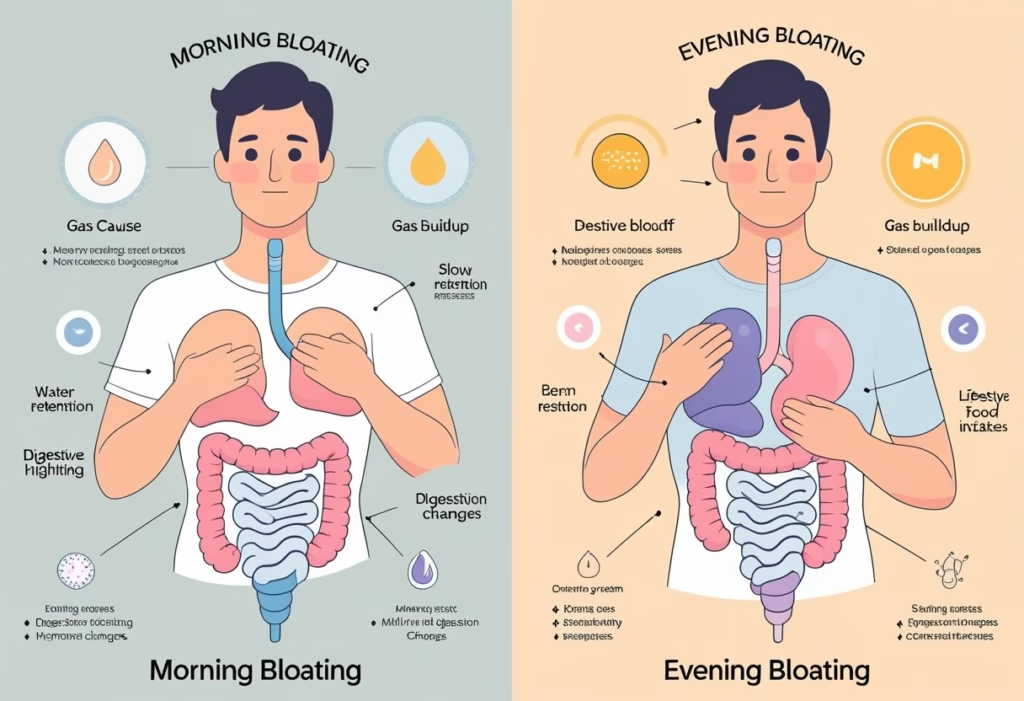
Morning and evening bloating stem from distinct physiological processes. Your digestive system operates on a cycle that naturally creates more gas and fluid accumulation as the day progresses, while overnight fasting and horizontal positioning allow your gut to reset.
Gas Production and Gut Motility
Your digestive system produces gas through two main mechanisms: bacterial fermentation of undigested food and the breakdown of complex carbohydrates. The bacteria in your colon produce hydrogen, methane, and carbon dioxide as they process fiber and resistant starches that your small intestine couldn’t absorb.
Gut motility—the coordinated muscle contractions that move food through your digestive tract—naturally slows throughout the day. This explains why you feel flatter in the morning. During sleep, your body completes the previous day’s digestion without new food intake, allowing trapped gas to dissipate.
By evening, you’ve accumulated multiple meals in your digestive system. Each meal triggers the gastrocolic reflex, but if you’re eating larger dinners or snacking late, your gut doesn’t have sufficient time to process everything before bed. Slow motility combined with ongoing fermentation creates the tight, distended feeling you experience at night.
Foods high in FODMAPs (fermentable oligosaccharides, disaccharides, monosaccharides, and polyols) produce significantly more gas. Beans, cruciferous vegetables, onions, and wheat are common culprits that worsen evening bloating when consumed later in the day.
Role of Swallowed Air During the Day
You swallow approximately 2 liters of air daily through normal activities. This swallowed air, called aerophagia, increases dramatically when you talk while eating, chew gum, drink carbonated beverages, or use straws.
Most swallowed air gets released through burping, but remaining air travels to your intestines and contributes to bloating. The cumulative effect builds throughout your waking hours, which is why you don’t wake up bloated but feel increasingly uncomfortable by evening.
Eating quickly or while stressed exacerbates air swallowing. Your lower esophageal sphincter relaxes more frequently when you eat rapidly, allowing more air into your stomach. Stress also disrupts normal swallowing patterns, causing you to gulp air unconsciously.
Common mistakes include drinking hot beverages too quickly (you sip more air with each gulp) and eating while distracted by screens or conversations. These habits mean you’re swallowing 3-4 times more air than necessary, directly contributing to that bloated feeling by dinnertime.
Water Retention and Fluid Shifts
Your body’s fluid distribution changes based on gravity, sodium intake, and hormonal fluctuations. After lying horizontal for 7-8 hours, excess fluid redistributes from your tissues back into circulation, reducing abdominal puffiness.
Water retention from dietary sodium accumulates during the day, particularly if you consume processed foods or restaurant meals. Each gram of sodium holds approximately 3 grams of water in your tissues. When this fluid collects in your abdominal cavity and intestinal walls, it creates visible distension that’s distinct from gas bloating.
Hormonal changes affect water retention patterns. Women experience cyclical bloating related to estrogen and progesterone fluctuations, with water retention peaking in the luteal phase (the two weeks before menstruation). This hormonal bloating worsens throughout the day as gravity pulls fluid downward into the pelvic region.
Sitting or standing for extended periods compounds fluid accumulation in your lower abdomen. Your lymphatic system, which drains excess tissue fluid, relies on muscle movement to function efficiently. Without regular movement, fluid stagnates and contributes to that heavy, swollen feeling by evening.
Daily Patterns Affecting Bloating
Your digestive system operates on predictable rhythms that directly influence when and how severely you experience bloating. The accumulation of food, changes in gut motility throughout the day, and shifts in hormone levels create distinct patterns that explain why your stomach behaves differently at 8 AM versus 8 PM.
Impact of Meal Timing and Composition
Your digestive tract processes food more efficiently in the morning when gut motility is naturally higher. As the day progresses, digestive function gradually slows, which means meals consumed later take longer to move through your system.
Eating your largest meal at dinner creates a compounding effect. Your body must process substantial food volume when digestive capacity is already declining, leading to evening bloating and extended fullness. The gap between when you eat and when your body can effectively break down that food widens throughout the day.
Common mistakes that worsen nighttime bloating:
- Consuming raw vegetables or high-fiber foods after 6 PM when digestion is slower
- Drinking carbonated beverages with dinner, which introduces additional gas
- Eating too quickly during evening meals, causing you to swallow excess air
Foods high in FODMAPs (fermentable carbohydrates) eaten later in the day have more time to ferment in your gut, producing gas that contributes to bloating at night. The same meal eaten at lunch typically causes less bloating than when consumed at dinner because your digestive system has more active hours to process it.
Physical Activity and Posture
Sitting for extended periods reduces gut motility by up to 30%, slowing the movement of food and gas through your intestines. Most people accumulate 6-8 hours of sitting by evening, which directly contributes to the trapped gas sensation you experience at night.
Your posture compresses your abdominal cavity when you’re seated or hunched over. This physical pressure on your digestive organs impedes normal digestive flow and makes existing bloating feel more pronounced.
Standing and walking stimulate peristalsis—the wave-like muscle contractions that move contents through your digestive tract. Even 10 minutes of walking after meals can reduce bloating severity by promoting gas movement and preventing stagnation.
What usually helps:
- Taking 2-3 short walking breaks during your workday
- Standing for 5-10 minutes after eating
What rarely helps:
- Doing intense exercise immediately after large meals
- Remaining completely still hoping bloating will resolve on its own
Effect of Stress and Hormones
Your cortisol levels peak in the morning and decline throughout the day, which affects digestive function. High morning cortisol actually supports gut motility, while lower evening cortisol coincides with slower digestion and increased bloating at night.
Stress accumulated during your workday triggers your sympathetic nervous system, which diverts blood flow away from digestive organs. This “fight or flight” response directly reduces gut motility and enzyme production, leaving you more susceptible to evening bloating.
For menstruating individuals, progesterone levels fluctuate throughout your cycle and peak during the luteal phase. Elevated progesterone slows intestinal transit time and promotes water retention, intensifying bloating patterns regardless of what you eat.
When you’re stressed, you’re more likely to eat quickly, choose processed foods, and skip movement—all behaviors that compound digestive issues. The physiological stress response also alters your gut microbiome composition, potentially increasing gas production from bacterial fermentation.
Medical disclaimer: Persistent bloating accompanied by unexplained weight loss, blood in stool, severe abdominal pain, or bloating that doesn’t improve with position changes warrants evaluation by a gastroenterologist to rule out conditions like IBS, SIBO, or celiac disease.
Strategies to Reduce Both Morning and Evening Bloating
Addressing bloating requires targeted approaches that support digestion throughout the day. Slowing down meals, adjusting what and how much you eat, and promoting consistent digestive movement can significantly reduce bloating at any time.
Eat Slowly and Mindfully
Eating too quickly is one of the most common causes of bloating because you swallow excess air along with your food. This air travels through your digestive system and contributes to gas buildup and discomfort.
When you eat slowly, you give your stomach time to signal fullness to your brain, which typically takes about 20 minutes. Chewing each bite thoroughly breaks down food mechanically, reducing the workload on your digestive enzymes and improving nutrient absorption.
Practical steps to slow down:
- Put your utensils down between bites
- Chew each bite 20-30 times before swallowing
- Avoid eating while distracted by screens or work
Talking while eating or drinking through straws also increases air intake. If you notice more bloating after rushed meals, this is likely a significant contributor to your symptoms.
Modify Trigger Foods and Meal Size
Large meals stretch your stomach and slow gut motility, which means food sits longer in your digestive tract and produces more gas. Eating smaller, more frequent meals maintains steadier digestion and reduces the mechanical pressure that causes bloating.
Common trigger foods vary by person but often include high-FODMAP foods like onions, garlic, beans, wheat, and dairy products. These contain carbohydrates that ferment in your gut, producing gas as bacteria break them down.
Foods that commonly worsen bloating:
- Carbonated beverages (introduce gas directly)
- Sugar alcohols like sorbitol and xylitol (poorly absorbed)
- Fried or high-fat foods (slow stomach emptying)
- Cruciferous vegetables like broccoli and cabbage (contain raffinose, a hard-to-digest sugar)
Rather than eliminating everything at once, remove one potential trigger at a time for 1-2 weeks to identify your specific sensitivities. Keep portion sizes moderate, as even non-trigger foods can cause bloating when consumed in large quantities.
Support Digestive Movement and Hydration
Gut motility—the movement of food through your digestive tract—naturally slows throughout the day, which partly explains evening bloating. Physical movement directly stimulates intestinal contractions that move gas and waste through your system.
A 10-15 minute walk after meals can significantly reduce bloating by promoting these contractions, which help release trapped gas through belching or passing gas. This is particularly effective after dinner when digestion is slowest.
Daily habits that support gut motility:
- Drink water consistently throughout the day (not just with meals)
- Aim for 25-35 grams of fiber daily, increasing gradually
- Exercise regularly, even light activity like walking or yoga
Dehydration thickens digestive contents and slows transit time, while adequate water intake keeps things moving. However, drinking large amounts with meals can dilute digestive enzymes. Sip water between meals instead.
Medical disclaimer: Persistent bloating accompanied by severe pain, unexplained weight loss, blood in stool, or changes in bowel habits lasting more than two weeks warrants evaluation by a healthcare provider to rule out underlying conditions.
Distinguishing Bloating from Other Abdominal Changes
True bloating involves gas buildup and abdominal distension that fluctuates throughout the day, while water retention and abdominal fat present with different characteristics and timelines. Recognizing these distinctions helps you identify when your symptoms warrant medical evaluation versus simple lifestyle adjustments.
Difference Between Bloating, Water Retention, and Fat
Bloating creates a tight, stretched sensation in your abdomen that appears and disappears within hours. Your stomach may feel hard to the touch, and you might notice visible swelling that wasn’t present earlier in the day. The key indicator is timing—bloating typically worsens after meals and improves overnight.
Water retention appears as puffiness rather than a tight balloon effect. You’ll notice swelling in your ankles, fingers, or face alongside abdominal changes. Unlike bloating, water retention doesn’t create the same gassy, uncomfortable pressure. It responds to salt intake, hormonal fluctuations, and prolonged sitting or standing.
Abdominal fat remains constant throughout the day and doesn’t change significantly between morning and evening. You can pinch a layer of soft tissue, whereas bloated areas feel firm and distended. Fat accumulation develops gradually over weeks or months, not within a single day.
Common mistakes include:
- Assuming all abdominal expansion is fat gain
- Ignoring the rapid onset of bloating symptoms
- Confusing premenstrual water retention with digestive bloating
- Not tracking when symptoms appear relative to meals
When Bloating Requires Medical Attention
Persistent bloating lasting more than two weeks without relief warrants medical evaluation. You should contact your healthcare provider if bloating accompanies unintended weight loss, severe abdominal pain, blood in stool, or changes in bowel habits.
Bloating that occurs exclusively in the morning rather than evening suggests different causes than typical digestive patterns. This reversal may indicate underlying conditions requiring professional assessment. Seek immediate care if you experience sudden, severe abdominal swelling with vomiting, inability to pass gas, or fever.
Progressive worsening of bloating despite dietary changes indicates the need for evaluation. Your healthcare team can rule out conditions like irritable bowel syndrome, small intestinal bacterial overgrowth, or food intolerances through proper testing.
Medical Disclaimer: This information is for educational purposes and does not replace professional medical advice. Consult your healthcare provider for diagnosis and treatment of abdominal symptoms.