
You might assume that regular bowel movements mean your digestive system is working perfectly, but persistent bloating tells a different story. Many people experience constant abdominal distension and discomfort even when they’re having normal, regular bowel movements. This disconnect between bloating and bowel function puzzles many individuals who expect digestive symptoms to follow predictable patterns.

Constant bloating with normal bowel movements typically indicates issues with gas production, food intolerances, small intestinal bacterial overgrowth, or heightened sensitivity in your digestive organs rather than problems with stool formation or transit. Your bowel movement frequency and consistency measure only one aspect of digestive health. Gas accumulation, fluid retention, digestive enzyme deficiencies, and visceral hypersensitivity can all cause significant bloating without affecting how often or how easily you pass stool.
Understanding the specific mechanisms behind your bloating requires looking beyond basic bowel patterns to identify triggers like certain foods, eating behaviors, bacterial imbalances, or underlying conditions such as IBS. This article explains the common and lesser-known causes of persistent bloating when your bowel movements seem normal, clarifies why standard digestive function doesn’t rule out other issues, and provides evidence-based approaches to identify and manage your symptoms effectively.
This information is for educational purposes and does not replace professional medical advice. Consult a healthcare provider for persistent or concerning symptoms.
Understanding Constant Bloating With Normal Bowel Movements
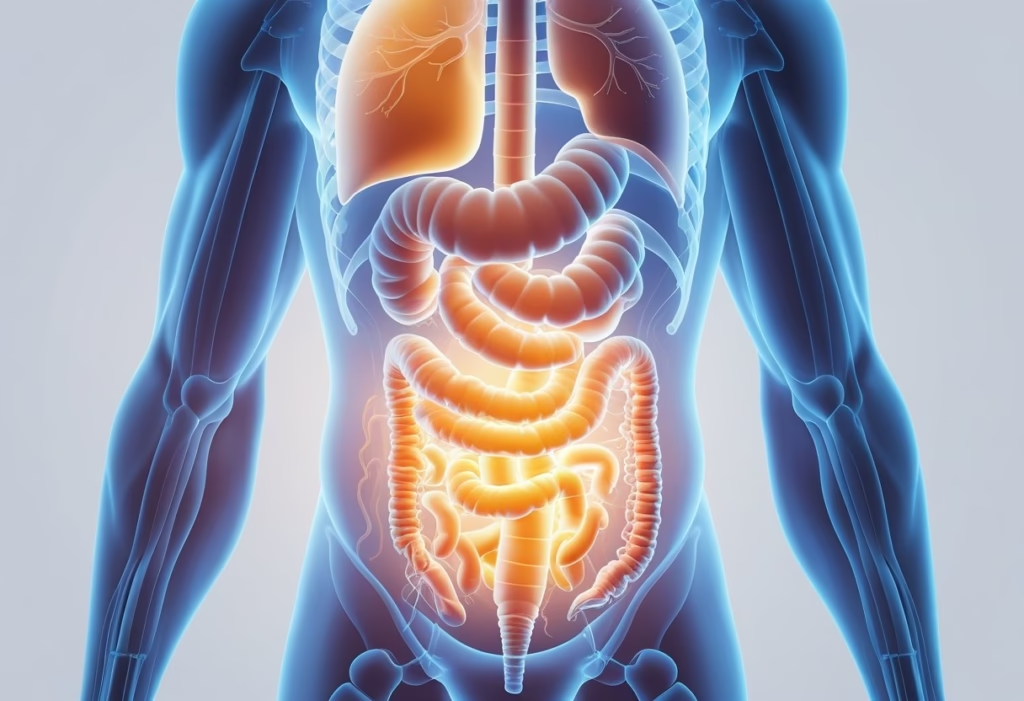
Bloating can persist even when you’re having regular bowel movements because gas production, fluid retention, and digestive motility involve separate mechanisms. The frequency of your bowel movements doesn’t always reflect what’s happening with gas buildup or how your digestive system processes food.
Defining Bloating Versus Other Abdominal Symptoms
Bloating is the sensation of your abdomen feeling full, tight, or stretched, often accompanied by visible swelling. This differs from other abdominal symptoms in specific ways.
Key distinctions:
- Bloating: Fullness and tightness with or without visible distension
- Distension: Measurable increase in abdominal girth that you can see and measure
- Gas: The actual presence of air or gas in your digestive tract
- Cramping: Sharp or dull pain from muscle contractions
Many people mistake general abdominal discomfort for bloating. True bloating involves a sensation of pressure from the inside out, as if your stomach is inflated. You might have bloating without visible distension, which happens when you feel the sensation but your abdomen doesn’t actually expand.
Functional bloating is a recognized condition where you experience fullness and pressure without changes in bowel habits. This occurs in about 14% of women and 9% of men with functional gastrointestinal disorders. The sensation comes from increased sensitivity to normal amounts of gas rather than excessive gas production.
What Is Considered a Normal Bowel Movement?
Normal bowel movements range from three times daily to three times weekly. The consistency matters more than frequency for determining digestive health.
Your bowel movements can be regular while your digestive system still produces excess gas. Constipation isn’t just about frequency. You can have daily bowel movements but still be constipated if you strain, pass hard stools, or feel incompletely empty afterward.
Signs of normal bowel movements:
- Soft, formed stools that pass easily
- No straining required
- Feeling of complete emptying
- Consistent pattern for your body
A common mistake is assuming regular bathroom trips mean your digestion is fine. Gas accumulates in your small intestine and stomach, not just your colon where stool forms. You can empty your bowels normally while gas remains trapped higher in your digestive tract.
Women often experience more severe bloating than men due to hormonal fluctuations, even with identical bowel patterns. Estrogen increases fluid retention, while low progesterone prevents your body from eliminating excess water and salt efficiently.
Gas Production and Its Role in Bloating
Your digestive system produces 1-4 pints of gas daily through swallowing air and bacterial fermentation. Normal gas production doesn’t always exit efficiently.
Gas gets trapped when digestive motility slows or when you’re sensitive to normal gas volumes. Small intestinal bacterial overgrowth (SIBO) changes the bacterial balance in your small intestine, causing fermentation to occur earlier in digestion. This creates bloating before food reaches your colon.
Foods that increase gas production:
- Beans and lentils (oligosaccharides)
- Cruciferous vegetables like broccoli and cabbage
- Dairy products (if lactose intolerant)
- Wheat and grains (if gluten sensitive)
- Artificial sweeteners (sorbitol, mannitol)
Eating quickly makes bloating worse because you swallow more air. This air gets trapped in your stomach and small intestine, creating pressure. Carbonated beverages add extra gas directly into your system, which can remain even after normal bowel movements.
Gastroparesis delays stomach emptying, causing food to ferment longer and produce more gas. This condition affects stomach muscles specifically, so your lower digestive tract and bowel movements might function normally while gas accumulates above.
Medical disclaimer: This information is for educational purposes and should not replace professional medical advice. Consult a healthcare provider if you experience persistent bloating with weight loss, blood in stool, or severe pain.
Common Causes of Persistent Bloating Without Bowel Changes
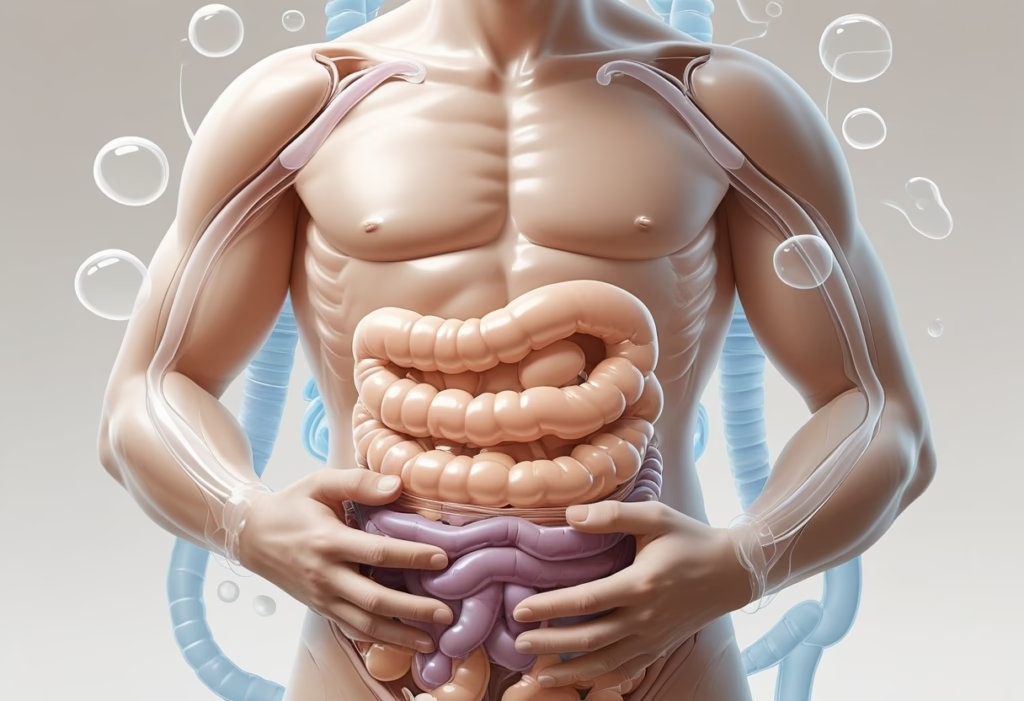
You can experience ongoing bloating even when your bowel movements appear completely normal because bloating often stems from how your digestive system processes food rather than how efficiently it eliminates waste. The most frequent culprits involve specific food reactions, bacterial imbalances in the small intestine, and certain carbohydrates that ferment excessively during digestion.
Food Intolerances and Sensitivities
Food intolerances trigger bloating through fermentation and gas production rather than immune responses. Unlike food allergies, these reactions develop slowly and don’t cause immediate dangerous symptoms.
Lactose intolerance occurs when your small intestine produces insufficient lactase enzyme to break down milk sugar. The undigested lactose travels to your colon where bacteria ferment it, creating gas and bloating within 30 minutes to 2 hours after consuming dairy. You might digest small amounts of hard cheese or yogurt without symptoms because they contain less lactose than milk or ice cream.
Gluten sensitivity (non-celiac gluten sensitivity) causes bloating without the intestinal damage seen in celiac disease. Your digestive system struggles to process proteins found in wheat, barley, and rye, leading to inflammation and gas accumulation. This differs from celiac disease, which requires strict lifelong avoidance, though both produce similar bloating symptoms.
Other common intolerances include fructose and sugar alcohols like sorbitol and xylitol found in sugar-free products. These sweeteners pull water into your intestines and ferment readily, causing significant gas buildup even in small quantities.
Small Intestinal Bacterial Overgrowth (SIBO)
SIBO develops when bacteria that normally live in your colon migrate backward into your small intestine or when your small intestine’s bacterial population grows excessively. These bacteria ferment food before your body absorbs nutrients, producing hydrogen or methane gas that causes persistent bloating.
Your bloating typically worsens within 1-3 hours after eating, particularly after consuming fiber-rich foods or carbohydrates. The timing distinguishes SIBO from colon-related issues, which usually cause symptoms 6-8 hours after meals.
Common triggers that worsen SIBO bloating include:
- Whole grains and bran
- Beans and legumes
- Raw vegetables, especially cruciferous varieties
- Prebiotic supplements meant to feed beneficial bacteria
SIBO often results from reduced stomach acid, slower intestinal movement, or structural intestinal changes from surgery. You may also experience malabsorption leading to deficiencies in iron, vitamin B12, and fat-soluble vitamins despite normal bowel movements.
Breath testing can diagnose SIBO by measuring hydrogen and methane levels after you consume a sugar solution. Treatment typically involves specific antibiotics like rifaximin, which work within the gut without significant systemic absorption.
Gut Microbiome Imbalance
Your gut contains trillions of bacteria that should exist in balanced proportions. Dysbiosis occurs when harmful bacteria outnumber beneficial strains or when overall bacterial diversity decreases.
This imbalance changes how your gut ferments food, often producing excess gas from normal meals. You might notice bloating from foods you previously tolerated well because your altered microbiome processes them differently.
Factors that disrupt your microbiome include:
- Antibiotic use, even months prior
- Chronic stress affecting gut-brain communication
- Low dietary fiber intake
- Artificial sweeteners that harm beneficial bacteria
- Frequent use of proton pump inhibitors for acid reflux
The microbiome imbalance differs from SIBO because the problem exists throughout your entire digestive tract rather than specifically in your small intestine. Probiotic supplements may help some people, but research shows that personalized approaches based on your specific bacterial composition work better than generic strains.
Dietary Triggers and FODMAPs
FODMAPs are short-chain carbohydrates that your small intestine absorbs poorly. The acronym stands for Fermentable Oligosaccharides, Disaccharides, Monosaccharides, and Polyols.
These compounds draw water into your intestines and ferment rapidly in your colon, producing gas without affecting stool frequency or consistency. You can have normal bowel movements while experiencing significant bloating because the gas production occurs independently of how quickly food moves through your system.
High-FODMAP foods that commonly cause bloating:
| Food Category | Examples |
|---|---|
| Oligosaccharides | Wheat, onions, garlic, legumes, cashews |
| Disaccharides | Milk, soft cheeses, yogurt |
| Monosaccharides | Honey, apples, mangoes, high-fructose corn syrup |
| Polyols | Cauliflower, mushrooms, sugar-free gum, stone fruits |
People often make the mistake of eliminating all high-FODMAP foods permanently. Research from Monash University shows that a three-phase approach works best: strict elimination for 2-6 weeks, systematic reintroduction to identify your specific triggers, and personalized long-term eating that avoids only your problem foods.
Some individuals react to FODMAPs because of underlying SIBO or gut microbiome issues rather than the foods themselves. If you don’t improve after 6 weeks of FODMAP restriction, the bloating likely stems from another cause that requires different treatment.
You should consult a gastroenterologist if your bloating persists despite dietary changes, worsens progressively, or accompanies unintended weight loss, blood in stool, or severe abdominal pain. These symptoms may indicate conditions requiring medical diagnosis and treatment beyond dietary management.
This information is for educational purposes only and does not constitute medical advice. Consult a qualified healthcare provider for diagnosis and treatment of digestive symptoms.
Digestive Disorders Linked to Bloating With Normal Stool
Several digestive conditions can cause persistent bloating even when bowel movements appear regular and normal. The key distinction lies in how these disorders affect gas production, intestinal sensitivity, or the gut’s ability to process certain foods rather than stool consistency alone.
Irritable Bowel Syndrome (IBS)
IBS commonly causes bloating without affecting stool appearance in some patients, particularly those with IBS-M (mixed type). Your gut becomes hypersensitive to normal amounts of gas, making you feel bloated even when gas volume isn’t actually elevated. This happens because the nerve signals between your gut and brain amplify normal digestive sensations.
Around 90% of IBS patients report bloating as a primary symptom. The condition involves disordered gut-brain communication rather than structural damage to your intestines. You might notice your bloating worsens with stress, certain foods, or hormonal changes during menstruation.
What makes it worse: High-FODMAP foods (fermentable carbohydrates), large meals, carbonated drinks, and anxiety frequently trigger symptoms. Eating quickly and swallowing air also intensifies bloating.
What usually helps: Low-FODMAP diets reduce symptoms in about 70% of cases. Peppermint oil, probiotics containing Bifidobacterium species, and gut-directed hypnotherapy show consistent evidence of relief.
When to see a doctor: If you experience new bloating after age 50, blood in stool, unexplained weight loss, or severe pain that disrupts daily activities.
Inflammatory Bowel Disease (IBD)
IBD, including Crohn’s disease and ulcerative colitis, can cause bloating during remission periods when bowel movements seem normal. Inflammation damages your intestinal lining, which disrupts normal digestion and creates areas of narrowing (strictures) where gas accumulates.
Even mild, subclinical inflammation affects how your gut processes food. Your intestines may struggle to absorb certain nutrients, leading to bacterial fermentation and gas production. Many IBD patients develop small intestinal bacterial overgrowth (SIBO), which compounds bloating issues.
Common mistake: Assuming normal stools mean your IBD is fully controlled. Bloating can signal ongoing low-grade inflammation that standard stool appearance doesn’t reveal.
What makes it worse: High-fiber foods during flares, dairy products if lactose intolerance has developed, and NSAIDs like ibuprofen can trigger inflammation.
When to see a doctor: Persistent bloating with IBD requires evaluation, especially if accompanied by fatigue, mouth ulcers, joint pain, or changes in blood test markers like C-reactive protein.
Celiac Disease and Non-Celiac Gluten Sensitivity
Celiac disease damages your small intestine’s villi when you consume gluten, impairing nutrient absorption and causing bloating regardless of stool consistency. About 50% of newly diagnosed celiac patients present with bloating rather than diarrhea. The immune response triggers inflammation that affects how your gut moves and processes food.
Non-celiac gluten sensitivity produces similar bloating without the autoimmune intestinal damage. Your body reacts to gluten or other wheat proteins, causing temporary digestive dysfunction and gas accumulation. This condition affects an estimated 6% of the population.
What rarely helps: Simply reducing gluten intake in celiac disease. You need complete gluten elimination to heal intestinal damage and resolve symptoms.
What usually helps: Strict gluten-free diet resolves bloating in celiac disease within 6-12 months as your intestines heal. For non-celiac gluten sensitivity, eliminating gluten for 6 weeks typically shows clear improvement.
When to see a doctor: Before starting a gluten-free diet, get tested for celiac disease through blood tests and possibly endoscopy. Testing becomes unreliable once you’ve removed gluten from your diet.
Medical disclaimer: This information is for educational purposes and does not replace professional medical advice. Consult your healthcare provider for diagnosis and treatment of digestive symptoms.
Lifestyle and Behavioral Contributors to Chronic Bloating
Even with regular bowel movements, certain daily habits can trap excess air in your digestive system or slow down food processing, leading to persistent bloating. Repetitive behaviors like gum chewing and stress-related gut dysfunction often create symptoms that standard digestive tests won’t detect.
Chewing Gum and Swallowing Air
Chewing gum causes you to swallow air repeatedly throughout the day, a process called aerophagia. This trapped air accumulates in your stomach and intestines, creating pressure and visible distension even when your bowels are functioning normally.
Sugar-free gum presents an additional problem. Most varieties contain sugar alcohols like sorbitol, xylitol, or mannitol, which your small intestine cannot fully absorb. These compounds draw water into your intestines and ferment when they reach your colon, producing gas.
You might swallow 2-3 times more air while chewing gum compared to normal breathing. The constant chewing motion also triggers your digestive system to prepare for food that never arrives, causing your stomach to produce excess acid and enzymes.
Common air-swallowing behaviors that worsen bloating:
- Drinking through straws
- Smoking or vaping
- Eating too quickly
- Talking while eating
- Drinking carbonated beverages
Overeating and Meal Patterns
Large meals physically stretch your stomach beyond its comfortable capacity, which can take 4-6 hours to empty completely. This mechanical stretching triggers the same nerve signals that create bloating sensations, regardless of whether gas is actually present.
Your stomach typically holds about 1 liter comfortably, but overeating can expand it to 3-4 liters. This expansion slows gastric emptying because your stomach muscles must work harder to break down the excess food volume.
Eating late at night compounds the problem. Your digestive system naturally slows down in the evening as part of your circadian rhythm, meaning food sits in your stomach longer. Lying down within 2-3 hours of eating prevents gravity from helping move food through your system.
What makes symptoms worse:
- Eating until you feel “stuffed” rather than satisfied
- Skipping meals and then eating large portions
- Consuming meals in less than 10-15 minutes
- Eating your largest meal after 7 PM
Stress and the Gut-Brain Axis
Your brain and digestive system communicate constantly through the vagus nerve and chemical messengers. Chronic stress alters this communication, causing your intestines to contract irregularly even when stool moves through normally.
Stress triggers your body to release cortisol and adrenaline, which redirect blood flow away from your digestive organs. This slows the muscular contractions that mix food with digestive enzymes, causing food to ferment and produce gas before it’s properly broken down.
Research shows that people with chronic stress have increased visceral hypersensitivity, meaning they perceive normal amounts of intestinal gas as painful or uncomfortable. Your brain essentially amplifies ordinary digestive sensations into noticeable bloating.
Anxiety also changes your breathing patterns. Rapid, shallow breathing or breath-holding during stressful moments causes you to swallow more air without realizing it.
Stress-related factors that increase bloating:
- Anxiety and depression (affect gut motility)
- Poor sleep quality (disrupts digestive hormone regulation)
- Hypervigilance about digestive sensations (amplifies perception)
Medical disclaimer: This information is for educational purposes and should not replace professional medical advice. Consult your healthcare provider if bloating persists for more than two weeks or occurs with weight loss, severe pain, or changes in bowel habits.
When to Seek Medical Advice for Bloating
Bloating that persists despite normal bowel movements requires medical evaluation when accompanied by specific warning signs or when it interferes with daily life. Medical professionals can identify underlying conditions through targeted diagnostic testing and prevent potential complications from developing.
Warning Signs: When Bloating Signals a Serious Condition
Blood in stool represents one of the most urgent warning signs requiring immediate medical attention. This symptom can indicate conditions ranging from inflammatory bowel disease to rectal cancer, particularly when paired with persistent bloating.
Unexplained weight loss alongside bloating suggests your digestive system may not be absorbing nutrients properly. When you lose weight without changing your diet or exercise habits, this often points to malabsorption disorders like celiac disease or more serious gastrointestinal problems.
You should seek medical care if your bloating lasts more than two weeks continuously. Abdominal cramps that intensify over time or wake you from sleep differ from typical gas discomfort and may indicate intestinal obstruction or inflammatory conditions.
Important symptoms requiring prompt evaluation:
- Severe abdominal pain that worsens or doesn’t respond to over-the-counter remedies
- Fever accompanying bloating and digestive symptoms
- Vomiting, especially if persistent or containing blood
- Inability to pass gas or have bowel movements
- Rapid onset of symptoms (developing over hours or days rather than gradually)
Changes in your typical bowel pattern matter even when movements remain “normal” in frequency. If you develop chronic diarrhea or chronic constipation alternating with your usual pattern, this signals potential digestive dysfunction requiring investigation.
Diagnostic Approaches in Gastroenterology
Gastroenterology specialists use several diagnostic tools to identify bloating causes. Your doctor will start with a detailed medical history and physical examination, asking about symptom timing, food triggers, and medication use.
Blood tests screen for celiac disease, thyroid disorders, and inflammatory markers that indicate digestive tract inflammation. Stool tests can detect infections, parasites, or signs of malabsorption.
The hydrogen breath test measures gas production after consuming specific sugars. This non-invasive test identifies lactose intolerance, fructose malabsorption, and small intestinal bacterial overgrowth (SIBO). Elevated hydrogen or methane levels indicate abnormal bacterial fermentation in your digestive tract.
Endoscopy allows direct visualization of your upper digestive tract. During this procedure, a gastroenterologist inserts a thin, flexible tube with a camera through your mouth to examine your esophagus, stomach, and small intestine. They can take tissue samples (biopsies) to check for celiac disease, inflammation, or abnormal cell changes.
Colonoscopy examines your large intestine and can detect polyps, inflammatory bowel disease, or rectal cancer. Imaging studies like CT scans or ultrasounds help visualize structural problems, masses, or organ abnormalities that standard tests might miss.
Possible Complications if Left Unchecked
Untreated bloating with an underlying cause can progress to malnutrition when your body fails to absorb essential nutrients. This particularly affects people with undiagnosed celiac disease or chronic inflammatory conditions.
Chronic constipation that contributes to bloating can lead to fecal impaction, hemorrhoids, or anal fissures. The continuous straining damages your pelvic floor muscles and may cause rectal prolapse in severe cases.
Small intestinal bacterial overgrowth, if unaddressed, damages your intestinal lining over time. This damage reduces enzyme production and further impairs nutrient absorption, creating a worsening cycle of digestive dysfunction.
Delayed diagnosis of serious conditions like rectal cancer significantly affects treatment outcomes. Early-stage detection through timely medical evaluation provides substantially better prognosis and treatment options than late-stage discovery.
Medical Disclaimer: This information is for educational purposes and does not replace professional medical advice. Consult a qualified healthcare provider for diagnosis and treatment of persistent bloating or concerning symptoms.
Evidence-Based Strategies to Prevent and Manage Bloating
Targeted dietary changes can reduce gas production in your intestines, while specific probiotics may restore bacterial balance that affects bloating. Simple adjustments to how and when you eat also influence whether gas becomes trapped in your digestive system.
Adopting a Low FODMAP Diet
A low FODMAP diet restricts specific carbohydrates that your small intestine struggles to absorb fully. When these carbohydrates reach your colon undigested, bacteria ferment them and produce gas.
The acronym stands for fermentable oligosaccharides (wheat, onions, garlic, legumes), disaccharides (lactose in dairy), monosaccharides (fructose in certain fruits and honey), and polyols (sugar alcohols in stone fruits and sugar-free products). Research shows this approach reduces bloating symptoms in 50-80% of IBS patients.
You should eliminate high FODMAP foods for 2-6 weeks, then reintroduce them one at a time. This identifies your specific triggers since not everyone reacts to all FODMAPs. Many people find they only need to avoid 2-3 categories permanently.
Common mistake: Cutting out FODMAPs indefinitely without testing tolerance. This unnecessarily restricts your diet and may reduce beneficial gut bacteria diversity over time. Work with a dietitian to properly reintroduce foods and establish your personal threshold levels.
Probiotics and Gut Health
Probiotics introduce live bacteria that may reduce gas production, though strain selection matters significantly. Bifidobacterium infantis 35624 and Lactobacillus plantarum 299v have shown the strongest evidence for reducing bloating in clinical trials.
Small intestinal bacterial overgrowth (SIBO) causes bloating because bacteria colonize areas where they shouldn’t exist in large numbers. Some probiotics help, but others worsen SIBO symptoms by adding more bacteria. If probiotics make your bloating worse within a few days, stop taking them.
What rarely helps: Multi-strain probiotic supplements with 15+ different species. Studies suggest single-strain or limited-strain formulas work better for bloating because they target specific digestive issues. Quality matters more than bacterial count—look for products with documented strain numbers and refrigeration requirements.
Healthy Digestion Habits
Eating quickly causes you to swallow excess air, which contributes to bloating alongside gas from food fermentation. Chewing thoroughly and putting your fork down between bites reduces aerophagia.
Exercise stimulates intestinal contractions that move gas through your system rather than letting it accumulate. A 10-15 minute walk after meals prevents gas from becoming trapped. Physical activity also reduces stress, which can trigger digestive symptoms in sensitive individuals.
What makes symptoms worse: Lying down immediately after eating, drinking through straws, chewing gum, and talking while eating all increase swallowed air. Carbonated beverages release carbon dioxide in your stomach, directly adding to bloating.
If you experience persistent bloating with weight loss, blood in stool, or severe pain, consult your doctor to rule out conditions like gastroparesis or gynecological issues that require medical treatment beyond lifestyle changes.