
Your standard medical tests come back normal, but you feel exhausted, bloated, anxious, or struggle with skin problems that won’t resolve. An imbalanced gut microbiome can affect your immune system, brain function, hormone balance, and nutrient absorption while remaining completely invisible on routine blood work and colonoscopies. This is why gut dysbiosis often goes undiagnosed for years, with symptoms dismissed as stress, aging, or irritable bowel syndrome.
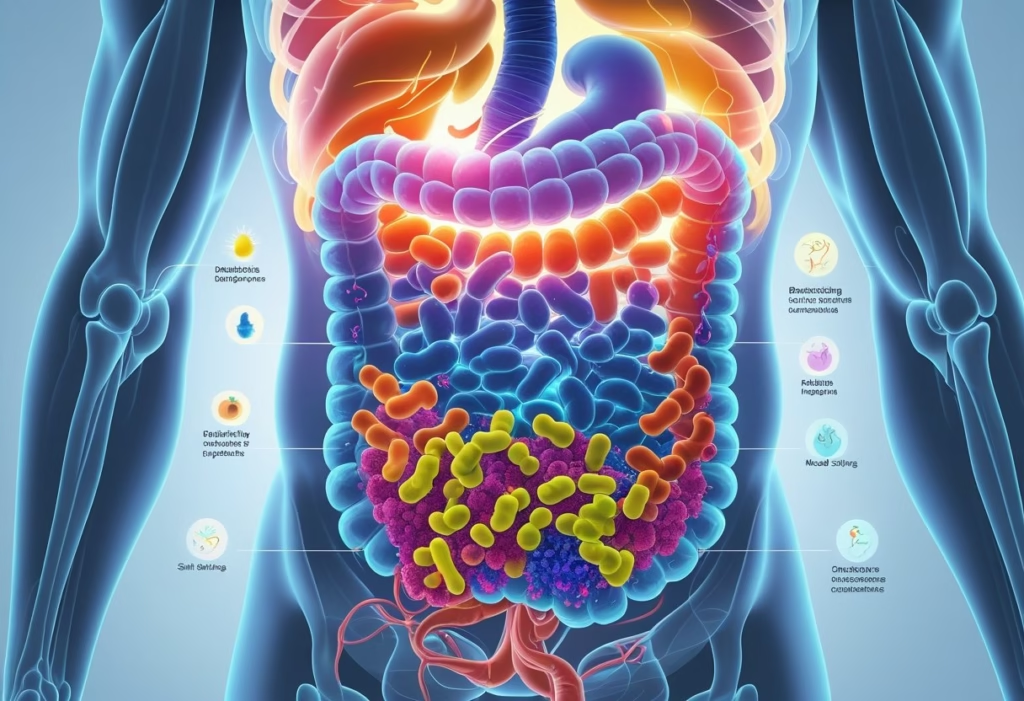
The challenge is that signs of an unhealthy gut extend far beyond digestive discomfort. Your gut bacteria influence everything from serotonin and dopamine production in your brain to how your intestinal barrier functions and whether your immune system overreacts to foods you used to tolerate. When harmful bacteria outnumber beneficial microbes, the effects ripple through multiple body systems simultaneously.
Understanding which symptoms actually indicate gut dysbiosis versus other conditions, what commonly makes bacterial imbalances worse, and which interventions genuinely restore microbial diversity can save you years of trial and error. This guide explains the overlooked warning signs your doctors might miss, the mistakes that perpetuate the problem, and the evidence-based approaches that help rebalance your gut microbiome.
Common Mistakes

Many people dismiss bloating and gas as normal side effects of eating. They assume everyone deals with persistent digestive discomfort after meals, but this isn’t how a balanced gut should function. When your microbiome is disrupted, these bacteria produce excessive gas from undigested carbohydrates, leading to distension and cramping that shouldn’t be your baseline.
Doctors often overlook the connection between unexplained fatigue and gut imbalance. Your intestinal bacteria produce neurotransmitters and vitamins that affect energy levels. When harmful bacteria outnumber beneficial ones, nutrient absorption declines and inflammatory signals increase, leaving you with low energy that blood tests might not explain.
Commonly Ignored Warning Signs:
- Attributing irregular bowel movements to stress alone
- Accepting chronic constipation or diarrhea as your “normal”
- Ignoring heartburn by taking antacids without investigating causes
- Dismissing bad breath as purely a dental issue
- Overlooking recurring yeast infections as unrelated to digestive health
Another frequent error involves treating individual symptoms without recognizing patterns. You might address abdominal pain with medication while ignoring simultaneous changes in bowel habits and headaches. These clustered symptoms often signal dysbiosis rather than separate conditions.
Food intolerances that develop suddenly deserve attention rather than simple avoidance. When your gut lining becomes compromised, proteins that normally stay contained can trigger immune responses. This explains why foods you previously tolerated now cause problems.
Many people also mistake serious symptoms like difficulty swallowing or vomiting as temporary issues. These warrant medical evaluation because they can indicate inflammatory conditions that, if left unaddressed, may progress to more significant complications.
What Makes Symptoms Worse
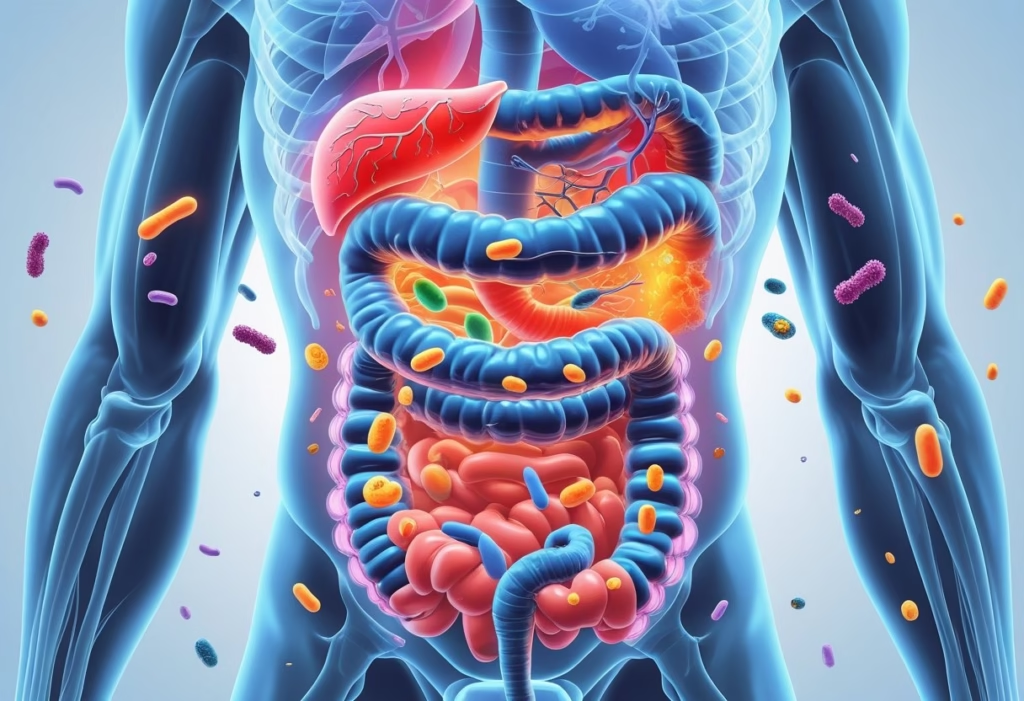
Certain lifestyle factors can intensify gut imbalance symptoms and create a cycle that’s difficult to break. Understanding these triggers helps explain why your symptoms fluctuate from day to day.
Stress stands out as one of the most significant aggravators. When you’re stressed, your body produces cortisol, which alters gut bacteria composition and increases intestinal permeability. This explains why anxiety and mood swings often worsen digestive issues and vice versa.
Sleep deprivation disrupts the delicate balance of your microbiome. Poor sleep reduces beneficial bacteria diversity and increases inflammation throughout your body. This creates a feedback loop where gut inflammation causes sleep problems, which further damages gut health.
Processed foods feed harmful bacteria while starving beneficial strains. High sugar intake particularly fuels dysbiosis, leading to increased sugar cravings as bad bacteria multiply and signal your brain to consume more of what sustains them.
Common symptom amplifiers include:
- Artificial sweeteners that alter gut bacterial composition
- Alcohol consumption that damages the intestinal lining
- Non-steroidal anti-inflammatory drugs (NSAIDs) that increase gut permeability
- Sedentary behavior that slows digestive motility
- Dehydration that impairs nutrient absorption
The connection between gut health and skin conditions becomes more pronounced under these conditions. Acne, eczema, rosacea, and psoriasis often flare when gut inflammation peaks. Food sensitivities intensify as your intestinal barrier weakens, allowing partially digested proteins into your bloodstream.
Brain fog and depression worsen because your gut produces approximately 90% of your body’s serotonin. When gut bacteria populations shift unfavorably, neurotransmitter production drops, directly affecting cognitive function and emotional regulation.
When To See A Doctor
You should schedule an appointment if digestive symptoms persist for more than two to three weeks despite improvements in diet and stress management. Chronic bloating, diarrhea, or constipation that interferes with daily activities warrants medical evaluation because these can indicate conditions beyond simple gut imbalance.
Seek medical attention if you experience:
- Unexplained weight loss of more than 5% of your body weight
- Blood in your stool or black, tarry stools
- Severe abdominal pain that worsens over time
- Persistent vomiting or inability to keep food down
- Fever accompanying digestive symptoms
Frequent infections or illness that don’t respond to typical treatments may signal immune dysfunction related to gut health. Your gut houses approximately 70% of your immune system, so recurrent respiratory infections, urinary tract infections, or slow wound healing can indicate underlying dysbiosis that needs professional assessment.
Changes in sleep patterns combined with digestive issues deserve attention because gut bacteria produce neurotransmitters that regulate sleep cycles. If you notice worsening insomnia alongside gut symptoms, this connection may require medical investigation.
Pay attention to oral health changes like persistent bad breath, gum inflammation, or new cavities appearing despite good oral hygiene. These symptoms can reflect gut bacterial imbalances affecting your entire digestive tract from mouth to colon.
Your primary care physician can order stool tests, blood work, or refer you to a gastroenterologist for specialized evaluation. Early intervention prevents progression to more serious conditions like inflammatory bowel disease or nutrient deficiencies that affect multiple body systems.
What Usually Helps Vs What Rarely Helps
When your gut bacteria is unbalanced, knowing which interventions actually work can save you time and money. Here’s what medical evidence supports versus common approaches that often disappoint.
What Usually Helps:
Fermented foods like yogurt, kimchi, and sauerkraut introduce live beneficial bacteria directly into your digestive system. These foods contain multiple bacterial strains that can colonize your gut and improve symptoms like bloating within weeks.
Prebiotics from whole foods—including garlic, onions, leeks, and bananas—feed your existing good bacteria. When you consume fiber-rich foods like oats, legumes, and whole grains, you’re essentially providing fuel for beneficial microbes to multiply.
A plant-forward diet rich in diverse vegetables creates the foundation for improving gut health. Your microbiome thrives on variety, so rotating different fiber sources matters more than eating the same foods repeatedly.
Specific probiotics with documented strains (like Lactobacillus and Bifidobacterium) show consistent benefits in clinical studies. Kefir and miso provide both probiotics and nutrients that support the intestinal lining.
What Rarely Helps:
Generic probiotic supplements without strain identification often fail because not all bacteria survive stomach acid or address your specific imbalance. Taking random supplements without understanding which bacterial species you’re missing rarely produces results.
Digestive enzymes may temporarily reduce symptoms but don’t address the underlying bacterial imbalance. They can be helpful short-term but won’t restore microbial diversity.
Extreme elimination diets often backfire by reducing the fiber and prebiotics your good bacteria need to survive.