
You finish dinner feeling fine, but by 8 PM your stomach feels tight and uncomfortable. Even when you eat healthy foods all day, evening bloating can still show up like clockwork. This pattern is frustrating because it suggests the problem isn’t just about what you’re eating.

Evening bloating happens because your digestive system naturally slows down as the day progresses, causing food and gas to accumulate in your intestines rather than moving through efficiently. Throughout the day, you also swallow air when eating, drinking, or even talking, and this air has nowhere to go except your digestive tract. The most common cause of stomach pain and bloating is excess intestinal gas, which builds up over hours rather than appearing immediately after a single meal.
Understanding why you feel bloated every evening requires looking beyond your food choices. The speed at which you eat, your stress levels, and even the timing of your meals all play significant roles in whether you experience that uncomfortable tight feeling by dinnertime.
Common Mistakes
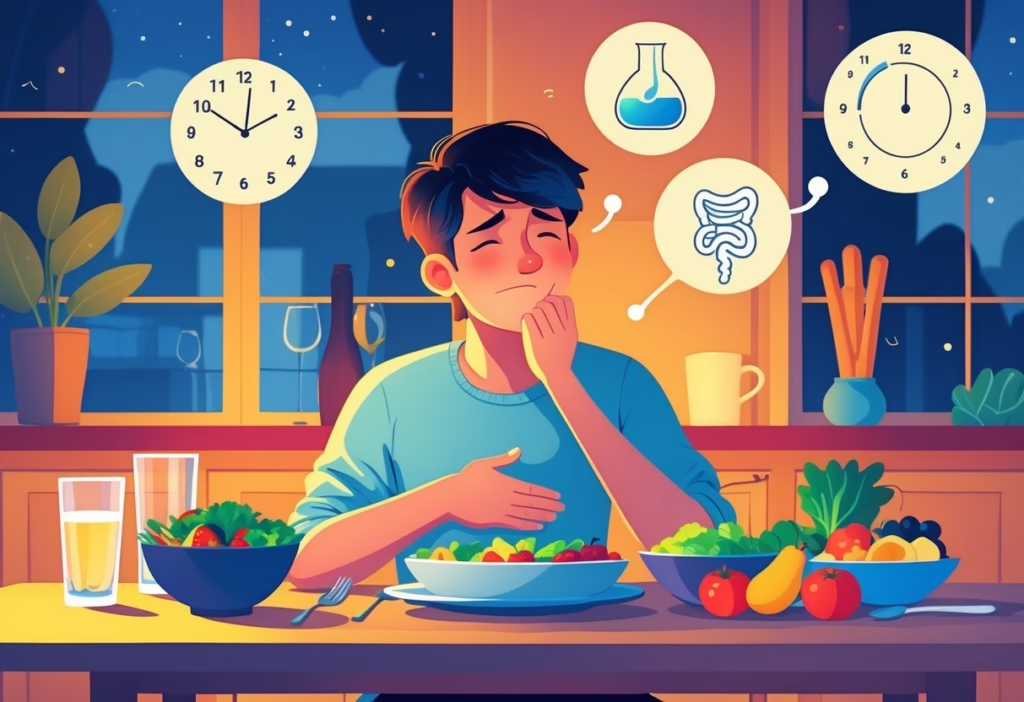
Even with a nutritious diet, evening bloating often stems from how and what you eat throughout the day rather than a single meal. Your digestive system accumulates the effects of multiple habits that trigger excess gas and intestinal discomfort.
Eating too quickly ranks among the most frequent culprits. When you rush through meals, you swallow air along with your food, leading to trapped gas in your digestive tract. Chewing thoroughly gives your stomach time to signal fullness and reduces the amount of air you inadvertently consume.
Food intolerances present another challenge. You might consume seemingly healthy foods that your body struggles to break down properly. Lactose, fructose, and certain fibers can ferment in your gut when your digestive enzymes can’t process them efficiently, creating uncomfortable intestinal gas by evening.
Common triggers include:
- Sugar alcohols in “sugar-free” products (sorbitol, xylitol, erythritol)
- High-FODMAP vegetables like broccoli, cauliflower, and onions
- Beans and legumes containing complex carbohydrates
- Whole grains that increase fiber intake too rapidly
Overeating throughout the day overloads your digestive capacity, even with nutritious choices. Your stomach stretches beyond its normal size, while your intestines work overtime to process the volume.
Food sensitivities differ from true intolerances but still generate gas-causing reactions. Your immune system responds to specific proteins in otherwise healthy foods, creating inflammation and slowed digestion that manifests as bloating hours later.
Chronic constipation compounds these issues. When waste moves slowly through your colon, bacterial fermentation intensifies, producing more gas and creating pressure that worsens as the day progresses.
What Makes Symptoms Worse
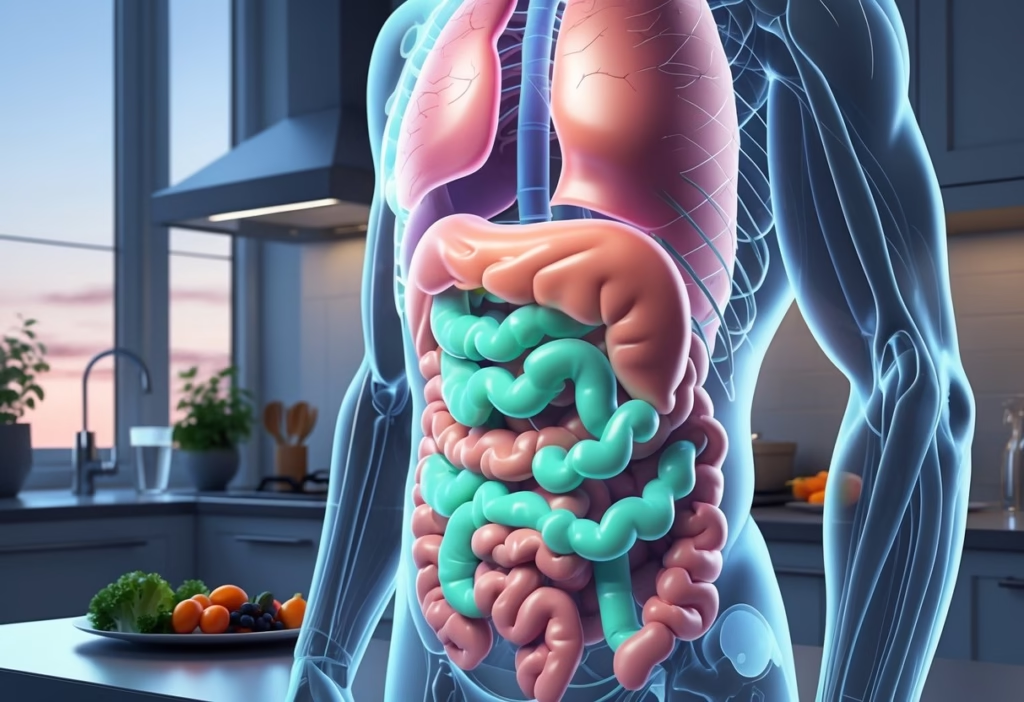
Certain factors amplify evening bloating even when your diet appears clean. Stress throughout the day triggers your body to redirect blood flow away from digestion, which slows gut motility and allows gas to accumulate in your intestines.
Eating too quickly causes you to swallow excess air, leading to increased abdominal pressure by evening. This habit also prevents proper chewing, which means larger food particles reach your intestines and ferment more readily.
Common aggravating factors:
- Rapid eating – Creates air swallowing and incomplete breakdown of food
- Dehydration – Causes water retention as your body compensates for fluid loss
- Sedentary behavior – Reduces gut motility and gas movement through your digestive tract
- Artificial sweeteners – Ferment in your gut and produce excess gas
If you have underlying conditions like irritable bowel syndrome or small intestinal bacterial overgrowth, these triggers become more pronounced. SIBO creates dysbiosis where bacteria ferment food prematurely in your small intestine rather than your colon.
FODMAPs naturally present in healthy foods like apples, onions, and wheat can worsen symptoms for those with digestive sensitivities. Your gut bacteria ferment these carbohydrates throughout the day, with gas production peaking by evening.
Undiagnosed celiac disease damages your intestinal lining, which impairs nutrient absorption and causes inflammation that manifests as bloating hours after eating. Hormonal fluctuations also affect digestion, particularly in women during certain menstrual cycle phases when progesterone slows intestinal movement.
Combining multiple trigger foods in one day compounds the effect, even if individual meals seem appropriate.
When To See A Doctor
Occasional evening bloating doesn’t usually require medical attention. However, persistent symptoms that don’t improve with dietary changes warrant evaluation by a healthcare provider.
You should schedule an appointment if your bloating doesn’t improve with dietary or lifestyle changes after several weeks of monitoring your habits. This pattern may indicate underlying conditions like gastroparesis, where your stomach empties too slowly, or pancreatic insufficiency, which prevents proper enzyme production for digestion.
Warning signs that require prompt medical attention include:
- Unexplained weight loss alongside bloating
- Stools that are greasy, light-colored, or contain blood or mucus
- Severe abdominal pain that persists or worsens
- Chronic constipation or diarrhea that doesn’t respond to treatment
- Complete loss of appetite
- Symptoms that interfere with your daily activities
Certain conditions present specific patterns worth noting. Pelvic floor dysfunction can cause bloating combined with difficulty emptying your bowels completely. Abdominophrenic dyssynergia involves coordination problems between your diaphragm and abdominal muscles during digestion. A bowel obstruction represents a medical emergency requiring immediate care.
Seek immediate medical attention if you experience severe pain, high fever, or chest pain alongside bloating. These symptoms may indicate serious complications.
Your doctor will perform a physical examination and discuss your complete medical history. They may order specific tests based on your symptom combination. Early evaluation helps identify treatable conditions before they progress, improving your quality of life and preventing potential complications.
What Usually Helps Vs What Rarely Helps
When you’re dealing with evening bloating, some strategies address the root cause while others only mask symptoms temporarily. Understanding the difference helps you focus your efforts on what actually works.
Usually Effective:
- Eating more slowly throughout the day — When you rush through meals, you swallow excess air that accumulates in your digestive tract by evening. Taking time to chew thoroughly also breaks down food better, which supports gut health and reduces fermentation.
- Moving after meals — Physical activity helps relieve bloating symptoms because it stimulates gut motility. Even a 10-minute walk encourages your digestive system to keep moving rather than letting gas build up.
- Staying hydrated consistently — Water helps prevent constipation, which is a common contributor to evening distension. When stool moves regularly, gas has fewer places to get trapped.
- Tracking specific trigger foods — Keeping a food diary reveals patterns between what you eat and how bloated you feel later, even with healthy foods that may not suit your system.
Rarely Effective:
- Just taking probiotics randomly — While gut health matters, probiotics work differently for each person and won’t address mechanical issues like eating too fast.
- Avoiding all fiber — This often backwashes and worsens constipation, creating more bloating over time.
- Drinking carbonated water for “digestion” — This adds more gas to your system when you already have accumulation issues.
- Wearing looser clothing — This might feel more comfortable but doesn’t provide actual relief from bloating or address why it’s happening.