
Your digestive system hosts trillions of microorganisms that influence everything from how well you absorb nutrients to how effectively your immune system functions. When this delicate balance gets disrupted by antibiotics, poor diet, stress, or illness, you might experience bloating, irregular bowel movements, or persistent digestive discomfort. Probiotics are living beneficial bacteria that help restore balance to your gut microbiome, supporting digestion by lowering pH levels in your colon, improving nutrient absorption, and potentially easing conditions like irritable bowel syndrome and antibiotic-related diarrhea.
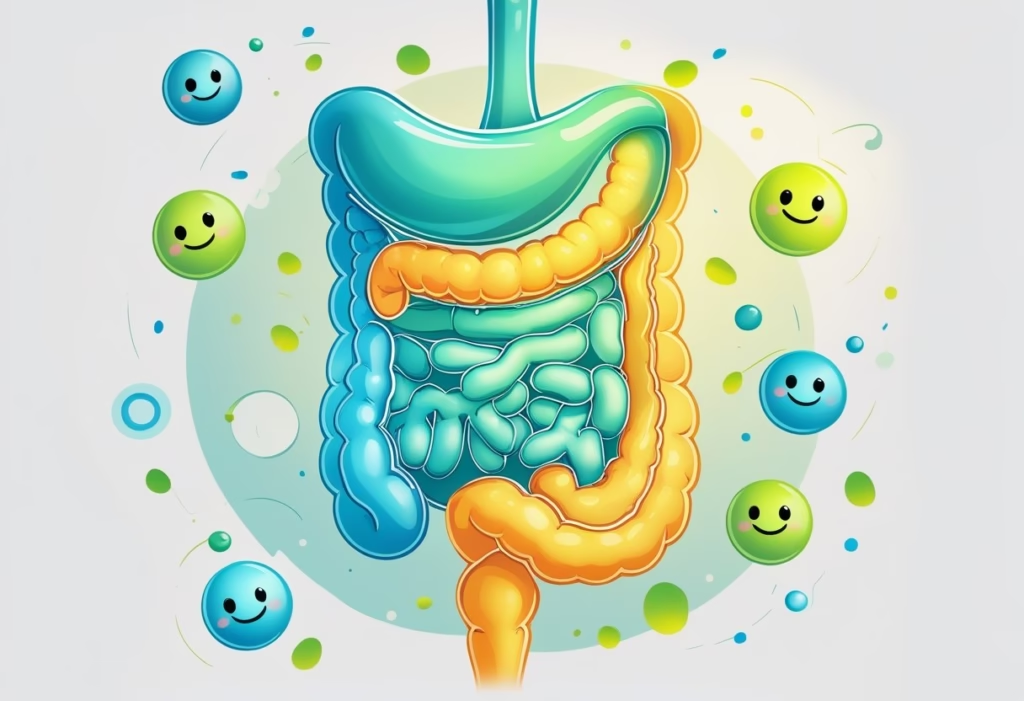
Many people assume all probiotics work the same way, but different strains target different issues. The Lactobacillus strains may help with lactose intolerance and diarrhea, while Bifidobacterium species often support constipation relief and immune function. Understanding which strains match your specific digestive concerns makes the difference between wasting money on ineffective supplements and actually feeling better.
This article examines how probiotics work in your digestive system, which specific strains address common gut problems, and how to choose between food sources and supplements. You’ll also learn about the broader health effects beyond digestion and why combining probiotics with prebiotics might enhance results. This information is for educational purposes and does not replace medical advice from your healthcare provider, especially if you have chronic illness, weakened immunity, or are considering probiotics for infants.
How Probiotics Improve Digestive Health
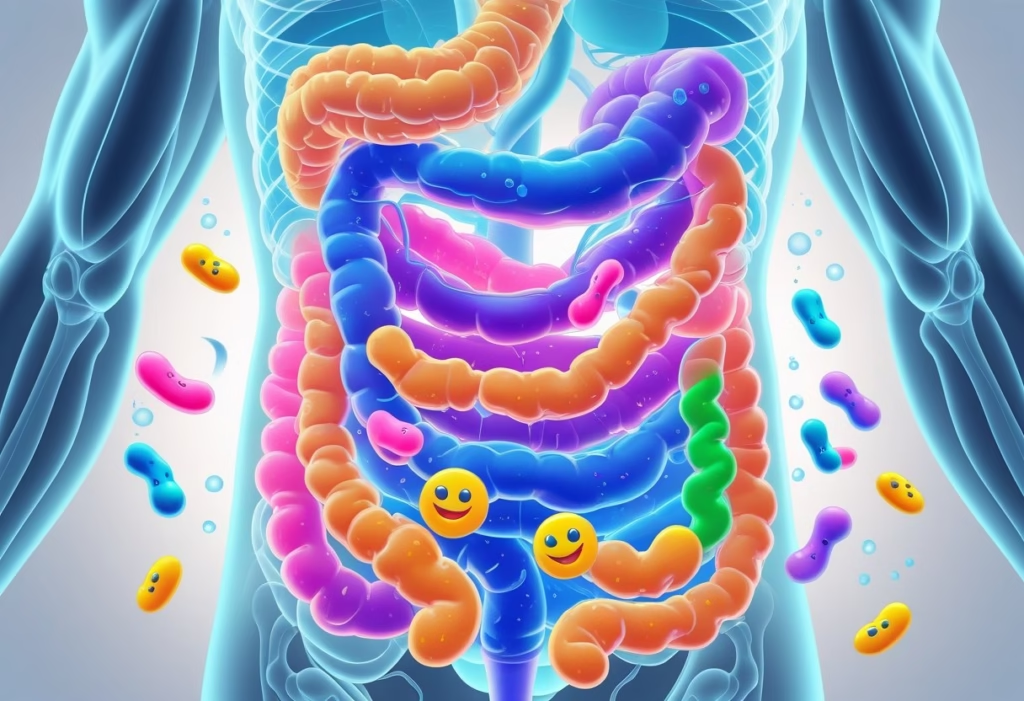
Probiotics work through multiple mechanisms to support digestive function, from strengthening your intestinal barrier to producing compounds that reduce inflammation and promoting the growth of beneficial bacteria while limiting harmful microbes.
Role of Probiotics in the Digestive System
Probiotics function as living microorganisms that colonize your digestive tract and help maintain its normal operations. When you consume probiotics, these bacteria travel through your stomach acid and establish themselves primarily in your colon, where they interact with your existing gut microbiota.
These beneficial bacteria produce short-chain fatty acids (SCFAs) like butyrate, acetate, and propionate through fiber fermentation. SCFAs serve critical functions: they provide energy to your intestinal cells, reduce inflammation, and strengthen your gut barrier by improving the tight junctions between epithelial cells.
Probiotics also compete with pathogenic bacteria for nutrients and attachment sites along your intestinal wall. This competitive exclusion prevents harmful bacteria from colonizing your digestive tract. Certain probiotic strains produce organic acids and bacteriocins that directly inhibit pathogen growth by lowering intestinal pH.
Your intestinal mucus layer benefits from probiotic colonization as well. Specific strains stimulate goblet cells to produce more mucin, which thickens the protective barrier between your gut lining and digestive contents. This reduces the risk of pathogens reaching and damaging your epithelial cells.
Benefits for Common Digestive Issues
Irritable bowel syndrome (IBS) symptoms often improve with targeted probiotic use. Strains like Bifidobacterium infantis and Lactobacillus plantarum reduce abdominal pain, bloating, and irregular bowel movements in many people with IBS. The mechanism involves modulating gut-brain communication and reducing visceral hypersensitivity.
For antibiotic-associated diarrhea, probiotics provide measurable protection. Antibiotics kill beneficial bacteria alongside harmful ones, creating an imbalance that allows Clostridioides difficile to overgrow. Taking Saccharomyces boulardii or Lactobacillus rhamnosus GG during and after antibiotic treatment reduces diarrhea risk by 40-50% in clinical studies.
Inflammatory bowel disease (IBD), including ulcerative colitis and Crohn’s disease, shows variable response to probiotics. The probiotic mixture VSL#3 helps maintain remission in ulcerative colitis patients, though results for Crohn’s disease remain less consistent. These benefits occur through reducing inflammatory cytokines and strengthening gut barrier integrity.
Constipation responds to specific strains that increase bowel movement frequency. Bifidobacterium lactis accelerates intestinal transit time by stimulating peristalsis. However, probiotics work slowly for constipation—you typically need 2-4 weeks of consistent use before noticing improvements.
What rarely helps: Taking random probiotic supplements without identifying your specific digestive issue. Different strains address different problems, and high CFU counts don’t guarantee better results.
When to see a doctor: If you experience severe abdominal pain, blood in stool, unexplained weight loss, or symptoms that worsen despite probiotic use. These warrant medical evaluation rather than self-treatment.
Gut Microbiome and Microbial Balance
Your gut microbiome contains trillions of microorganisms representing over 1,000 species, with dominant phyla including Firmicutes, Bacteroidetes, Actinobacteria, and Proteobacteria. This microbial ecosystem performs essential functions: synthesizing vitamins, breaking down complex carbohydrates, and training your immune system.
Dysbiosis—an imbalance in your gut microbiota composition—occurs when harmful bacteria outnumber beneficial ones or when microbial diversity decreases. This happens through antibiotic use, poor diet, chronic stress, or illness. Dysbiosis correlates with digestive problems, weakened immunity, and systemic inflammation.
Probiotics restore microbial balance by increasing populations of beneficial bacteria like Lactobacillus and Bifidobacterium. These bacteria produce metabolites that feed other beneficial microbes, creating a cascading effect that improves overall microbiome health. You’re essentially seeding your gut with organisms that support a healthier microbial ecosystem.
Nutrient absorption improves when your gut microbiota functions properly. Beneficial bacteria break down dietary fiber into absorbable compounds and enhance mineral bioavailability. They also produce B vitamins and vitamin K that your body absorbs and uses.
Common mistake: Expecting immediate microbiome changes. Research shows that meaningful shifts in gut microbiota composition typically require 3-4 weeks of consistent probiotic supplementation, and these changes often reverse within weeks after stopping.
What makes it worse: High sugar intake, processed foods, and inadequate fiber consumption undermine probiotic effectiveness by feeding pathogenic bacteria and starving beneficial ones. Your diet matters more than supplementation alone for maintaining healthy gut flora.
Medical Disclaimer: This information is for educational purposes and does not replace professional medical advice. Consult your healthcare provider before starting probiotics, especially if you have compromised immunity or serious digestive conditions.
Probiotic Strains and Their Specific Benefits
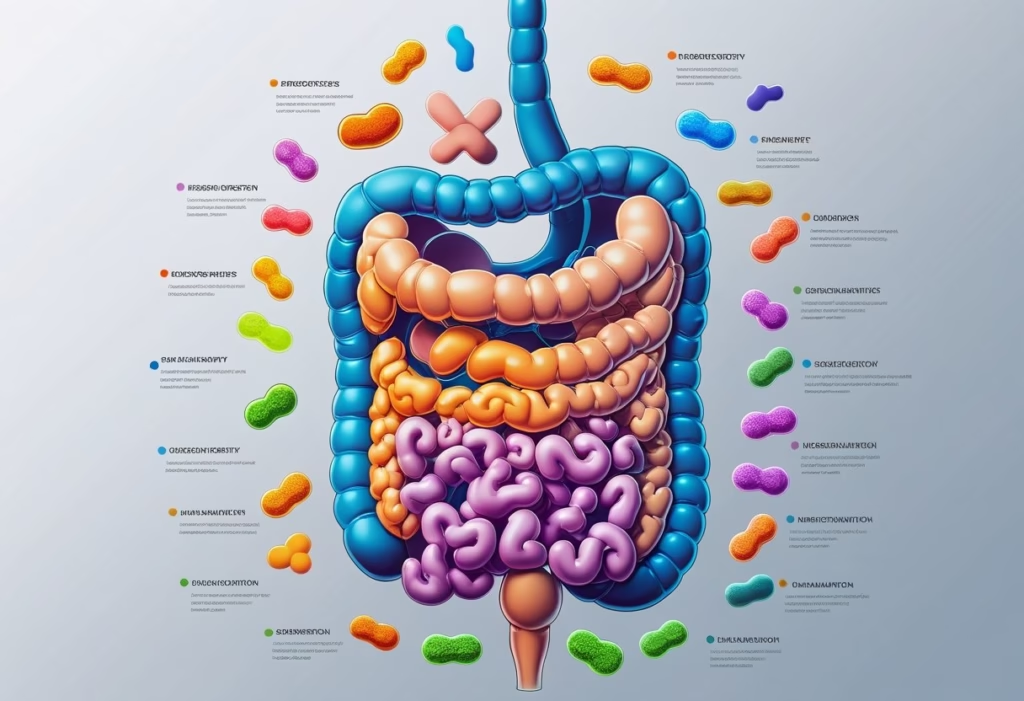
Different probiotic strains address different digestive concerns, which is why identifying the right strain matters more than simply taking any generic probiotic. Lactobacillus strains primarily support small intestine function and lactose digestion, Bifidobacterium species colonize the large intestine to break down fiber, and specialized probiotics like Saccharomyces boulardii target specific issues such as antibiotic-associated diarrhea.
Lactobacillus Strains for Gut Function
Lactobacillus species produce lactic acid that maintains optimal gut pH and prevents harmful bacteria from overgrowing. L. acidophilus helps digest lactose by producing the enzyme lactase, which explains why people with mild lactose intolerance often see improvement after regular supplementation. This strain also supports the intestinal lining by competing with pathogenic bacteria for attachment sites.
Lactobacillus rhamnosus GG stands out for preventing and shortening diarrhea episodes, particularly after antibiotic use. Studies show it reduces antibiotic-associated diarrhea risk by approximately 50% when taken alongside antibiotics. The strain also stimulates immune cell activity in the gut wall.
L. plantarum strengthens tight junctions between intestinal cells, which reduces intestinal permeability often called “leaky gut.” If you experience bloating after meals, this strain helps break down difficult-to-digest plant fibers. L. casei supports regular bowel movements and may reduce inflammation in people with irritable bowel syndrome.
A common mistake is expecting immediate results—Lactobacillus strains typically need 2-4 weeks to colonize the gut and produce noticeable benefits.
Bifidobacterium Strains and Digestive Support
Bifidobacterium species dominate the large intestine where they ferment dietary fiber into short-chain fatty acids that feed colon cells. Bifidobacterium longum reduces gas and bloating by improving how your gut processes complex carbohydrates. This strain also shows promise for stress-related digestive symptoms through gut-brain communication pathways.
B. lactis (also called Bifidobacterium lactis) improves stool consistency and frequency in people with constipation. Clinical trials demonstrate it reduces transit time through the colon by 12-24 hours on average. The strain also enhances immune function, particularly in older adults whose Bifidobacterium populations naturally decline with age.
Bifidobacterium bifidum breaks down complex sugars and supports the mucus layer protecting your intestinal walls. Bifidobacterium breve helps digest fats and plant-based fibers, making it useful for people transitioning to higher-fiber diets.
Bifidobacterium populations drop significantly during antibiotic treatment and may take months to recover without supplementation. Taking these strains during and after antibiotics helps restore normal fiber fermentation.
Saccharomyces Boulardii and Other Unique Probiotics
Saccharomyces boulardii is a beneficial yeast, not a bacteria, which means antibiotics don’t destroy it. This makes it uniquely effective when taken simultaneously with antibiotic therapy. It prevents Clostridioides difficile infections by binding to toxins these harmful bacteria produce and physically blocking their attachment to intestinal walls.
For traveler’s diarrhea, S. boulardii reduces both risk and duration when started several days before travel. The yeast survives stomach acid better than most bacterial probiotics and doesn’t permanently colonize the gut—it passes through while providing temporary protection.
Bacillus coagulans and Bacillus subtilis form protective spores that survive harsh conditions, reaching the intestines intact without refrigeration. These soil-based probiotics support people who don’t respond well to Lactobacillus or Bifidobacterium strains. They produce digestive enzymes and compete with gas-producing bacteria.
What rarely helps: Taking the wrong strain for your specific problem. If you have antibiotic-associated diarrhea, Lactobacillus acidophilus alone provides minimal benefit compared to S. boulardii or L. rhamnosus GG. See a doctor if diarrhea persists beyond 48 hours, you notice blood in stools, or experience severe abdominal pain—these symptoms require medical evaluation beyond probiotic supplementation.
Probiotic Foods: Natural Sources and Dietary Tips
Fermented dairy products like yogurt and kefir deliver billions of beneficial bacteria that can survive stomach acid and colonize your intestines. Fermented vegetables provide different bacterial strains along with fiber that feeds your existing gut microbes.
Yogurt and Kefir for Gut Health
Yogurt contains Lactobacillus bulgaricus and Streptococcus thermophilus, which produce lactic acid that lowers your intestinal pH. This acidic environment prevents harmful bacteria from multiplying while allowing beneficial strains to thrive. Look for containers labeled “live and active cultures” because some brands pasteurize after fermentation, which kills the bacteria you need.
Kefir provides up to 850 million colony-forming units (CFUs) per serving and contains more diverse bacterial strains than yogurt. The kefir grain used as a starter culture includes various yeasts and bacteria that work together to ferment lactose into lactic acid. This makes kefir easier to digest if you have mild lactose intolerance.
Common mistake: Choosing flavored varieties high in added sugar. Sugar feeds harmful bacteria in your gut, counteracting the probiotic benefits. Plain yogurt with fresh berries gives you probiotics plus prebiotic fiber without excess sugar.
Greek yogurt has higher protein but often lower probiotic counts than regular yogurt because straining removes some bacteria. Non-dairy kefir made from coconut or almond milk contains added probiotic cultures, though research focuses primarily on dairy versions.
Fermented Vegetables: Sauerkraut and Kimchi
Sauerkraut contains Lactobacillus plantarum, which produces compounds that reduce intestinal inflammation. The fermentation process breaks down cabbage fibers into shorter chains your intestines absorb more easily. This is why some people who struggle with raw cabbage tolerate sauerkraut without bloating.
You must buy refrigerated sauerkraut from the cold section, not shelf-stable jars. Canned or jarred varieties undergo heat treatment that destroys beneficial bacteria. The brine should contain only cabbage, water, and salt—vinegar indicates the product wasn’t traditionally fermented.
Kimchi provides similar bacteria plus capsaicin from chili peppers, which stimulates digestive enzymes. Studies show kimchi consumption correlates with reduced markers of metabolic syndrome and improved immune function. The garlic in kimchi acts as a prebiotic that feeds probiotic bacteria.
What makes symptoms worse: Starting with large portions. Your gut needs time to adapt to increased bacterial diversity. Begin with one tablespoon daily and increase gradually over two weeks to prevent gas and bloating.
Other Gut-Friendly Foods
Fermented options worth adding to your diet include:
- Miso: Contains bacteria and enzymes from a two-step fermentation process that may reduce inflammation
- Tempeh: Provides probiotics plus 15-20 grams of protein per serving from fermented soybeans
- Kombucha: Delivers bacteria and yeasts with antioxidant compounds, though sugar content varies by brand
Prebiotic foods that feed your probiotic bacteria:
| Food | Benefit |
|---|---|
| Apples | Pectin fiber feeds Bifidobacteria |
| Bananas | Resistant starch increases beneficial bacteria |
| Oats | Beta-glucan fiber reduces inflammation |
| Garlic | Inulin promotes Lactobacillus growth |
| Legumes | Oligosaccharides increase microbial diversity |
| Whole grains | Complex fibers feed multiple bacterial strains |
| Berries | Polyphenols support protective bacteria |
These foods work best when combined with probiotic sources because the bacteria need fuel to multiply and produce beneficial compounds.
When to see a doctor: If you experience severe cramping, diarrhea lasting more than three days, or blood in your stool after adding probiotic foods, stop consumption and consult your healthcare provider.
Choosing Foods with Live and Active Cultures
The phrase “live and active cultures” on labels means the product contains at least 100 million CFUs per gram at manufacture. Frozen yogurt only requires 10 million CFUs, which explains why it provides fewer benefits than refrigerated yogurt.
Check expiration dates carefully. Probiotic counts decrease over time, and bacteria die faster when products approach their expiration date. Buy the freshest containers and consume them within one week of opening for maximum bacterial viability.
Avoid products with these ingredients that reduce probiotic effectiveness:
- Emulsifiers (carrageenan, polysorbate 80): Damage the intestinal mucus layer where bacteria colonize
- Artificial sweeteners: Alter gut bacterial composition negatively
- High sodium levels: Over 500mg per serving can disrupt your microbial balance
Some cheeses like Gouda, cheddar, and Swiss contain probiotics if they’re aged but not heated after fermentation. You’ll need to ask the cheesemonger about production methods since labels rarely specify this information.
What usually helps: Eating probiotic foods with meals rather than on an empty stomach. Food buffers stomach acid, allowing more bacteria to reach your intestines alive. Combining probiotic and prebiotic foods at the same meal maximizes bacterial growth and activity in your gut.
Probiotic Supplements: What to Know Before Choosing
Not all probiotic supplements deliver what their labels promise, and choosing the wrong product can mean wasting money on bacteria that die before reaching your gut or strains that don’t address your specific needs. Understanding CFU counts, storage requirements, quality testing, and safe introduction can help you select a supplement that actually works.
CFU Count and Dosage
CFU stands for colony-forming units, which measures the number of viable bacteria cells capable of multiplying in your gut. Many people assume that higher CFU counts automatically mean better results, but this is one of the most common mistakes when choosing probiotics.
The effective dosage depends entirely on the specific strains in the product. Some strains show benefits at 1 billion CFU, while others require 10 billion or more. Research on Lactobacillus rhamnosus GG shows effectiveness at 10 billion CFU for certain digestive issues, while Bifidobacterium lactis HN019 demonstrates benefits at 1 billion CFU for transit time.
Look for products that use the same CFU dosage tested in clinical studies for the specific strains they contain. A supplement with 50 billion CFU of unstudied or poorly characterized strains offers no advantage over a well-researched product with 5 billion CFU. Some manufacturers now use AFU (active fluorescent units) instead of CFU, which counts viable cells more precisely using flow cytometry rather than traditional plating methods.
The CFU count listed on the label should be guaranteed through the expiration date, not just at the time of manufacture. Bacteria naturally die over time, and reputable brands account for this decline.
Shelf-Stability and Refrigeration
Probiotic bacteria are living organisms that die when exposed to heat, moisture, and oxygen. Whether a supplement needs refrigeration depends on the specific strains and the protective technology used during manufacturing.
Some strains like Lactobacillus rhamnosus and certain Bifidobacterium species naturally tolerate room temperature better than others. However, storage method matters more than strain type. Freeze-dried (lyophilized) probiotics in moisture-barrier packaging often remain shelf-stable at room temperature, while liquid formulations almost always require refrigeration.
Common storage mistakes that kill probiotics:
- Leaving bottles in hot cars or near windows
- Storing in humid bathrooms
- Keeping containers open for extended periods
- Using products past expiration dates
Check whether the product requires refrigeration before and after opening. Brands like Garden of Life specifically formulate shelf-stable options, but this doesn’t mean they’re immune to extreme temperatures. If a refrigerated probiotic sits at room temperature during shipping or on store shelves, the bacteria count can drop significantly before you even open the bottle.
When traveling, consider individually wrapped probiotic sachets or capsules in blister packs rather than bulk bottles, as these maintain viability better during temperature fluctuations.
Third-Party Testing and Quality
The dietary supplement industry has minimal FDA oversight, which means manufacturers can make claims without proving their products contain what the labels state. Third-party testing provides independent verification of contents, potency, and purity.
Key quality markers to look for:
- cGMP certification (current Good Manufacturing Practices)
- Third-party verification from organizations like NSF International, USP, or ConsumerLab
- Strain identification including genus, species, and strain designation (e.g., Lactobacillus plantarum LP1, not just “Lactobacillus”)
- Contaminant testing for heavy metals, allergens, and harmful bacteria
Third-party testing catches problems that manufacturer testing might miss or hide. Independent labs have found probiotic supplements with fewer viable bacteria than claimed, contamination with unlisted strains, and presence of allergens not mentioned on labels.
Reputable companies make their test results publicly available through their websites or upon request. If a brand refuses to share this information or only provides vague quality claims, that’s a warning sign.
Some manufacturers test for “viability” by checking if bacteria can survive simulated gastric acid, which indicates whether the product uses adequate protective coating or capsule technology. Without this protection, stomach acid kills most probiotic bacteria before they reach your intestines where they provide benefits.
How to Safely Start Probiotic Supplements
Starting probiotics often causes temporary digestive changes as new bacteria interact with your existing gut microbiome. These adjustment symptoms don’t mean the supplement is harmful, but knowing what to expect prevents unnecessary worry.
Begin with half the recommended dose for the first 3-5 days. This slower introduction gives your gut microbiome time to adjust and reduces the intensity of temporary side effects like gas, bloating, or changes in stool consistency. If you tolerate the half dose well, increase to the full amount.
Take probiotics at the same time daily to maintain consistent bacterial exposure in your gut. Most strains work best when taken with food because the meal buffers stomach acid, but check specific product instructions as some strains survive better on an empty stomach.
What usually helps during the adjustment period:
- Drinking extra water to support digestion
- Eating fiber-rich foods to feed beneficial bacteria
- Taking probiotics before bed if daytime gas feels uncomfortable
What rarely helps:
- Switching products every few days
- Taking probiotics sporadically rather than daily
- Combining multiple probiotic supplements without guidance
See a doctor before starting probiotics if you have a compromised immune system, are critically ill, have had recent surgery, or use a central venous catheter. While probiotics are safe for most people, those with severely weakened immunity face rare but serious risks of bacterial translocation into the bloodstream.
Mild gas and bloating that resolves within 1-2 weeks is normal. However, consult a healthcare provider if you experience severe abdominal pain, persistent diarrhea, bloody stools, fever, or symptoms that worsen rather than improve after two weeks.
Medical Disclaimer: This information is for educational purposes and does not replace medical advice. Consult a healthcare provider before starting any dietary supplement, especially if you have underlying health conditions or take medications.
Beyond Digestion: The Wider Health Effects of Probiotics
Probiotics influence multiple body systems through mechanisms that extend from immune modulation to neural signaling. Research shows connections between gut bacteria and mental health, metabolic function, and inflammatory responses throughout the body.
Immune Function and Inflammation
Your gut houses approximately 70% of your immune system, which explains why probiotics can affect immune responses beyond the digestive tract. Specific strains like Lactobacillus and Bifidobacterium enhance the intestinal barrier, preventing harmful bacteria from crossing into your bloodstream and triggering systemic inflammation.
These beneficial bacteria produce short-chain fatty acids during fermentation, which directly reduce inflammation by regulating immune cell activity. This mechanism matters particularly if you have inflammatory bowel disease, Crohn’s disease, or ulcerative colitis, where chronic inflammation damages intestinal tissue.
Probiotics work by competing with pathogens for adhesion sites on your intestinal wall and producing antimicrobial compounds called bacteriocins. They also stimulate production of specific antibodies and regulate immune cells that control inflammatory responses.
Common mistake: Taking any probiotic strain for inflammation without matching it to your condition. Lactobacillus GG reduces antibiotic-associated diarrhea, but different strains target different inflammatory pathways.
When to see a doctor: If you have unexplained inflammation, fever with digestive symptoms, or worsening IBD symptoms despite probiotic use, you need medical evaluation rather than self-treatment.
Gut-Brain Axis and Mental Health
The gut-brain axis functions as a bidirectional communication system where your gut bacteria produce neurotransmitters that affect brain function. Your intestinal bacteria manufacture approximately 90% of your body’s serotonin, which regulates mood, anxiety, and cognitive function.
Probiotics influence this axis by producing gamma-aminobutyric acid (GABA), which reduces anxiety, and by decreasing inflammatory cytokines that contribute to depression. Research indicates that certain Lactobacillus and Bifidobacterium strains reduce symptoms in people with diagnosed anxiety and depression.
This connection explains why digestive discomfort often accompanies mental health issues. If you have IBS, you’re more likely to experience anxiety because the same inflammatory signals that cause bloating and constipation also affect neural pathways.
What usually helps: Specific psychobiotic strains taken consistently for at least 8 weeks. Bifidobacterium longum and Lactobacillus helveticus show the strongest evidence for anxiety reduction.
What rarely helps: Switching strains frequently or expecting immediate mood changes. The gut-brain axis requires weeks to months to show measurable effects on mental health.
Metabolic and Weight Management Benefits
Probiotics affect weight management by altering how your body extracts and stores energy from food. Certain bacterial strains influence fat absorption, glucose metabolism, and insulin sensitivity through production of short-chain fatty acids and regulation of hormones that control appetite.
Your gut bacteria ratio matters for metabolic health. Higher levels of Firmicutes relative to Bacteroidetes correlate with increased calorie extraction and weight gain. Some probiotic strains help rebalance this ratio, though effects vary significantly between individuals.
These bacteria also reduce low-grade inflammation that interferes with insulin signaling, potentially improving blood glucose control. Studies show Lactobacillus gasseri specifically reduces abdominal fat and waist circumference when combined with calorie restriction.
Common mistake: Expecting probiotics alone to cause significant weight loss without dietary changes. They enhance metabolic function but don’t replace fundamental energy balance.
What makes symptoms worse: High-sugar diets that feed harmful bacteria, undermining any probiotic benefits. Processed foods reduce overall microbial diversity regardless of supplementation.
Medical disclaimer: This information is educational and not a substitute for professional medical advice. Consult your healthcare provider before using probiotics for immune conditions, mental health concerns, or metabolic disorders, especially if you’re immunocompromised or taking medications.
Supporting Your Gut: Prebiotics and Synbiotics
Prebiotics serve as fuel for beneficial bacteria in your digestive tract, while synbiotics combine prebiotics with probiotics to potentially enhance their effectiveness. Understanding how these components work together helps you make informed choices about supporting your digestive health through diet and supplementation.
What Are Prebiotics?
Prebiotics are non-digestible fermentable carbohydrates that feed the beneficial bacteria already living in your colon. Your body cannot break down these fibers during digestion, so they pass intact to your large intestine where gut bacteria ferment them.
This fermentation process produces short-chain fatty acids, which provide energy to your colon cells and may help reduce inflammation. Prebiotics can increase the number of beneficial bacterial strains like Lactobacillus and Bifidobacterium while potentially preventing harmful bacteria from taking hold.
The most common prebiotics include inulin and oligofructose. These compounds naturally occur in many plant foods, though manufacturers also extract them for use in supplements and processed foods.
Research suggests prebiotics may help relieve constipation, support immune function, and improve mineral absorption. However, introducing too much prebiotic fiber too quickly often causes bloating, gas, and abdominal discomfort because your gut bacteria produce gas during fermentation.
Best Sources of Prebiotic Fiber
Whole food sources provide prebiotics alongside other beneficial nutrients, making them preferable to isolated supplements or processed foods with added prebiotics.
Top prebiotic-rich foods include:
- Garlic and onions: Contain high amounts of inulin and fructooligosaccharides
- Bananas: Provide resistant starch, especially when slightly underripe
- Apples: Offer pectin fiber that feeds beneficial bacteria
- Oats: Supply beta-glucan fiber that supports gut health
- Legumes (beans, lentils, chickpeas): Rich in resistant starch and various prebiotic fibers
- Whole grains: Contain arabinoxylan and other fermentable fibers
- Berries: Provide polyphenols and fiber that nourish gut bacteria
You need roughly 5-20 grams of prebiotic fiber daily for digestive benefits. Start with smaller amounts and gradually increase intake to avoid gas and bloating. Drinking adequate water helps prebiotic fiber work effectively without causing discomfort.
A common mistake is relying on prebiotic sodas or supplements instead of whole foods. These products often contain minimal amounts that may not affect your gut microbiome, while whole foods provide diverse fibers that feed different bacterial strains.
Synergy of Prebiotics and Probiotics
Synbiotics are supplements or foods that combine specific probiotic strains with prebiotics designed to nourish them. The theory is that pairing the right prebiotic with compatible probiotics helps the beneficial bacteria survive and thrive in your digestive tract.
However, scientific evidence supporting synbiotic supplements remains limited. Most studies have been small, short-term, or funded by manufacturers, making it difficult to determine their true effectiveness compared to eating a fiber-rich diet.
You can create natural synbiotics by pairing probiotic foods with prebiotic foods. For example, eating yogurt with berries and oats or adding sauerkraut to a meal with whole grains and legumes provides both live bacteria and the fiber to feed them.
This food-based approach is safer and more cost-effective than supplements. A varied diet rich in different fiber sources naturally supports diverse gut bacteria, which research suggests is more beneficial than trying to target specific strains.
When to see a doctor: If you experience persistent digestive symptoms despite dietary changes, or if adding prebiotics causes severe or lasting discomfort, consult a gastroenterologist to rule out underlying conditions like SIBO or IBS.
Medical disclaimer: This information is for educational purposes and should not replace professional medical advice. Consult your healthcare provider before making significant dietary changes or starting supplements, especially if you have digestive disorders or compromised immunity.