
Flatulence is a natural bodily function, but for people with digestive disorders like IBS, Crohn’s disease, or food intolerances, excessive gas can create anxiety about odor in social and professional settings. Traditional solutions like dietary changes or over-the-counter medications help reduce gas production, but they don’t address the odor itself. This gap in symptom management led to the development of specialized clothing that uses activated carbon cloth to neutralize flatulence odors.
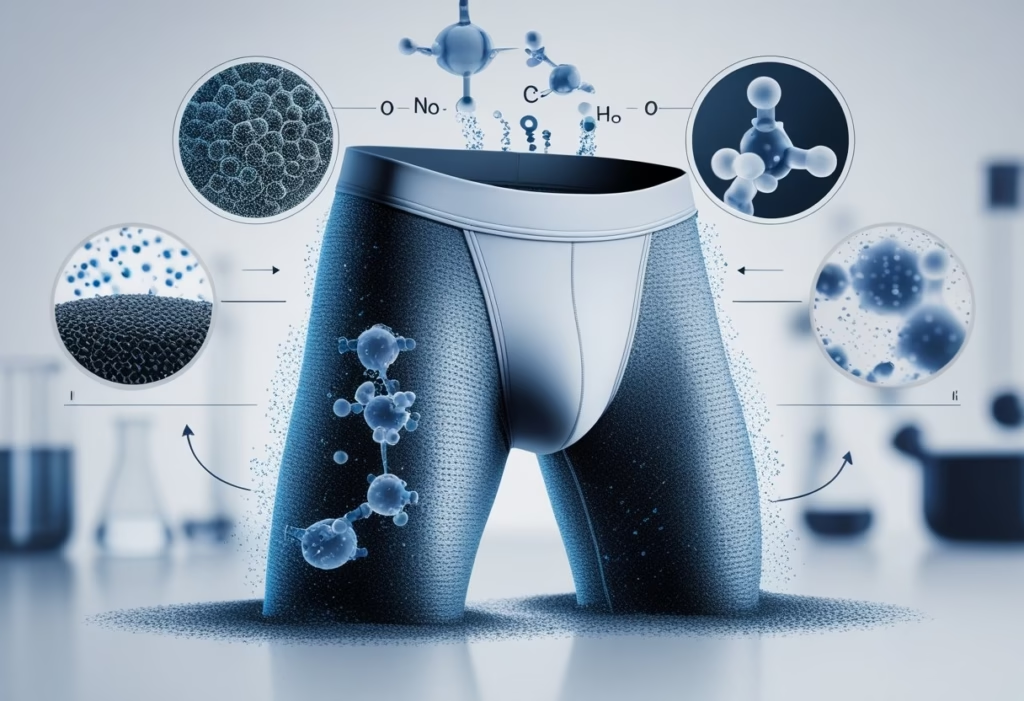
Activated carbon underwear works by trapping odor molecules in microscopic pores within the fabric, eliminating smells at the molecular level rather than simply masking them. The technology relies on activated carbon’s highly porous surface structure, which acts like a sponge for gas molecules. When flatulence passes through the carbon panel, the odor-causing compounds become trapped and neutralized, then the fabric reactivates when washed.
Understanding how this technology works matters because it addresses a real quality-of-life issue that affects millions of people. Beyond the science of carbon filtration, you’ll learn about production methods, practical applications, and why this innovation represents more than just odor control—it’s about restoring confidence for those managing chronic digestive symptoms.
Understanding Activated Carbon and Its Unique Properties
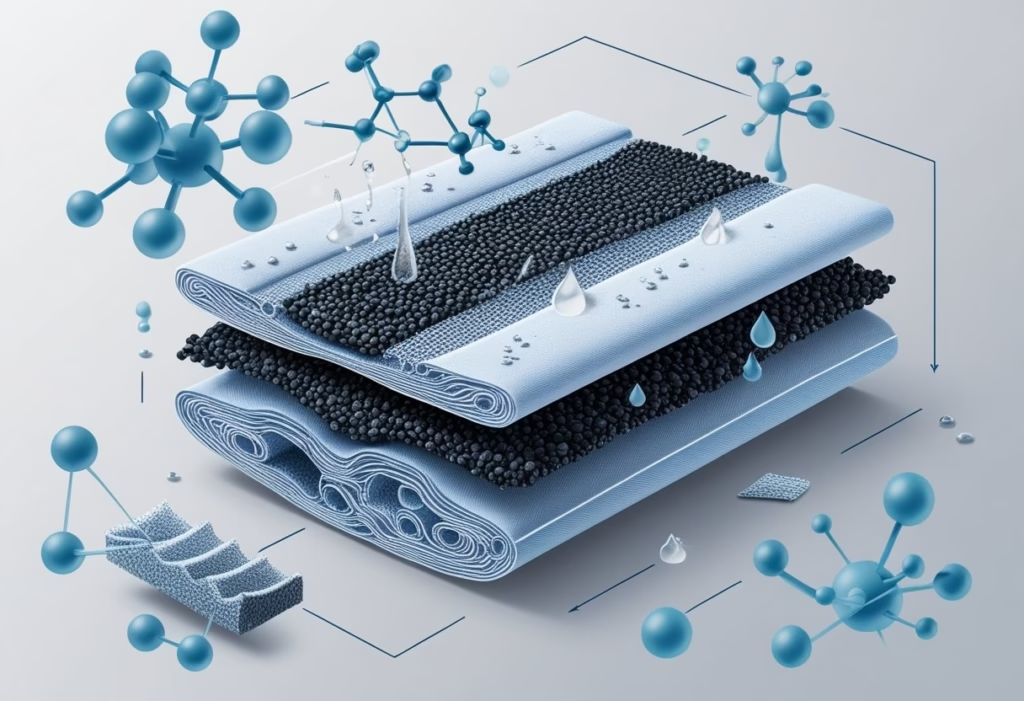
Activated carbon functions as a highly effective filter material due to its extensive porous network and massive surface area, which allow it to trap gases and odors through a process called adsorption. The material comes in different forms including granular, powdered, and cloth varieties, each offering distinct advantages for specific applications like odor control in underwear.
What Is Activated Carbon?
Activated carbon is a processed form of carbon designed to have small, low-volume pores that dramatically increase its surface area for adsorption or chemical reactions. You can think of it as a sponge-like material created from carbon-rich sources such as coconut shells, wood, coal, or agricultural residues.
The production process involves two key steps: carbonization and activation. During carbonization, the raw material undergoes thermal decomposition at temperatures between 400°C and 900°C in an oxygen-free environment, driving off volatile compounds and leaving behind a carbon-rich char.
The activation step then creates the porous structure through either physical or chemical methods. Physical activation exposes the char to oxidizing gases like steam or carbon dioxide at 800°C to 1100°C. Chemical activation uses agents such as potassium hydroxide or phosphoric acid at lower temperatures, typically 400°C to 600°C.
Porous Structure and Surface Area
The effectiveness of activated carbon stems from its hierarchical pore structure, which contains three distinct pore types. Micropores measure less than 2 nanometers in diameter and provide the majority of surface area for trapping small gas molecules. Mesopores range from 2 to 50 nanometers and allow larger molecules to access the microporous regions. Macropores exceed 50 nanometers and serve as transport channels that facilitate movement through the carbon matrix.
This porous architecture creates an enormous surface area that typically ranges from 500 to 3,000 square meters per gram. To put this in perspective, a single gram of activated carbon can have more surface area than a basketball court.
The microporosity determines adsorption capacity for gases and odors. Materials with predominantly microporous structures excel at capturing small volatile molecules, which is why they work effectively in odor-control applications. The pore size distribution can be tailored during manufacturing to optimize performance for specific applications.
Types of Activated Carbon: Granular, Powdered, and Cloth
Granular activated carbon (GAC) consists of irregular particles ranging from 0.2 to 5 millimeters in size. This form offers good mechanical strength and hardness, making it suitable for applications requiring durability and repeated use.
Powdered activated carbon features much smaller particles, typically less than 0.18 millimeters in diameter. While it provides rapid adsorption due to its high external surface area, it lacks the mechanical strength needed for textile applications.
Activated carbon fabric or activated carbon cloth represents a specialized form where carbon is integrated into textile fibers. This format combines the adsorptive properties of activated carbon with the flexibility and comfort of fabric. Activated carbon cloth maintains sufficient mechanical strength for wear while providing direct contact with odor-causing gases.
The cloth form is particularly relevant for underwear applications because it can be woven or knitted into garments without compromising comfort. It also allows for washability and reuse, though washing may gradually reduce adsorption capacity over time.
Adsorption Properties and Mechanisms
Adsorption differs fundamentally from absorption. When you absorb something, it penetrates throughout the material, like water soaking into a sponge. Adsorption occurs when molecules adhere to a surface without penetrating the bulk material.
Activated carbon works through physical adsorption, where gas molecules become trapped in pores through weak van der Waals forces. The adsorbate molecules (the substances being captured) bind to the carbon surface when they enter the pore network. This process requires no chemical reaction and is generally reversible.
The adsorption capacity depends on several factors. Temperature affects how strongly molecules bind to the surface, with lower temperatures generally improving adsorption. The size and shape of the adsorbate molecule must match the pore dimensions for effective trapping. Humidity can compete with odor molecules for adsorption sites, which is why activated carbon performance may decrease in very moist environments.
Surface chemistry also influences adsorption properties. Functional groups such as hydroxyl, carboxyl, and carbonyl groups on the carbon surface can enhance selectivity for specific molecules. For odor control in underwear, this means the material can preferentially capture sulfur-containing compounds and other malodorous gases while allowing water vapor to pass through.
The Science of Odor Control in Activated Carbon Underwear
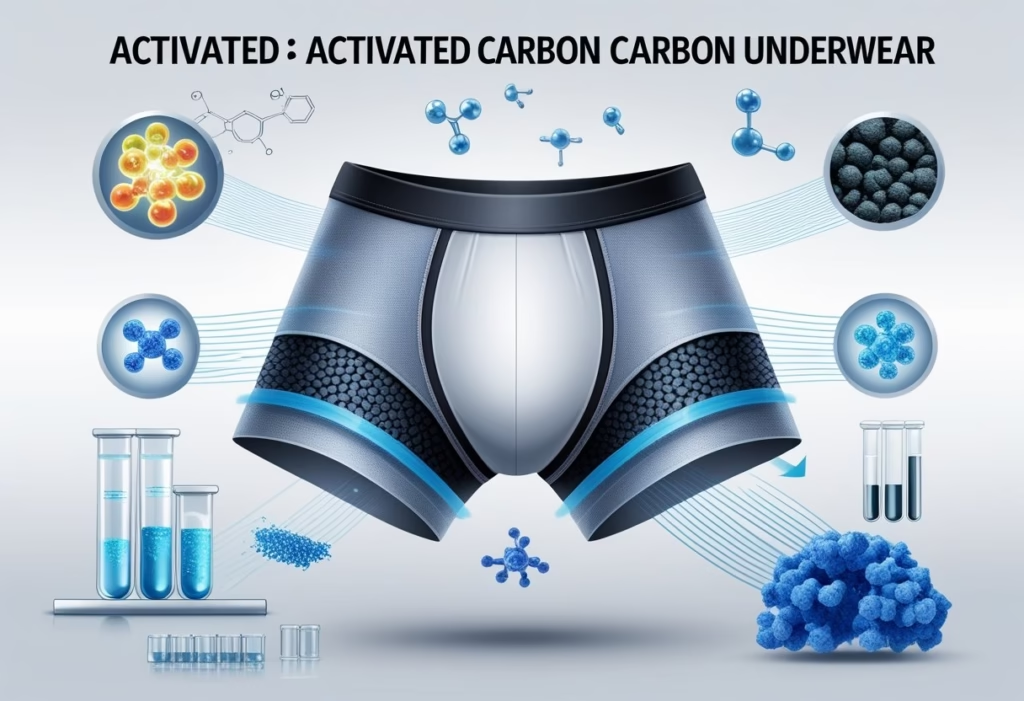
Activated carbon cloth eliminates flatulence odors through a process called adsorption, where gas molecules become trapped in microscopic pores within the carbon structure. The effectiveness depends on the material’s porosity and the strategic placement of carbon panels within the garment.
How Activated Carbon Neutralizes Odors
When you experience flatulence, the gases released contain volatile organic compounds that create unpleasant odors. Activated carbon cloth absorbs and removes flatulence odors by trapping these molecules within its structure rather than simply masking them.
The carbon material undergoes a special activation process that creates millions of tiny pores throughout its surface. These pores range from 0.3 to several nanometers in size, giving the material an enormous surface area relative to its weight. A single gram of activated carbon can have a surface area exceeding 500 square meters.
This massive surface area allows the carbon to capture odor-causing compounds efficiently. Unlike traditional fabrics that allow smells to pass through, activated carbon physically holds onto sulfur-containing compounds like hydrogen sulfide and methyl mercaptan—the primary culprits behind flatulence odor.
The Role of Adsorption in Odor Elimination
Adsorption differs fundamentally from absorption. When odor molecules contact the activated carbon surface, they adhere to the carbon through weak intermolecular forces called van der Waals forces. The molecules (called adsorbate) remain trapped on the carbon surface until the garment is washed and the carbon is reactivated.
The carbon’s highly porous nature allows foul-smelling gases to become trapped and neutralized as they pass through the fabric. This process happens at the molecular level, making it invisible and instantaneous.
The adsorption properties remain effective because the carbon doesn’t become saturated during normal daily wear. Each washing cycle removes the trapped molecules and reopens the pores, restoring full functionality. This makes specialized underwear reusable and cost-effective compared to disposable options.
Strategic Placement and Function of Carbon Panels
The positioning of activated carbon cloth determines how well the garment performs. Manufacturers place the carbon layer in the back panel of underwear where it intercepts gases as they exit your body.
Key design elements include:
- Multi-layer construction – The carbon sits between comfortable inner and outer fabrics
- Back panel coverage – Carbon extends across the entire posterior section for maximum gas contact
- Breathable integration – The material remains thin enough for all-day comfort while maintaining effectiveness
The carbon panel must contact all expelled gas to work properly. Poor placement or gaps in coverage allow odors to escape around the edges. Quality garments use sufficient carbon material—typically between 100-200 grams per garment—to ensure complete odor capture without adding bulk or stiffness to the underwear.
How Activated Carbon Underwear Works
These specialized garments rely on strategically placed carbon panels that trap odor molecules as gas passes through the fabric. The technology eliminates smells at the molecular level rather than masking them with fragrances.
Key Design Features and Materials
The core component is activated carbon cloth, a lightweight and highly porous material that differs significantly from powdered activated carbon or granular activated carbon used in other filtration applications. The cloth form offers superior mechanical strength and flexibility, making it suitable for wearable garments.
Manufacturers position the carbon layer in a panel that covers the area where flatulence exits your body. This activated carbon fabric contains microscopic pores that create an enormous surface area for trapping gas molecules. The fabric remains thin and breathable, so you won’t notice bulk or discomfort during wear.
The surrounding garment typically uses soft, moisture-wicking materials that keep you comfortable throughout the day. Some brands incorporate bamboo-derived viscose or similar natural fibers that complement the carbon’s odor-fighting properties without compromising the overall effectiveness.
Step-by-Step Process: From Emission to Odor-Free Air
When you pass gas, the odor molecules travel through your clothing. As these molecules encounter the activated carbon cloth panel, they enter the microscopic pores within the carbon structure.
The carbon doesn’t just block odors temporarily. It adsorbs the smell-causing compounds, meaning the molecules chemically bond to the carbon’s surface and become trapped. This process happens instantly as the gas passes through the fabric layers.
The highly porous nature of the carbon allows it to capture and neutralize sulfur-containing compounds and other volatile organic compounds that create unpleasant flatulence odors. Unlike air fresheners that add competing scents, the carbon eliminates the odor molecules entirely.
When you wash the garment, heat reactivates the carbon by releasing the trapped molecules, restoring the fabric’s full odor-absorbing capacity for continued use.
Advantages Over Traditional Odor Control Methods
Traditional approaches like dietary changes or over-the-counter products address gas production but don’t eliminate odors after they occur. You might reduce flatulence frequency, but breakthrough episodes still cause embarrassment.
What usually helps:
- Immediate odor neutralization without chemicals or fragrances
- Reusable protection that lasts through multiple washes
- Discreet design that looks identical to regular underwear
What rarely helps:
- Relying solely on avoiding trigger foods (not always practical)
- Using scented products that mix with rather than eliminate odors
These odor-absorbing garments provide continuous protection throughout your day without requiring you to remember pills or restrict your diet. The carbon works passively, requiring no action from you beyond normal washing.
If you experience sudden changes in flatulence patterns, persistent abdominal pain, or blood in your stool, consult a gastroenterologist regardless of odor control methods. These garments manage symptoms but don’t treat underlying digestive conditions.
Production and Technological Innovations in Activated Carbon Underwear
Manufacturing activated carbon underwear involves specialized processes that transform raw carbon materials into highly porous fabrics capable of trapping odor molecules. Recent technological advances have improved both the effectiveness of odor filtration and the sustainability of production methods.
Activation Process: Pyrolysis and Chemical Activation
The activation process creates the microscopic pore structure that gives activated carbon its odor-absorbing properties. Two primary methods produce this material: pyrolysis and chemical activation.
Pyrolysis involves heating carbon-rich materials to temperatures between 600-900°C in an oxygen-free environment. This carbonization process burns away volatile compounds and creates an initial pore structure. The material then undergoes a second heating phase with steam or carbon dioxide to expand these pores further.
Chemical activation uses substances like phosphoric acid or potassium hydroxide to activate the carbon at lower temperatures (400-600°C). This method typically produces activated carbon with larger surface areas and more uniform pore sizes. Nano-grade carbonized natural plant powder is applied through special engineering processes that permanently infuse the activated carbon with fabric fibers.
The choice between these methods affects the final product’s performance. Chemical activation often creates more consistent results for textile applications, while pyrolysis offers environmental advantages by requiring fewer chemical additives.
Raw Materials and Sustainability
Coconut shells have emerged as a preferred raw material for activated carbon in underwear production. Activated carbon coconut filter fabric attracts and holds contaminants through its vast network of tiny pores created during processing.
Other sustainable sources include:
- Bamboo fibers
- Wood chips from managed forests
- Agricultural waste products
- Coal-based materials (less environmentally preferred)
Coconut-derived activated carbon offers several advantages. It produces harder, more durable particles with consistent pore structures. The raw material is renewable and would otherwise be discarded as waste from coconut processing industries.
However, you should know that not all activated carbon underwear uses sustainable materials. Some manufacturers still rely on coal-based carbon, which has a larger environmental footprint. When selecting products, look for brands that disclose their carbon sources and processing methods.
Advances in Activated Carbon Fabrics
Modern fabric technologies have transformed how activated carbon integrates into wearable textiles. Specialized garments with activated carbon cloth neutralize odors discreetly while maintaining comfort and flexibility.
Integration methods include:
- Activated carbon cloth panels: Strategically placed layers that target specific odor sources
- Carbon-infused fibers: Permanent integration of nano-grade carbon particles into synthetic fibers
- Laminated constructions: Multiple fabric layers that sandwich activated carbon between breathable materials
CARBONDRY technology infuses activated carbon on polyester fiber to provide cotton-like hand feel, odor release, moisture management, and UV protection. This approach maintains the strength advantages of polyester while adding functional benefits.
The activated carbon remains effective through multiple wash cycles. The carbon’s highly porous nature traps foul-smelling gases and becomes reactivated when washed, though effectiveness gradually decreases over extended use. Most products maintain odor-filtering capabilities for 6-12 months with proper care.
Applications and Benefits Beyond Odor Control
Activated carbon underwear serves specific medical needs and daily situations while offering practical advantages in durability and maintenance compared to alternative odor management methods.
Users and Everyday Uses
People with digestive conditions like Crohn’s disease, irritable bowel syndrome, and colitis benefit significantly from activated carbon garments because these conditions cause frequent flatulence that can lead to social anxiety. Shreddies products help reduce embarrassment associated with these medical issues by neutralizing odors before they become noticeable.
You might also find this technology useful in professional settings where close proximity to colleagues makes odor control essential. Long meetings, shared workspaces, and travel situations create scenarios where traditional solutions like excuse yourself from the room aren’t practical.
The same activated carbon cloth used in military protective clothing provides additional benefits beyond odor absorption. The material is flame retardant, sweat resistant, lightweight, and breathable, making it suitable for extended wear during physical activity or warm weather.
Comparison with Other Odor Control Solutions
Dietary modifications and over-the-counter products address the source of flatulence but don’t eliminate odors once gas forms. You’ll find these approaches require ongoing trial and error to identify trigger foods, and results vary significantly between individuals.
Activated carbon underwear works differently because it targets the odor itself rather than digestive processes. The carbon’s highly porous structure traps odor molecules as they pass through the fabric, similar to how activated carbon functions in water purification and air filtration systems.
Unlike scented sprays or air fresheners that mask smells temporarily, carbon cloth absorbs and neutralizes the sulfur compounds responsible for flatulence odor. This makes it more effective than covering up the problem.
Key Differences:
| Solution Type | How It Works | Effectiveness Duration |
|---|---|---|
| Dietary changes | Reduces gas production | Varies by individual |
| Digestive enzymes | Breaks down food compounds | 2-4 hours per dose |
| Carbon underwear | Traps odor molecules | All-day protection |
Durability, Maintenance, and Reusability
The carbon cloth reactivates during washing, which means you can reuse these garments repeatedly without losing effectiveness. This differs from single-use activated carbon products in water filter cartridges or disposable air filtration masks that require regular replacement.
You should wash carbon underwear in regular laundry cycles using standard detergent. The washing process removes trapped odor molecules and restores the carbon’s absorptive capacity, similar to how drinking water treatment systems regenerate activated carbon through backwashing.
The fabric maintains its mechanical strength through multiple wash cycles because the carbon fibers are woven into the textile structure rather than applied as a coating. Most manufacturers report their products remain effective for the typical lifespan of regular underwear when properly cared for.
Avoid using fabric softeners or bleach, as these products can coat the carbon fibers and reduce their porosity. Air drying or low-heat tumble drying preserves the material’s odor-absorbing properties longer than high heat exposure.
Why Activated Carbon Underwear Matters: Confidence, Comfort, and Impact
Activated carbon technology addresses real challenges for people managing digestive symptoms, offering practical relief that extends beyond physical comfort to psychological wellbeing and environmental considerations.
Improving Quality of Life for Digestive Health Conditions
Living with conditions like IBS, Crohn’s disease, or colitis means dealing with unpredictable flatulence that can create constant anxiety about social situations. Specialized garments with activated carbon panels trap odor molecules before they escape, which eliminates the primary source of embarrassment rather than masking it.
The psychological impact matters more than you might expect. When you’re worried about unexpected gas at work meetings or social gatherings, you may start avoiding these situations entirely. This avoidance can lead to isolation and reduced quality of life. Carbon underwear removes this barrier by providing reliable protection.
Common mistakes people make:
- Avoiding social situations instead of seeking practical solutions
- Relying solely on dietary restrictions that don’t address all symptoms
- Using fragrances that draw attention rather than eliminate odors
The technology works immediately without requiring pills or dietary changes. You wear the underwear like regular clothing, and the activated carbon fibers absorb flatulence odors automatically throughout the day. This matters most during symptom flares when you have less control over gas frequency.
When to see a doctor: If flatulence comes with severe abdominal pain, blood in stool, unexplained weight loss, or sudden changes in bowel habits, these warrant medical evaluation beyond symptom management.
Environmental and Health Implications
Unlike disposable products that create ongoing waste, activated carbon underwear offers a reusable solution you can wash and wear repeatedly. The carbon maintains its effectiveness through multiple wash cycles, typically lasting months or years with proper care.
Sustainability advantages:
- Reusable design reduces single-use product waste
- Durable construction means fewer replacements over time
- No chemical additives that could irritate sensitive skin
You should wash these garments in cold water and air dry them to preserve the carbon’s porous structure. Hot water and high heat can damage the activated carbon fibers, reducing their odor-absorbing capacity. Most people find that gentle washing maintains effectiveness for extended periods.
The health implications focus on comfort rather than treatment. These garments don’t cure digestive disorders or reduce gas production. They address the social and emotional consequences of flatulence, which is why they work best as part of a broader management strategy that includes appropriate medical care and dietary adjustments when needed.
What usually helps vs. what rarely helps:
- Usually helps: Combining carbon underwear with medical treatment for underlying conditions
- Rarely helps: Using carbon underwear alone while ignoring dietary triggers or skipping prescribed medications
The Future of Activated Carbon in Wearable Technologies
Current applications focus primarily on underwear, but the same principle could extend to other garments. Researchers are exploring how activated carbon cloth technology might integrate into pajamas, athletic wear, or medical garments for ostomy patients.
The technology advancement centers on making carbon fibers thinner and more breathable while maintaining absorption capacity. Earlier versions used thicker carbon panels that felt bulky, but newer designs incorporate the carbon directly into lightweight fabrics that feel like regular clothing.
Potential developments include:
- Multi-layered carbon fabrics with enhanced absorption
- Washability improvements that extend product lifespan
- Integration with moisture-wicking and antimicrobial properties
You’ll likely see more diverse product options as manufacturing techniques improve and costs decrease. The market currently serves people with diagnosed digestive conditions, but broader availability could benefit anyone seeking additional confidence in social situations.
Medical disclaimer: This information is for educational purposes and does not replace professional medical advice. Consult your healthcare provider for diagnosis and treatment of digestive disorders.