
Digestive odors can be an embarrassing concern that affects your confidence in social situations. While many factors contribute to gas and its smell, the foods you eat play a significant role in how your digestive system produces and releases gas. A low-FODMAP diet may help reduce digestive odors by limiting poorly absorbed carbohydrates that undergo bacterial fermentation in your gut, which is a primary source of gas production and odor.
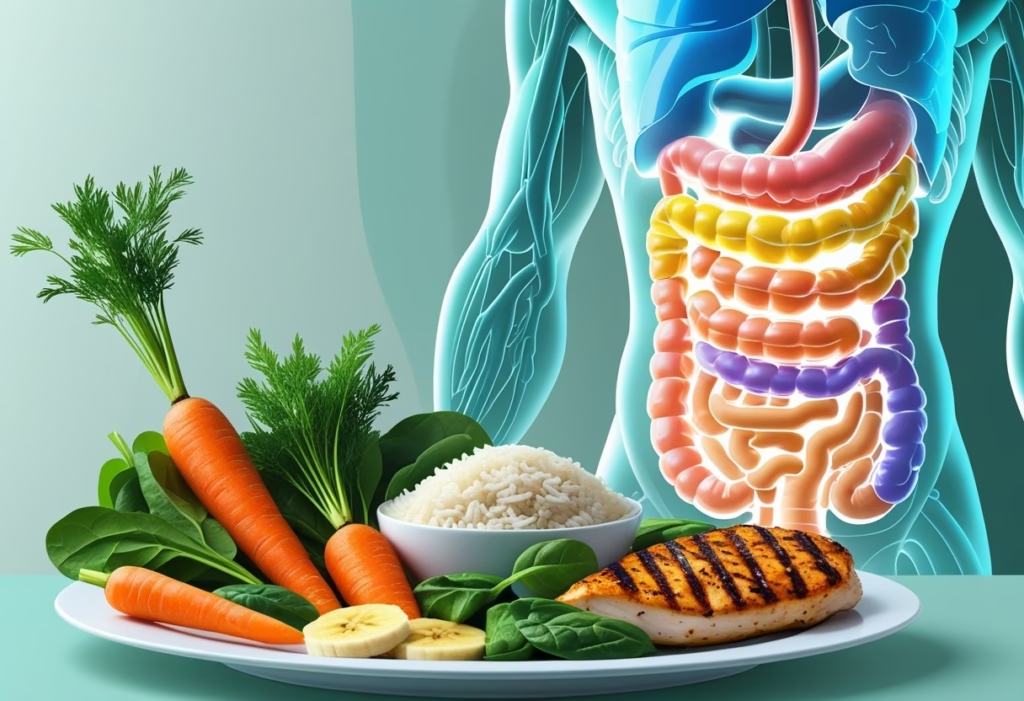
The connection between diet and digestive odors isn’t always straightforward. Certain carbohydrates travel through your small intestine without being fully broken down, reaching your colon where bacteria ferment them and produce gases with distinct smells. Understanding which foods trigger this fermentation process can help you make targeted dietary changes rather than eliminating foods unnecessarily.
The low-FODMAP diet was originally developed to manage irritable bowel syndrome symptoms, but it addresses the same fermentation process that contributes to gas odor. This article explains how FODMAPs affect your digestive system, which specific foods to consider adjusting, and how to structure an elimination approach to identify your personal triggers. This information is for educational purposes and should not replace medical advice from your healthcare provider.
Understanding Digestive Odors and Their Causes
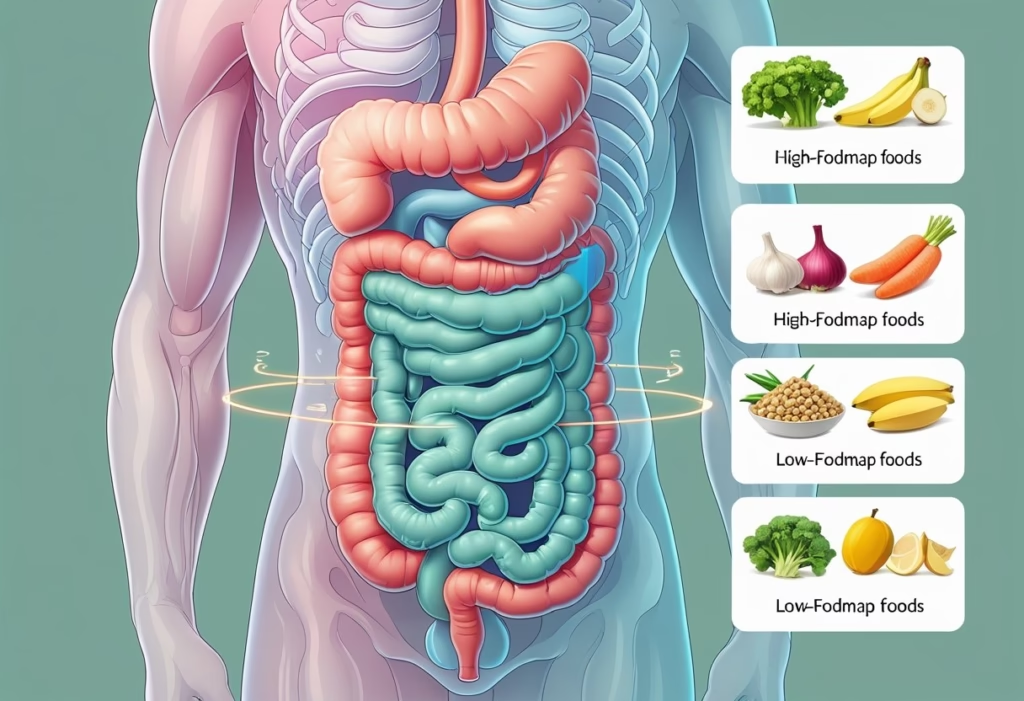
Digestive odors stem from bacterial fermentation in your gut, which produces sulfur compounds and other gases that create unpleasant smells. The type and amount of bacteria present, combined with what you eat and how well you digest it, directly determines odor intensity.
Role of Gut Bacteria in Odor Formation
Your gut contains trillions of bacteria that break down undigested food in your colon. When these bacteria ferment certain foods, they produce hydrogen sulfide, methanethiol, and dimethyl sulfide—the same sulfur-containing compounds that create that characteristic rotten egg smell.
Beneficial bacteria like Lactobacillus and Bifidobacterium typically produce less odorous byproducts. Problematic bacteria such as Desulfovibrio species specialize in breaking down sulfur-containing amino acids, creating particularly pungent gases.
When you have small intestinal bacterial overgrowth, bacteria colonize areas of your digestive tract where they shouldn’t be. This causes fermentation to happen earlier in digestion, leading to excessive gas production and stronger odors. People with SIBO often notice their symptoms worsen after eating high-FODMAP foods because these carbohydrates feed the overgrown bacteria.
Common mistake: Taking probiotics without identifying which bacterial strains you need can worsen odor issues. Some strains produce more gas than others.
How Digestive Symptoms Relate to Odors
Bloating, abdominal pain, diarrhea, and constipation don’t just cause discomfort—they directly influence odor production. When you experience bloating, gas is trapped in your intestines, giving bacteria more time to produce odorous compounds.
Diarrhea often signals that food is moving through your system too quickly for proper digestion. This leaves more undigested material for bacteria to ferment. Constipation creates the opposite problem—waste sits in your colon longer, allowing extended fermentation time and more concentrated odors.
What makes symptoms worse: Eating large meals, consuming gas-producing foods like beans and cruciferous vegetables, and drinking carbonated beverages all increase both digestive distress and odor intensity.
When to see a doctor: If you experience persistent abdominal pain with blood in stool, unexplained weight loss, or severe digestive symptoms lasting more than two weeks, consult a gastroenterologist. These could indicate conditions requiring medical treatment beyond dietary changes.
Gas Production and Fermentation in the Gut
Fermentation occurs when gut bacteria break down carbohydrates you can’t fully digest. FODMAPs are poorly absorbed in the small intestine, so they travel to your large intestine where bacteria ferment them rapidly.
This fermentation produces three main gases: hydrogen, methane, and carbon dioxide. While these gases are odorless, the fermentation process also creates trace amounts of sulfur-containing gases that cause offensive smells. The more fermentation happening, the more odorous compounds get produced.
What usually helps: Eating smaller, more frequent meals reduces the fermentation load. Chewing food thoroughly improves initial digestion, leaving less material for bacterial fermentation.
What rarely helps: Over-the-counter gas medications containing simethicone only break up gas bubbles—they don’t reduce gas production or address underlying fermentation issues.
Medical disclaimer: This information is for educational purposes and doesn’t replace professional medical advice. Consult your healthcare provider before making significant dietary changes or if you have persistent digestive symptoms.
What Are FODMAPs and the Low-FODMAP Diet?
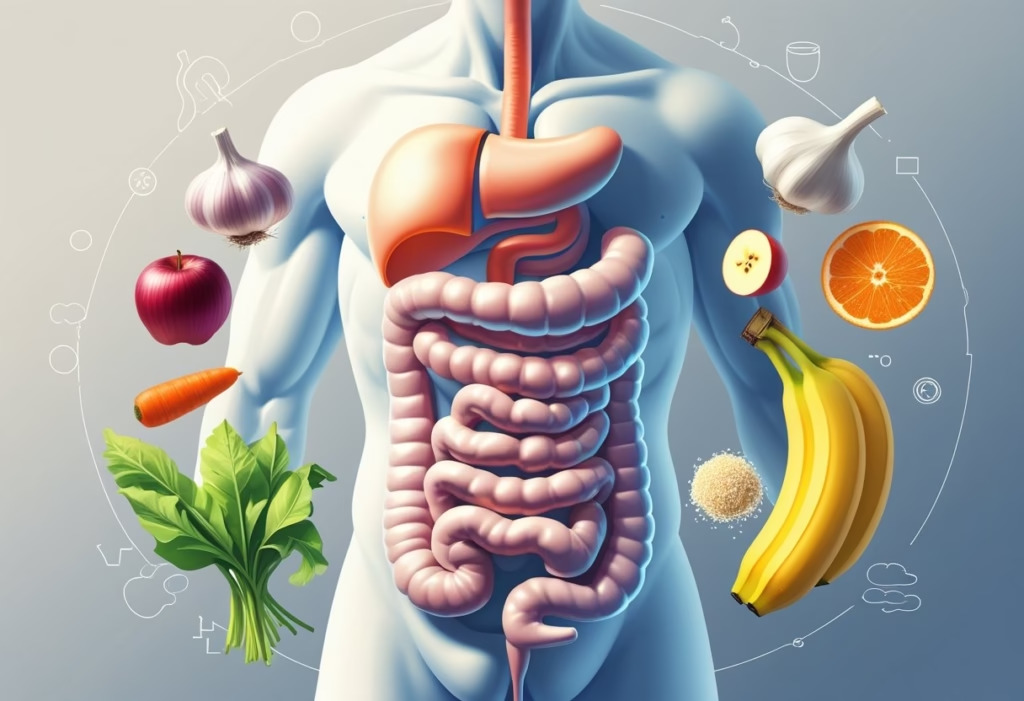
FODMAPs are specific types of carbohydrates that your small intestine struggles to absorb, leading to fermentation by gut bacteria and potential digestive symptoms. The low-FODMAP diet systematically eliminates these carbohydrates temporarily to identify which ones trigger your specific symptoms.
Definition and Types of FODMAPs
FODMAP stands for Fermentable Oligosaccharides, Disaccharides, Monosaccharides And Polyols. These are short-chain carbohydrates that remain poorly absorbed in your small intestine.
The five main types include:
- Oligosaccharides: Fructans and galactans found in wheat, rye, onions, garlic, and legumes
- Disaccharides: Lactose in dairy products from cows, goats, and sheep
- Monosaccharides: Excess fructose in certain fruits, honey, and high-fructose corn syrup
- Polyols: Sugar alcohols like sorbitol and mannitol in stone fruits and artificial sweeteners
When these fermentable carbohydrates reach your colon undigested, bacteria ferment them rapidly. This fermentation produces gas and draws extra fluid into your intestines, which explains why symptoms often include both bloating and changes in bowel movements. The gas produced during fermentation can contribute to digestive odors you may experience.
High-FODMAP vs. Low-FODMAP Foods
High-FODMAP foods that trigger symptoms include apples, pears, watermelon, milk, yogurt, ice cream, wheat bread, pasta, onions, garlic, beans, lentils, and stone fruits like peaches and plums. These foods draw more fluid into your intestines and create significantly more gas during digestion.
Low-FODMAP alternatives you can enjoy include:
| Food Category | Safe Options |
|---|---|
| Dairy | Lactose-free milk, hard cheeses, almond milk |
| Fruits | Bananas, blueberries, oranges, strawberries, kiwi |
| Vegetables | Carrots, cucumbers, lettuce, potatoes, bell peppers, zucchini |
| Proteins | Beef, chicken, fish, eggs, firm tofu |
| Grains | Rice, quinoa, oats, gluten-free pasta |
One common mistake is assuming all vegetables are equally tolerable. Broccoli, cauliflower, and asparagus contain high levels of fructans, while carrots and green beans are safe choices. Portion sizes matter significantly—even low-FODMAP foods can trigger symptoms when eaten in large amounts.
FODMAPs and Digestive Health
FODMAPs affect your digestive system because they create osmotic pressure that pulls water into your intestines while simultaneously producing excess gas through bacterial fermentation. This combination slows digestion and can result in cramping, bloating, diarrhea, or constipation.
Research from Monash University shows that 75% of IBS patients experience symptom relief within the first week of following a low-FODMAP diet. The rapid fermentation of these carbohydrates produces hydrogen, methane, and other gases that contribute to both physical discomfort and digestive odors.
Your gut bacteria don’t distinguish between “good” and “bad” carbohydrates—they simply ferment what reaches them undigested. People with food intolerance or IBS often have increased gut sensitivity, meaning normal amounts of gas and fluid cause more noticeable symptoms. What makes symptoms worse is eating multiple high-FODMAP foods in one meal, a phenomenon called FODMAP stacking.
The diet works through a three-phase approach: elimination of all FODMAPs for 2-6 weeks, systematic reintroduction of specific FODMAP groups, and personalization based on your individual triggers. You should see a gastroenterologist if symptoms persist despite dietary changes, or if you experience blood in stool, unexplained weight loss, or severe pain.
Low-FODMAP Diet and Its Effect on Digestive Odors
FODMAPs produce gas through bacterial fermentation in the intestine, and this fermentation process directly influences the odor of flatulence and bowel movements. Research indicates that reducing FODMAP intake can decrease both the volume of gas produced and the intensity of digestive odors in many individuals.
Connection Between FODMAPs and Odor Production
When you consume high-FODMAP foods, these short-chain carbohydrates pass through your small intestine undigested. Your gut bacteria in the colon ferment these carbohydrates, producing hydrogen, methane, and carbon dioxide gases. The specific types of bacteria that feed on FODMAPs also produce sulfur compounds like hydrogen sulfide, which creates the characteristic “rotten egg” smell.
FODMAPs that commonly contribute to odor include:
- Fructans (onions, garlic, wheat)
- Galacto-oligosaccharides (beans, lentils)
- Lactose (milk, soft cheeses)
- Polyols (sugar alcohols, certain fruits)
The fermentation intensity varies based on which FODMAPs you eat. Oligosaccharides tend to produce more gas volume, while sulfur-containing foods combined with FODMAPs create stronger odors. Your individual gut bacteria composition determines how much odor-causing gas you produce from specific FODMAPs.
Medical Disclaimer: This information is for educational purposes only and does not constitute medical advice. Consult a healthcare provider or registered dietitian before starting any elimination diet, especially if you have IBS symptoms or other digestive concerns.
Studies Linking the Diet to Odor Reduction
A systematic review found that the low-FODMAP diet reduces gastrointestinal symptoms including bloating and gas in IBS patients, with moderate-to-large reductions in symptom severity. While most research focuses on bloating and abdominal pain rather than odor specifically, reduced gas production inherently means less odor-causing compounds.
The three-phase approach matters for odor management. During the elimination phase (typically 2-6 weeks), you remove all high-FODMAP foods. Many people notice odor reduction within the first two weeks as bacterial fermentation decreases.
The reintroduction phase reveals which specific FODMAPs trigger your symptoms. You might discover that onions cause strong-smelling gas but lactose doesn’t affect you at all. The personalization phase allows you to avoid only your trigger foods while enjoying FODMAPs that don’t cause problems.
Common mistake: Staying on strict elimination indefinitely. This approach unnecessarily restricts your diet and may negatively affect gut bacteria diversity over time. The goal is identifying your specific triggers, not eliminating all FODMAPs permanently.
Individual Variation in Odor Response
Your response to the low-FODMAP diet depends on your unique gut microbiome composition. Some people experience dramatic odor reduction within days, while others notice minimal changes even with strict adherence.
Factors affecting your odor response:
| Factor | Impact on Results |
|---|---|
| Baseline gut bacteria | Different bacterial strains produce varying amounts of sulfur compounds |
| IBS subtype | IBS-D typically shows more improvement than IBS-C |
| Diet adherence | Partial restriction rarely provides clear results |
| Protein intake | High protein intake can mask FODMAP-related odor improvements |
What usually helps: Working with a registered dietitian during the reintroduction phase helps identify your specific triggers accurately. Keeping a detailed symptom diary including odor intensity alongside digestive symptoms reveals patterns that aren’t immediately obvious.
What rarely helps: Eliminating FODMAPs without proper reintroduction. You need systematic testing to understand which FODMAPs affect you.
When to see a doctor: If you experience severe or worsening digestive symptoms, blood in stools, unintended weight loss, or if odor concerns persist despite dietary changes lasting more than 8 weeks. These symptoms may indicate conditions beyond IBS that require medical evaluation.
How the Low-FODMAP Diet Is Structured
The low FODMAP diet follows a systematic three-phase approach that temporarily removes fermentable carbohydrates, then strategically reintroduces them to identify your specific triggers. Each phase serves a distinct purpose in helping you understand which foods affect your digestive symptoms.
Elimination Phase: Removing Problem Foods
During this initial phase, you’ll strictly avoid all high FODMAP foods for 3 to 8 weeks. The elimination phase gives your digestive system a rest by removing irritants that cause fermentation and gas production in your gut.
You’ll replace high FODMAP foods with low-FODMAP foods like rice, potatoes, carrots, chicken, and lactose-free dairy. Common mistakes include accidentally consuming hidden FODMAPs in sauces, seasonings, or processed foods. You need to read labels carefully since ingredients like onion powder, garlic, and high-fructose corn syrup contain FODMAPs.
The goal is to become essentially symptom-free before moving forward. If you don’t see improvement after 6 to 8 weeks, the issue may not be FODMAP-related, and you should consult a gastroenterologist. Staying in this elimination diet phase longer than necessary can lead to nutritional deficiencies and an overly restrictive relationship with food.
Reintroduction Phase: Identifying Triggers
The reintroduction phase systematically tests each FODMAP group one at a time while keeping the rest of your diet low in FODMAPs. You’ll challenge yourself with increasing amounts of a specific FODMAP over three days, then return to the elimination diet for three days before testing the next group.
For example, you might test lactose by consuming small amounts of milk on day one, medium amounts on day two, and larger amounts on day three. You’ll document any symptoms like bloating, gas, abdominal pain, or changes in bowel movements.
Many people rush this phase or test multiple FODMAPs simultaneously, which makes it impossible to identify specific triggers. Each FODMAP group affects your gut differently. You might tolerate fructans in wheat but react to fructans in onions, or handle small amounts of lactose but struggle with larger servings.
This phase typically takes 6 to 8 weeks to complete all FODMAP groups properly. The reintroduction phase helps you figure out which foods are problematic and which ones you can enjoy without symptoms.
Personalization and Maintenance Phase
The maintenance phase creates your individualized eating pattern based on what you learned during reintroduction. You’ll incorporate all the low-FODMAP foods you tolerated, plus the moderate and high FODMAP foods you can handle in specific amounts.
This personalization phase is not about staying on a restrictive diet forever. Most people discover they can tolerate many FODMAPs in certain quantities or combinations. You might find that small amounts of garlic cooked in oil are fine, or that you can eat half an avocado but not a whole one.
Your tolerance may change over time due to stress, illness, or changes in gut bacteria. Some people can gradually increase their FODMAP intake as their gut heals, while others need to maintain stricter limits. Working with a registered dietitian during this phase helps ensure you’re getting adequate nutrition while managing symptoms effectively.
Medical Disclaimer: The low FODMAP diet should be done under the guidance of a healthcare provider or registered dietitian, especially if you have other health conditions or nutritional concerns.
Choosing Foods: High-FODMAP vs. Low-FODMAP Options
Understanding which specific foods contain high or low levels of FODMAPs helps you make targeted dietary changes that may reduce gas production and associated odors. The key difference lies in fermentable carbohydrates that gut bacteria break down, producing gases that can contribute to malodorous symptoms.
Common Foods High in FODMAPs
Foods high in FODMAPs contain short-chain carbohydrates that your small intestine struggles to absorb completely. When these carbohydrates reach your colon, bacteria ferment them rapidly, creating hydrogen, methane, and carbon dioxide gases along with sulfur compounds that produce distinctive odors.
Vegetables to limit or avoid:
- Garlic and onions (the highest FODMAP vegetables)
- Asparagus, mushrooms, and cauliflower
- Beans and legumes
- Shallots and scallions
Fruits that cause fermentation:
- Apples, pears, and stone fruits like peaches
- Watermelon and blackberries
- Dates, prunes, and dried fruits
- Avocados (despite being healthy fats)
Dairy and wheat products:
- Milk, yogurt, and soft cheeses containing lactose
- Wheat-based bread, pasta, and cereals
- Rye products and regular flour
A common mistake is assuming breaded or marinated meats are safe. These often contain garlic or onion powder, which concentrate FODMAPs and can trigger symptoms even in small amounts.
Recommended Low-FODMAP Foods
Low-FODMAP foods contain minimal fermentable carbohydrates, which means less bacterial fermentation and reduced gas production. This translates directly to fewer digestive odors for most people with FODMAP sensitivity.
FODMAP-friendly vegetables:
- Carrots, zucchini, and green beans
- Lettuce varieties, baby spinach, and kale
- Broccoli heads (in moderate portions)
- Eggplant, fennel, and chives
Safe fruit options:
- Strawberries, blueberries, and grapes
- Oranges, kiwifruit, and pineapple
- Bananas (firm, not overripe)
- Cucumbers and tomatoes
Protein sources naturally low in FODMAPs:
- Plain chicken, beef, turkey, and lamb
- Fish and shellfish (salmon, tuna, shrimp)
- Eggs prepared without garlic or onion
- Firm tofu and tempeh
Suitable fats and nuts:
- Olive oil, butter, and coconut oil
- Pumpkin seeds, walnuts, and macadamias
- Peanuts and peanut butter (check labels)
What makes these foods effective is that they pass through your digestive system without excessive fermentation. However, portion size matters significantly. Even low-FODMAP foods can become problematic when consumed in large quantities during a single meal.
Gluten-Free Grains and FODMAP-Friendly Alternatives
Many people confuse gluten-free with low-FODMAP, but they’re not the same thing. Gluten-free grains can be high or low in FODMAPs depending on their carbohydrate structure, not their gluten content.
Low-FODMAP grain options:
- Brown rice, white rice, and rice noodles
- Quinoa and amaranth
- Oats (in moderate portions)
- Corn products including tortilla chips and popcorn
- Polenta and rice crackers
Problematic grains to avoid:
- Wheat bread, pasta, and couscous
- Rye bread and crackers
- Barley and regular flour products
- Most commercial gluten-free bread (contains high-FODMAP ingredients like inulin or chicory root)
The reason wheat causes problems isn’t primarily the gluten but rather fructans, a type of FODMAP. This explains why some gluten-free products still trigger symptoms—manufacturers often add high-FODMAP ingredients like apple juice concentrate, honey, or inulin to improve texture and taste.
Medical note: This information is for educational purposes and should not replace professional medical advice. Working with a registered dietitian familiar with the FODMAP protocol helps you identify your specific triggers while maintaining nutritional balance, as following a low-FODMAP diet without guidance can lead to nutritional deficiencies.
When to Consider a Low-FODMAP Diet for Digestive Odors
Digestive odors often stem from bacterial fermentation of poorly absorbed carbohydrates in your gut, which is exactly what FODMAPs cause. The decision to try this diet depends on your symptom severity, underlying conditions, and readiness to commit to a structured elimination process.
Who Is Most Likely to Benefit?
You’re a strong candidate for the low-FODMAP approach if you have diagnosed IBS with excessive gas and bloating alongside noticeable odor issues. Research shows that 75-86% of people with IBS experience meaningful symptom improvement on this diet.
People with small intestinal bacterial overgrowth (SIBO) often benefit because reducing fermentable carbohydrates limits the fuel available for bacterial overgrowth. The diet can also help if you’ve experienced food intolerance symptoms like cramping, diarrhea, and excessive gas production after eating certain foods.
The protocol developed by Monash University works best when digestive distress significantly impacts your daily life. An elementary school teacher with severe IBS found relief after struggling with limited bathroom access at work, which represents the typical success story.
You may not benefit if:
- Your symptoms are mild or occasional
- You have active disordered eating patterns
- You cannot commit to 2-6 weeks of strict elimination
Medical Guidance and Professional Support
Working with a registered dietitian trained in the low-FODMAP protocol prevents common mistakes during the elimination and reintroduction phases. The American College of Gastroenterology states that professional guidance is necessary due to the diet’s complexity and potential for nutritional deficiencies.
Without professional support, people often eliminate foods unnecessarily long-term or skip the reintroduction phase entirely. This creates more food restrictions than needed and can worsen social isolation.
A gastroenterologist should evaluate you before starting this diet to rule out other conditions like inflammatory bowel disease or celiac disease. These conditions require different treatments, and the low-FODMAP approach only manages symptoms rather than treating underlying disease.
Medical disclaimer: This information is educational and does not replace medical advice. Consult your healthcare provider before making significant dietary changes, especially if you have existing health conditions or take medications.
Potential Risks and Limitations
The elimination phase removes many fiber-rich foods temporarily, which can alter your gut microbiome composition. Long-term restriction without proper reintroduction may reduce beneficial bacteria diversity and worsen digestive health over time.
People often make the mistake of staying in the elimination phase too long because their symptoms improved. The reintroduction phase is not optional—it identifies your specific triggers so you avoid unnecessary restrictions.
Common mistakes that make symptoms worse:
- Eliminating foods without systematic reintroduction
- Trying the diet during stressful life periods
- Not tracking symptoms accurately
- Assuming all FODMAPs affect you equally
The diet requires significant meal planning and label reading. You need adequate time and mental energy to follow it correctly, which is why waiting until after busy seasons often leads to better results.
FODMAP intolerances differ from food allergies—you can choose to eat trigger foods when the social benefit outweighs temporary discomfort. This flexibility matters for maintaining quality of life and social connections.