
Passing gas is a normal bodily function, but when your intestinal gas becomes unusually foul-smelling, it typically signals that something has changed in your digestive system. Foul-smelling gas usually results from specific dietary choices, how your body breaks down certain foods, or underlying digestive conditions that affect the bacterial balance in your gut. The distinct odor comes from sulfur-containing compounds produced when bacteria ferment undigested food in your colon.
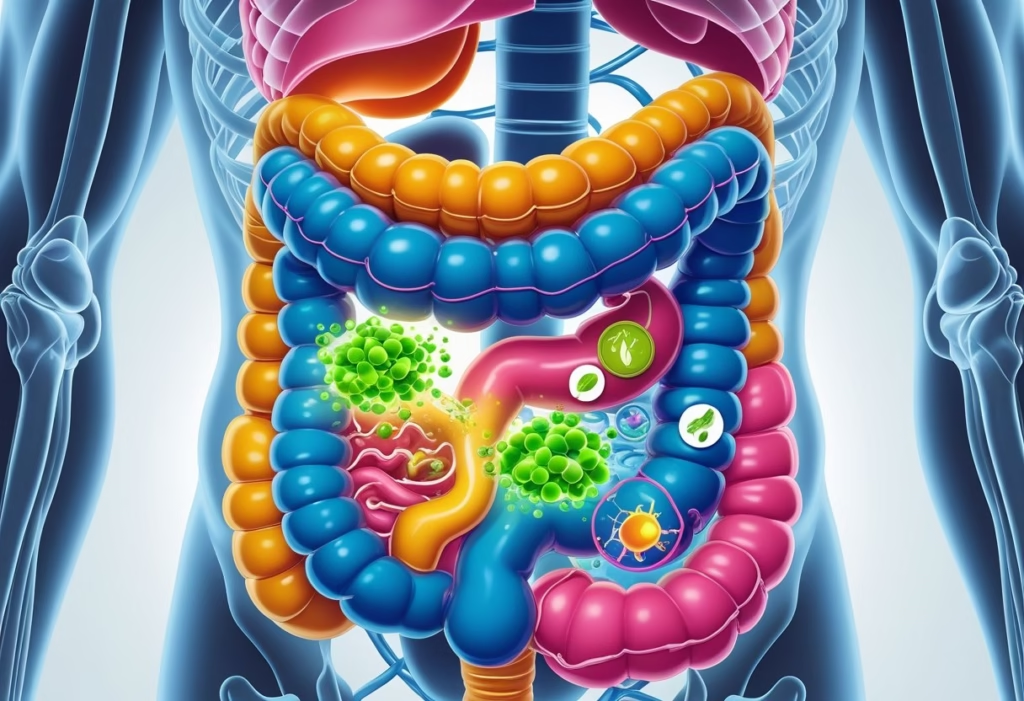
Many people mistakenly assume that all gas smells bad or that foul odors are always a sign of serious illness. In reality, the smell and frequency of your gas can reveal important information about your digestive health. Understanding why your gas has become more offensive helps you identify whether you need simple dietary adjustments or medical evaluation.
This guide explains the biological processes behind foul intestinal gas, identifies common dietary and medical triggers, and provides practical strategies for managing symptoms. You’ll learn when excessive or smelly gas warrants a doctor’s visit and which approaches actually reduce both odor and discomfort. Medical information provided here is for educational purposes only and does not replace professional medical advice, diagnosis, or treatment.
Understanding Intestinal Gas

Everyone produces intestinal gas as a natural byproduct of digestion, but the amount varies significantly between individuals based on diet, digestive health, and bacterial composition in the gut.
What Is Intestinal Gas?
Intestinal gas refers to air and gases that accumulate in your digestive tract, from your esophagus down to your rectum. Gas enters your digestive tract when you swallow air and when bacteria in your large intestine break down certain carbohydrates.
You produce gas in two main ways. First, through aerophagia, which happens when you swallow air while eating too quickly, drinking carbonated beverages, chewing gum, or smoking. Second, through bacterial fermentation in your colon, where microbes break down undigested food particles, particularly carbohydrates that your small intestine couldn’t absorb.
The term flatulence specifically refers to gas expelled through your rectum, while flatus is the medical term for the gas itself. Most people don’t realize that swallowed air primarily exits through burping, while bacterial fermentation produces the gas that eventually becomes flatulence.
Normal Gas Production and Elimination
Your body naturally produces and eliminates gas throughout the day, though passing gas more than 20 times daily may indicate excessive production. The frequency varies widely based on your individual digestive patterns and diet.
Normal gas production doesn’t necessarily mean you’ll notice it. Much of the gas your body produces gets reabsorbed through the walls of your intestines into your bloodstream, where it’s eventually exhaled through your lungs. Only a portion actually needs to exit as flatulence.
You typically pass between 0.5 to 1.5 liters of gas per day, spread across multiple instances. The amount depends heavily on what you eat, how quickly you eat, and your gut bacteria composition.
Composition of Intestinal Gas
Intestinal gas consists of several different gases in varying proportions:
- Nitrogen (20-90%): Primarily from swallowed air
- Hydrogen (0-50%): Produced by bacterial fermentation of carbohydrates
- Carbon dioxide (10-30%): Created by stomach acid neutralization and bacterial activity
- Methane (0-10%): Generated by specific bacteria in roughly 30-60% of people
- Oxygen (trace amounts): From swallowed air, quickly absorbed
- Sulfur compounds (trace amounts): Responsible for odor
The sulfur-containing gases, though present in tiny quantities, cause the characteristic unpleasant smell. These include hydrogen sulfide, methanethiol, and dimethyl sulfide, which form when bacteria break down proteins containing sulfur-rich amino acids.
Your individual gas composition depends on your gut bacteria types, which explains why some people produce more methane while others produce more hydrogen. This bacterial variation also explains why certain foods cause more gas problems for some people than others.
Primary Mechanisms Behind Foul-Smelling Gas
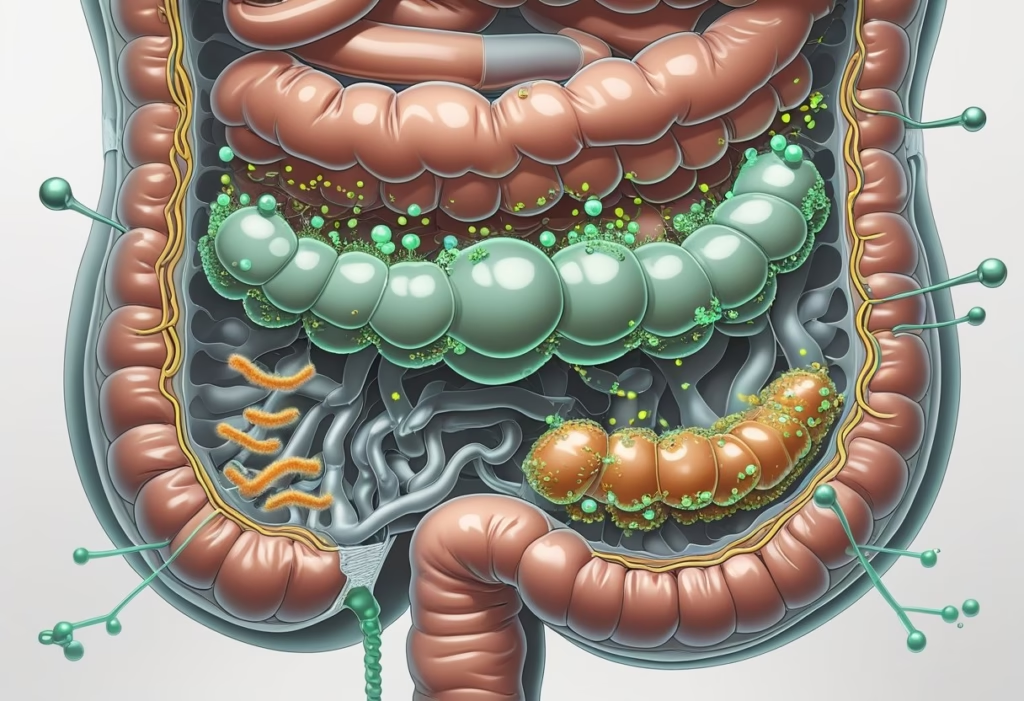
Three distinct processes create the gases that exit your body, but only one typically produces the sulfur compounds responsible for unpleasant odors. Understanding which mechanism causes your symptoms helps identify effective solutions.
Bacterial Fermentation in the Colon
Your large intestine contains trillions of gut bacteria that break down food particles your small intestine couldn’t digest. When intestinal bacteria ferment undigested material, they produce hydrogen sulfide, methanethiol, and dimethyl sulfide—the sulfur-containing compounds that create the characteristic rotten egg smell.
The longer food sits in your colon, the more time bacteria have to produce these gases. This explains why constipation often leads to particularly foul-smelling gas.
Certain bacteria strains produce more sulfur compounds than others. If you’ve recently taken antibiotics, your gut bacteria balance may have shifted, potentially increasing sulfur-producing species. This imbalance can persist for weeks or months after finishing the medication.
Foods that increase sulfur production:
- Red meat and poultry
- Eggs
- Cruciferous vegetables (broccoli, cauliflower, cabbage)
- Garlic and onions
- Beer and wine
The fermentation process itself is normal and necessary for digestion. Problems arise when you consume excessive amounts of sulfur-rich foods or when your gut bacteria composition becomes unbalanced.
Swallowed Air and Aerophagia
Swallowed air accounts for a significant portion of intestinal gas, though it rarely causes foul odors. You naturally swallow small amounts of air when eating and drinking, but certain habits dramatically increase this amount.
Aerophagia—excessive air swallowing—occurs when you eat too quickly, chew gum, drink carbonated beverages, or smoke. The air travels through your digestive tract and must exit as a burp or flatulence.
Most swallowed air consists of odorless nitrogen and oxygen. This gas typically exits through burping before reaching your colon. When it does reach your lower digestive tract, it dilutes other gases but doesn’t contribute to smell.
Common causes of excessive air swallowing:
- Eating while talking
- Using straws
- Loose dentures
- Anxiety or stress
- Drinking hot beverages quickly
While aerophagia increases gas frequency, it won’t make your flatulence smell worse. If you’re experiencing both excessive gas and foul odors, you’re likely dealing with multiple mechanisms simultaneously.
Undigested Carbohydrates
Complex carbohydrates that reach your colon undigested become fuel for bacterial fermentation. Your small intestine lacks enzymes to break down certain sugars and fibers, so they pass through to the large intestine intact.
Raffinose, a complex sugar in beans and legumes, cannot be digested by human enzymes. When gut bacteria in your colon ferment raffinose, they produce large amounts of gas—both odorless carbon dioxide and smelly sulfur compounds.
Food intolerances create particularly problematic undigested carbohydrates. If you lack lactase enzyme, dairy sugars pass undigested into your colon. If you have fructose malabsorption, fruit sugars arrive unprocessed at your large intestine. Both conditions lead to excessive bacterial fermentation and foul-smelling gas.
The issue isn’t the carbohydrates themselves but the location of their digestion. When bacteria handle the job instead of your digestive enzymes, sulfur byproducts result. Adding high-fiber foods too quickly to your diet overwhelms your digestion, sending more material to your colon for bacterial processing.
This information is for educational purposes and doesn’t replace medical advice. Consult a healthcare provider if you experience persistent symptoms or concerning changes in your digestive health.
Dietary Triggers of Unusually Foul Intestinal Gas
Certain foods produce particularly odorous gas because they contain sulfur compounds or undergo extensive bacterial fermentation in your colon. The smell intensity depends on both the type of food consumed and how your individual digestive system processes it.
High-Sulfur Foods and FODMAPs
Foods high in sulfur-containing amino acids break down into hydrogen sulfide gas, which produces the characteristic rotten egg smell. Meat, eggs, and cruciferous vegetables like broccoli, cabbage, and cauliflower are primary culprits. These vegetables also contain fermentable oligosaccharides that your small intestine cannot fully digest.
FODMAPs (Fermentable Oligosaccharides, Disaccharides, Monosaccharides, and Polyols) are short-chain carbohydrates that resist digestion. When they reach your colon, bacteria ferment them aggressively, producing both volume and odor.
Onions and garlic contain particularly high levels of fructans, a type of oligosaccharide that causes problems for many people even without diagnosed food intolerances. The fermentation process creates sulfurous compounds that make gas especially pungent. Asparagus, leeks, and shallots have similar effects because they share these sulfur-rich compounds.
Common Problematic Foods
Beans contain raffinose, a complex sugar that humans lack the enzyme to break down efficiently. This oligosaccharide travels intact to your colon where bacteria ferment it extensively. Black beans, kidney beans, and chickpeas are particularly high in raffinose.
Cruciferous vegetables produce both volume and smell due to their combination of raffinose and sulfur compounds. Brussels sprouts rank among the worst offenders because they contain high concentrations of both.
Whole grains contain both soluble fiber and insoluble fiber that feed colonic bacteria. While fiber is beneficial for digestive health, rapid increases in intake or consuming large amounts can overwhelm your system. The bacterial fermentation of these fibers produces gas, though typically less odorous than sulfur-rich foods.
Red meat takes longer to digest than other proteins, allowing more time for bacteria to produce sulfur-containing gases. Processed meats like sausages and deli meats often cause more issues due to added preservatives and higher fat content.
Artificial Sweeteners and Polyols
Sugar alcohols including sorbitol, xylitol, and mannitol are incompletely absorbed in your small intestine. These polyols draw water into your colon through osmosis and undergo bacterial fermentation, creating both gas and loose stools.
Sorbitol occurs naturally in stone fruits like peaches, plums, and cherries. It’s also added to sugar-free gum, candies, and diet foods. Your body can only absorb small amounts at once, so consuming more than 10 grams typically causes noticeable symptoms.
Xylitol, commonly found in sugar-free products, causes problems at even lower doses than sorbitol. Products labeled “sugar-free” or “no sugar added” almost always contain these poorly absorbed sweeteners. High-fructose corn syrup can cause similar fermentation issues in people who don’t absorb fructose efficiently, particularly when consumed without glucose to aid absorption.
Lactose and Dairy Products
Lactose intolerance occurs when your small intestine doesn’t produce enough lactase enzyme to break down lactose, the sugar in milk. Undigested lactose reaches your colon where bacteria ferment it rapidly, producing hydrogen and methane gases along with organic acids.
The bacterial fermentation of lactose creates particularly foul-smelling gas because it produces both sulfur compounds and volatile fatty acids. Milk, ice cream, and soft cheeses contain the highest lactose levels.
Hard aged cheeses like cheddar and parmesan contain minimal lactose because the aging process breaks it down. Greek yogurt and kefir often cause fewer problems because their bacterial cultures pre-digest much of the lactose. However, if you experience bloating, cramping, and especially foul gas within 30 minutes to 2 hours after consuming dairy products, lactose intolerance is the likely cause.
Medical Disclaimer: This information is for educational purposes and doesn’t replace professional medical advice. Consult your healthcare provider for persistent or severe symptoms.
Medical Conditions Associated With Excessive and Foul Gas
While dietary factors often explain changes in gas patterns, persistent or severe symptoms may point to underlying medical conditions that affect how your digestive system breaks down food and absorbs nutrients. These conditions disrupt normal gut function through bacterial imbalances, enzyme deficiencies, or structural problems in the digestive tract.
Irritable Bowel Syndrome (IBS)
Irritable bowel syndrome affects your gut-brain connection, making you more sensitive to normal amounts of gas while also producing more gas through altered intestinal motility. The condition causes your intestines to contract irregularly, trapping gas and creating painful distention even when gas volumes aren’t truly excessive.
Stress and anxiety make IBS symptoms significantly worse because they trigger your gut to slow down or speed up unpredictably. You might notice that your gas and bloating intensify during stressful periods or that certain trigger foods cause more problems when you’re anxious.
Common IBS mistakes include:
- Eliminating too many foods at once without identifying specific triggers
- Ignoring the stress component and focusing only on diet
- Eating large meals instead of smaller, frequent portions
IBS symptoms typically improve with dietary modifications like the low FODMAP diet, stress management techniques, and medications that regulate intestinal contractions. See a doctor if your symptoms include blood in stool, unintentional weight loss, or severe pain that disrupts daily activities.
Lactose Intolerance and Carbohydrate Malabsorption
Lactose intolerance develops when your small intestine stops producing enough lactase enzyme to break down milk sugar. The undigested lactose travels to your colon where bacteria ferment it, producing hydrogen and methane gases that smell particularly foul.
Many people lose the ability to digest lactose as they age, with symptoms typically appearing within hours after consuming dairy products. You’ll experience gas, bloating, cramping, and diarrhea from even small amounts of milk, cheese, or ice cream.
Other carbohydrate malabsorption issues include fructose intolerance and problems digesting certain sugar alcohols found in sugar-free products. These conditions work similarly—your body can’t absorb specific sugars, so bacteria feast on them instead.
What makes symptoms worse:
- Consuming dairy on an empty stomach
- Eating large portions of trigger carbohydrates
- Combining multiple problem foods in one meal
Lactase enzyme supplements taken before meals usually help with dairy, while avoiding trigger foods prevents symptoms entirely. Problems digesting carbohydrates require identifying which specific sugars cause issues through elimination diets or breath testing.
Small Intestinal Bacterial Overgrowth (SIBO)
SIBO occurs when excessive bacteria colonize your small intestine, fermenting food before your body can properly absorb nutrients. This creates malabsorption of fats and vitamins along with particularly foul-smelling gas containing hydrogen sulfide.
The condition develops after surgery, from chronic constipation that slows intestinal movement, or due to structural problems like intestinal pseudo-obstruction. You’ll experience bloating that worsens throughout the day, especially after eating carbohydrates or fiber.
SIBO causes nutritional deficiencies because bacteria consume nutrients before you can absorb them. You might notice unexplained weight loss, fatigue, or vitamin deficiencies despite eating normally.
Breath testing diagnoses SIBO by measuring hydrogen and methane levels after consuming a sugar solution. Treatment requires antibiotics to reduce bacterial overgrowth, followed by dietary changes and prokinetic medications that improve intestinal motility. The condition often recurs if underlying causes like gastroparesis or constipation aren’t addressed.
Other Gastrointestinal Disorders
Celiac disease triggers gas and bloating specifically after consuming wheat, barley, or rye because gluten damages your intestinal lining and prevents proper nutrient absorption. The malabsorption creates fatty, foul-smelling stools along with excessive gas.
Inflammatory bowel disease, including Crohn’s disease, causes chronic inflammation that disrupts normal digestion and bacterial balance. You’ll experience persistent gas along with diarrhea, abdominal pain, and fatigue that don’t respond to dietary changes alone.
Gastroesophageal reflux disease (GERD) contributes to excessive belching and upper abdominal bloating as stomach acid moves backward into your esophagus. This feels different from lower intestinal gas but creates significant discomfort.
Serious warning signs requiring immediate medical attention:
- Blood in your stool or black, tarry stools
- Severe abdominal pain with fever
- Unintentional weight loss exceeding 10 pounds
- Persistent vomiting or inability to pass gas
Gastroparesis slows stomach emptying, causing food to ferment before reaching your intestines. Peptic ulcer disease rarely causes gas directly but creates symptoms that feel similar to gas pain. While colon cancer and stomach cancer rarely present with gas as a primary symptom, persistent changes in bowel habits with gas warrant screening, especially if you’re over 45.
Medical Disclaimer: This information is for educational purposes only and does not replace professional medical advice. Consult a healthcare provider for persistent or severe digestive symptoms.
Recognizing Signs and Symptoms Related to Gas Issues
Gas-related symptoms manifest in distinct patterns that help identify whether your experience falls within normal ranges or signals an underlying issue. Understanding the specific characteristics of bloating, abdominal pain, belching, and flatulence helps you determine when symptoms warrant medical attention.
Bloating and Abdominal Distention
Abdominal bloating creates a sensation of fullness or tightness in your belly, often accompanied by visible swelling. You might notice your waistband feels tighter or your abdomen appears larger than usual.
The sensation occurs when gas accumulates in your digestive tract faster than your body can expel it. This typically happens after eating foods high in fermentable carbohydrates, swallowing excess air during meals, or when digestive motility slows down.
Abdominal distention differs slightly from bloating in that others can visibly see the swelling. You may experience one without the other, though they commonly occur together. Distention that worsens throughout the day often relates to food accumulation and gas production in your intestines.
Pay attention if your bloating persists beyond a few hours after eating or occurs with minimal food intake. Chronic bloating that doesn’t respond to dietary changes may indicate conditions like irritable bowel syndrome, small intestinal bacterial overgrowth, or food intolerances.
Abdominal Pain and Cramping
Gas pain typically presents as sharp, stabbing sensations that move around your abdomen or concentrated cramping in specific areas. The left side of your colon, particularly near the splenic flexure under your ribs, commonly traps gas and creates intense but brief pain.
Unlike other types of belly pain, gas-related discomfort usually shifts location and improves after passing gas or having a bowel movement. The pain intensity can range from mild pressure to severe cramping that temporarily stops you from normal activities.
Cramping from gas happens when intestinal muscles contract forcefully to move trapped gas through your digestive tract. This explains why the pain often comes in waves rather than remaining constant.
You should distinguish between normal gas pain and concerning symptoms. Seek medical attention if you experience abdominal pain accompanied by fever, persistent vomiting, blood in stool, or pain that steadily worsens rather than fluctuates. Pain lasting more than a few hours without relief also warrants evaluation, as an abdominal x-ray or other imaging may be needed to rule out obstruction or other serious conditions.
Belching and Eructation
Belching (also called burping or eructation) releases swallowed air from your upper digestive tract through your mouth. Most people belch occasionally after meals, but excessive belching suggests you’re swallowing too much air.
Common behaviors that increase air swallowing include eating too quickly, drinking carbonated beverages, chewing gum, smoking, or using a straw. You may not realize you’re swallowing air during these activities until the belching becomes problematic.
Some people develop a habit of unconsciously swallowing air when anxious or stressed, creating a cycle where they swallow more air trying to relieve the discomfort from previous air swallowing. This pattern differs from belching caused by digestive conditions.
Chronic eructation that doesn’t improve after modifying eating habits may indicate gastroesophageal reflux, delayed gastric emptying, or upper GI issues. If you belch excessively despite eating slowly and avoiding carbonated drinks, consult a healthcare provider to investigate other potential causes.
Odor and Frequency of Flatus
The odor and frequency of your flatulence provide important clues about digestive function. While passing gas 14-23 times daily falls within normal ranges, excessive flatulence that significantly disrupts your routine suggests an imbalance.
Foul-smelling gas typically results from sulfur-containing compounds produced when bacteria break down certain proteins and foods. Eggs, meat, garlic, onions, and cruciferous vegetables naturally create more odorous gas. However, unusually foul-smelling gas that represents a change from your normal pattern may indicate malabsorption, bacterial overgrowth, or digestive enzyme deficiencies.
Frequency matters more than occasional increases. Persistent changes in how often you pass gas, especially when accompanied by changes in stool consistency or other digestive symptoms, warrant investigation. Track when symptoms occur relative to meals to identify potential food triggers.
Medical Disclaimer: This information is for educational purposes only and does not replace professional medical advice. Consult a healthcare provider for diagnosis and treatment of any medical condition.
Diagnosis and When To Seek Medical Advice
Doctors diagnose the underlying causes of foul-smelling gas through a combination of patient history, physical examination, and specific diagnostic tests tailored to your symptoms. Recognizing when your symptoms require professional evaluation can prevent more serious conditions from going undetected.
Medical Evaluation and Diagnostic Tests
Your doctor will start by asking detailed questions about when your symptoms began, what foods trigger them, and whether you have other digestive complaints. A food diary tracking meals and gas episodes for one to two weeks provides valuable information that helps identify patterns your doctor might otherwise miss.
Doctors may order medical tests based on your specific symptoms. A breath test can diagnose lactose intolerance or small intestinal bacterial overgrowth (SIBO) by measuring hydrogen and methane levels after you consume specific substances. If malabsorption is suspected, a barium swallow with x-ray imaging allows doctors to see how food moves through your digestive tract.
For persistent symptoms with warning signs, a gastroenterologist may recommend a colonoscopy or sigmoidoscopy to visualize your colon and collect tissue samples. These procedures can identify inflammatory bowel disease, celiac disease, or other structural problems that cause excessive gas. Blood tests may check for celiac antibodies, thyroid function, or signs of infection.
Identifying Red Flags and Warning Signs
Certain symptoms accompanying excessive gas warrant immediate medical attention rather than waiting to see if dietary changes help. Blood in your stool, whether bright red or dark and tarry, requires urgent evaluation because it may signal bleeding in your digestive tract.
Unintentional weight loss combined with foul gas suggests malabsorption or a more serious digestive condition. Severe abdominal pain that doesn’t resolve, persistent vomiting, or fever above 101°F (38.3°C) should prompt an emergency room visit.
Changes in bowel habits lasting more than two weeks—such as persistent diarrhea, constipation, or alternating between both—need professional assessment. Many people delay seeking help out of embarrassment, but doctors routinely discuss these issues and can identify treatable conditions that significantly impact your quality of life.
Medical Disclaimer: This information is for educational purposes only and does not replace professional medical advice. Consult your healthcare provider for diagnosis and treatment specific to your situation.
Prevention and Management Strategies
Reducing foul-smelling gas requires targeting both what you eat and how you eat, since gas production stems from both swallowed air and bacterial fermentation in your digestive tract. Specific dietary adjustments and behavioral modifications address the root causes more effectively than relying solely on over-the-counter remedies.
Diet Modifications to Reduce Gas
A low-FODMAP diet often provides significant relief because it eliminates fermentable carbohydrates that gut bacteria break down into gas. FODMAPs include certain fruits, dairy products, wheat, onions, and garlic. These foods remain partially undigested in your small intestine, where bacteria ferment them and produce hydrogen sulfide and other sulfur compounds that create the foul odor.
High-fiber foods like broccoli and cauliflower contain more sulfur than other vegetables, which explains why they produce particularly smelly gas. You don’t need to eliminate these nutritious foods entirely, but reducing portion sizes helps. Cruciferous vegetables also include kale, cabbage, and radish.
Many people unknowingly consume foods they’re intolerant to, with lactose and gluten being the most common culprits. If you suspect an intolerance, track which foods precede your worst symptoms rather than guessing. Dairy products cause problems for people who lack sufficient lactase enzyme, while those with celiac disease experience intestinal damage from gluten exposure.
A common mistake is adding too much fiber too quickly. Your gut bacteria need time to adjust, so gradually increase fiber intake over several weeks.
Lifestyle Changes and Eating Habits
Swallowing air while eating or drinking contributes more to gas than most people realize. Eating rapidly forces you to gulp air along with food, and this aerophagia accounts for a significant portion of intestinal gas.
You should avoid these specific behaviors that increase air swallowing:
- Chewing gum keeps your mouth in constant motion, causing repetitive air intake
- Drinking carbonated beverages introduces carbon dioxide directly into your digestive system
- Using straws creates suction that pulls in extra air
- Wearing loose dentures creates gaps where air enters while eating
- Talking while eating prevents proper swallowing mechanics
Eating smaller, more frequent meals reduces the fermentation load in your intestines at any given time. Large meals overwhelm your digestive enzymes, leaving more undigested food for bacteria to process. Chewing thoroughly breaks down food mechanically, which reduces the work your intestines must do.
Stress affects your digestive tract by altering gut motility and changing bacterial composition, though the exact mechanisms remain under study.
Medications and Probiotics
Simethicone (found in Gas-X) breaks up gas bubbles but doesn’t reduce gas production itself, making it less effective for foul-smelling gas than for bloating. It works by changing surface tension, allowing smaller bubbles to combine and pass more easily.
Beano contains the enzyme alpha-galactosidase, which breaks down complex carbohydrates before gut bacteria can ferment them. You must take it with your first bite of food to work effectively. It specifically targets beans, cruciferous vegetables, and whole grains.
Activated charcoal claims to absorb gas, but research shows minimal effectiveness. It may also interfere with prescription medications by binding to them in your digestive tract.
Probiotics can help by improving your gut bacterial balance, though results vary significantly between individuals. Look for strains like Bifidobacterium and Lactobacillus species, which clinical studies suggest may reduce gas production. You need to take them consistently for several weeks before noticing changes.
Antacids don’t reduce gas production and may worsen symptoms if they contain calcium carbonate, which can slow digestion.
Medical Disclaimer: This information is for educational purposes only and does not constitute medical advice. Consult a healthcare provider if you experience persistent symptoms, unexplained weight loss, blood in stool, or severe abdominal pain, as these may indicate underlying conditions requiring professional evaluation.