
Smelly gas affects most people at some point, but when it becomes frequent or particularly offensive, it usually signals that certain foods aren’t breaking down properly in your digestive tract. The odor comes from sulfur-containing compounds produced when gut bacteria ferment specific proteins and carbohydrates that your body struggles to digest completely.
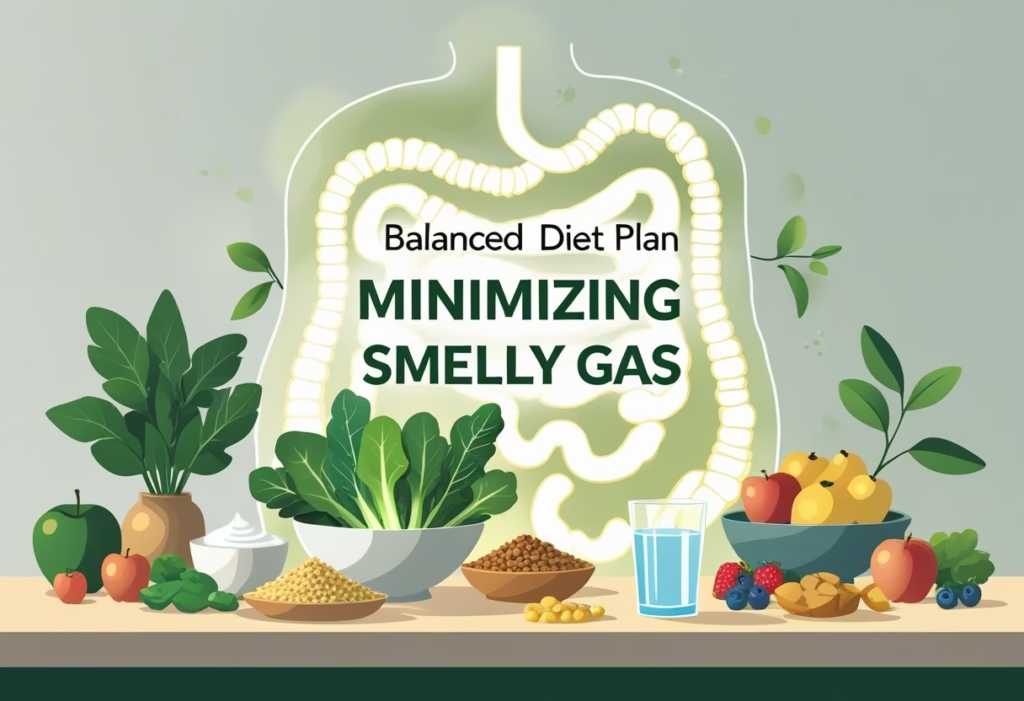
A targeted diet plan that reduces sulfur-rich foods, limits hard-to-digest carbohydrates, and supports healthy gut bacteria can significantly decrease both the frequency and smell of your gas. This isn’t about eliminating entire food groups or following restrictive eating patterns. Instead, you’ll learn which specific dietary adjustments make the biggest difference and why they work at a biological level.
This article explains the root causes behind smelly gas and provides evidence-based strategies for choosing foods that minimize odor-causing fermentation. You’ll discover which proteins and vegetables are common culprits, how eating habits influence gas production, and when persistent symptoms might indicate an underlying condition requiring medical attention. This information is for educational purposes and should not replace professional medical advice from your healthcare provider.
Understanding Smelly Gas and Its Causes
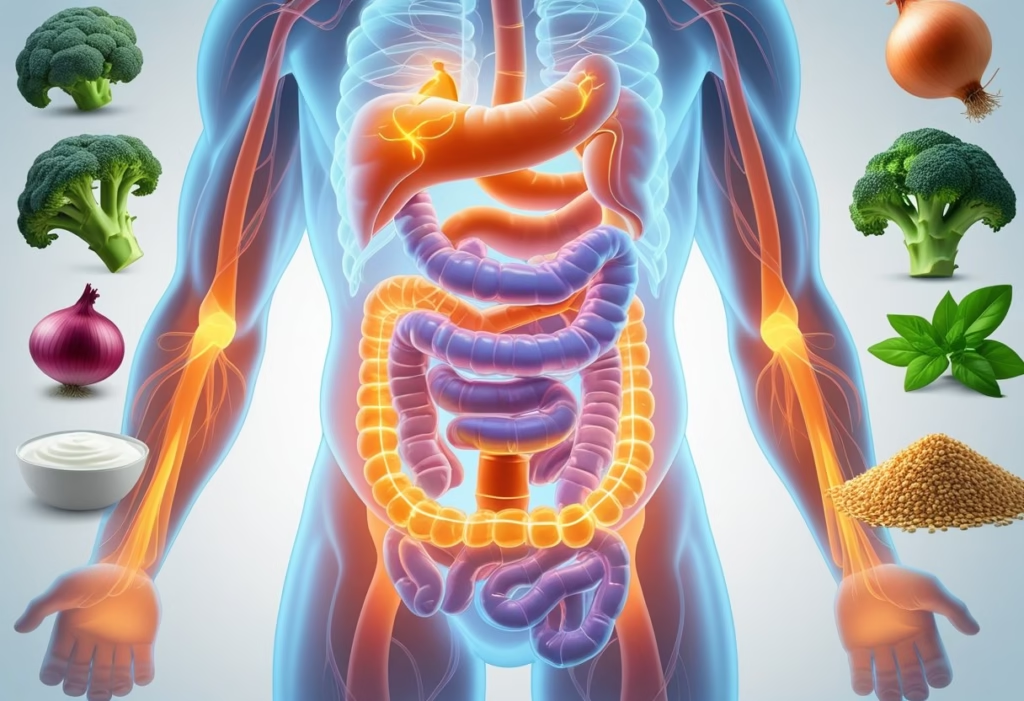
Gas production is a normal digestive process, but the odor intensity varies based on what you eat and how your gut bacteria break down food. Sulfur-containing compounds produced during bacterial fermentation are typically responsible for the most unpleasant smells.
What Is Intestinal Gas and Flatulence
Intestinal gas consists of several odorless gases including nitrogen, oxygen, carbon dioxide, hydrogen, and sometimes methane. When you pass gas, most of it doesn’t smell at all.
The foul odor comes from trace amounts of sulfur-containing compounds like hydrogen sulfide, methanethiol, and dimethyl sulfide. These compounds make up less than 1% of the gas you pass, but they’re responsible for nearly all the smell. Your body produces these compounds when bacteria in your colon break down protein-rich foods and certain carbohydrates that weren’t fully digested in your small intestine.
You typically pass gas 13-21 times per day, though most people don’t notice every instance. The volume and smell depend on your diet, how quickly you eat, and your individual gut microbiome composition.
Bloating, Burping, and Other Gas Symptoms
Excess gas can manifest in several ways beyond flatulence. Bloating occurs when gas accumulates in your digestive tract, causing abdominal distension and discomfort that can make your clothes feel tight.
Burping or belching happens when you swallow air while eating, drinking, or talking. You’re more likely to experience burping if you drink carbonated beverages, chew gum, suck on hard candy, or eat too quickly. Some people also swallow more air when they’re anxious or stressed.
Trapped gas can cause sharp pains that move around your abdomen. These pains often feel worse after eating certain foods and may improve after you pass gas or have a bowel movement. Most gas symptoms don’t indicate serious health problems, but you should see a doctor if you experience severe abdominal pain, persistent changes in bowel habits, unexplained weight loss, or blood in your stool.
The Role of Gut Bacteria and Bacterial Fermentation
Your gut microbiome contains trillions of bacteria that perform essential digestive functions. When carbohydrates reach your large intestine undigested, bacteria ferment them and produce gas as a byproduct.
Different bacterial species produce different gases. Some bacteria generate hydrogen and carbon dioxide (odorless), while others produce hydrogen sulfide and other sulfur compounds (very smelly). The specific mix of bacteria in your gut determines how much and what type of gas you produce.
High-protein foods and cruciferous vegetables like broccoli and cauliflower contain sulfur compounds that gut bacteria convert into smelly gases. Foods high in certain carbohydrates called FODMAPs also undergo extensive fermentation, leading to increased gas production. Your gut bacteria composition can change based on diet, medications (especially antibiotics), stress levels, and overall gut health, which explains why gas symptoms can vary over time.
Dietary Strategies to Reduce Smelly Gas
Targeting specific food groups and adjusting how you eat can significantly reduce the sulfur compounds and fermentation byproducts that cause foul-smelling gas. The most effective approaches involve systematically identifying your personal triggers and modifying fiber sources rather than eliminating entire food categories.
Low-FODMAP Approach and Elimination Diets
The low-FODMAP diet restricts fermentable carbohydrates that gut bacteria break down into gas. FODMAP stands for Fermentable Oligosaccharides, Disaccharides, Monosaccharides, and Polyols—carbohydrates that your small intestine absorbs poorly.
This approach works in three phases. You eliminate high-FODMAP foods for 2-6 weeks, then systematically reintroduce them one at a time to identify specific triggers. Many people discover they only react to certain FODMAPs, not all of them.
High-FODMAP foods that commonly cause smelly gas:
- Fructose: apples, pears, honey, high-fructose corn syrup
- Raffinose: beans, cabbage, Brussels sprouts
- Polyols: mannitol and sorbitol in sugar-free gums, mushrooms, cauliflower
- Wheat products containing fructans
- Garlic and onions (high in fructans)
A common mistake is staying on the elimination phase too long. Restricting FODMAPs permanently can harm your gut bacteria diversity. Research shows the reintroduction phase is essential for long-term gut health.
Important: Elimination diets should be done under medical supervision, especially if you have existing digestive conditions. Self-diagnosing can lead to unnecessary restrictions and nutritional deficiencies.
Minimizing Gas-Producing Foods
Certain foods create more hydrogen sulfide and other sulfur compounds during digestion, which causes the characteristic rotten egg smell. Reducing these while maintaining nutritional balance requires strategic substitutions.
Sulfur-rich foods that worsen odor:
- Cruciferous vegetables (broccoli, cauliflower, cabbage)
- Eggs
- Red meat
- Garlic and onions
- Beer and wine
Protein sources that produce less gas:
- Fish (especially white fish)
- Chicken and turkey
- Eggs whites (yolks contain more sulfur)
- Rice protein
Potatoes and corn produce less gas than wheat for many people because they contain different starch structures. White rice typically causes minimal gas compared to whole grains.
Peas and lentils cause problems for some people due to raffinose, but soaking dried legumes for 12 hours and discarding the water removes up to 75% of this compound. Adding kombu seaweed during cooking further reduces gas production.
What rarely helps: cutting out all vegetables. This worsens constipation and can increase gas over time. Instead, focus on low-sulfur options like zucchini, carrots, and spinach.
Managing Fiber Intake for Bowel Regularity
Fiber affects gas in contradictory ways—it helps relieve gas by preventing constipation, but too much or the wrong type increases fermentation and odor. Understanding the difference between fiber types is essential.
Soluble fiber dissolves in water and ferments more slowly, producing less gas. Sources include oats, psyllium husk, chia seeds, and peeled fruits. This type helps with bowel regularity without excessive fermentation.
Insoluble fiber adds bulk but ferments rapidly in people with sensitive digestive systems. High-fiber foods like bran cereals, whole wheat bread, and bean skins often worsen bloating and gas when introduced too quickly.
Practical fiber management:
- Increase fiber gradually by 5g per week (sudden increases cause excess gas)
- Drink 8-10 glasses of water daily—fiber without water worsens constipation
- Eat smaller meals throughout the day rather than large portions
- Choose psyllium or methylcellulose supplements over inulin-based products
A common mistake is adding multiple high-fiber foods simultaneously. If gas worsens, you won’t know which food caused it. Add one new fiber source every 3-4 days while monitoring symptoms.
When to see a doctor: If dietary changes don’t improve symptoms after 4 weeks, or if you experience severe pain, blood in stool, or unintentional weight loss, consult a gastroenterologist. These may indicate underlying conditions like IBS, SIBO, or malabsorption disorders.
Medical Disclaimer: This information is for educational purposes and should not replace professional medical advice. Consult a healthcare provider or registered dietitian before making significant dietary changes, especially if you have existing health conditions.
Food Choices: What to Include and Avoid
Selecting the right foods can significantly reduce both the frequency and odor of intestinal gas. Certain proteins, vegetables, and grains produce minimal gas, while specific carbohydrates and additives are known culprits for strong-smelling flatulence.
Recommended Non-Gassy Fruits and Vegetables
Carrots, tomatoes, and green beans are excellent vegetable choices because they’re low in fermentable carbohydrates that gut bacteria break down into smelly sulfur compounds. These vegetables provide nutrients without the raffinose and complex sugars found in cruciferous vegetables like broccoli or cauliflower.
Potatoes work well because your body absorbs their starches efficiently in the small intestine, leaving less for bacteria to ferment. Spinach, lettuce, zucchini, and eggplant follow the same principle.
For fruits, blueberries, strawberries, and blackberries produce less gas than apples or pears because they contain lower amounts of fructose and sorbitol. Watermelon can be beneficial in small portions, though eating large amounts may cause issues since your body can only absorb limited fruit-based carbohydrates at once.
Avoid corn despite being a vegetable, as it contains resistant starches that reach your colon undigested, where bacteria ferment them into particularly odorous gases.
Protein, Dairy, and Grain Options
Animal proteins like chicken, turkey, fish, and eggs don’t contain carbohydrates for gut bacteria to ferment, making them ideal for minimizing gas production. Lean beef works similarly, but avoid processed meats with fillers that often contain hidden sugars and starches.
Dairy requires careful consideration. If you have lactose intolerance, your body lacks sufficient lactase enzyme to break down milk sugar, causing bacteria to ferment it instead. This fermentation produces hydrogen sulfide, the compound responsible for rotten-egg smell. Lactase supplements (like Lactaid) taken before consuming dairy can prevent this reaction. Alternatively, switch to almond milk, coconut milk, or other plant-based options without added sugars.
Gluten-free bread, rice bread, and plain rice (brown or white) are better grain choices than wheat products. Wheat contains fructans that many people struggle to digest, leading to increased gas production. Quinoa and spelt are additional alternatives that typically cause fewer digestive issues.
Foods and Additives Linked to Strong Odor
Artificial sweeteners ending in “-ol” like sorbitol, mannitol, xylitol, and erythritol are sugar alcohols that your body cannot fully absorb. When these reach your colon, bacteria ferment them into gases containing sulfur compounds that smell particularly unpleasant. These sweeteners appear in sugar-free gum, candy, and diet products.
Fructose in high concentrations overwhelms your small intestine’s absorption capacity. Excess fructose travels to your colon where bacterial fermentation creates smelly gases. Fruit juices, high-fructose corn syrup in soft drinks, and sports drinks are common sources.
Carbonated beverages introduce carbon dioxide directly into your digestive system. While this gas itself is odorless, the swallowed air can mix with sulfur-producing bacterial fermentation, worsening overall symptoms.
A common mistake is assuming all “healthy” foods are safe. Beans, Brussels sprouts, and garlic are nutritious but contain sulfur compounds that directly contribute to odor. If smell is your primary concern rather than just volume of gas, temporarily reducing these foods helps identify your triggers.
Medical note: Persistent foul-smelling gas accompanied by diarrhea, weight loss, or severe abdominal pain warrants medical evaluation to rule out conditions like small intestinal bacterial overgrowth (SIBO) or malabsorption disorders.
Lifestyle and Eating Habits to Minimize Gas
How you eat matters just as much as what you eat when it comes to reducing gas production and odor. Slowing down during meals prevents excess air swallowing, while light physical activity afterward helps move gas through your digestive system before it becomes trapped and uncomfortable.
How and When to Eat
Eating slowly is one of the most effective non-dietary changes you can make. When you rush through meals, you swallow significant amounts of air alongside your food, a condition called aerophagia. This swallowed air has to exit your body somehow, either through burping or as flatulence.
Chewing each bite thoroughly gives your digestive enzymes time to start breaking down food in your mouth. This means less fermentation work for gut bacteria later, which directly reduces gas production and odor intensity.
Talking while eating dramatically increases the amount of air you swallow. If you’re in a social situation, try alternating between eating and conversing rather than doing both simultaneously.
Smaller, more frequent meals prevent overwhelming your digestive system at once. Large meals create more substrate for bacterial fermentation in your colon, which produces more hydrogen sulfide and other sulfur compounds responsible for odor. Aim for 4-5 moderate portions throughout the day instead of 2-3 large ones.
Avoid eating right before bed. Lying down slows digestion and can trap gas in your intestines, leading to morning bloating and discomfort.
Physical Activity and Walking After Meals
A 10-15 minute walk after eating is one of the most reliable ways to improve digestive health and prevent trapped gas. Gentle movement stimulates your intestinal muscles through a process called peristalsis, which helps move food and gas through your system more efficiently.
Walking doesn’t need to be vigorous. A leisurely pace is sufficient to promote bowel regularity without causing discomfort. This simple habit can reduce the sensation of fullness and decrease the likelihood of gas becoming painfully trapped in your intestines.
The timing matters. Walking immediately after or within 15 minutes of finishing your meal provides the most benefit. Waiting too long means gas has already begun accumulating in pockets along your digestive tract.
If walking isn’t possible, even standing and doing light stretches or household tasks helps more than sitting or lying down. Horizontal positions make it harder for gas to move naturally through your system, increasing both volume and odor when it finally does release.
Medical Conditions and Supplement Support
Certain digestive disorders amplify gas production and odor, while targeted supplements can address specific enzyme deficiencies or neutralize existing gas in your system.
Dealing with IBS, SIBO, and Food Intolerances
Irritable bowel syndrome affects how your intestines contract and process food, leading to altered gut bacteria that produce more hydrogen sulfide gas. This creates the sulfur smell many people with IBS experience. The condition worsens when you eat quickly or consume high-FODMAP foods during flare-ups.
Small intestinal bacterial overgrowth occurs when bacteria colonize your small intestine where they shouldn’t be. These bacteria ferment food prematurely, generating excessive methane or hydrogen gas before proper digestion occurs. SIBO often causes bloating within 30 minutes of eating, unlike normal digestion patterns.
Food intolerances create gas through incomplete digestion:
- Lactose intolerance means your body lacks sufficient lactase enzyme to break down milk sugar
- The undigested lactose travels to your colon where bacteria ferment it
- This fermentation produces gas with a distinctly sour or rotten smell
A common mistake is assuming all gas problems stem from diet alone. If dietary changes don’t improve symptoms after 2-3 weeks, you should consult a gastroenterologist. They can test for SIBO through breath tests or identify specific intolerances through elimination protocols.
The Role of Digestive Enzymes and Over-the-Counter Aids
Digestive enzymes break down specific nutrients your body struggles to process naturally. A lactase supplement taken before consuming dairy prevents lactose from reaching your colon undigested. Most people with lactose intolerance see immediate improvement, though the dose matters—you need enough units to match your dairy intake.
Alpha-galactosidase, sold as Beano, targets the complex sugars in beans and cruciferous vegetables. Take it with your first bite of food, not after. Taking it too late means the sugars have already passed into your intestines where bacteria will ferment them.
Simethicone relieves existing gas by:
- Breaking surface tension of gas bubbles
- Allowing smaller bubbles to combine into larger ones
- Making gas easier to expel naturally
This differs from prevention—simethicone doesn’t stop gas formation. Pepto-Bismol contains bismuth subsalicylate, which reduces sulfur compounds responsible for odor rather than gas volume itself.
What rarely helps: taking multiple enzyme supplements simultaneously without identifying your specific issue. This often increases digestive upset rather than resolving it.
This information is for educational purposes and does not replace medical advice. Consult a healthcare provider for persistent or severe symptoms.
Optimizing Gut Health for Long-Term Relief
Building a stable gut microbiome through targeted probiotic intake and dietary adjustments reduces gas production at its source rather than just masking symptoms temporarily.
Benefits of Probiotics and Fermented Foods
Probiotics work by crowding out gas-producing bacteria like Clostridium and Desulfovibrio species that generate hydrogen sulfide and other sulfur compounds responsible for foul-smelling flatulence. When you introduce beneficial strains like Lactobacillus plantarum and Bifidobacterium lactis, they ferment food more efficiently and produce less odorous byproducts.
Most effective fermented foods for reducing smelly gas:
- Kefir contains 30+ bacterial strains that improve lactose digestion
- Sauerkraut provides Lactobacillus brevis, which reduces sulfur gas
- Kimchi offers fiber and probiotics together for balanced fermentation
- Plain yogurt with live cultures (check labels for L. acidophilus)
A common mistake is taking random probiotic supplements without identifying your specific issue. If you have SIBO (small intestinal bacterial overgrowth), some probiotics actually worsen symptoms. Similarly, eating too many fermented foods at once can cause temporary bloating as your gut microbiome adjusts.
Start with one tablespoon of fermented vegetables daily or 4-6 ounces of kefir. Increase gradually over 2-3 weeks. You should notice less gas smell within 10-14 days if the approach suits your digestive health.
Personalizing Your Diet for Ongoing Comfort
Your gut microbiome is as unique as your fingerprint, which explains why elimination diets work differently for everyone. Keeping a detailed food and symptom journal for two weeks reveals your personal triggers more accurately than following generic lists.
Track these specific details: food eaten, portion size, time of day, gas odor intensity (rate 1-10), and timing of symptoms. Many people discover patterns they missed—like smelly gas appearing 8-12 hours after eating cruciferous vegetables or red meat, not immediately.
Testing foods systematically:
- Remove suspected triggers for 7 days
- Reintroduce one food at a time
- Wait 48 hours between new foods
- Note any changes in gas smell or frequency
What rarely helps: eliminating entire food groups permanently without testing. Your gut bacteria need diverse fiber sources to maintain balance. What usually helps: identifying your top 3-5 problematic foods and rotating or limiting them rather than complete avoidance.
Medical disclaimer: See a doctor if you experience sudden changes in bowel habits, blood in stool, unintentional weight loss, or severe abdominal pain alongside gas. These symptoms may indicate conditions like IBS, inflammatory bowel disease, or food intolerances requiring professional diagnosis.