
Gas and bloating are uncomfortable enough on their own, but the accompanying odor can make these digestive issues particularly distressing in social situations. Many people turn to activated charcoal as a natural remedy, but does it actually work for both the gas itself and the smell it produces? Activated charcoal can help reduce gas odor by trapping gas molecules and odor-causing compounds in its porous structure before they’re expelled from your body, though the evidence is stronger for its ability to reduce gas volume than specifically eliminating smell.
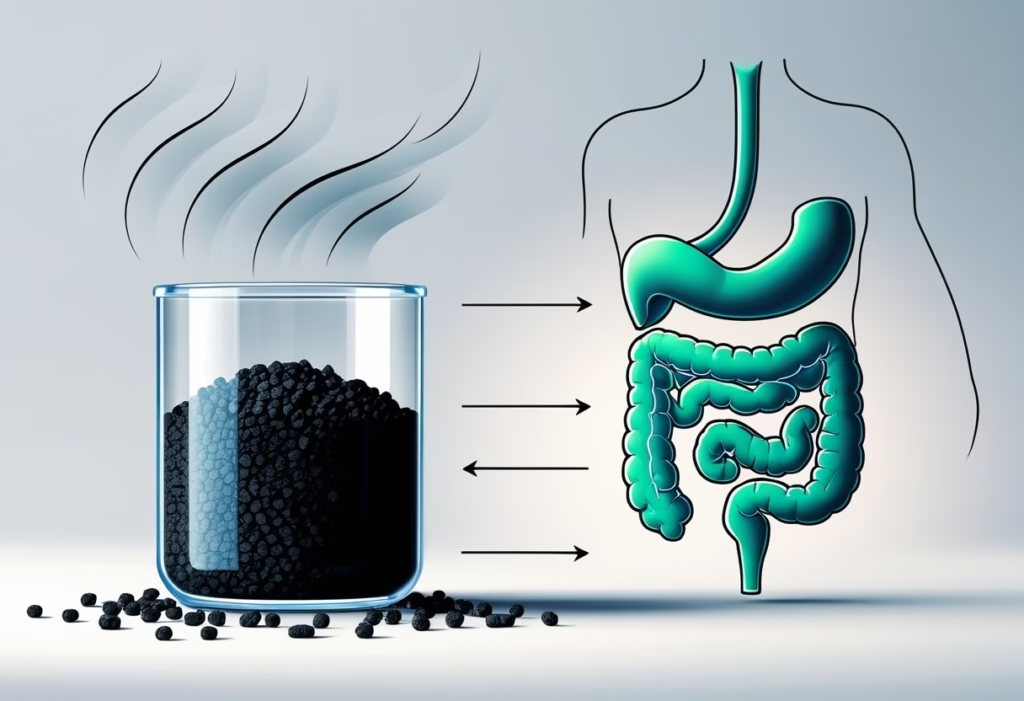
The way activated charcoal works differs from typical antacids or digestive aids you might be familiar with. Instead of neutralizing stomach acid or breaking down food, it physically binds to substances in your digestive tract. This mechanism explains both why it shows promise for gas-related issues and why timing matters so much when you take it.
Understanding what activated charcoal can and cannot do helps you make informed decisions about whether it’s right for your situation. While some people experience significant relief, others find minimal benefit, and there are important safety considerations to know before trying it—especially if you take medications or have certain health conditions. This article examines the science behind activated charcoal’s effects on gas and odor, when it typically helps versus when it doesn’t, and how to use it safely if you decide to try it.
This information is for educational purposes only and does not constitute medical advice. Consult your healthcare provider before using activated charcoal or any supplement, especially if you have medical conditions or take medications.
How Activated Charcoal Works for Gas and Odor
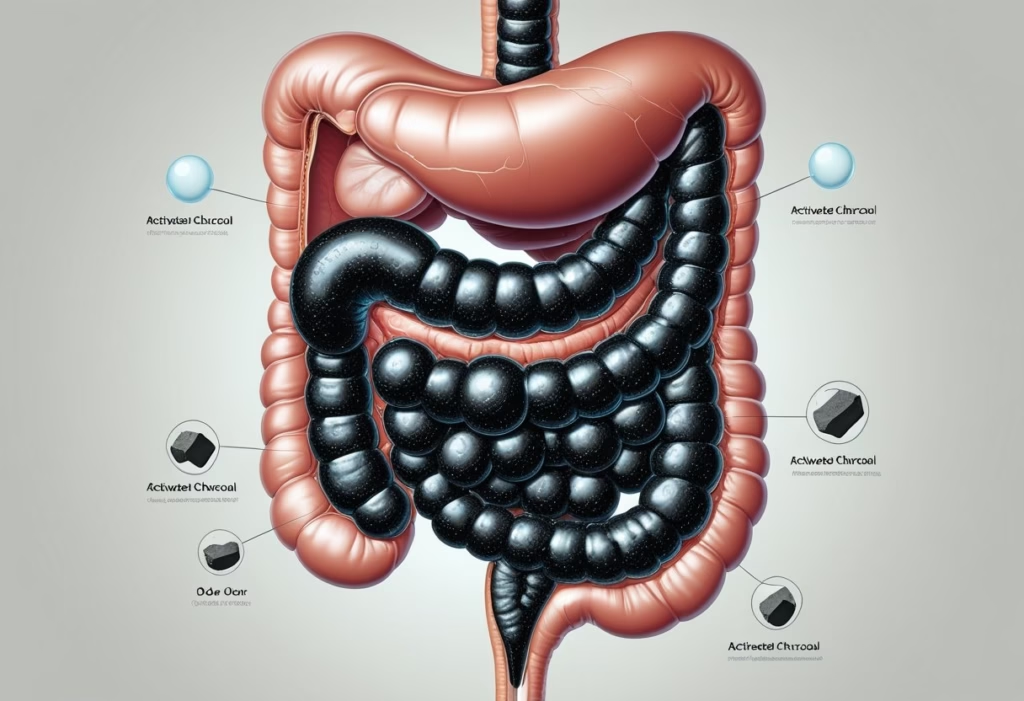
Activated charcoal traps gas molecules within its microscopic pores through a process called adsorption, which differs from regular charcoal’s limited ability to capture substances. The material’s extensive surface area allows it to bind both internal digestive gases and external odor molecules.
Porous Structure and Gas Adsorption
When manufacturers heat common charcoal to extremely high temperatures, they create activated charcoal’s porous structure that increases its surface area dramatically. A single gram of activated carbon contains roughly 500 to 3,000 square meters of surface area. This vast network of microscopic pores works through adsorption, where gas molecules stick to the charcoal’s surface rather than being absorbed into it.
The pores trap gas molecules as they pass through your digestive system, preventing them from causing bloating and discomfort. However, timing matters significantly. You need to take activated charcoal supplements before or during meals for maximum effectiveness, not after gas has already formed.
Common mistake: Taking too much activated charcoal can lead to constipation and black stools. It can also bind to medications and reduce their effectiveness if taken within two hours of each other.
Charcoal vs. Activated Charcoal
Regular charcoal from your grill cannot help with gas or odor issues. Unlike barbecue charcoal, activated charcoal undergoes specific processing that creates its medicinal properties through oxidation at high temperatures.
The activation process creates the crucial difference:
- Regular charcoal: Limited porosity, used for fuel
- Activated charcoal: Highly porous, processed for medical use
- Surface area: Activated carbon has 100-300 times more surface area
You should never substitute regular charcoal for activated charcoal supplements. The processing removes impurities and creates the specific pore sizes needed to trap gas molecules effectively.
Activated Carbon’s Role in Odor Removal
Activated carbon deodorizes through physical adsorption, where its micropores capture and hold odor-causing molecules. The material works as an odor eliminator both inside your body for digestive gases and externally for ambient odors.
Research shows that combining activated charcoal with simethicone produces better results than charcoal alone. Simethicone breaks gas bubbles into smaller sizes, making them easier for the charcoal to trap.
What usually helps: Taking 500-1,000 mg of activated charcoal before high-FODMAP meals may reduce gas formation.
What rarely helps: Taking activated charcoal after you already feel bloated provides minimal relief since the gas has already formed.
When to see a doctor: If you experience persistent bloating, severe abdominal pain, or changes in bowel habits lasting more than two weeks, consult a healthcare provider to rule out underlying conditions.
Effectiveness of Activated Charcoal for Gas and Bloating
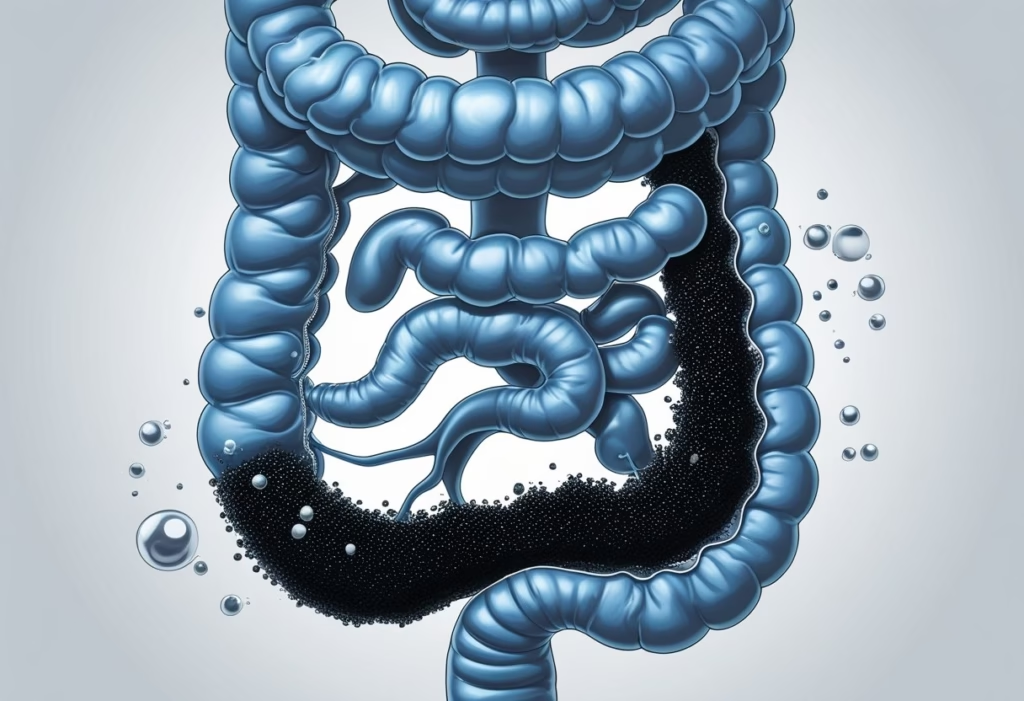
Research on activated charcoal for gas relief shows limited but promising results, with the most significant benefits appearing when charcoal is combined with simethicone. The porous structure of activated charcoal may trap gas molecules in your digestive tract, though scientific evidence remains modest.
Scientific Evidence on Gas Relief
The research into activated charcoal’s effectiveness for gas and bloating is limited but shows some potential. Activated charcoal works by trapping gas molecules in its porous structure, which is created by heating regular charcoal to increase its surface area.
Studies examining activated charcoal supplements for excess gas have produced mixed results. The evidence supporting charcoal for gas relief remains modest at best, with few large-scale clinical trials demonstrating clear benefits.
Your body doesn’t absorb activated charcoal, which means it passes through your digestive system while potentially binding to gas molecules. However, this same property can cause it to interfere with nutrient absorption and medication effectiveness. Scientific evidence supporting activated charcoal pills is not strong enough for most medical professionals to recommend them as a first-line treatment.
One common mistake is taking charcoal supplements too close to meals or medications, which reduces their potential effectiveness and increases the risk of blocking nutrient absorption.
Combination With Simethicone
Studies have shown that charcoal combined with simethicone produces better results than charcoal alone for reducing gas and bloating. Simethicone works by breaking apart gas bubbles into smaller sizes, making them easier for your body to absorb or pass naturally.
This combination addresses gas through two different mechanisms. While activated charcoal traps gas molecules in its pores, simethicone reduces surface tension on gas bubbles. The dual action may provide more comprehensive relief than either ingredient alone.
The simethicone component specifically targets the physical properties of gas bubbles rather than their chemical composition. This makes it particularly useful for bloating caused by swallowed air or gas production during digestion.
You’ll find combination products available over the counter, though they may still cause side effects like black stools, tongue discoloration, and constipation.
How Charcoal Supplements Are Used
Charcoal supplements typically come in capsule or tablet form, with dosages ranging from 250 to 500 mg per dose. You should take them between meals rather than with food to minimize interference with nutrient absorption.
Timing matters significantly when using activated charcoal supplements. Take them at least one hour before or two hours after meals, medications, or other supplements. This spacing prevents the charcoal from binding to beneficial nutrients or reducing medication effectiveness.
Common dosing mistakes include:
- Taking charcoal with prescription medications
- Using it daily for extended periods
- Combining it with vitamin supplements
- Not drinking enough water
You should consult with a healthcare provider before using activated charcoal supplements, especially if you take regular medications. The FDA doesn’t regulate these supplements like prescription medicines, which means quality and potency can vary between brands.
See a doctor if your gas and bloating persist for more than two weeks, worsen over time, or come with symptoms like severe abdominal pain, unexplained weight loss, or blood in your stool. These signs may indicate underlying digestive conditions that require medical evaluation rather than over-the-counter remedies.
This information is for educational purposes only and does not constitute medical advice. Consult a healthcare professional before starting any new supplement regimen.
Odor Elimination Beyond Digestive Gas
Activated charcoal removes odors from environments like homes and refrigerators by trapping odor molecules in its porous structure. Different forms work for air purification, water treatment, and everyday household applications.
Odor Removal in Air and Water
Activated carbon’s microstructure contains millions of micropores that adsorb gas molecules and fix them inside its surface. This process works differently than masking odors with fragrances—it actually captures and holds the molecules causing unpleasant smells.
For air purification, you can place activated charcoal in breathable bags throughout your home. The material works best in enclosed spaces like closets, refrigerators, or small rooms where air circulation allows odor molecules to make contact with the charcoal surface.
In water treatment, activated charcoal removes chlorine, organic compounds, and odor-causing substances. The same adsorption mechanism that works for air applies to water, though the charcoal must be food-grade quality for any application involving drinking water.
Common mistake: Using regular barbecue charcoal instead of activated charcoal. Standard charcoal lacks the porous structure needed for effective odor removal and may contain additives that release their own odors.
Forms and Types of Odor Eliminators
Different types of charcoal eliminate odors with varying effectiveness depending on the source material and activation process. Activated charcoal from coconut shells typically offers the highest surface area and absorption capacity. Wood-based activated charcoal costs less but has larger pores that work better for bigger molecules.
Charcoal powder provides maximum surface area exposure but requires containment in sachets or breathable fabric. Briquettes and pellets offer easier handling for larger spaces like basements or garages.
What usually helps: Replacing or recharging charcoal every 1-2 months for continuous odor control. You can recharge some types by placing them in direct sunlight for several hours, which releases trapped molecules.
What rarely helps: Expecting immediate results. Charcoal needs 24-48 hours of contact time to noticeably reduce odors in most spaces.
Bamboo Charcoal Applications
Bamboo charcoal works through the same adsorption principles as other activated carbons but grows faster as a renewable resource. Its pore structure naturally forms during high-temperature processing, creating an effective odor eliminator without additional chemical activation.
You can place bamboo charcoal bags in shoes, gym bags, or cars where moisture and bacteria create persistent odors. The material absorbs both odor molecules and excess humidity that allows odor-causing bacteria to thrive.
Bamboo charcoal helps with effective odor elimination in homes alongside other carbonaceous substances. Unlike chemical air fresheners, it doesn’t release volatile organic compounds into your breathing space.
When bamboo charcoal works best: Small, enclosed areas with moderate odor levels. It struggles in large open spaces or with overwhelming odor sources that need professional remediation.
Safety Considerations and Side Effects
Activated charcoal is generally safe for short-term use, but it can cause digestive issues and interfere with medications you’re taking by preventing their absorption in your gut.
Possible Side Effects
The most common side effects of activated charcoal include constipation and black stools. These occur because the charcoal slows down your digestive system and passes through largely unchanged, turning your stool dark.
Constipation happens because activated charcoal absorbs water in your intestines, making stools harder and more difficult to pass. This becomes worse if you’re not drinking enough fluids or taking higher doses. You should increase your water intake significantly when using activated charcoal to minimize this effect.
More serious side effects are rare but possible. Severe constipation, severe heartburn or sore throat, and dehydration require immediate medical attention. Signs of dehydration include dizziness, confusion, feeling very thirsty, and reduced urination or sweating.
A common mistake is using activated charcoal too frequently or in high doses for gas relief. This increases your risk of constipation and nutritional deficiencies over time.
Interactions With Medications
Activated charcoal works by trapping chemicals in its pores, which means it can also trap medications you need. Your body won’t absorb drugs properly if activated charcoal binds to them first.
You must take your activated charcoal dose at least 1 to 2 hours before or after taking other medicines by mouth. This timing window is critical because activated charcoal doesn’t discriminate—it can reduce the effectiveness of birth control pills, blood pressure medications, antidepressants, and other essential drugs.
The interaction happens in your digestive tract where charcoal physically binds to medication molecules. This prevents your intestinal walls from absorbing them into your bloodstream, essentially wasting your medication dose.
Tell your doctor about all medications, vitamins, and supplements you’re taking before using activated charcoal. This includes over-the-counter products that seem harmless.
Supplement Regulation and Dosage
Activated charcoal sold as a supplement isn’t regulated by the FDA the same way medications are. There are no regulated manufacturing standards for many herbal compounds, and some products have been contaminated with toxic metals or other drugs.
For gas and indigestion, typical doses range from 200 to 260 mg capsules taken once or twice daily. Some products recommend taking 2 capsules every 2 hours as needed, with a maximum of 16 capsules per day.
You should purchase activated charcoal from reliable manufacturers to minimize contamination risks. Check for third-party testing certifications on the label. Starting with the lowest effective dose helps you assess tolerance before increasing.
Don’t use activated charcoal if you have slow digestion or a blockage in your digestive tract. These conditions make side effects more likely and potentially dangerous. If you’re pregnant or breastfeeding, ask your doctor before using this supplement.
Medical Disclaimer: This information is for educational purposes only and doesn’t replace professional medical advice. Consult your healthcare provider before using activated charcoal, especially if you have existing health conditions or take medications.
Choosing and Using Activated Charcoal
Product selection matters because the difference between activated charcoal and regular charcoal affects how well it binds to gas molecules. You’ll need to choose between various forms and understand proper dosing to see any benefit for gas odor.
Selecting the Right Product
Look for food-grade activated charcoal made from coconut shells or hardwood, as these sources create the smallest pore sizes that trap gas molecules most effectively. Avoid products marketed for grilling or industrial use, which lack the activation process needed for digestive benefits.
Check the label for additives or fillers that can reduce effectiveness. Pure activated charcoal should list only one ingredient. Products containing sorbitol or artificial sweeteners may actually worsen gas rather than reduce it.
Capsule forms offer the most consistent dosing, while loose powder provides flexibility but requires careful measurement. The EFSA recommends taking at least 1 g 30 minutes before and after each meal for gas reduction. Most capsules contain 250-500 mg, so you’d need 2-4 capsules per dose.
Important: Activated charcoal can interfere with medication absorption, so you must take it at least 2 hours away from any prescription drugs. Talk with your doctor before starting activated charcoal if you take daily medications.
How to Make Activated Charcoal
Making activated charcoal at home is not recommended for internal use because you cannot achieve the high temperatures and controlled activation process needed for safety. Commercial production involves heating carbon sources to 600-900°C in specialized equipment with precise oxygen levels.
The activation step creates millions of microscopic pores through chemical or steam processing that home methods cannot replicate. Without proper activation, regular charcoal can contain harmful compounds and lacks the surface area needed to bind gas molecules.
Do not attempt to make activated charcoal from burned wood or barbecue briquettes. These contain toxins, chemicals, and insufficient pore structure for digestive use. Home-made versions pose serious health risks including intestinal blockages and toxic exposures.
Charcoal Powder and Supplement Forms
Capsules offer convenience and pre-measured doses but cost more per gram. They’re ideal if you need portability or dislike the gritty texture of powder.
Powder provides the most economical option and allows dose adjustments. Mix it with water and drink immediately, as it settles quickly. The black color stains clothing and countertops, so handle carefully.
| Form | Typical Dose | Pros | Cons |
|---|---|---|---|
| Capsules | 500-1000 mg | Easy to take, no mess | More expensive, fixed doses |
| Powder | 1-2 g | Economical, adjustable | Messy, unpleasant texture |
Start with the lowest effective dose to avoid constipation, which occurs because activated charcoal absorbs water along with gas. Drink extra water when using any form. Take activated charcoal only when you experience symptoms rather than daily, as it may reduce nutrient absorption over time.
Medical Disclaimer: Activated charcoal is not regulated by the FDA for gas relief. See your doctor if you experience persistent bloating, changes in bowel habits, or abdominal pain, as these may indicate underlying conditions requiring medical treatment.