
Gut odors aren’t just embarrassing—they’re your digestive system’s way of signaling that something isn’t working as it should. While occasional gas is normal, persistent or foul-smelling digestive odors often point to specific foods that your gut struggles to break down properly. The main culprits behind gut odors include sulfur-rich vegetables, certain carbohydrates that resist digestion, dairy products in lactose-intolerant individuals, and processed foods that disrupt your gut microbiome.
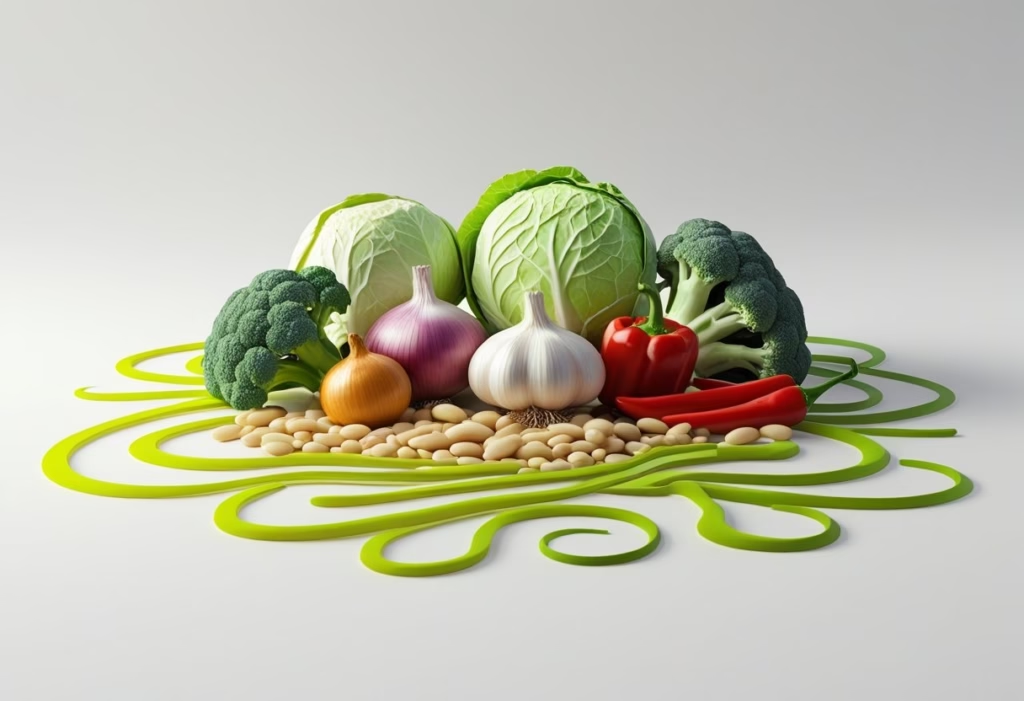
Understanding which foods trigger these symptoms requires looking beyond simple lists of “good” and “bad” foods. Your gut bacteria produce different gases depending on what you eat, and when these bacteria feast on hard-to-digest sugars and fibers, they release hydrogen sulfide—the compound responsible for that rotten egg smell. What complicates matters is that some trigger foods are actually nutritious and shouldn’t be eliminated without understanding why they cause problems for you specifically.
This article examines the science behind digestive odors, identifies the specific foods and food components that most commonly cause issues, and explains how underlying conditions like IBS or food sensitivities amplify these symptoms. You’ll learn practical strategies to identify your personal triggers and make dietary adjustments that reduce odors without sacrificing nutrition. This information is for educational purposes only and does not replace professional medical advice—consult a healthcare provider if you experience persistent digestive symptoms.
How Foods Cause Gut Odors and Digestive Discomfort
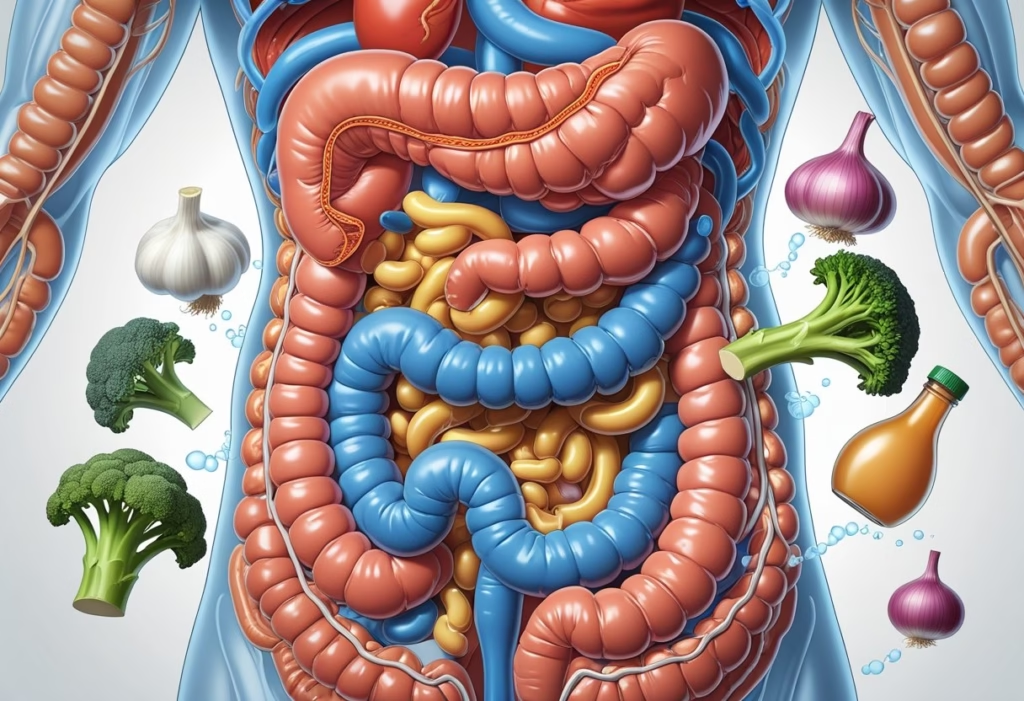
Your digestive system produces odors through bacterial fermentation of undigested food particles, with certain foods feeding specific gut bacteria that release sulfur compounds and other gases. Individual digestive capacity and food sensitivities determine whether particular foods will trigger symptoms in your body.
Role of Gut Bacteria in Odor Production
Your gut microbiome contains trillions of bacteria that break down food components your body cannot digest on its own. When these bacteria ferment certain foods, they produce gases including hydrogen sulfide, methane, and volatile fatty acids that create distinctive odors.
Sulfur-containing foods like eggs, meat, and cruciferous vegetables feed bacteria that produce hydrogen sulfide, which smells like rotten eggs. Similarly, when you eat foods high in certain carbohydrates, bacteria in your colon ferment these compounds and release gases that exit your body as flatulence or contribute to foul-smelling stools.
Bacterial imbalance matters significantly. When harmful bacteria outnumber beneficial ones, they produce more odorous compounds. This dysbiosis often occurs after antibiotic use, during illness, or with poor dietary choices that disrupt your gut microbiome.
The location where fermentation occurs also affects odor intensity. Foods that reach your colon undigested create more pronounced smells than those broken down in your small intestine.
Digestive Processes That Influence Odors
Your digestive system relies on enzymes, stomach acid, and gut motility to break down food efficiently. When any of these processes falter, undigested food reaches your colon where bacteria ferment it more aggressively.
Low stomach acid prevents proper protein breakdown, leaving larger food particles for bacterial fermentation. Similarly, insufficient digestive enzymes mean carbohydrates and fats pass through partially digested, feeding odor-producing bacteria downstream.
Gut motility directly impacts odor production. When food moves too slowly through your intestines, bacteria have extended time to ferment it, producing more gas and stronger smells. Conversely, rapid transit leaves less time for absorption, causing undigested food to reach your colon quickly.
Bile acids help digest fats, but when fat digestion fails, these unabsorbed fats create especially foul-smelling stools. This often happens with gallbladder problems or conditions affecting bile production.
Food Sensitivities and Their Impact
Food sensitivities differ from allergies because they trigger digestive symptoms rather than immune responses. When you eat foods your body cannot process properly, undigested particles irritate your gut lining and feed bacteria that produce excessive gas.
Lactose intolerance represents the most common sensitivity. Without enough lactase enzyme, undigested lactose reaches your colon where bacteria ferment it rapidly, creating gas, bloating, and distinctly sour-smelling stools within hours of consuming dairy.
Fructose malabsorption causes similar issues when your small intestine cannot absorb this sugar efficiently. Foods high in fructose then feed colonic bacteria that produce hydrogen gas and other odorous compounds.
FODMAP sensitivity encompasses multiple short-chain carbohydrates that many people struggle to digest. These include oligosaccharides in beans and wheat, which bacteria ferment enthusiastically, producing significant gas and odor.
Medical disclaimer: This information is for educational purposes only and does not replace professional medical advice. Consult your healthcare provider if you experience persistent digestive symptoms, unexplained weight loss, blood in stools, or severe abdominal pain.
Top Offending Foods That Trigger Gut Odors
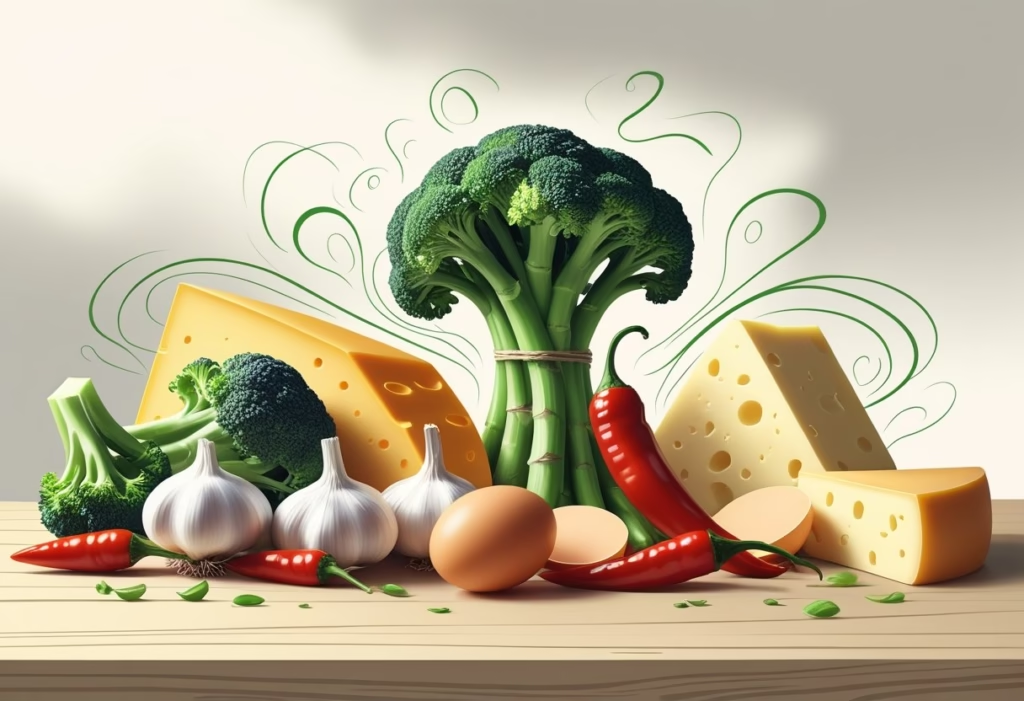
Certain foods disrupt gut bacteria balance and slow digestion, creating compounds that produce noticeable odors through breath, gas, and body smell. These foods share common traits: they’re hard to digest, feed harmful bacteria, or contain chemicals that alter your microbiome.
Processed and Ultra-Processed Foods
Processed and ultra-processed foods contain additives like emulsifiers, preservatives, and artificial flavors that disrupt your gut microbiome. When you eat ultra-processed foods like instant noodles, packaged snacks, or frozen meals, these chemicals reduce beneficial bacteria while allowing odor-producing bacteria to thrive.
The problem intensifies because these foods lack fiber. Without fiber, food moves slowly through your intestines, giving bacteria more time to ferment it and produce sulfur compounds and ammonia.
Common culprits include:
- Instant noodles with MSG and preservatives
- Processed snacks with artificial flavors
- Energy drinks containing multiple chemical additives
- Frozen meals high in sodium and emulsifiers
Emulsifiers like polysorbate 80 and carrageenan promote inflammation and alter gut bacteria composition. This inflammation damages your intestinal lining, allowing partially digested food particles to linger and putrefy.
You’ll notice the odor worsens when you eat these foods regularly rather than occasionally. Your gut bacteria adapt to what you feed them, so a diet heavy in processed foods creates a microbiome optimized for producing foul-smelling compounds.
Artificial Sweeteners and Sugar Alcohols
Artificial sweeteners like aspartame, sucralose, and saccharin change your gut bacteria in ways that increase gas production and alter your body’s natural odor. Research shows these non-nutritive sweeteners reduce microbial diversity, which means fewer good bacteria to keep odor-causing bacteria in check.
Sugar alcohols (polyols) like sorbitol and xylitol are particularly problematic. Your small intestine can’t fully absorb them, so they travel to your colon where bacteria ferment them rapidly.
This fermentation produces hydrogen and methane gas, along with short-chain fatty acids that smell distinctly unpleasant. Diet sodas combine artificial sweeteners with carbonation, which adds extra gas to an already problematic situation.
Symptoms typically appear within 30 minutes to 2 hours:
- Excessive gas with a sulfur smell
- Bloating and stomach rumbling
- Sweet or chemical-smelling breath
- Loose stools with strong odor
The mistake many people make is thinking “sugar-free” means gut-friendly. In reality, foods marketed as sugar-free often contain the highest concentrations of these synthetic compounds. Check labels for words ending in “-ol” (sorbitol, xylitol, erythritol) and the “Big Three” sweeteners (aspartame, sucralose, saccharin).
Fried Foods and Unhealthy Fats
Fried foods and trans fats slow your digestion significantly, giving gut bacteria extended time to break down fats into volatile compounds. When you eat french fries, fried chicken, or foods containing partially hydrogenated oils, your stomach takes 4-6 hours to empty instead of the normal 2-3 hours.
This delayed emptying allows bacteria to produce indoles, skatoles, and hydrogen sulfide—the same compounds that give feces its characteristic smell. These molecules don’t stay in your intestines; they enter your bloodstream and exit through your breath, sweat, and urine.
Trans fats specifically damage your intestinal barrier. This condition, sometimes called “leaky gut,” allows bacterial toxins and incompletely digested fats to seep into your body, creating odor-related symptoms.
High-fructose corn syrup often appears alongside unhealthy fats in processed foods like bagels, energy drinks, and packaged pastries. This combination feeds harmful bacteria while starving beneficial ones, creating a microbiome imbalance that produces more odorous waste products.
Red and Processed Meats
Red meat and processed meats like bacon, sausage, and deli meats generate trimethylamine (TMA) during digestion. Gut bacteria convert the carnitine in red meat into TMA, which your liver normally processes into odorless trimethylamine N-oxide. When you eat large amounts of red meat frequently, this system becomes overwhelmed.
The excess TMA enters your bloodstream and exits through sweat, breath, and urine with a fishy or ammonia-like smell. Processed meats add another layer of problems with nitrates, nitrites, and sodium.
Why processed meats are worse:
- Nitrates feed sulfur-producing bacteria
- High sodium draws water into intestines, slowing transit time
- Chemical preservatives kill beneficial bacteria
- Fat content delays stomach emptying
You’ll notice symptoms worsen when you eat red or processed meat without vegetables. Fiber from vegetables helps move meat through your system faster and feeds bacteria that produce less odorous compounds. The common mistake is eating a steak or burger with only refined carbs like white bread or fries.
Medical disclaimer: This information is for educational purposes only and doesn’t replace professional medical advice. If you experience persistent body odor accompanied by abdominal pain, blood in stool, unexplained weight loss, or fever, consult a gastroenterologist. These could indicate conditions like small intestinal bacterial overgrowth (SIBO), inflammatory bowel disease, or metabolic disorders requiring medical treatment.
Carbohydrates and Fibers: The Double-Edged Sword
Certain carbohydrates feed gut bacteria that produce gas as a byproduct, while highly processed carbs can disrupt your microbiome balance entirely. The type and amount of these foods you consume directly affects both odor intensity and digestive comfort.
Refined Grains and Added Sugars
White bread, pastries, and other refined grains lack the fiber that helps regulate digestion, causing rapid bacterial fermentation in your gut. This quick fermentation process produces hydrogen sulfide and other sulfur compounds that contribute to foul-smelling gas.
Added sugars in soda, candy, and processed foods create a similar problem but often worse. These sugars rush through your digestive system and feed opportunistic bacteria that produce particularly odorous compounds. When you consume refined sugar regularly, you’re essentially creating an environment where gas-producing bacteria thrive while beneficial bacteria struggle.
Common mistakes include:
- Eating white bread on an empty stomach
- Drinking multiple sodas throughout the day
- Combining refined grains with high-fat foods
The rapid blood sugar spikes from these foods also slow down your overall digestion. This means food sits longer in your intestines, giving bacteria more time to produce smelly gases. Switching to whole grains doesn’t eliminate gas entirely, but it provides fiber that promotes more balanced bacterial fermentation.
FODMAPs and Gas-Forming Foods
FODMAPs are specific carbohydrates that many people cannot fully digest, leading them to ferment in the colon where bacteria break them down into gases. These include certain fiber-rich foods like beans, onions, garlic, and wheat products.
What makes FODMAPs particularly problematic is that they draw water into your intestines while simultaneously feeding gas-producing bacteria. This combination creates bloating alongside odorous flatulence. Even healthy foods like oats and whole grains contain FODMAPs that can trigger symptoms in sensitive individuals.
Signs you might be FODMAP-sensitive:
- Gas appears 2-6 hours after eating
- Symptoms worsen with “healthy” fiber additions
- Bloating accompanies the odor
Research shows that fiber intake should be personalized, especially for those with compromised microbiomes. In some people with gut imbalances, certain fibers remain unfermented due to missing fiber-fermenting microbes, leading to inflammation and worsening symptoms.
You should see a doctor if eliminating common triggers doesn’t help within 2-3 weeks or if you experience pain, blood in stool, or unintentional weight loss. Working with a functional medicine practitioner can help identify specific gut issues through proper testing rather than endless elimination diets.
Medical Disclaimer: This information is for educational purposes only and does not constitute medical advice. Consult a healthcare provider before making significant dietary changes, especially if you have existing digestive conditions.
Dairy, Gluten, and Food Sensitivities
When your digestive system can’t properly break down certain proteins or sugars, bacterial fermentation increases dramatically. This leads to excessive gas production with particularly strong odors that affect both flatulence and bowel movements.
Lactose Intolerance and Dairy Products
Your body needs the enzyme lactase to break down lactose, the primary sugar in milk and dairy products. When you lack sufficient lactase, undigested lactose travels to your colon where bacteria ferment it, producing hydrogen sulfide and other sulfur compounds that create foul-smelling gas.
Common symptoms beyond odor include:
- Bloating within 30 minutes to 2 hours after consumption
- Cramping and abdominal pain
- Loose, watery stools
- Urgent bowel movements
Many people make the mistake of thinking they must avoid all dairy. Hard cheeses like parmesan and aged cheddar contain minimal lactose and often don’t trigger symptoms. Greek yogurt with live cultures may also be tolerable because beneficial bacteria pre-digest much of the lactose.
Hidden dairy appears in processed foods, baked goods, and protein powders under names like whey, casein, or milk solids. Even small amounts can trigger reactions in severely lactose intolerant individuals.
Gluten Reactions: Celiac and Non-Celiac Sensitivities
Celiac disease causes your immune system to attack the small intestine when you consume gluten, damaging the villi that absorb nutrients. This creates malabsorption and bacterial overgrowth, both of which produce abnormally odorous stools with a greasy appearance.
Non-celiac gluten sensitivity doesn’t damage your intestinal lining but still triggers digestive symptoms. The exact mechanism remains unclear, but gluten proteins may increase intestinal permeability, allowing partially digested food particles to interact with gut bacteria differently.
Key differences between the two:
| Condition | Intestinal Damage | Testing Available | Strict Avoidance Required |
|---|---|---|---|
| Celiac Disease | Yes | Blood test, biopsy | Medically necessary |
| Non-Celiac Sensitivity | No | None definitive | Based on symptoms |
Cross-contamination from shared cooking surfaces or toasters can trigger symptoms even when you avoid obvious gluten sources. Those with IBD often experience worsened symptoms from gluten due to existing intestinal inflammation.
Medical disclaimer: This information is for educational purposes only and does not replace professional medical advice. Consult a gastroenterologist if you experience persistent digestive symptoms, unexplained weight loss, or blood in your stool.
Irritable Bowel Syndrome, Leaky Gut, and Other Digestive Disorders
Digestive disorders like IBS and leaky gut can significantly amplify gut odor problems because they alter how your body processes food and manages bacterial balance. Understanding which foods trigger these conditions helps you identify why certain meals lead to particularly unpleasant odors.
IBS and Trigger Foods
IBS is a gastrointestinal condition that causes abdominal pain, bloating, diarrhea, and constipation. When you have IBS, your gut becomes hypersensitive to specific foods, producing excess gas and odorous compounds during digestion.
High-FODMAP foods are the primary culprits. These include poorly absorbed carbohydrates like fructose found in apples, pears, watermelon, and mangoes. Your small intestine struggles to absorb these sugars, leaving them for gut bacteria to ferment.
Common trigger foods that worsen odor:
- Cruciferous vegetables: Garlic, onions, cauliflower, and Brussels sprouts
- Legumes: Beans, lentils, and chickpeas contain carbohydrates that produce gas
- Dairy products: Lactose intolerance affects many IBS sufferers, causing bloating and diarrhea
- Sugar alcohols: Sorbitol, xylitol, and erythritol in sugar-free products
A common mistake is eliminating all vegetables. This actually worsens gut health by starving beneficial bacteria. Instead, cook vegetables thoroughly or juice them to improve tolerance.
Research shows that caffeine intake correlates with dyspepsia and loose stools in 330 IBS patients studied. The gut-brain axis plays a role here—stress and anxiety trigger IBS flares, which then increase odorous gas production.
See a doctor if symptoms persist despite dietary changes or if you experience unintentional weight loss.
Leaky Gut and Inflammatory Foods
Leaky gut occurs when your intestinal lining becomes permeable, allowing undigested food particles and bacteria to enter your bloodstream. While the relationship between leaky gut and IBS remains under investigation, chronic inflammation appears to damage gut barrier function.
Inflammatory foods exacerbate both conditions. Processed foods containing emulsifiers and preservatives directly damage your gut lining. Alcohol acts as a GI irritant, and rum is particularly high in FODMAPs.
Foods that increase inflammation and odor:
- Fried foods and fatty meats that strengthen intestinal contractions
- Gluten-containing grains with fructans that irritate sensitive guts
- Artificial sweeteners that alter your gut microbiome composition
- Spicy foods containing capsaicin, which triggers more pain sensors in IBS patients
What usually helps: eliminating processed foods, managing stress, and working with a specialized dietitian on a low-FODMAP diet. What rarely helps: taking probiotics randomly without identifying your specific trigger foods first.
Medical Disclaimer: This information is for educational purposes only and does not replace professional medical advice. Consult a gastroenterologist for persistent digestive symptoms or before making significant dietary changes.
How to Improve Gut Health and Reduce Odors
Addressing gut-related odors requires rebuilding your intestinal bacterial balance through specific dietary changes and understanding which foods actively support beneficial microbes. The right combination of live cultures and fiber-rich foods can reduce fermentation byproducts that cause unpleasant smells within weeks.
Gut-Friendly Foods and Probiotic Choices
Probiotics are living microorganisms that introduce beneficial bacteria directly into your digestive system, which helps crowd out odor-producing strains. Yogurt with live active cultures provides the most accessible option, but you’ll get more microbial diversity from fermented foods like kefir, sauerkraut, kimchi, and tempeh.
Most Effective Probiotic Sources:
- Kefir: Contains 30-50 different bacterial strains compared to yogurt’s 2-7
- Kimchi: Provides postbiotics that balance your microbiome
- Sauerkraut: Delivers lactobacillus species that reduce gas production
- Plain yogurt: Choose unsweetened varieties with at least 1 billion CFUs
The common mistake is eating sweetened versions of these foods. Sugar feeds the same bacteria that produce excess gas and odors, negating the probiotic benefits. Room temperature fermented foods work better than refrigerated ones because cold temperatures can reduce bacterial activity during digestion.
Building a Healthier Microbiome Through Diet
Prebiotics feed your healthy gut bacteria, allowing them to multiply and dominate the ecosystem. These non-digestible fibers pass through your upper digestive tract intact and ferment in your colon, producing short-chain fatty acids instead of sulfur compounds.
Your gut bacteria need diverse fuel sources to maintain balance. Bananas contain resistant starch that beneficial bacteria prefer over the simple sugars that feed odor-causing microbes. Legumes and lentils provide both soluble and insoluble fiber, though you should introduce them gradually—adding more than 5-10 grams of fiber daily can temporarily worsen gas.
Daily Prebiotic Targets:
- Oats (3-4 grams per serving)
- Berries (2-3 grams per cup)
- Legumes (6-8 grams per half cup)
Olive oil supports foods for gut health by reducing inflammation that allows harmful bacteria to thrive. Unlike saturated fats, it doesn’t slow digestion to the point where food sits fermenting longer. Aim for 2-3 tablespoons daily.
When to Consult a Registered Dietitian
A registered dietitian becomes necessary when you’ve eliminated trigger foods for 4-6 weeks without improvement in gut odors. They can identify hidden sources of fermentable carbohydrates and design an elimination protocol that maintains nutritional adequacy while isolating problematic foods.
Warning signs requiring professional guidance:
- Weight loss exceeding 5% of body weight
- Odors accompanied by blood in stool
- Persistent symptoms despite dietary changes
- Inability to tolerate multiple food groups
Dietitians specializing in gastrointestinal health can distinguish between bacterial overgrowth, enzyme deficiencies, and food intolerances—conditions that require different dietary approaches. They’ll also prevent you from unnecessarily restricting foods that support microbial diversity, which paradoxically worsens odor problems long-term.
Medical Disclaimer: This information is for educational purposes and does not replace professional medical advice. Consult your healthcare provider before making significant dietary changes, especially if you have existing health conditions.